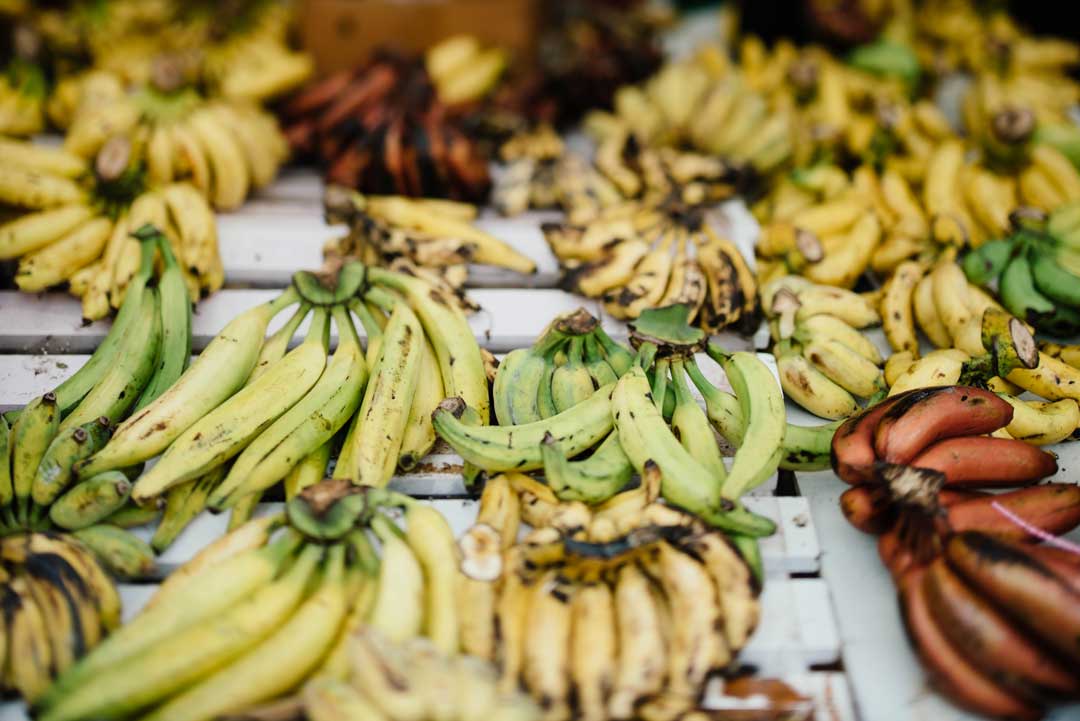
The traditional food of the Garifuna people is built on three ingredients: plantain, coconut, and cassava. The fish, the spices, the technique all come after those three. Hudut is the dish most people name first, and they are right to. Mashed plantains pounded in a wooden mortar, served alongside fish simmered in fresh coconut milk. You eat it with your hands. That is Garifuna food in its clearest form.
The Garifuna are an Afro-Indigenous people descended from Carib, Arawak, and West African ancestors who were exiled from the island of St. Vincent by the British in 1797. They settled along the Caribbean coast of Central America: Honduras, Guatemala, and Belize. In Belize, the main Garifuna communities are in Dangriga, Hopkins, Seine Bight, and Punta Gorda. November 19 is Garifuna Settlement Day, a national holiday. The food at those celebrations has not changed much in two hundred years.
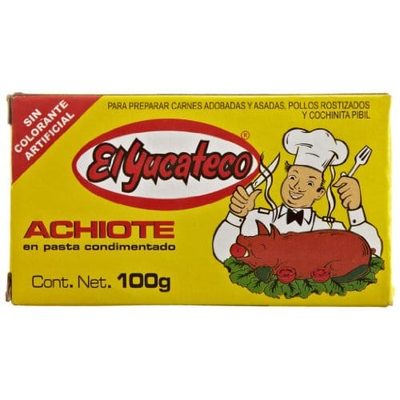
Cochinita pibil, poc chuc, and escabeche all start with red recado. A prepared achiote paste dissolves into sour orange in minutes instead of the hour it takes to grind annatto, oregano, and clove from seed.
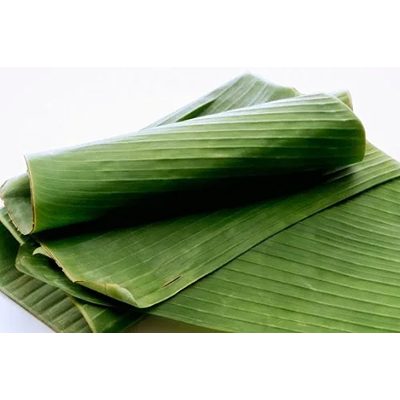
Frozen banana leaves for tamales, mukbil pollo, pibil, conkies, dukunu, and the Garifuna wrappers on hudut and bundiga — pass over a flame to make them pliable before wrapping; far easier than chasing fresh leaves outside the tropics.
What is the traditional food of Garifuna?
The most important Garifuna dishes are hudut, tapou (tapado), sere, bundiga, ereba, and darasa. Hudut is pounded plantains with coconut fish stew. It is the dish that defines Garifuna cooking for most people. Tapou is a one-pot coconut fish stew, known as tapado in Guatemala and Honduras. Sere is the coconut fish broth that forms the base of hudut. Bundiga is a thick green banana porridge. Ereba is cassava flatbread, pressed and dried from bitter cassava. Darasa are banana tamales wrapped in banana leaves.
All six dishes come from the same pantry: plantain, cassava, coconut, and fish from the coast. What changes is the technique.
Hudut
Hudut is the signature Garifuna dish. Green and ripe plantains are boiled, then pounded in a heavy wooden mortar until they hold together in a smooth, dense ball. That ball is the fu-fu. The sere, a coconut fish broth made from freshly squeezed coconut milk with fish, onion, cilantro, and pepper, is cooked separately. The two come together in a bowl, eaten by hand: pull a piece of fu-fu, press it into a scoop, drag it through the stew.
“Hudutu” is an alternate spelling of the same dish, more common in older cookbooks and among Garifuna communities in the United States and Honduras. In Belize today, hudut is the standard spelling.
Full recipe: Hudut Recipe (Hudutu) — Garifuna Mashed Plantains with Sere
Tapou (tapado)
Tapou is the Belizean name for the dish called tapado in Guatemala and Honduras. It is a one-pot coconut fish stew: whole fish or fillets fried crisp, then added to a broth of coconut milk, achiote, onion, green plantain, cassava, and sweet potato. Unlike hudut, there is no separate pounded plantain. Everything cooks together in one pot and is served with white rice.
The dish originated in the Garifuna diaspora along the Caribbean coast of Central America. Livingston, on Guatemala’s Caribbean coast, is the primary center of tapado culture on the mainland.
Full recipe: Tapou Recipe (Garifuna Tapado)
Sere
Sere is the coconut fish broth at the center of Garifuna cooking. Fish simmers in freshly squeezed coconut milk with onion, cilantro, garlic, and pepper until the broth thickens and the fish is cooked through. Sere is both a standalone coconut fish soup with root vegetables and the broth component of hudut. When served as hudut, the pounded plantain (fu-fu) comes alongside.
Full recipe: Belizean Seafood Sere
Bundiga
Bundiga is a thick Garifuna porridge made from green bananas. The bananas are grated raw, mixed with fresh coconut milk, and cooked over low heat until the mixture thickens to a dense, creamy consistency. It is most often served as a side alongside fish or stewed meat, though some cooks simmer fish or conch right into it. The defining feature is the grated green banana, not the protein. The texture is much thicker than sere and has nothing in common with tapou beyond the coconut milk base.
Full recipe: Bundiga Recipe
Ereba
Ereba is Garifuna cassava bread, made from bitter cassava (yuca) that is grated, pressed dry to remove the toxic juice, and then cooked on a flat griddle into thin, crisp rounds. It keeps for days without refrigeration, which made it practical for the Garifuna who traveled and fished along the coast. Ereba is eaten plain, with fish, or crumbled into sere.
The technique requires bitter cassava specifically, not sweet cassava. The pressing and drying step is what makes the bread safe to eat.
Darasa
Darasa are Garifuna banana tamales. Green bananas are grated raw, mixed with fresh coconut milk, seasoned, then wrapped tightly in banana leaves and boiled until set. They have a firm, dense texture closer to a plantain dumpling than a corn tamale. Darasa are a snack and a side dish, common at Garifuna Settlement Day celebrations and in home cooking throughout southern Belize.
Full recipe: Darasa Recipe (Garifuna Green Banana Tamales)
Still sorting out which dish is which? See our guide to the difference between hudut, sere, tapou, tapado, and the rest.
Garifuna food FAQ
What is the traditional food of Garifuna? The most important traditional Garifuna dishes are hudut (mashed plantains with coconut fish stew), tapou (one-pot coconut fish stew), sere (coconut fish broth), bundiga (green banana porridge), ereba (cassava flatbread), and darasa (banana tamales). Hudut is the dish most closely associated with Garifuna identity. All six dishes draw from the same core ingredients: plantain, cassava, coconut, and fish.
What are the key ingredients in Garifuna cooking? The three core ingredients in Garifuna cooking are plantain, cassava, and coconut. These come from the Garifuna’s Carib and Arawak heritage in the Caribbean. Fish from the coast is the primary protein. Achiote (or recado in Belize) provides color and earthiness. Fresh coconut milk, squeezed by hand from grated coconut, is used in nearly every savory dish.
What is ereba? Ereba is Garifuna cassava bread made from bitter cassava (yuca). The cassava is grated, pressed to remove the liquid, and cooked on a flat griddle into thin, crisp rounds. It keeps for several days without refrigeration and is eaten with fish, crumbled into sere, or plain. Ereba is specific to bitter cassava; sweet cassava does not produce the same result.
Where do the Garifuna live in Belize? The main Garifuna communities in Belize are in Dangriga (the largest), Hopkins, Seine Bight, and Punta Gorda — all on the southern coast. Garifuna Settlement Day, November 19, is a national holiday commemorating the arrival of the Garifuna in Belize in 1832. The food at Settlement Day celebrations includes hudut, tapou, bundiga, and darasa.
What is the difference between tapou and tapado? Tapou and tapado are the same dish. Tapou is the name used in Belize; tapado is the name used in Guatemala and Honduras. The dish originated with the Garifuna people of the Caribbean coast of Central America. The Garifuna diaspora spread the dish across three countries, and local naming conventions diverged.
Shop This Recipe
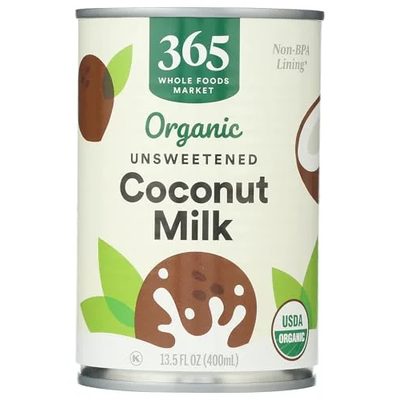
Coconut milk appears in every major Garifuna dish on this page - hudut's sere broth, tapou's one-pot stew, bundiga's green banana porridge, and darasa's banana tamale dough all require it.
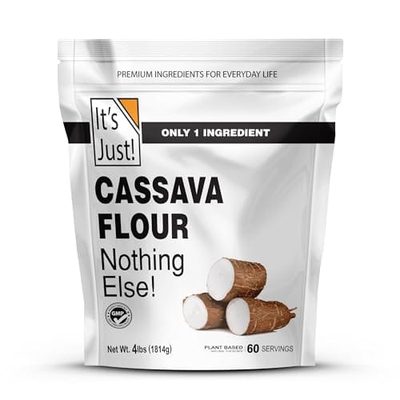
Ereba is made from bitter cassava grated, pressed dry, and cooked flat - cassava flour is the diaspora shortcut that skips the pressing step while keeping the same starchy base.
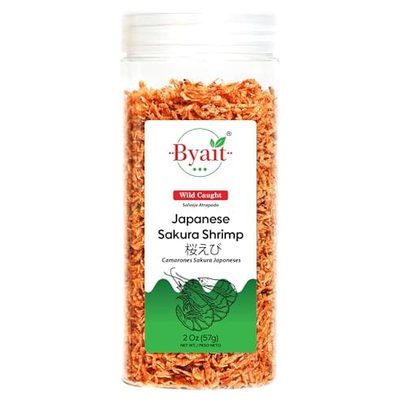
Sun-dried shrimp pounded into hudut and tapou base, simmered into bundiga, and used across Garifuna coastal cooking as a savory-saline protein that keeps without refrigeration — hard to find outside Latin and Asian markets.
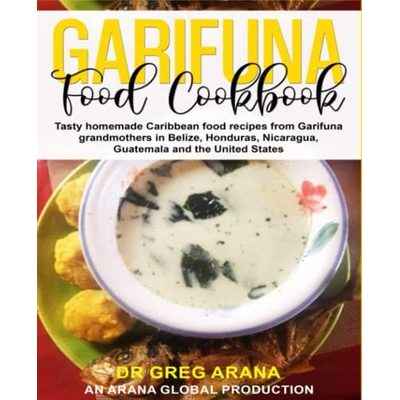
A cookbook covering Garifuna food from Belize, Honduras, Nicaragua, and Guatemala, the same diaspora geography this hub page documents.