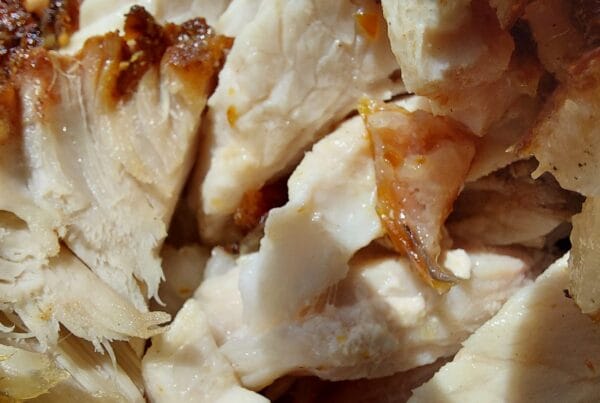
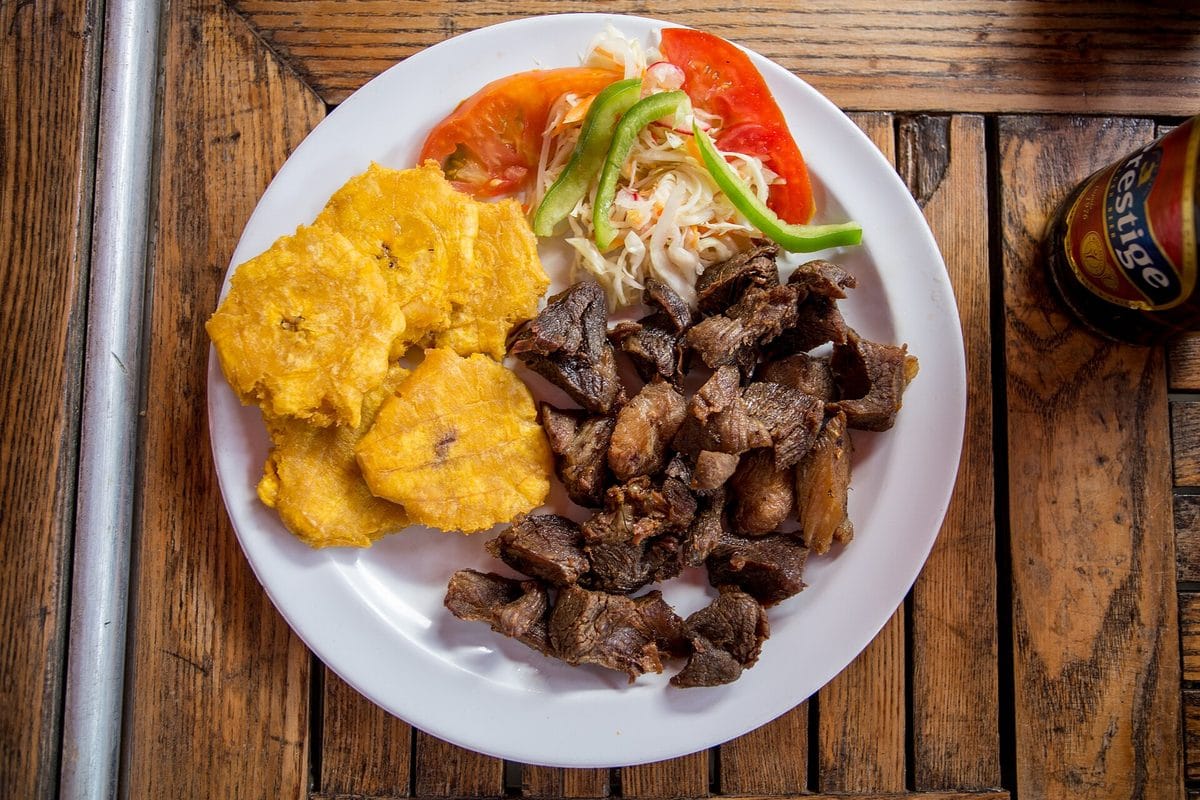
Haitian griot is fried pork: cubed pork shoulder marinated in citrus and seasoning, boiled until tender, then fried until deep brown. Haitians pair it with pikliz, a spicy pickled slaw, and bannann peze, fried pressed plantains. It’s a popular street food and a fixture of everyday Haitian cooking.
Ingredients
Griot comes together in three stages: a citrus wash, a seasoning marinade built on a homemade epis, and a two-part cook, boiled first, then fried. The wash strips the raw taste from the pork, and the marinade carries the flavor. Native Kreyòl names are given first where Haitian cooks use them, with common alternatives in parentheses.
Frontier Co-op Whole Cloves, Organic, Hand Select, 16 oz
Spice pastes, dark stews and braised meats all call for whole cloves ground or simmered into the dish. Whole cloves keep their volatile oils far longer than ground.
Granulated chicken bouillon for seasoning broth, rice and stews. A tablespoon goes into the pot before anything else does.
For the pork
- Pork shoulder or leg, cut into small cubes.
For the citrus wash
- Lemon, lime, or sour orange (orange amère); a mix of lime and orange if sour orange isn’t available.
- Vinegar.
- Salt.
- Hot water.
For the seasoning
- Garlic.
- Ginger.
- Fresh parsley.
- Thyme.
- Scallions (green onions).
- Shallots.
- Leeks.
- Bell peppers, green, red, and yellow.
For the pantry seasonings
- Black pepper.
- Salt.
- Maggi cubes or all-purpose seasoning.
- Whole cloves.
- Mustard or herbes de Provence, optional.
For the pepper
- Piment bouc (Scotch bonnet or habanero), left whole.
To fry
- Vegetable oil.
A note on quantities: the Haitian home cooks this recipe follows don’t work in gram, pound, or cup amounts for the pork, seasoning, or oil. What they do hold to are two windows of time. Marinate the pork for at least 30 minutes to an hour, or overnight for the best result, and boil it for 30 to 45 minutes until tender. Season and cut the pork to match the amount you’re cooking, and let those two windows, not a fixed measurement, guide the rest.
Instructions
- Cut the pork shoulder or leg into small cubes. Home cooks size the pieces small on purpose: pork cut too large turns hard once it cooks, and it never picks up the same amount of flavor.
- Wash the pork thoroughly with citrus (lemon, lime, or sour orange) and vinegar, scrubbing to work the acid into the meat. Then let the pieces sit in hot water for a few minutes before draining. This wash removes the raw taste from the pork before it ever meets the seasoning.
- Massage the seasoning into the meat: garlic, ginger, parsley, thyme, scallions, shallots, leeks, and bell peppers. Add citrus juice, salt, black pepper, and a Maggi cube or all-purpose seasoning too, along with mustard or herbes de Provence if you’re using them.
- Cover the seasoned pork and marinate it for at least 30 minutes to an hour. Overnight in the refrigerator gives the best result, letting the seasoning fully penetrate the meat.
- Transfer the pork and all its marinade into a pot. Set a whole piment bouc on top of the meat, unburst, so it perfumes the pot without breaking open. Cover the pot tightly and bring it to a simmer over medium-high heat.
- Keep the lid on. The pork releases its own juices as it cooks. There’s no need to add much water unless you plan to turn the leftover liquid into a sauce. Simmer for 30 to 45 minutes, until the pork is tender enough to pull apart easily.
- Drain the pork, reserving the cooking liquid if you want it for a sauce. Heat a generous amount of vegetable oil in a separate pan, and fry the pork pieces until every side turns a deep brown.
Why Griot Is Boiled Before It’s Fried
Griot never starts in the frying pan. Home cooks treat that shortcut as a mistake. Authentic griot goes into a covered pot first, simmered in its own seasoning until the meat is tender, and only then does it meet the oil. Frying raw pork straight through skips the tenderizing stage entirely, and the texture never recovers.
The covered pot matters as much as the boiling itself. Keeping the lid on traps the steam inside, and that steam is what works the pork tender over the 30 to 45 minutes it spends simmering. Lifting the lid too often lets that advantage escape.
While the pork boils, a whole piment bouc goes on top of the meat, left unburst. The pepper flavors the whole pot without turning the dish fiery, since it never breaks open to release its seeds. Some cooks pierce the pepper with a few whole cloves first, working a little extra spice into the same step.
Once the pork is tender, cooks drain it and move it to the frying oil, where it takes on its final deep brown color. Save the boiling liquid if you like: it makes a solid base for a sauce to serve alongside the meat.
The Citrus Wash That Takes the Raw Taste Out of the Pork
Before any seasoning goes on the pork, it gets washed. Home cooks scrub the meat with citrus and vinegar, then let it rest in hot water for a few minutes before draining. This isn’t a rinse for cleanliness alone. It strips the raw taste out of the pork, the flavor most home cooks want gone before the meat ever touches the seasoning blend.
The acid does double duty. A high ratio of citrus and vinegar tenderizes the meat at the same time it cleans it. That same acid gives griot its characteristic tang once it’s cooked. Sour orange, orange amère, is the citrus Haitian cooks reach for first. If it isn’t available, a mix of lime and orange stands in.
Cutting the pork small plays into the same idea. Many home cooks prefer very small cubes over the larger chunks used in some commercial versions. The smaller pieces let the citrus, and later the seasoning, actually reach the center of the meat. The payoff shows up twice: once in how deeply the marinade flavors the pork, and again in the texture once it’s fried.
Griot Is Haiti’s Everyday Dish, Not Just a Special One
Griot holds a place most dishes don’t. It is named, alongside diri ak pwa wouj (red beans and rice), as a contender for Haiti’s national dish, and it shows up as often from a street vendor as it does at a family table. Vendors sell it as part of fritay, the fried-food plate of Haitian street cooking. It isn’t reserved for holidays or set aside for company. Griot is everyday food, sold hot from carts and cooked at home in the same breath.
It’s also rarely served by itself. Griot comes plated with pikliz, a spicy pickled cabbage slaw, and bannann peze, fried pressed plantains. The three together, pork, slaw, plantain, make up the plate most people picture when they picture griot at all. Rice carries it just as often, usually diri ak djon djon, the black mushroom rice Haitian cooks make for company, or a bowl of legim alongside.
Getting there takes real planning. The marinating window runs from 30 minutes at the fastest to overnight for the best result. Add the two-stage cook, boiled then fried, and cooks often start griot a full day ahead of serving it. The dish rewards that patience: every stage, the wash, the marinade, the boil, the fry, builds toward the same deep-brown, tender result.
Tips and Variations
The real variation in griot comes down to a handful of swaps Haitian home cooks make depending on what’s on hand. If sour orange isn’t in the kitchen, a mix of lime and orange takes its place in both the wash and the marinade. The whole pepper on top of the pot can go in plain, or studded first with a few whole cloves. It depends on how much extra spice a cook wants worked into the dish. Some cooks add mustard or herbes de Provence to the seasoning blend; both are optional, not required.
The citrus-and-seasoning marinade will look familiar to anyone who cooks in Belize, where recado pork steaks get the same overnight treatment with a different paste. Cut size is worth deciding on purpose. Very small cubes pick up more flavor and fry up with better texture, while larger chunks, more common in commercial versions, hold together differently. The marinating window is flexible by design too: 30 minutes at the low end, a full night in the refrigerator at the high end. The longer soak produces the deeper-seasoned result. Don’t throw out the boiling liquid either; it’s the start of a good sauce.
Frequently Asked Questions
What is griot?
Griot is a Haitian dish of fried pork. Pork shoulder or leg is cut into cubes, washed and marinated in citrus and seasoning, then boiled until tender and fried until deep brown. It’s typically served with pikliz and fried plantains.
Why is the pork boiled before it’s fried?
Boiling first is what makes the pork tender. Frying raw pork skips that step and never produces the same texture. Home cooks simmer the meat in a covered pot for 30 to 45 minutes, then fry it afterward for color and crust.
What cut of pork works best for griot?
Pork shoulder or leg, cut into small cubes. Home cooks size the pieces small on purpose, since larger chunks turn hard once they cook and don’t take on the same flavor.
What is griot traditionally served with?
Griot is rarely served alone. It’s almost always plated with pikliz, a spicy pickled cabbage slaw, and bannann peze, fried pressed plantains.
Can a different pepper replace piment bouc?
Haitian home cooks name piment bouc, Scotch bonnet or habanero, specifically, and leave it whole on top of the meat as it simmers. No substitute pepper shows up in the versions this recipe follows, so treat piment bouc as the tested choice rather than swapping in an unverified pepper.
Boil-up, stew beans, and cow-foot soup want a heavy pot that holds a low simmer for hours. The enamel interior skips seasoning entirely and won't strip when acid, tomato, or citrus goes in.
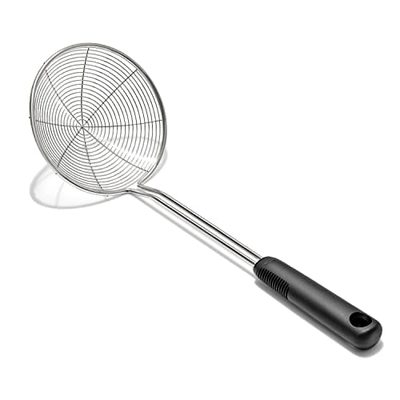
OXO Good Grips Stainless Steel Spider Scoop & Strain Skimmer,Black
Pulls panades and fry jacks out of the oil in one lift and lets the grease drain back into the pot. A slotted spoon holds oil in its bowl and carries it straight onto the plate.
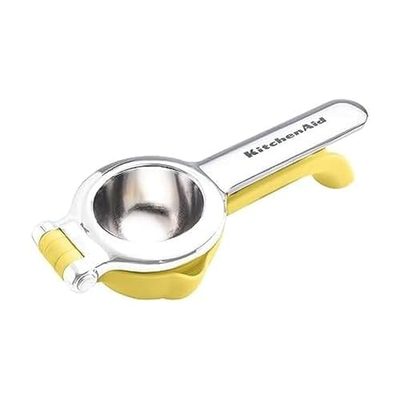
Ceviche, panty rippers, and pickled onions all live or die on fresh lime. A stainless hand press pulls every drop and leaves the seeds and pith behind, which bottled juice can't do at any price.
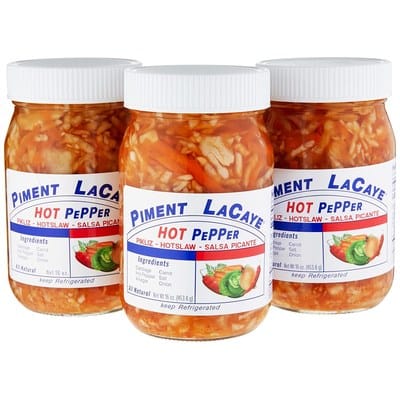
Pikliz is the coarse pickled slaw of cabbage, carrot and scotch bonnet that goes on the plate beside fried food, and griot without it is only half the dish. Packed in glass rather than plastic.