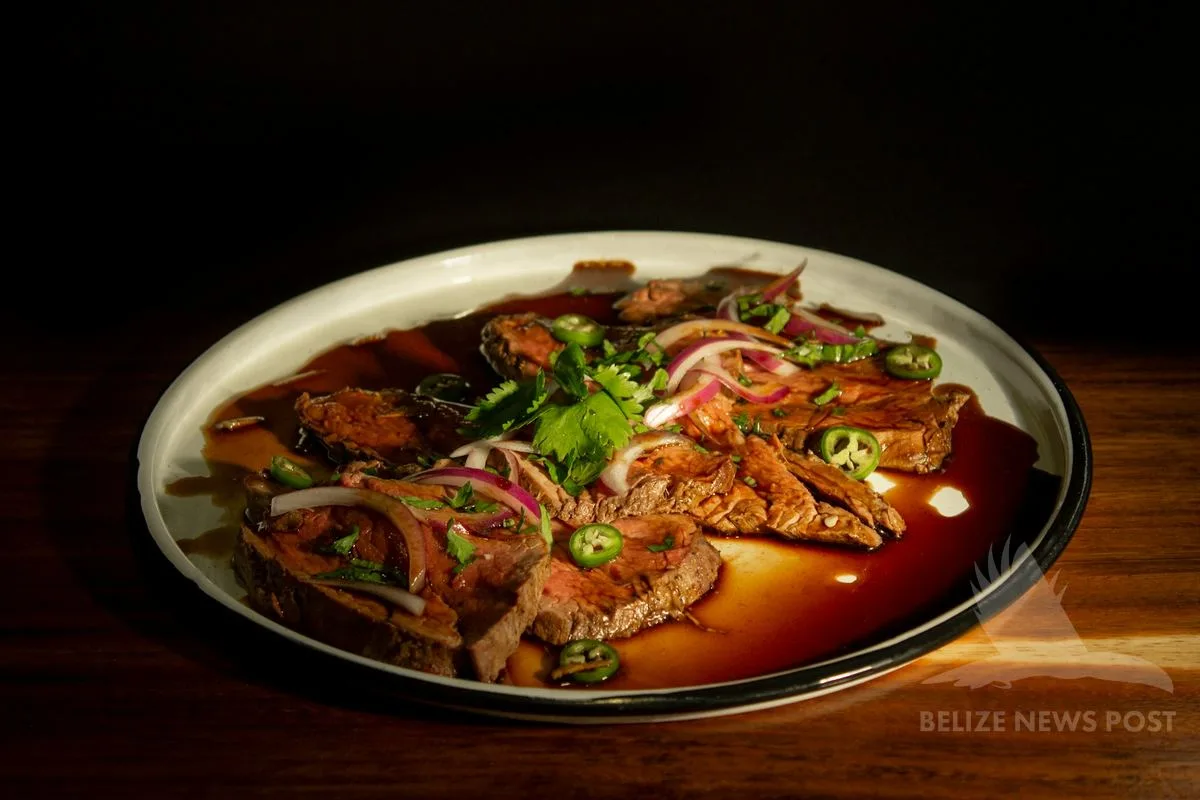
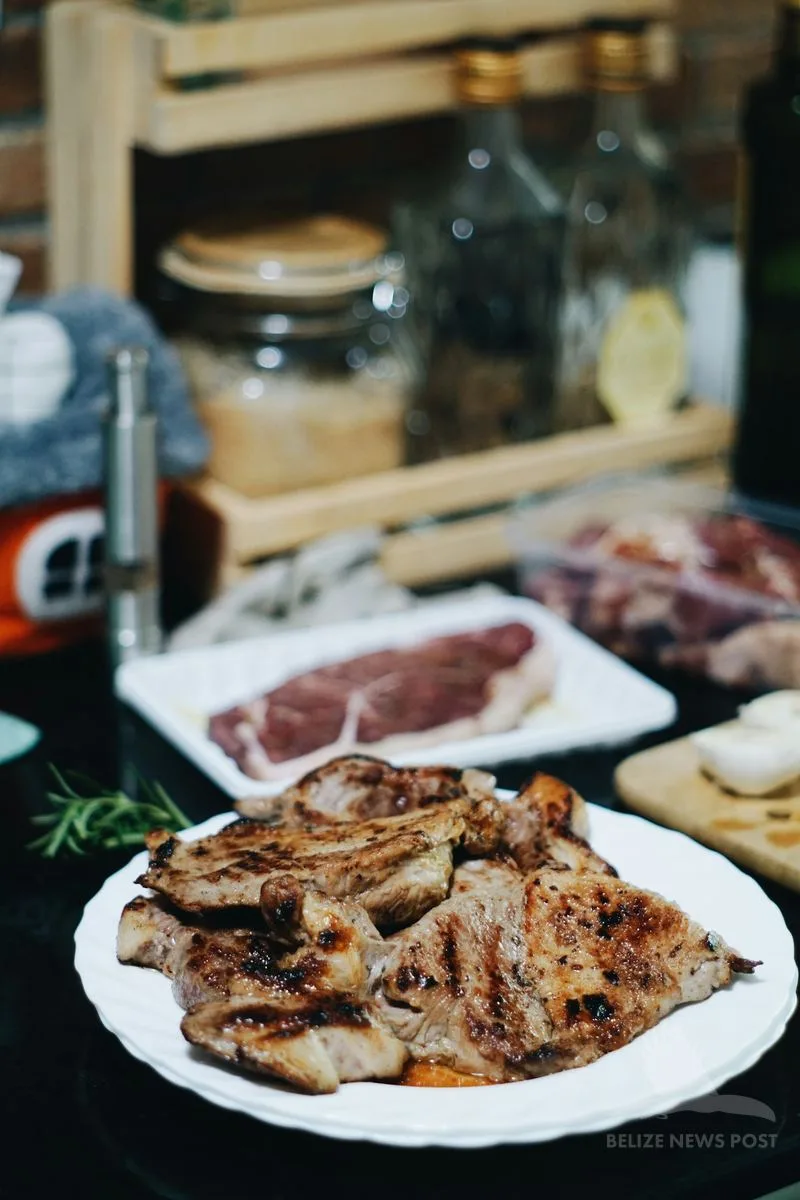
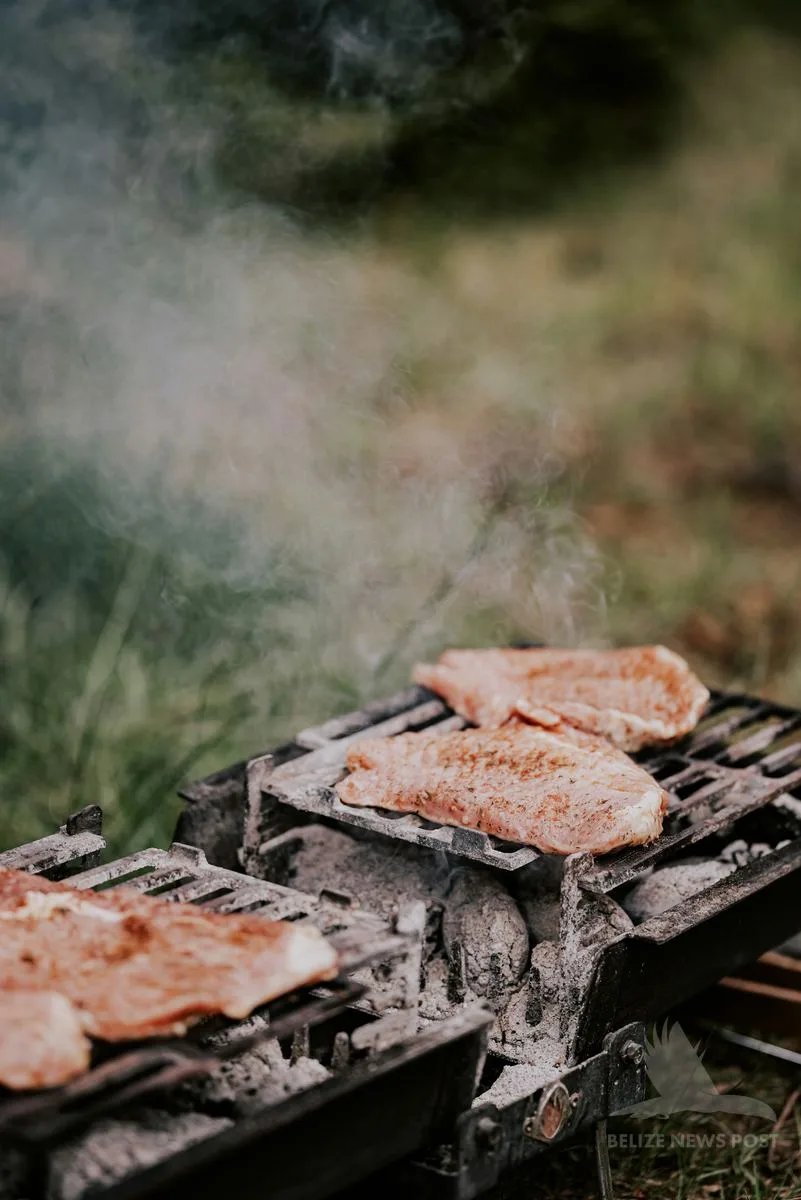
This poc chuc recipe is a Yucatec Maya grilled pork dish marinated in naranja agria (sour orange juice) and cooked over high heat. The name comes from two Maya words — poc (to toast over embers) and chuc (charcoal). Thinly sliced pork loin, a bright citrus marinade, and pickled red onions make this one of the Yucatan’s most recognizable dishes.
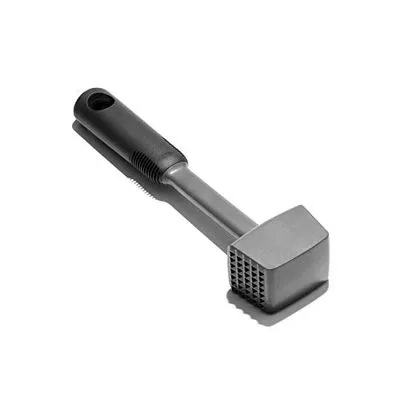
Conch muscle and tough cuts need pounding. A heavy cast head with flat and spiked faces does the work a rolling pin can't, thinning the meat without tearing it.
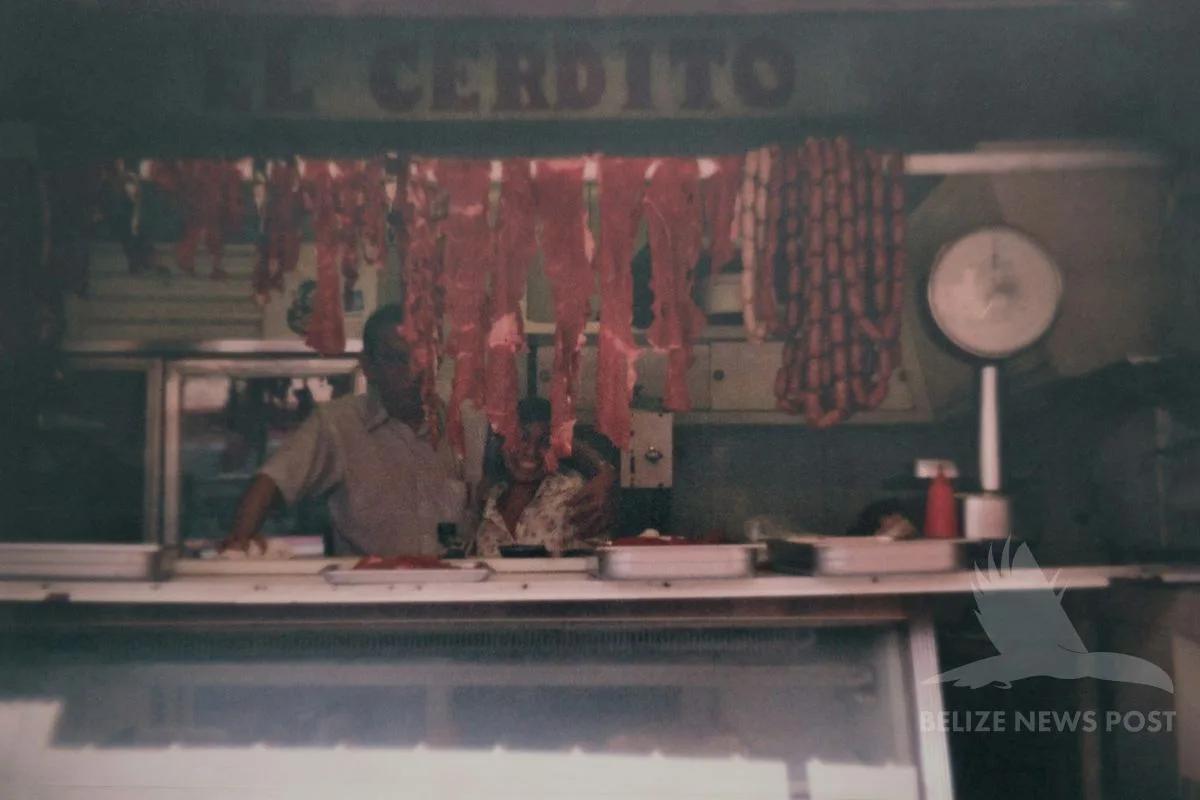
Why poc chuc belongs to the Yucatan-Belize food corridor, not just Mexico
Poc chuc is one of the two defining dishes of the Yucatan Peninsula. The other is cochinita pibil. The technique is pre-Hispanic Maya: grilling thin cuts of meat directly over wood coals until the edges char. The citrus marinade came later, after Spanish colonization introduced pork, garlic, onions, and Seville oranges to the Yucatan in the sixteenth century. Maya cooks found that naranja agria, the bitter orange (Citrus aurantium), did something lime juice does not: it tenderized pork instead of hardening it. The dish that resulted is built around one ingredient and one technique.
What many food writers miss is where this dish actually lives. Naranja agria grows wild across the Yucatan Peninsula including the northern districts of Belize, specifically Corozal and Orange Walk. Yucatec Maya communities on both sides of the border have been making this food the same way for generations. My mother’s family in Corozal knew poc chuc not as restaurant food or tourist food, but as something you made at home when you had pork and sour oranges. That’s the food I want to give you here.
Poc chuc is described as a “culinary mestizaje” in Yucatecan food writing: a fusion of indigenous Maya cooking technique with ingredients that arrived after the sixteenth-century colonial contact. That framing is accurate. It can also make the dish sound more formal than it is. Poc chuc is a quick weeknight dinner. It takes thirty minutes if you have naranja agria in the house. It takes forty-five if you don’t and have to squeeze a substitute.
Ingredients
For the pork (serves 4):
- 1½ lbs (680g) pork loin, sliced thin (about ¼ inch / 6mm thick)
- ½ cup naranja agria juice (fresh sour/bitter orange juice)
Substitute: ¼ cup fresh orange juice + 2 tbsp fresh lime juice + 1 tbsp white vinegar - 4 cloves garlic, minced
- 1 tsp salt
- ½ tsp black pepper
For the pickled onion (cebollas encurtidas):
- 1 medium red onion, thinly sliced
- Juice of 2 limes
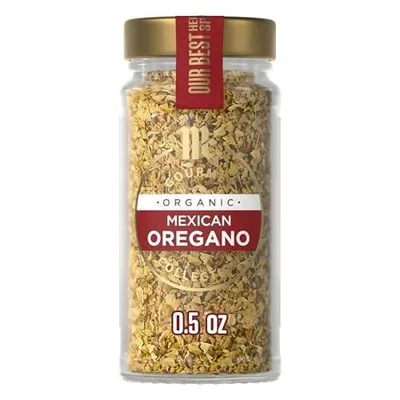
- ¼ tsp dried oregano (Mexican oregano preferred; regular dried oregano works)
- ¼ tsp salt
For serving:
- Refried black beans
- Corn tortillas, warmed
- Sliced avocado
- Fresh cilantro leaves
- Habanero salsa or chiltomate (roasted tomato-habanero salsa)
Instructions
- Slice the pork loin into pieces about ¼ inch thick. Place each slice between two sheets of plastic wrap and pound with a meat mallet or the flat bottom of a heavy pan until the slices are about ⅛ inch thick and even throughout. Thin, even pork is what makes poc chuc work. It grills in under three minutes.
- In a shallow dish, combine the naranja agria juice, minced garlic, salt, and black pepper. Add the pork slices and turn to coat each piece. Marinate at room temperature for 20–30 minutes. If refrigerating, marinate up to 2 hours maximum. Beyond two hours, the acid changes the texture of the meat.
- While the pork marinates, make the pickled onion. Combine the sliced red onion with lime juice, oregano, and salt in a small bowl. Toss well. Set aside at room temperature for at least 15 minutes. The onion softens and turns bright pink as it sits.
- Heat a charcoal grill, gas grill, or heavy cast-iron pan over high heat. The cooking surface needs to be very hot before the pork goes on. If using a pan, let it heat for 2–3 minutes over the highest flame. A hot surface gives you the char. A medium surface steams the pork and flattens the flavor.
- Remove pork from the marinade. Shake off any excess liquid. Lay the slices on the grill or pan in a single layer, without crowding. Cook in batches if needed. Grill 2–3 minutes on the first side until the edges brown and char. Flip and cook 1–2 minutes on the second side.
- Transfer pork to a plate and rest 2 minutes before serving.
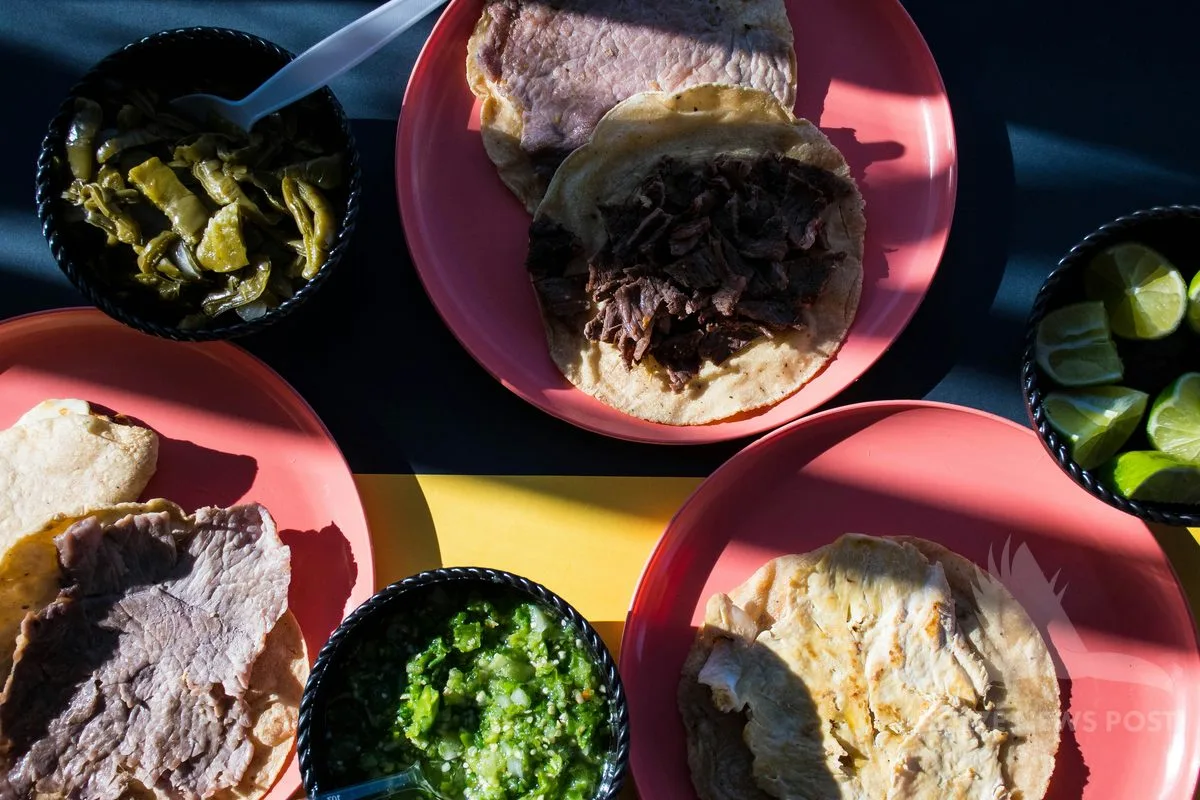
- Warm tortillas one at a time in a dry skillet over medium heat for about 30 seconds per side before serving. Serve immediately with pickled onion, refried black beans, warmed corn tortillas, sliced avocado, cilantro, and habanero salsa or chiltomate.
What to do when you can’t find naranja agria
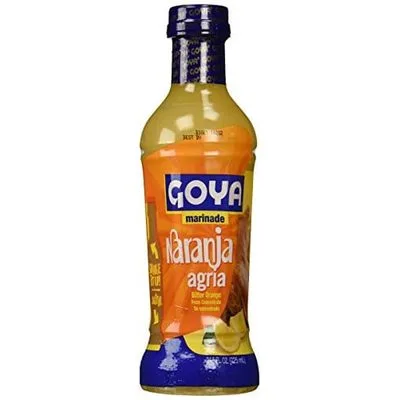
Naranja agria, also called bitter orange or Seville orange, is not always easy to find. In the United States it turns up at Latin American grocery stores, and Whole Foods sometimes carries it fresh during peak season (November through January). If you cannot find fresh fruit, bottled naranja agria works well in this recipe.
Two brands worth knowing: Badia Sour Orange Naranja Agria is widely available and works well as a straight marinade liquid. Goya Bitter Orange Naranja Agria is a pure juice concentrate, giving you more control over the seasoning.
If you want to make your own substitute from scratch: combine ¼ cup fresh orange juice, 2 tablespoons fresh lime juice, and 1 tablespoon white vinegar. This gets close. It lacks the specific bitterness of true naranja agria, but the texture and acidity work correctly.
One note on technique: charcoal produces a better result than gas or a pan, but not by enough to skip the dish if you only have a stovetop. A cast-iron pan at full heat gives you most of what you need, specifically the sear and the char at the edges. What you lose is the faint smoke, which is pleasant but not the point of poc chuc. The marinade is the point.
Leftover poc chuc keeps refrigerated for two days. Shred it and add it to black beans with epazote for a quick taco filling the next day.
Poc chuc is part of a broader Yucatec Maya cooking tradition that stretches across southern Mexico, Belize, and Guatemala. See the full Mayan Recipes collection for more dishes from this food corridor.
Shop This Recipe
Frequently Asked Questions
What is poc chuc made of?
Poc chuc is thinly sliced, pounded pork loin marinated in naranja agria (sour/bitter orange juice) with garlic, salt, and pepper, then grilled over high heat. It is served with pickled red onions (cebollas encurtidas), refried black beans, corn tortillas, avocado, and habanero salsa or chiltomate. The naranja agria marinade is what makes the dish. No other citrus produces the same result.
What does poc chuc mean in Maya?
Poc chuc comes from two Yucatec Maya words: poc, meaning to toast or roast over hot embers, and chuc, meaning charcoal. The name describes the cooking method: charcoal-grilled. The dish predates Spanish colonization in its technique, though the pork and sour orange came later.
Can I make poc chuc without naranja agria?
Yes. The most reliable substitute is ¼ cup fresh orange juice, 2 tablespoons fresh lime juice, and 1 tablespoon white vinegar per ½ cup of naranja agria called for. This approximates the acid and bitterness. Bottled naranja agria products from Goya and Badia are also widely available at Latin American grocery stores and online.
What do you serve with poc chuc?
Poc chuc is traditionally served with pickled red onion (cebollas encurtidas), refried black beans, corn tortillas, sliced avocado, and a habanero-based salsa called chiltomate. The pickled onion is not optional — the bright acidity and color balance the charred pork and the richness of the beans.
How is poc chuc different from cochinita pibil?
Both dishes come from the Yucatan Peninsula and use naranja agria, but the method is different. Cochinita pibil is slow-cooked pork wrapped in banana leaves and buried in a pit oven or baked low and slow for several hours. It produces shredded meat with deep red color from achiote paste. Poc chuc is fast: thin pork grilled over high heat in under five minutes. Cochinita pibil is a weekend project. Poc chuc is dinner tonight.
What does poc chuc taste like?
Poc chuc tastes tangy and slightly smoky, with the sour orange marinade giving the pork a bright, acidic edge that cuts through the char from the grill. It is not spicy on its own — the heat comes from the habanero salsa you serve alongside it. The flavor is clean and direct: acid, fire, pork, and a little garlic.
How authentic is poc chuc?
The version most people know was popularized by Los Almendros restaurant in Ticul, Yucatan, in the 1960s — making it a relatively recent restaurant dish. But the technique it draws on (pounding pork thin, marinating in naranja agria, grilling over charcoal) is genuinely old. Yucatec Maya and Mestizo home cooks in Belize and Mexico were doing variations of this long before any restaurant named it. The home-cook version is the more authentic one.
How do you pronounce poc chuc?
Poc chuc is pronounced “POKE CHOOK” — two short, hard syllables. The c at the end of poc and chuc both make a hard k sound in Yucatec Maya. In Belize, you will hear it said quickly as one word: “pokechook.”