Chulibuul is a pre-Hispanic Maya bean and corn soup from the Yucatan Peninsula. You grind the tender corn kernels and that is the thickener. No flour, no starch. Beans and ground corn together give a complete protein the old way, before meat was the center of every pot. Make this when the corn and beans are fresh and tender.
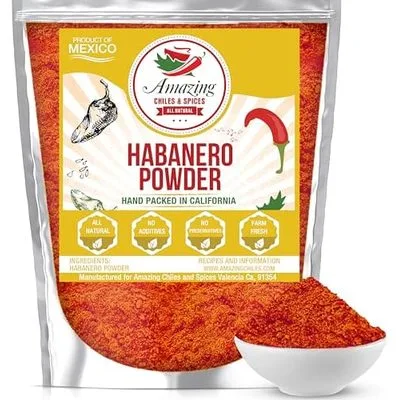
Whole dried habanero peppers; rehydrate them for sauces and marinades, or crush for instant heat and fruity flavor in cooking.
Editor’s Note: Sometimes Yucatecan Chulibuul is spelt Chulibul or Chulibull but don’t confuse it with the Asian dish “Chulbuli” which is a type of chutney.
Ingredients
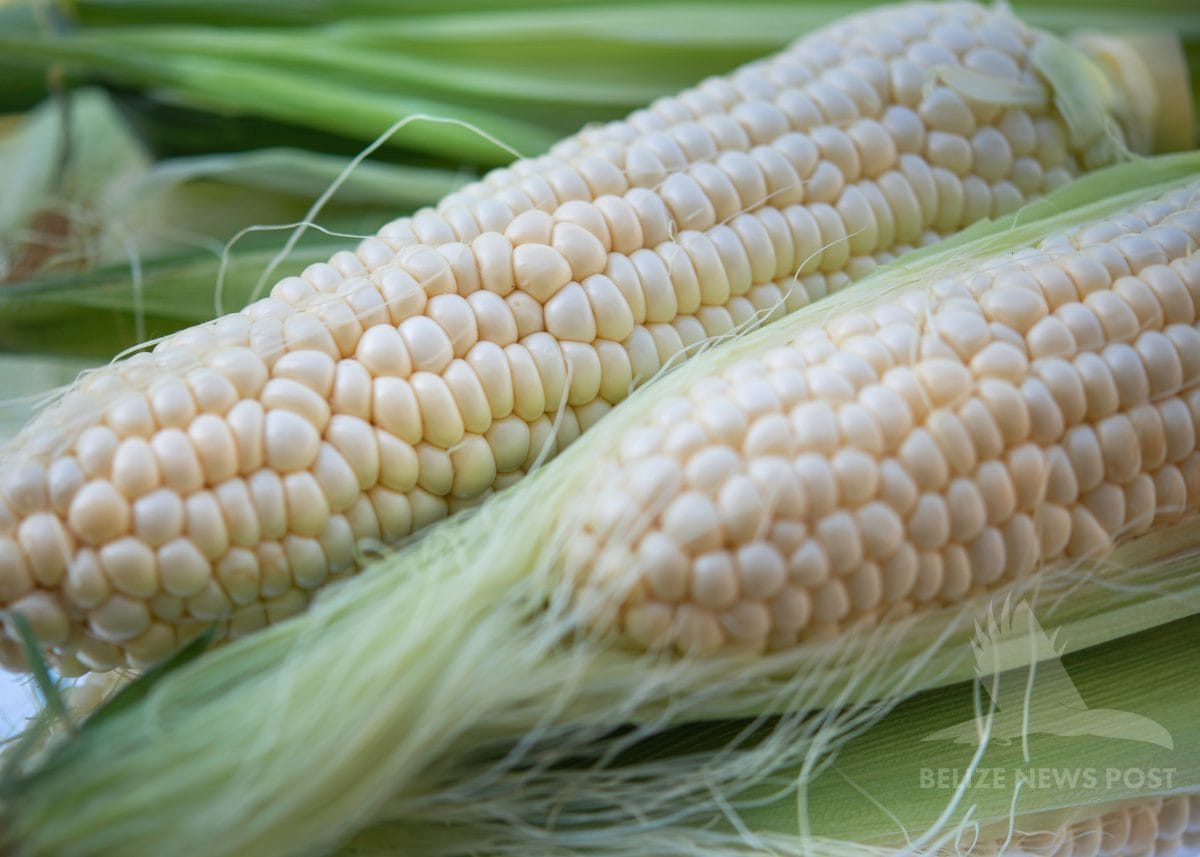
- 8 ears tender corn (elotes), kernels removed
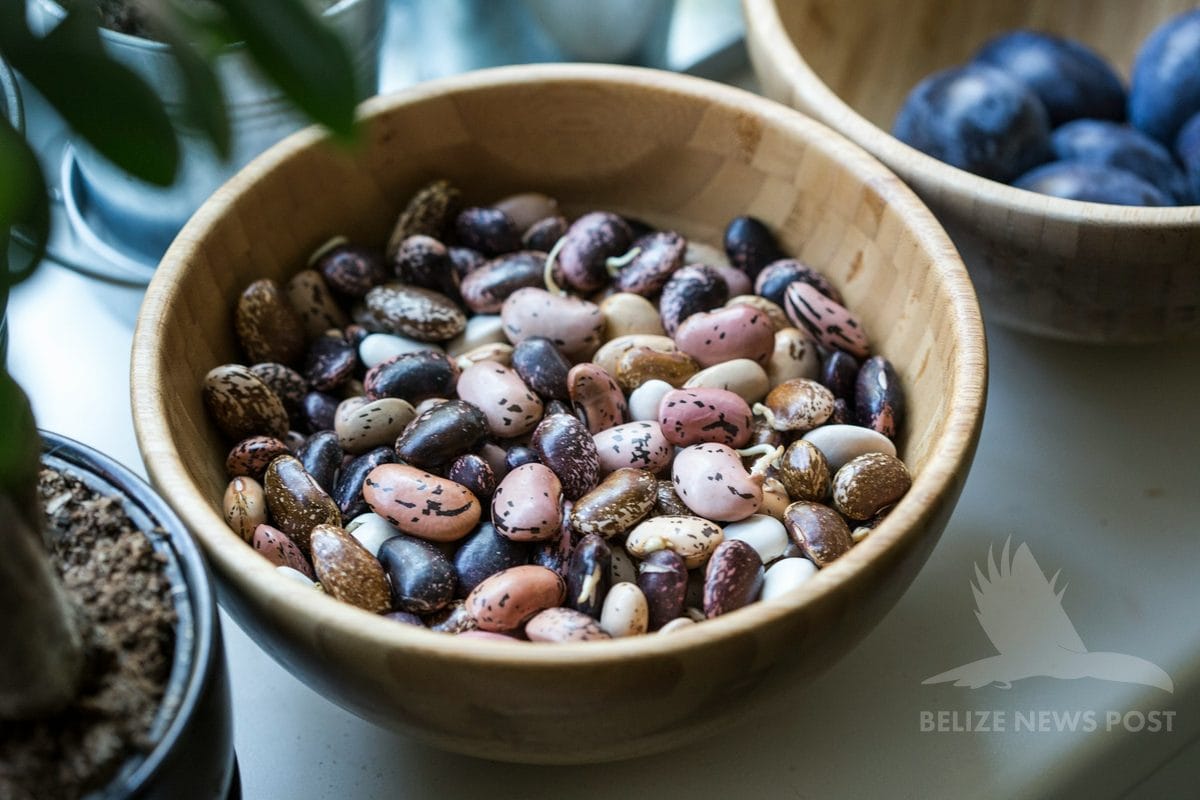
- 2 cups pelón beans, fresh-shelled (substitute black beans if pelón not available)
- 2 tablespoons pork lard
- 1 medium tomato, diced
- 1 small white onion, diced
- 1 whole habanero chile (do not cut it)
- 2 sprigs fresh epazote (or 1 tsp dried)
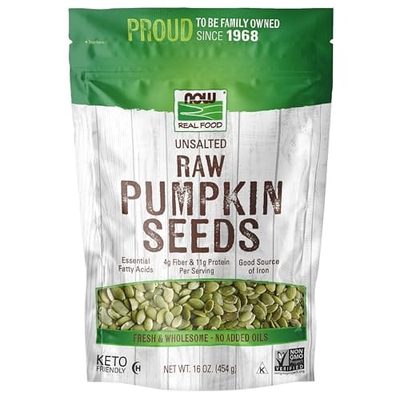
- 3 tablespoons pumpkin seeds (pepita/sikil), toasted and ground
- 1 teaspoon salt, more to taste
- Water as needed
Instructions
- Shell the beans if they are in the pod. Rinse them. Put them in a pot with water to cover by two inches. Add the epazote. Cook on medium until tender, about 30 minutes for fresh pelón beans, until they press soft between your fingers. Do not drain. The bean water stays in the soup.
- Remove the kernels from the corn. Put them in a blender and grind as fine as you can. The texture will not be perfectly smooth. That is correct. You will strain it through a sieve. A blender is fast and efficient but in many households a hand cranked mill would be used.
- Make the sofrito. Heat the lard in a wide pan on medium. Add the onion and cook until soft, about 5 minutes. Add the tomato. Stir and cook another 5 minutes. Put in the whole habanero. Do not break it. The aroma it gives is what you want, not the heat.
- Add the ground corn to the sofrito. Stir it in. Cook 3 to 4 minutes, stirring, so the raw taste goes away.
- Add the cooked beans with their liquid. Stir everything together. If it is very thick, add water a little at a time. It should be thick like a heavy porridge. Not thin.
- Stir in the ground pepita. Add salt. Put it on low and let it simmer 15 minutes so the flavors come together. Remove the whole habanero before you serve.
- Serve hot in deep bowls. That is how it is done.
A Harvest Dish That Travels Both Sides of the Border
Felipe Carrillo Puerto is in Quintana Roo. Maybe 60 miles from Corozal. I have been there many times. The food in that part of Quintana Roo and the food in northern Belize, it is the same food. Same corn. Same beans. Same way of putting them together. The border is a line. The food does not follow lines.
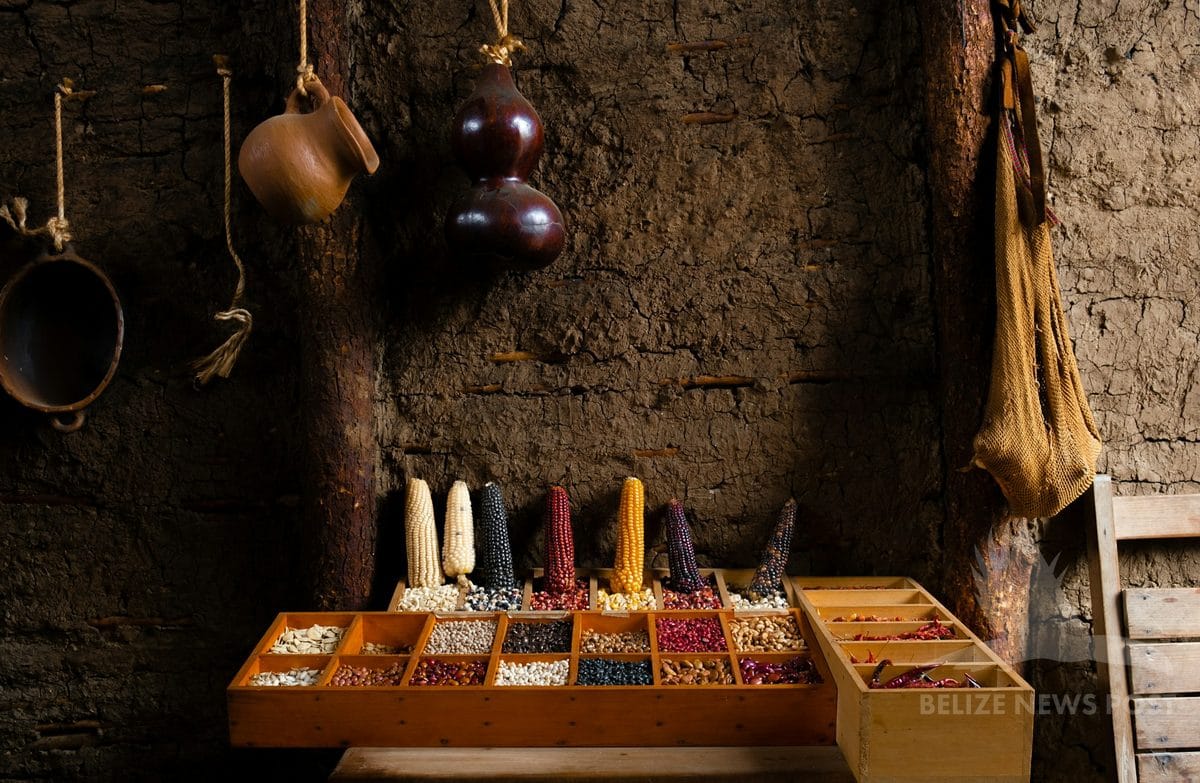
Chulibuul is what they make on the Yucatan Peninsula during the harvest. Quintana Roo, Yucatan state, Campeche. When the corn and beans come in fresh at the same time, you cook them together. That combination, corn and legumes, is a very old Maya way of making a full meal without needing meat. The ground corn thickens the soup because that is what corn does when you grind it and cook it. Is not complicated.
In northern Belize, the Maya people along the border know this dish. Not every household. The older ones. The ones with connection to that side. This is the sabor de rancho. The ranch flavor. It does not come from a restaurant and it does not need one.
Tips and Variations
The habanero rule. Keep it whole. If it breaks or you cut it, the heat goes into the soup and you cannot take it back. Remove it before serving. If it does break while cooking, take it out right away. If you like heat keep the pepper in the pot.
Fresh versus dried beans. Fresh pelón beans are the correct choice. Tender, they cook fast and give the right texture. If you only have dried, soak them overnight and cook until very soft before adding to the soup. Still good, just different.
The poblano version. Some cooks, particularly in Yucatan, swap the tomato sofrito for poblano chile diced and cooked in lard. It gives a different base flavor — earthier, less sweet. No tomato. This is valid and you see it done. Use it if you prefer or if tomato is not available.
Epazote or culantro. The traditional herb here is epazote, cooked with the beans from the start. It has a sharp, medicinal quality that pairs with Maya beans the way nothing else does. The other versions of this dish uses culantro (recao, not cilantro) instead. Culantro is broader-leafed, stronger, and more common in coastal Belize cooking. Both work. They are not the same flavor but they serve the same purpose in the pot — a deep herby note that holds up through the long simmer.
Fried tortilla topping. Some versions finish the bowl with fried corn tortilla strips on top. Cut tortillas into strips, fry in lard until golden and crisp, set aside, add at the table. It adds crunch and makes the dish more filling. This is a regional serving variation, not required.
Traditional topping. Toasted pumpkin seeds are the traditional topping. Sometimes a hard boiled egg is included as well.
Shop This Recipe
Frequently Asked Questions
What is chulibuul?
Chulibuul is a Maya bean and corn soup from the Yucatan Peninsula. Fresh tender corn kernels are ground and used as the thickener instead of flour or starch. It is a harvest-season dish made when corn and beans are fresh.
What is the difference between chulibuul and chulibull?
Same dish. Chulibull is an alternate spelling found in some sources. Chulibuul is the more common Yucatan Maya spelling. Both refer to the same bean and ground-corn soup.
Is chulibuul spicy?
No, not if you follow the recipe. The habanero goes in whole and is removed before serving. It gives the soup a floral aroma without releasing heat. If the habanero breaks while cooking, remove it immediately and the heat will still be mild.
What beans are used in chulibuul?
The traditional bean is pelón, a tender fresh-shelled bean common in Yucatan Peninsula cooking. Black-eyed peas or fresh lima beans are workable substitutes if pelón is not available.
Is chulibuul a Belizean dish?
It is from the Yucatan Peninsula, Quintana Roo, Yucatan state, and Campeche. It is known in northern Belize among Maya communities with connections across the border. Felipe Carrillo Puerto in Quintana Roo is about 60 miles from Corozal. This is the same food region.
Can you make chulibuul with dried corn instead of fresh?
Fresh tender corn is correct for this recipe. Dried corn does not grind the same way and will not give the right texture. Frozen corn kernels, thawed and patted dry, will work if fresh elotes are not available.