In Mérida, when November comes, you smell it before you see it. The smoke from the pib fires. Families that have not shared a kitchen all year are suddenly in one. That is what mukbipollo does.
You can make it any time. The tamal shops in Mérida sell it year-round. But most people first learn this dish because someone in the family is making it for the dead. For the ofrenda. For Hanal Pixan.
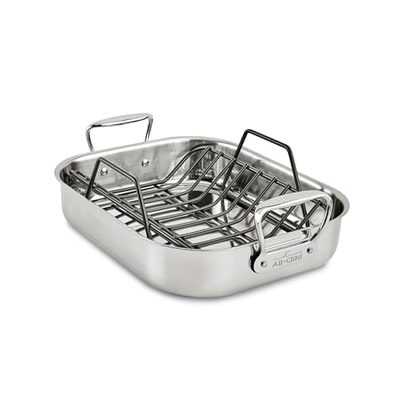
All-Clad Specialty Stainless Steel Roaster with Nonstick Rack 11×14 Inch Oven Broiler Safe 600F
Roasting a whole bird or a pork shoulder needs a heavy pan with a rack that lifts the meat off the rendered fat. An 11x14 with a nonstick rack handles anything big enough to fill a Sunday table.
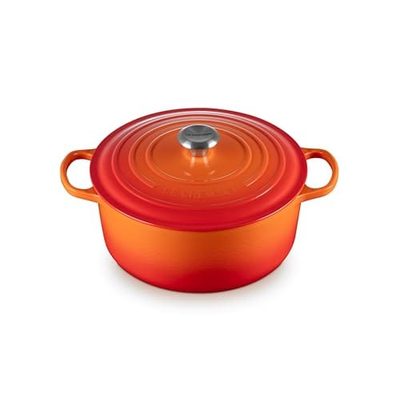
Cast iron dutch oven (Le Creuset)
Heavy cast iron Dutch oven with enamel coating - distributes heat evenly for long, low-temperature cooking and braising without losing liquid to evaporation.
What is mukbipollo?
Mukbipollo (also written pibipollo or mucbipollo) is a large Yucatan tamal. Not the small steamed kind. Big enough to feed a family from one package. Thick achiote masa around a filling of k’óol, a thickened meat broth with shredded chicken and pork. Wrapped in banana leaves and cooked in the pib.
The name is Yucatec Maya: mukbi means buried or cooked underground, pollo is chicken. Buried chicken. The dish is named for how you cook it.
The pib is a pit lined with stones and embers, covered with earth. Two to three hours. Then you dig it out.
At home, the oven does the same job. It is not the same. But close enough.
Mukbipollo vs. pibipollo
The same dish. Mukbipollo is the most common spelling in English. Pibipollo comes from pib, the underground oven. Some writers use mucbipollo. All the same thing.
Pib by itself sometimes refers to the method, sometimes to the dish. If someone in Yucatan says “ya viene el pib,” they mean the mukbipollo is coming.
Hanal Pixan
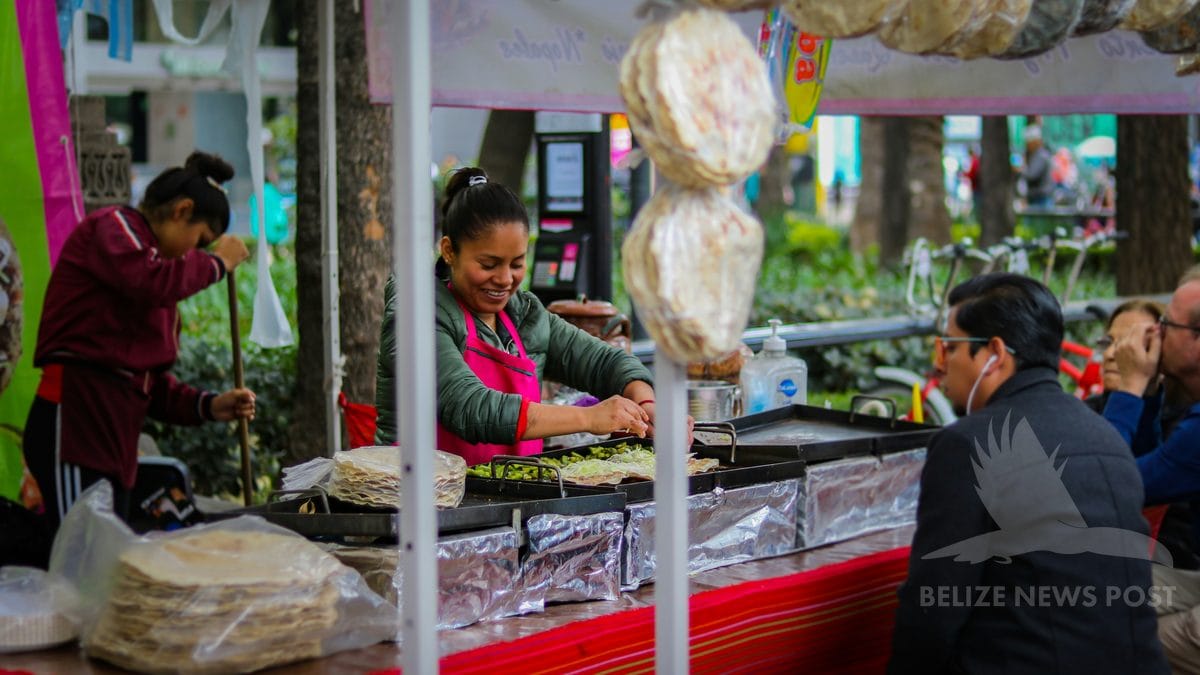
Hanal Pixan is the Yucatan Maya Day of the Dead. The name means “food of souls.” Observed November 1 and 2. Families build an altar, an ofrenda, with food and objects for the departed. Mukbipollo goes on the altar first. Then the family eats.
Is not a tradition you invent for yourself. You learn it from the people around you. Across the peninsula in November, the pibs are going.
The rest of the year you find mukbipollo in the tamal shops and markets. It does not belong only to the holiday. But that is where most people first learn it.
The three parts
The masa
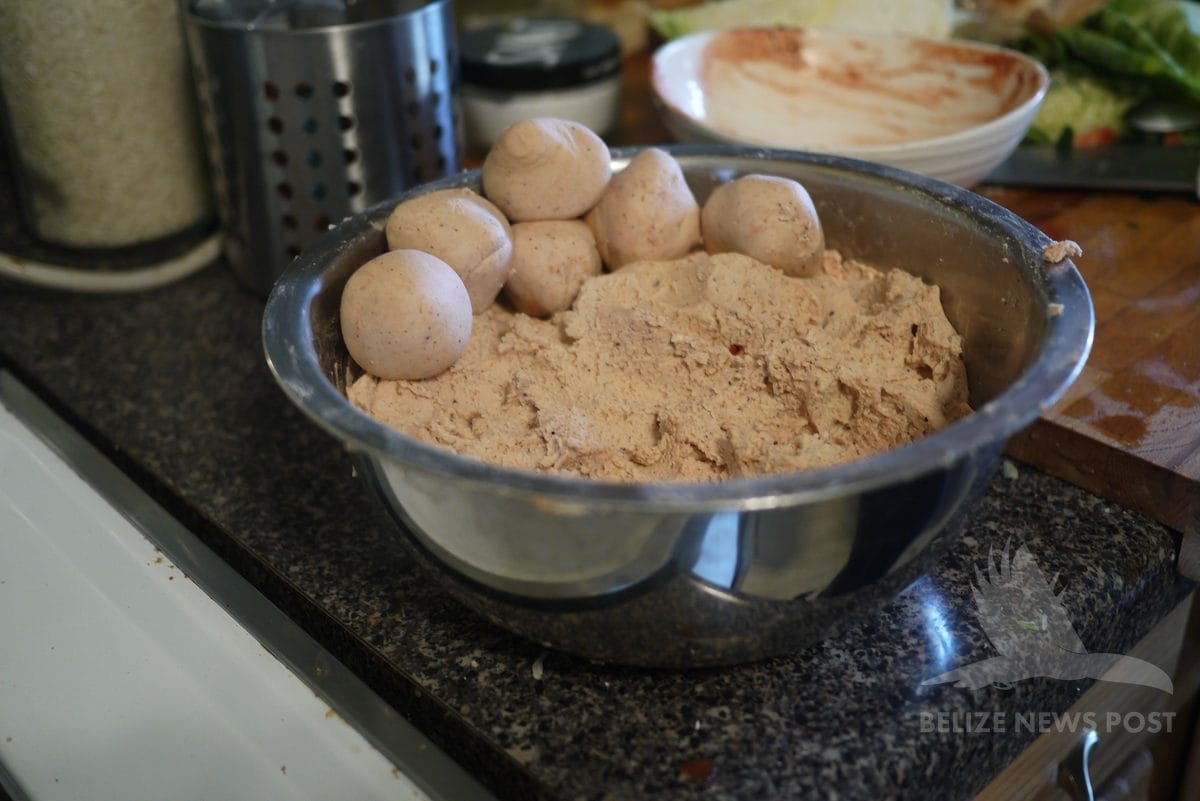
Achiote-colored corn masa, made thick. Richer than everyday tortilla masa. More lard. Meat broth instead of water. The achiote lard goes in separately and gives the masa its deep orange-red color.
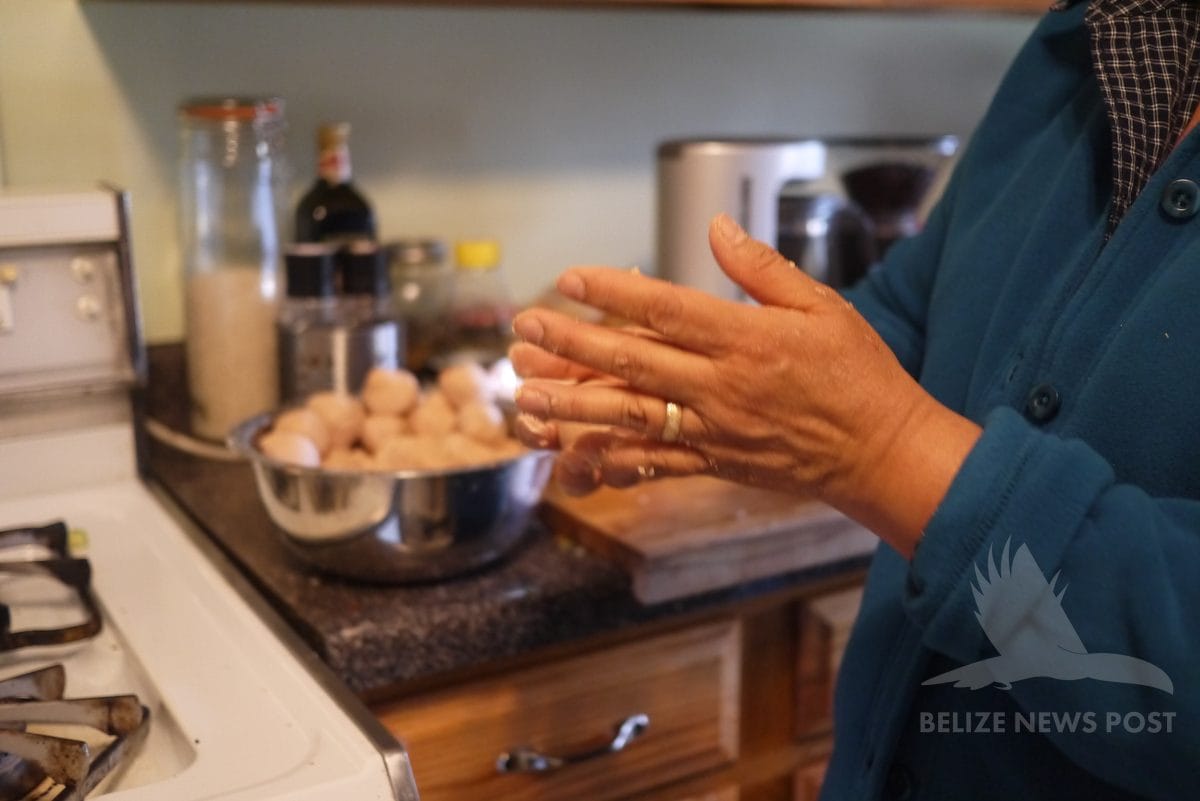
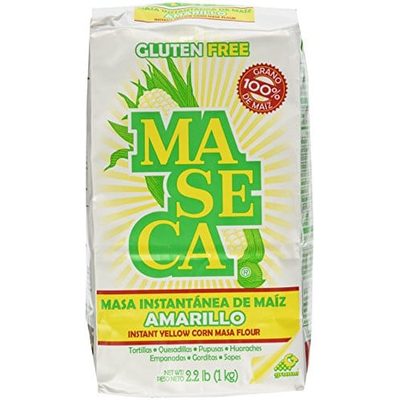
Fresh masa, if you can find it. Masa harina works well. Mix with warm chicken broth, not plain water. Work in the lard. Plain lard first, then the achiote lard. The dough should feel smooth. Press a piece between your palms. If it cracks at the edge, it needs more moisture. If it sticks to everything, too wet.
For the achiote lard: melt lard in a pan over medium heat, add achiote paste, stir until dissolved and the fat runs deep orange. Cool before working into the masa.
The k’óol
The filling.
K’óol is thickened meat broth. Cook your chicken and pork first, in water with garlic, onion, Mexican oregano, and a whole habanero. When the meat is tender, pull it out and shred it. The broth stays.
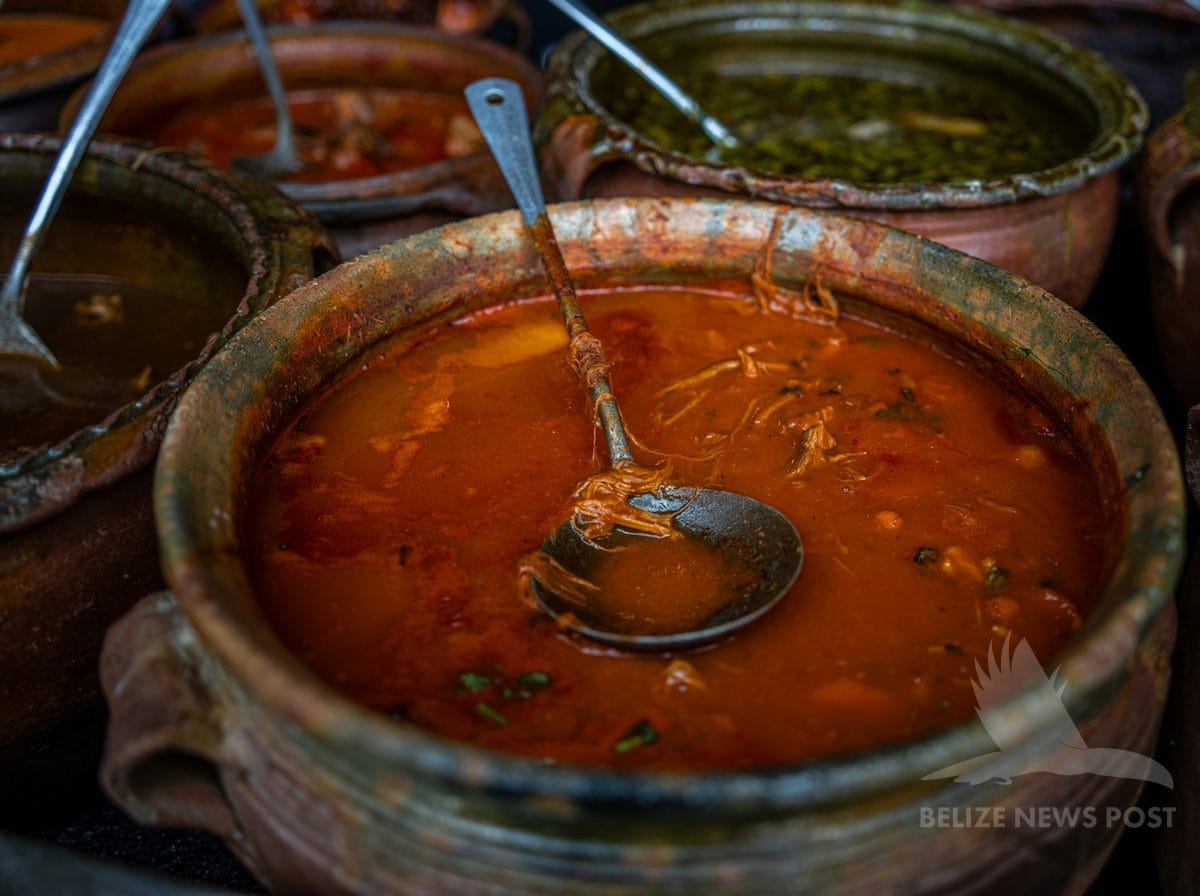
Dissolve masa harina in cold water to make a slurry. Whisk it into the warm broth over medium heat, stir until it thickens. Add achiote paste, salt, dried epazote, and the shredded meat. The k’óol should be thick enough that a spoon leaves a clear trail.
This is what goes inside. Not dry shredded meat. A thick filling that keeps everything moist through the long bake.
The banana leaves
Frozen banana leaves work well. Thaw them, wipe clean, and pass each leaf over an open flame or a hot comal until it softens and turns bright green. A stiff leaf cracks when you fold it. A soft leaf wraps cleanly.
Two layers. The inner leaf holds the tamal. The outer is insulation. Tie with strips torn from the leaf ribs, or kitchen twine.
How to assemble
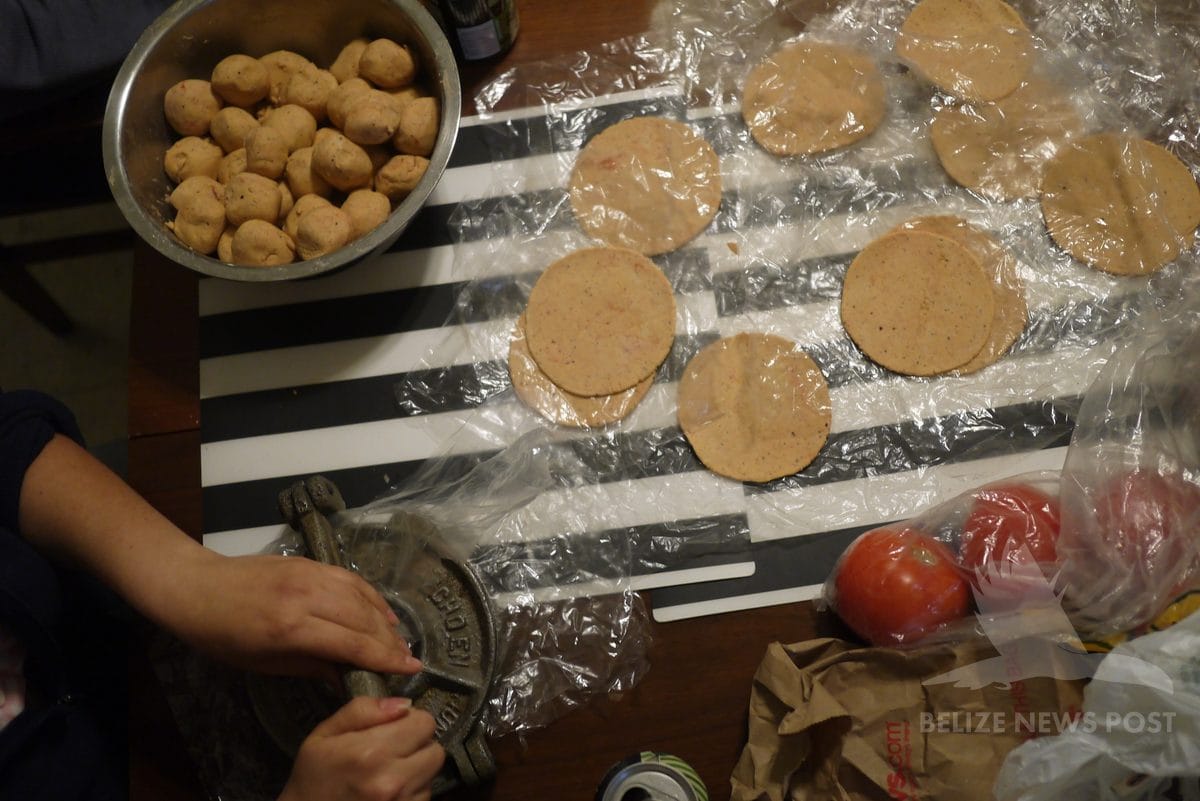
- Lay a large banana leaf on a flat surface, shiny side up.
- Press a thick disc of masa onto the center. About 1.5 to 2 cm thick. Leave a 5 cm border all around.
- Spoon k’óol and shredded meat over the masa. Leave the border clear.
- Press a second masa disc and lay it over the filling. Press the edges of top and bottom masa together to seal.
- Fold the banana leaf over the top, then fold in the sides. Wrap the outer banana leaf around the whole package in the opposite direction. Tie firmly.
The finished package should feel solid. If it moves around inside the leaf, the seal is not right.
Cooking — pib and home oven
Pib, the traditional method: a pit dug in the earth, lined with stones, a fire built inside until the stones hold deep heat. Embers raked out, mukbipollo goes in, more hot stones on top, covered with earth. Two to three hours.
Home oven: preheat to 180°C / 350°F. Wrapped mukbipollo into a roasting pan, about 1 cm of water in the pan. Cover tightly with foil. Bake 2 to 2.5 hours. The banana leaf should be dark and fragrant when done.
The oven is not the pib. The flavor is different. But the banana leaves still do their work, and the k’óol keeps the masa from drying out.
How to serve
Let it rest 10 to 15 minutes. The masa sets as it cools.
Unwrap at the table. Cut into wedges. The masa will be firm. The k’óol inside stays soft.
Some people add a spoonful of extra k’óol on top, warmed through. Pickled red onion on the side. A cold Belikin if you have one.
Mukbipollo recipe
Author: Fili Post
Prep time: 45 minutes
Cook time: 3 hours (including meat)
Total time: 3 hours 45 minutes
Yield: 8 to 10 servings
Cuisine: Yucatan Peninsula / Maya
Category: Maya Recipes
Ingredients
For the meat and broth:
- 1 whole chicken (about 1.5 kg), cut into pieces
- 500g pork shoulder, cut into large pieces
- 2 liters water
- 1 head garlic, halved
- 1/2 white onion
- 1 tablespoon Mexican oregano
- 1 whole habanero
- 1 sprig fresh epazote (or 1 teaspoon dried epazote)
- Salt to taste
For the achiote lard:
- 100g lard
- 2 tablespoons achiote paste
For the masa:
- 500g masa harina
- 100g lard, softened
- All of the prepared achiote lard (above)
- 2 to 2.5 cups warm meat broth (from cooking the meat)
- 1 teaspoon salt
- 1 teaspoon baking powder (optional — lightens the texture slightly)
For the k’óol:
- 4 cups reserved meat broth
- 3 tablespoons masa harina dissolved in 1/2 cup cold water
- 2 tablespoons achiote paste
- 1 tablespoon Mexican oregano
- Salt to taste
- All the shredded cooked chicken and pork (from above)
For wrapping:
- 4 to 6 large banana leaves, thawed and softened over flame
Instructions
Cook the meat:
- Combine chicken, pork, water, garlic, onion, oregano, habanero, and epazote in a large pot. Bring to a boil, skim the foam, then reduce to a low simmer. Cook until the meat is completely tender and pulls apart easily, about 1 to 1.5 hours.
- Remove the meat and let it cool enough to handle. Shred by hand into large pieces. Remove and discard the whole habanero. Reserve all the broth.
Make the achiote lard:
- In a small pan over medium heat, melt the 100g of lard. Add achiote paste and stir until fully dissolved and the lard is deep orange. Remove from heat and let cool to room temperature.
Make the masa:
- Combine masa harina, plain softened lard, salt, and baking powder (if using) in a large bowl. Mix with your hands.
- Add warm broth a little at a time, mixing and kneading until the dough is smooth and pliable. It should feel like soft clay and not crack at the edges when pressed flat.
- Add the cooled achiote lard and knead it in until the color is uniform throughout. The masa will turn a deep red-orange. Set aside.
Make the k’óol:
- Bring 4 cups of reserved broth to a simmer in a heavy pot or cast iron dutch oven. Whisk in the achiote paste until dissolved.
- Pour in the masa harina slurry slowly, whisking constantly. Add Mexican oregano. Keep stirring over medium heat until the broth thickens enough to coat the back of a spoon, about 8 to 10 minutes.
- Add the shredded meat back in. Season with salt. The k’óol should be thick enough that a spoon leaves a clear trail. Remove from heat.
Prepare the banana leaves:
- Pass each banana leaf section over an open gas flame or a hot comal, moving quickly. The leaf will soften and turn bright green in seconds. Do not scorch it. Wipe clean with a damp cloth. Cut into sections roughly 50 x 50 cm.
Assemble:
- Lay a large banana leaf section shiny side up on your work surface. Divide the masa into two equal portions (top and bottom).
- Place half the masa in the center of the leaf. With wet hands or a piece of plastic wrap, press it into an even disc, about 1.5 cm thick, 30 to 35 cm wide. Leave a 5 cm border all around.
- Spoon the k’óol and shredded meat over the masa base. Do not overfill. Leave the border clear.
- Press the remaining masa into a matching disc on a separate piece of plastic wrap. Lift it onto the filling layer and press the edges of top and bottom masa together to seal.
- Fold the banana leaf up and over the tamal. Fold in the sides. Wrap a second banana leaf section in the opposite direction around the whole package. Tie firmly with leaf strips or kitchen twine.
Cook:
- Preheat oven to 180°C / 350°F.
- Place the wrapped mukbipollo in a roasting pan. Add 1 cm of water to the pan. Cover tightly with foil.
- Bake for 2 to 2.5 hours. The banana leaves should be dark and fragrant. Remove the foil for the last 15 minutes.
- Let rest 10 to 15 minutes before unwrapping. Cut into wedges and serve.
Variations
Chicken only: Skip the pork and increase the chicken. Adjust broth accordingly.
Smaller individual portions: Divide the masa and k’óol into 4 to 6 individual tamales instead of one large disc. Reduce cook time to 1 hour 15 minutes.
Chaya in the masa: Blanch a few chaya leaves, chop fine, and work into the masa before assembling. Adds a faint green color and earthy flavor, traditional in some households.
Pork only: Some versions skip the chicken entirely and use pork shoulder and pork ribs.
Nutrition (per serving, estimated, based on 10 servings)
| Calories | Fat | Carbs | Protein | Sodium |
|---|---|---|---|---|
| 430 kcal | 22g | 38g | 26g | 540mg |
Estimates based on standard ingredient labels. Calculated with chicken and pork filling.
Notes
- Broth is everything. Make the broth well-seasoned from the start. That flavor carries through to both the masa and the k’óol.
- The masa is ready when it floats. Drop a small ball into a glass of water. If it floats, there is enough lard in the dough. If it sinks, knead in a little more lard.
- Banana leaves need two layers. One layer is not enough insulation. The outer layer protects the moisture through the long bake.
- Achiote paste varies by brand. El Yucateco is the standard on the peninsula. Taste the k’óol before sealing the tamal and adjust the achiote level.
- Leftover mukbipollo reheats well. Slice and pan-fry in a little lard until the outer masa crisps. It is good this way.
About the dish
Mukbipollo is Yucatan Peninsula food. You find it across Yucatan, Campeche, and Quintana Roo in Mexico, and into the northern parts of Belize and Guatemala where the same food tradition continues. In November, for Hanal Pixan, it is on the ofrendas and on the table. The rest of the year it is in the markets.
The pib is the original method. The name of the dish comes from it. When you make this in a home oven you are making the same dish with a different heat source. Close enough.
More Maya recipes from this corridor.
The book The Night the Moon Fell is a Maya myth retelling, worth reading alongside these recipes if you want the stories behind the food.
FAQ
What is mukbipollo?
Mukbipollo is a large Yucatan tamal. Thick achiote corn masa around a filling called k’óol, a thickened meat broth with shredded chicken and pork. Wrapped in banana leaves and cooked in a pib, an underground pit oven. The name is Yucatec Maya: mukbi (buried) + pollo (chicken).
What is the difference between mukbipollo and pibipollo?
The same dish. Pibipollo takes its name from pib, the underground oven. Mukbipollo is the more common spelling in English. You will see both, and sometimes mucbipollo, across the peninsula.
What is k’óol?
K’óol is thickened meat broth. Chicken and pork cook together, then the broth gets whisked with a masa harina slurry over heat until it thickens. Achiote paste, Mexican oregano, the shredded meat go back in. That is the filling inside the tamal.
What is Hanal Pixan?
The Yucatan Maya Day of the Dead. Hanal Pixan means “food of souls.” November 1 and 2. Families build an ofrenda with food and objects for the departed. Mukbipollo is what you make for it.
Can you make mukbipollo without a pib?
Yes. Oven at 180°C / 350°F, a pan of water underneath, the tamal covered tightly in foil. Two to two and a half hours. The banana leaves hold the steam, and the k’óol keeps the masa moist. Not the pib. But it works.
What do you use if you cannot find fresh banana leaves?
Frozen banana leaves. Available at most Asian and Latin markets, or online. Thaw fully, wipe clean, soften over an open flame before wrapping. Foil alone is not a substitute. The banana leaf changes the flavor of the masa as it cooks.
Can you make mukbipollo ahead of time?
Yes. Assemble and refrigerate the wrapped, uncooked mukbipollo up to a day ahead. Bake from cold, adding 15 to 20 minutes to the cook time.
Shop This Recipe
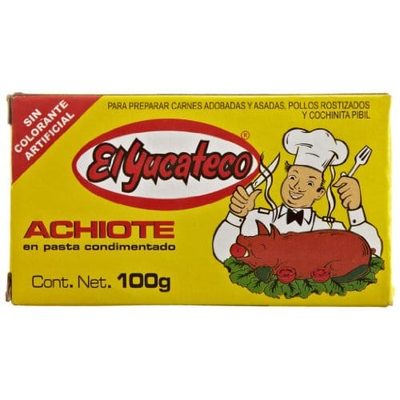
Ready-made achiote paste for poc chuc, chocolomo, and pibil when there is no time to grind and bind recado rojo from whole seed.