Short answer: Copán is the great Maya city of western Honduras, famous for its carved stelae and the Hieroglyphic Stairway, the longest Maya inscription anywhere. You visit from the easygoing town of Copán Ruinas, a short ride from the archaeological park, and it pairs naturally with a trip through Guatemala since the border is close. Give the ruins a half to a full day, then the town’s coffee, hot springs, and the Macaw Mountain bird park fill out a second. Check the current entrance fee at the gate; bring cash.
Copán is the eastern edge of the Maya world, the same civilization whose cities run through Belize and Guatemala, and its descendants, the Ch’ortí Maya, still live in these hills. For a traveler it is one of the most rewarding Maya sites precisely because it is about the carving: the stone here was worked like nowhere else.
The town and the site
Keep two names straight: Copán Ruinas is the town, a walkable cobblestone place with hotels and restaurants; Copán is the archaeological park, about a kilometer away, an easy walk or quick tuk-tuk. Most people base in the town and visit the ruins in the morning when it is cool.
Getting there
Copán sits in far western Honduras, close to the Guatemalan border, which is why many travelers reach it on a Guatemala trip rather than from the Honduran coast. Shared shuttles run from Antigua and Guatemala City, and from Río Dulce; within Honduras, buses come from San Pedro Sula, the nearest big airport. If you are already crossing the Maya world by road, Copán slots in between Guatemala and the rest of Honduras.
What to see at the ruins
- The Hieroglyphic Stairway, a flight of steps carved with the longest known Maya inscription, the headline of Copán.
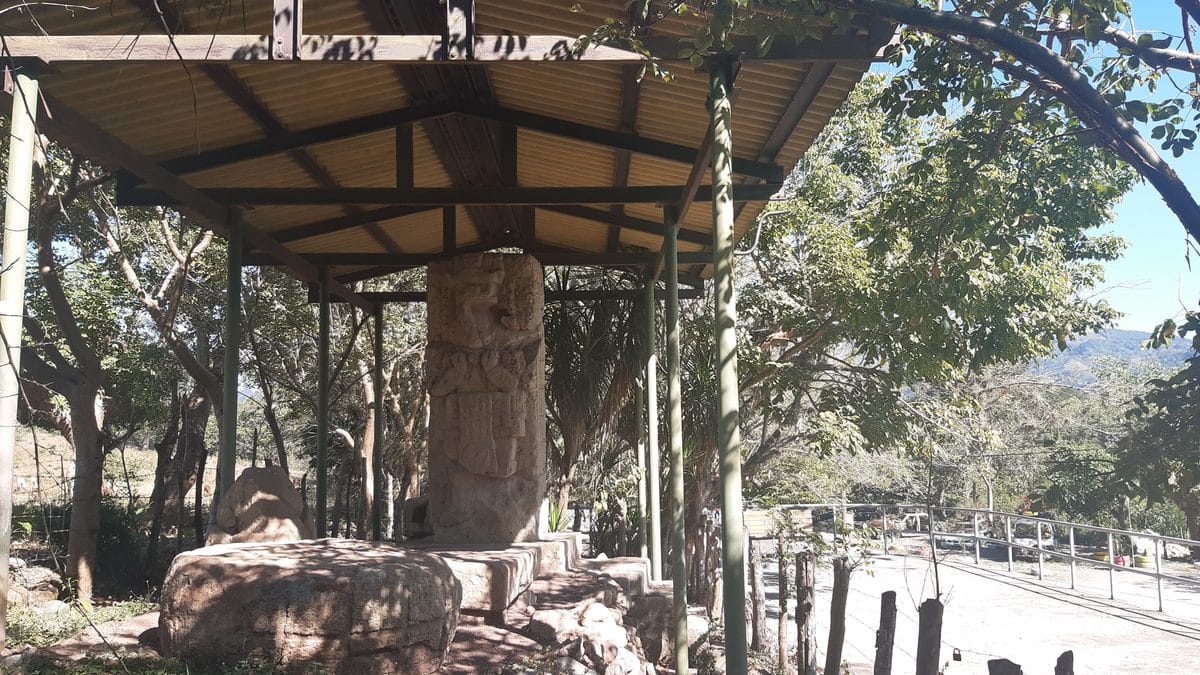
- The Great Plaza and its stelae, tall portrait stones of Copán’s kings, carved in the deep, almost three-dimensional style the city is known for.
- The ball court, one of the most beautiful in the Maya world.
- Las Sepulturas, a residential area a short way off, and the tunnels dug under the acropolis (a separate ticket) for those who want to go deeper.
- The on-site sculpture museum, with the full-color replica of the Rosalila temple.
A guide is worth it here more than at most sites, because Copán is a city of writing and portraiture; without someone to read the stones, you miss half of it.
Beyond the ruins
Copán Ruinas is coffee country, and tours of the surrounding fincas are a highlight. Macaw Mountain is a bird rescue park where you meet the scarlet macaws that were sacred to the Maya and are the symbol of Copán. There are hot springs in the hills outside town for the end of a long day. Two nights lets you do the ruins, a coffee farm, and the birds without rushing.
Copán is part of the wider region in the Maya World guide; for the food, see the Honduran food guide.
Frequently asked questions
What is Copán famous for?
Its carving: the Hieroglyphic Stairway (the longest Maya inscription) and the deeply sculpted stelae of its kings. Copán was one of the great Classic Maya cities and is a UNESCO World Heritage site.
How do you get to Copán?
By shuttle or bus from Antigua, Guatemala City, or Río Dulce in Guatemala, or from San Pedro Sula in Honduras. The site is a short walk or tuk-tuk from Copán Ruinas town.
Is Copán worth visiting?
Yes, especially if you care about Maya art and writing. The carving at Copán is unmatched, and the relaxed town, coffee farms, and macaw park make it a comfortable two-day stop.
How long do you need at Copán?
A half to a full day for the ruins; two nights in town if you also want a coffee tour, Macaw Mountain, and the hot springs.
Is Copán safe?
Copán Ruinas is one of Honduras’s calmest tourist towns and is generally considered safe for visitors. Travel with the usual care, and check your government’s current advisory before you go.
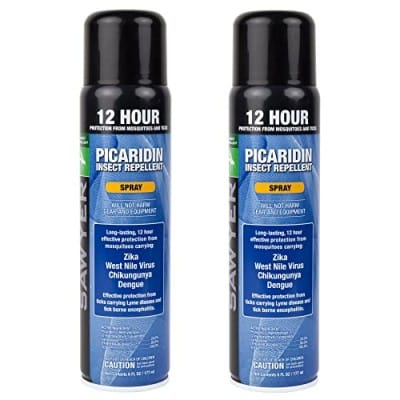
Sawyer 20% Picaridin Insect Repellent Spray, 6 oz (2-Pack)
Picaridin works on mosquitoes, sand flies, and botlass flies without melting plastics like DEET — the jungle standard.