Short answer: Fiambre is Guatemala’s great All Saints’ Day dish, a giant cold composed salad eaten once a year, on November 1st, to honor the dead. It piles together dozens of ingredients (often fifty or more): pickled vegetables, cured meats and sausages, cheeses, sometimes shrimp or sardines, all marinated overnight in a tangy vinegar brine called caldillo. The dish is unique to Guatemala and exists nowhere else in the world in this form. There is a red version (fiambre rojo, with beets) and a white one (fiambre blanco, without).
It is less a recipe than a tradition you build. Every family has its own roster of ingredients and its own caldillo, passed down and argued over. What stays constant is the shape of it: a mountain of small, sharp, pickled and cured things, married overnight in vinegar, served cold on a lettuce-lined platter.
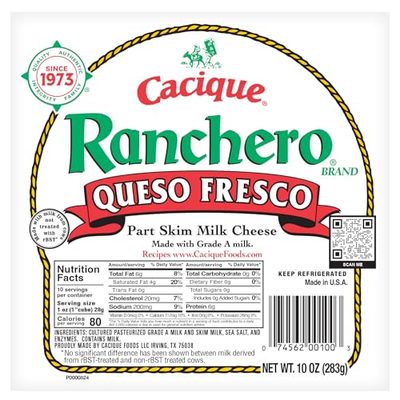
Cacique Queso Fresco Ranchero, 10 oz
A fresh crumbling queso fresco in 10 oz size, ready to sprinkle on cooked dishes or incorporate into recipes without shredding.
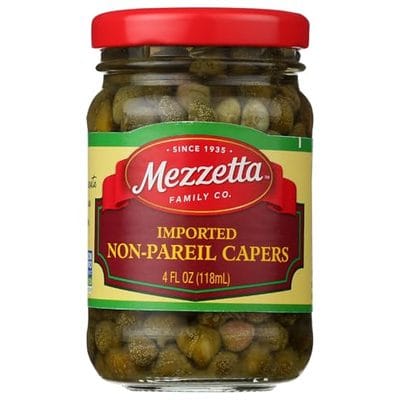
The smallest caper grade, and the one queso relleno picadillo calls for. Bigger capers turn to mush in the filling; non-pareils keep their brine-sharp bite against the raisins.
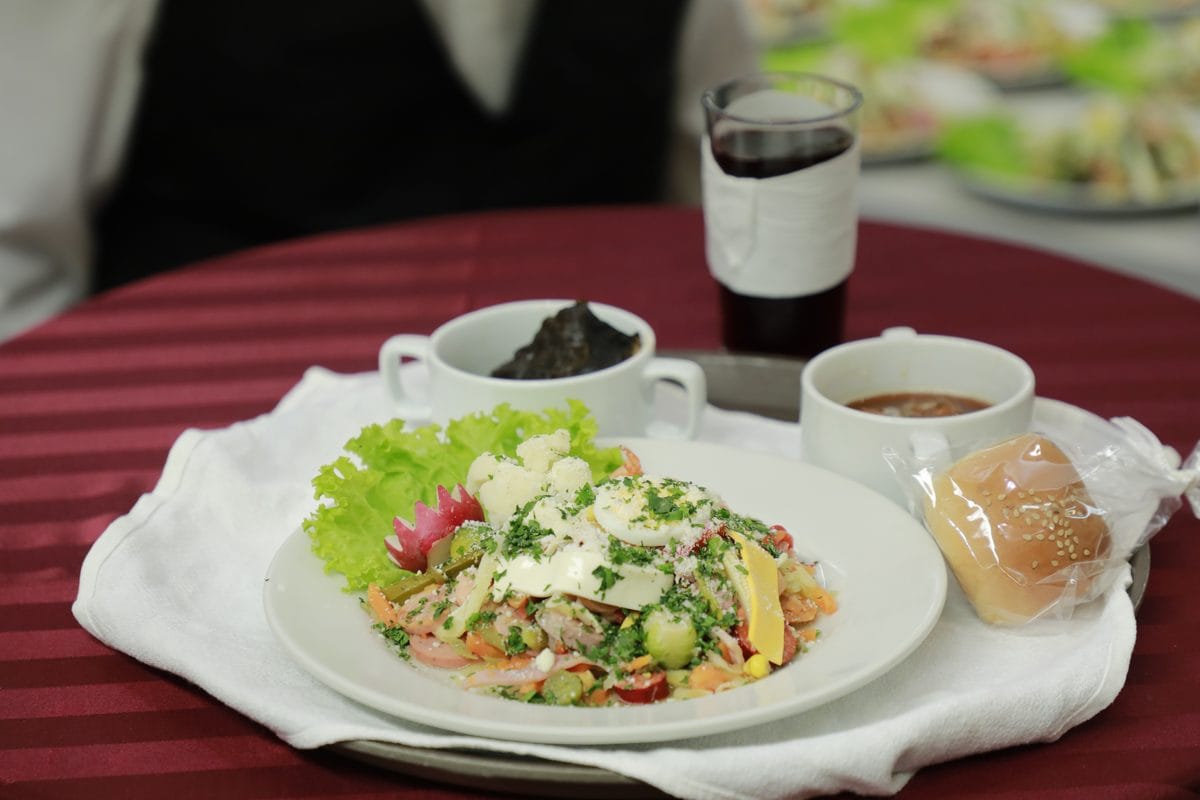
What is fiambre?
Fiambre is a Guatemalan cold composed salad made only for Día de Todos los Santos (All Saints’ Day) on November 1st. It combines fifty or more ingredients: pickled vegetables, cured meats, sausages, cheeses, and in coastal households shrimp and sardines, all marinated together overnight in a vinegar-based brine called caldillo. The dish is unique to Guatemala and is prepared one to two days in advance so the flavors fully merge before it is served cold.
How fiambre came to be
The origin story that Guatemalan food historians repeat goes like this: families would carry their deceased relatives’ favourite foods to the cemetery on All Saints’ Day to share a meal with the dead. The dishes from different families ended up on the same tables, mingling together. Over generations, that act of communal intermingling became the dish itself. Fiambre is, in the most literal sense, a salad assembled from many households’ contributions, cold because it was made ahead, pickled because it needed to hold.
It is a mestizo, colonial-era dish, not a Maya one. The vinegar-pickling tradition, the cured European sausages, the olives and capers are all post-conquest arrivals. But the occasion, the cemetery, the collective table for the dead, that is something older. The dish fuses both layers without resolving them, which is part of why it still moves people.
The building blocks
- Pickled vegetables (the base): cauliflower, carrots, green beans, peas, baby corn, beets (for fiambre rojo), brussels sprouts, and pacaya (palm flower).
- Cured meats and sausages: ham (jamón), salami, salchichón, chorizo, longaniza, butifarra; cooked chicken or pork is common too. Coastal families add shrimp or sardines.
- Cheeses: queso seco (the aged, dry, crumbled variety) and queso fresco.
- The caldillo (the brine that does everything): red wine vinegar, olive oil, Dijon mustard, capers, and herbs and spices. This is mixed first, one day ahead, before anything else goes in. The whole fiambre sits in it overnight.
- Garnish: lettuce, radish, hard-boiled egg, olives, and sliced cheese.
How to build it
The caldillo is not an afterthought. It is the technique. Everything else is just what you put into it.
- Make the caldillo first, at least a day ahead. Whisk together red wine vinegar, olive oil, Dijon mustard, capers, salt, and whatever herbs your family uses. Taste it. It should be sharp but not harsh. This is the marinade the entire salad will sleep in.
- Cook and pickle the vegetables. Blanch the vegetables until just tender. Add the beets last and separately if making fiambre rojo, since they dye everything around them. Steep the vegetables in the caldillo.
- Prepare the meats and cheeses. Slice or dice the cured meats, sausages, and cheeses into bite-size pieces. If using shrimp, cook them through and let them cool completely.
- Combine everything and marinate overnight. Bring together the pickled vegetables and the meats in a large container, dress generously with the remaining caldillo, and refrigerate overnight (or up to two days). The longer it sits, the more unified the flavor becomes.
- Assemble to serve. Mound the fiambre on a lettuce-lined platter and finish with hard-boiled egg, radish, olives, and slices of queso seco.
Tips
- Start two days out, not one. The overnight minimum is non-negotiable. Two nights is better. This is not a dish you assemble the morning of.
- Balance the caldillo before it goes in. Taste it for sharpness and salt while it is still just liquid. Correcting it after fifty ingredients are swimming in it is much harder.
- There is no fixed list. Use what you can find and what your family expects. The spirit of fiambre is abundance and variety, not a single correct roster of ingredients.
More of the country’s table is in the Guatemalan food guide, and the wider region is in the Maya World guide.
Frequently asked questions
What is fiambre?
A Guatemalan cold composed salad of pickled vegetables, cured meats, sausages, and cheeses marinated overnight in a vinegar caldillo, eaten on All Saints’ Day. It typically has fifty or more ingredients and is unique to Guatemala.
When is fiambre eaten?
Only on November 1st, Día de Todos los Santos (All Saints’ Day), when Guatemalan families prepare it to share at home and at the cemetery in memory of the dead. It is not made at any other time of year.
What is the difference between fiambre rojo and blanco?
Fiambre rojo includes beets, which turn the entire dish pink-red. Fiambre blanco is made without beets and stays pale. There is also a fiambre verde (vegetarian, no meat) and a fiambre desarmado (deconstructed: each ingredient served separately on the platter rather than tossed together).
Why is fiambre made ahead?
The entire salad must marinate in the caldillo brine overnight, minimum, so the flavors of fifty-plus ingredients merge into something unified. Most Guatemalan families prepare it one to two days before November 1st and serve it cold.
Is fiambre unique to Guatemala?
Yes. While many cultures have cold-cut salads, this particular All Saints’ Day dish, with its fifty-plus ingredient roster, its caldillo brine, and its cemetery tradition, is uniquely Guatemalan. No equivalent exists in Belize, Mexico, or Honduras at this scale or format.
What is caldillo?
Caldillo is the vinegar-based brine and dressing at the heart of fiambre. It is made from red wine vinegar, olive oil, mustard, capers, and herbs. It is prepared a day ahead and the entire fiambre marinates in it overnight. Without the caldillo, you just have a pile of cold cuts; the caldillo is what makes it fiambre.