Short answer: Dzic de venado (also written tsic or tsik) is a Yucatec Maya dish of finely shredded venison dressed cold with sour orange, radish, onion, and cilantro, and eaten on crisp tostadas with strained black beans and habanero salsa. It is one of the oldest dishes of the Yucatán, from a time when deer was a staple of the Maya table, and it is still made today, traditionally on Thursdays. When deer is not on hand, cooks make the same dish with beef.
The flavor is clean and bright rather than rich: the meat is cooked plain, then shredded fine and brought to life with the tartness of naranja agria (sour orange), the bite of radish, and the heat of habanero. It is closer to a meat salad than a stew, and it shows the Yucatec Maya love of citrus and chile that runs through the whole regional kitchen.
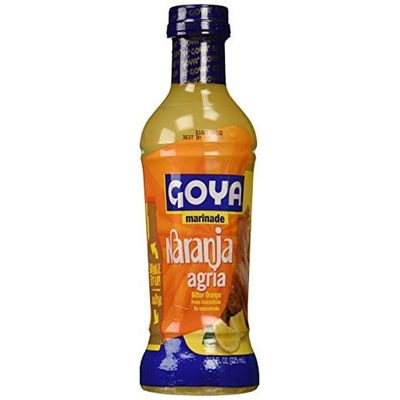
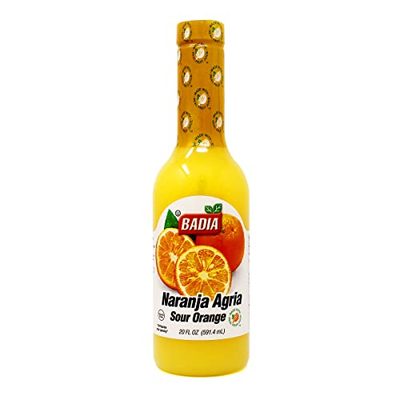
Badia Orange Bitter Naranja Agria
Naranja agria is what makes pibil taste like pibil, and it does not grow in most of the country. Bottled bitter orange is the substitution that keeps the marinade honest when the fruit is nowhere in the store.
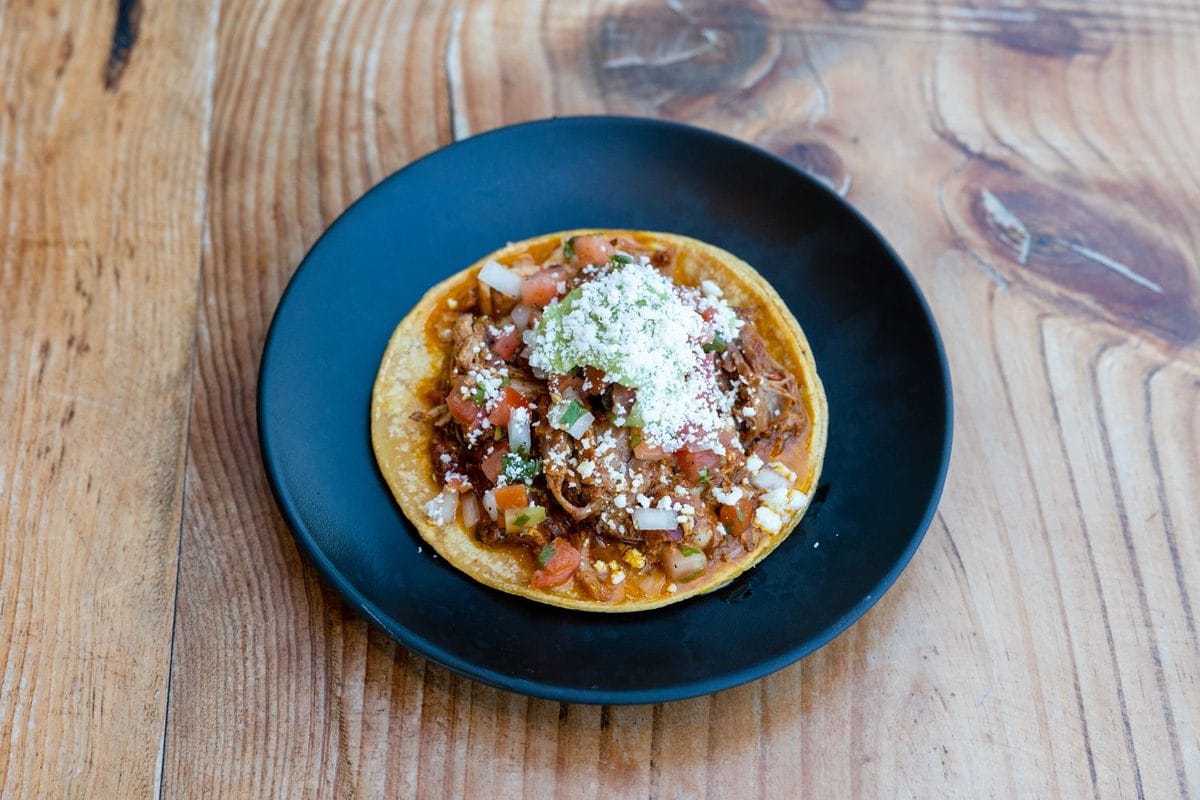
What is dzic de venado?
Dzic de venado is a traditional Yucatec Maya preparation of shredded venison seasoned cold with sour orange juice, radish, onion, and cilantro, served on tostadas with black beans and habanero. The Maya word dzic refers to the shredding of the meat. It is an ancient dish, tied to deer hunting, and is still cooked across the Yucatán, often made with beef when venison is unavailable.
Ingredients
- 2 lb venison (or beef brisket or flank as a substitute)
- 1 onion, 2 cloves garlic, 1 bay leaf, and salt, for cooking
- 1 bunch radishes, finely chopped
- 1 white onion, finely chopped
- 1 bunch cilantro, chopped
- 1/2 cup sour orange juice (naranja agria), or a mix of orange and lime
- 1 habanero, finely chopped, to taste
- Salt
- To serve: crisp corn tostadas, strained black beans, habanero salsa
How to make it
- Cook the meat. Simmer the venison (or beef) with the onion, garlic, bay leaf, and salt until very tender. Traditionally it is wrapped in banana leaf and pit-roasted; a covered pot works at home.
- Shred it fine. Cool the meat and shred it into fine threads.
- Add the salad. Toss the shredded meat with the chopped radish, onion, and cilantro.
- Dress. Season with the sour orange juice, salt, and chopped habanero to taste.
- Rest and serve. Chill briefly so the flavors meld, then pile onto crisp tostadas with black beans and habanero salsa.
Tips
- Sour orange is key. Naranja agria gives the dish its signature tartness. If you cannot find it, blend orange juice with lime to mimic it.
- Beef works. Venison is traditional, but a well-cooked brisket or flank, shredded fine, makes an honest everyday version.
- Keep it cold and fresh. The salad is dressed and served cool, so add the citrus and habanero close to serving.
It is part of the deep Yucatec Maya kitchen; see the Yucatán food guide and our Maya recipes, and the wider region in the Maya World guide.
Shop This Recipe
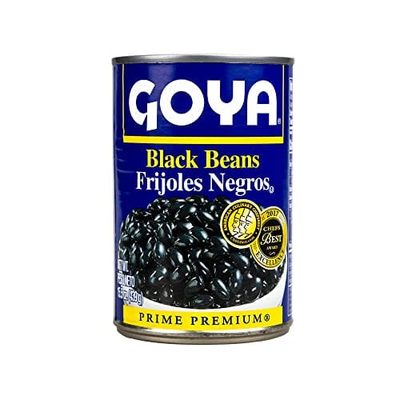
Canned black beans are the shortcut to the frijol colado under huevos motulenos when there is no time to cook and strain from dry.