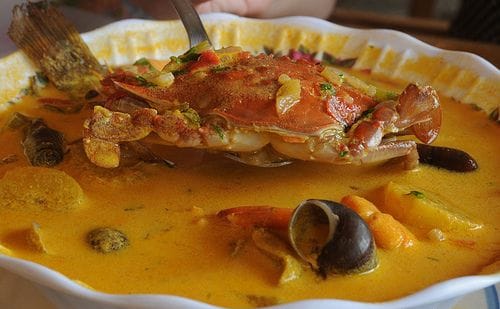
Tapado is the Garifuna coconut seafood stew of the Honduran Caribbean coast, a one-pot dish of whole fish, shrimp, and shellfish simmered with green plantain, yuca, and fresh coconut milk, seasoned with culantro and annatto. The coastal version, tapado costeño, is sweet and creamy; the inland tapado olanchano uses meat instead.
A pot of tapado tells you where you are before you taste it. The smell of coconut milk thickening over fish, the green plantain and yuca going soft in the broth, a whole fish laid across the top of the bowl. This is coast food, and on the Honduran side of the coast it belongs to the Garifuna. Get the coconut and the culantro right and the rest follows.
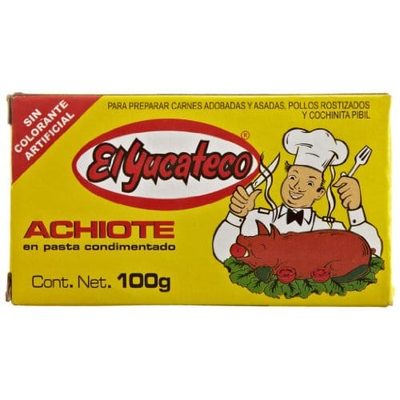
Cochinita pibil, poc chuc, and escabeche all start with red recado. A prepared achiote paste dissolves into sour orange in minutes instead of the hour it takes to grind annatto, oregano, and clove from seed.
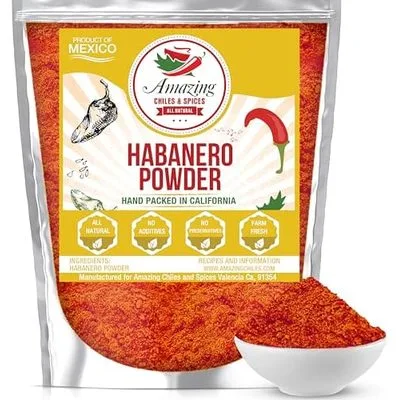
Whole dried habanero peppers; rehydrate them for sauces and marinades, or crush for instant heat and fruity flavor in cooking.
What Is Tapado, and Who Are the Garifuna Who Make It?
Tapado is the flagship one-pot stew of the Garifuna, an Afro-Indigenous people whose ancestors were Carib, Arawak, and West African. Their language is Arawakan, and UNESCO names Garifuna language, dance, and music a Masterpiece of the Oral and Intangible Heritage of Humanity. The dish carries that history in its ingredients: coconut, fish, conch, plantain, and yuca, cooked the way a coastal people cook.
The Garifuna trace back to the island of St. Vincent. In 1797 the British deported them, landing them on Roatán off the coast of Honduras. From there they settled the Caribbean shoreline across Honduras, Belize, Guatemala, and Nicaragua. That single history is why the same dish family turns up under different names along that whole coast. In Honduras the coconut-and-seafood version is tapado. It sits in the same tradition as the wider Garifuna table that runs from Roatán up through Dangriga and Hopkins. Across the border in Guatemala, this same coconut-and-seafood tapado is the signature dish of Livingston, the Garifuna town on the Izabal coast: the same recipe and the same people, a different flag.
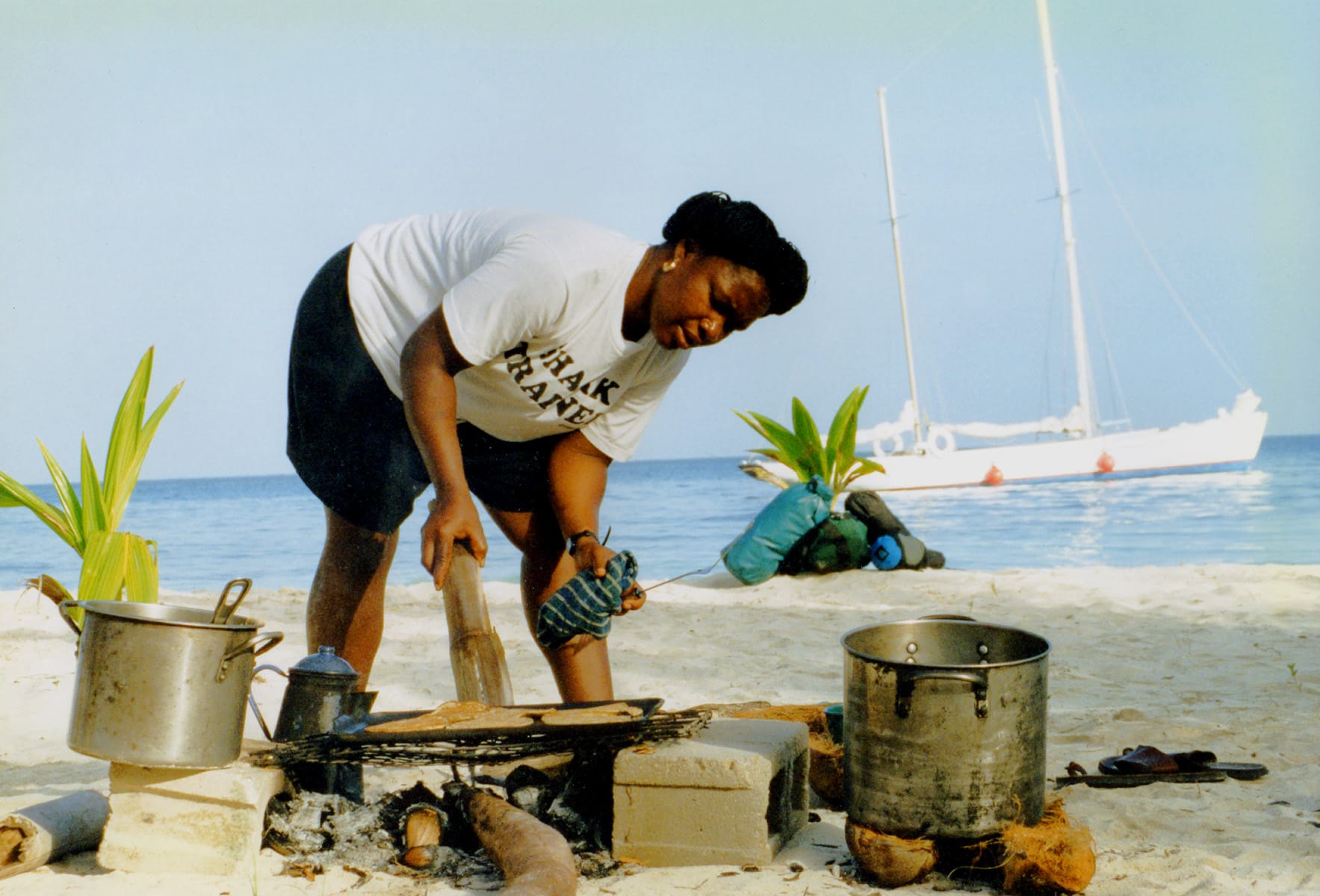
Tapado is coast food, and on the Honduran side of the coast it belongs to the Garifuna.
I want to be honest about my own footing here. My tie to Honduras is Amapala, on the Pacific side, which is a different coast and a different table. So for the costeño specifics I lean on the people who carry it, and on the Garifuna communities I do know from Belize. Isha Gutiérrez-Sumner, a Garifuna woman from San Juan Tela in Honduras, has spent years documenting this food in her cookbook Weiga, Let’s Eat!, described as the first Garifuna cookbook. When she writes about the coconut-milk seafood stews of her coast, this is the family of dishes she means.
How Is Tapado Costeño Different from Tapado Olanchano and Hudut?
There are two dishes called tapado in Honduras, and they are not variations of each other. They are different food from different places.
Tapado costeño is the coastal Garifuna one. Coconut milk, seafood, green and ripe plantain, yuca. The coconut and the ripe plantain give it a sweet, creamy edge that softens the brine of the fish and shrimp. This is the recipe below.
Tapado olanchano comes from the interior, from Olancho and the Yoro highlands. It is a meat stew: salted beef, smoked pork, pork sausage, and chicharrón, cooked down with green and ripe plantain and cassava in a tomato-and-garlic broth. No seafood, and what defines it is the smoked and salted meats, not the coconut. Some Olancho families add coconut milk and some leave it out. Much drier than the coastal version, closer to a heavy braise than a soup. Same name, different world.
Then there are the close Garifuna cousins. In Belize, this same one-pot dish is called tapou — a tapou is a tapado, the fish and roots cooked together in one pot. Hudut is the one that is built differently: there the coconut-fish broth is served over plantain that has been pounded in a mortar and kept separate from the soup, instead of cooked in the pot with everything else. The broth at the base of all of them is the same coconut milk and fish foundation the Garifuna call sere.
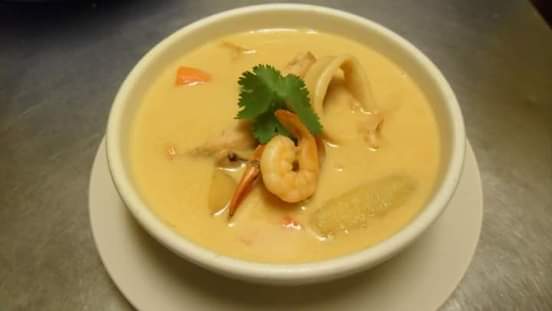
There are two dishes called tapado in Honduras, and they are not variations of each other.
Ingredients
Traditional names come first, with the grocery-store substitute in parentheses. This serves 6.
Seafood
- 2 lb firm white fish (snapper or corvina is traditional; any firm white fish works), whole or in fillets
- 1 lb shrimp, peeled
- 1/2 lb conch (caracol), crab, or lobster, optional but traditional on the coast
Coconut and roots
- 2 cans (13.5 oz each) full-fat coconut milk, or fresh-pressed milk from 2 coconuts
- 2 green plantains (plátano verde), peeled and cut into 1 to 1 1/2 inch pieces
- 1 ripe plantain (plátano maduro), peeled and sliced
- 1 lb yuca (cassava), peeled and cut into chunks
Sofrito and seasoning
- 2 tablespoons oil (coconut oil is traditional)
- 1 onion, diced
- 4 garlic cloves, minced
- 1/2 green bell pepper, diced
- 2 tomatoes, chopped
- 3 to 4 culantro leaves (recao; cilantro is an acceptable substitute)
- 1 tablespoon annatto paste (achiote)
- 1 teaspoon dried thyme
- 1 teaspoon dried oregano
- 1 whole habanero, left uncut, optional, for heat without breaking it open
- Salt and black pepper to taste
Liquid and serving
- 4 cups seafood or fish stock
- 2 cups water
- Lime wedges, and white rice or coconut rice, to serve
Instructions
- Heat 2 tablespoons of oil in a large pot over medium heat. Coconut oil is traditional. Add the onion, bell pepper, and tomato, and cook until soft, about 5 minutes. Add the garlic and cook 1 minute more.
- Stir in the annatto paste until it dissolves and the oil turns deep orange.
- Pour in the coconut milk, stock, and water. Add the thyme, oregano, culantro, and the whole habanero. Bring to a gentle simmer. Do not let it boil hard, because coconut milk can split. Leave the pot uncovered.
- Add the yuca and green plantain first, since they take longest. Simmer 15 minutes.
- Add the ripe plantain. Simmer 10 minutes more, until the roots are nearly tender.
- Season the fish and shrimp with salt and pepper. The traditional Garifuna method is to fry the whole fish crisp first, then lay it across the top of the finished stew at serving; that fried fish covering the bowl is where the name comes from. For a simpler one-pot version, lay the raw fish straight into the pot, then nestle in the shrimp and the conch or crab, and simmer 8 to 10 minutes, until the fish flakes and the shrimp curl and turn pink. Do not stir hard once the fish is in, so the pieces stay whole.
- Taste and adjust the salt. Remove the habanero before it bursts.
- Serve in deep bowls, traditionally with a piece of whole fish laid across the top. Put lime wedges and rice on the side.
Why Fresh Coconut Milk and Culantro Matter in Garifuna Tapado
Two ingredients carry this dish, and both are worth a word before you cook.
Fresh-pressed coconut milk is the backbone. The Garifuna grate the coconut and press the milk by hand, and that fresh fat is what gives the broth its body and that faint sweetness. If you can get a coconut and press your own, do it. If not, full-fat canned coconut milk is the honest substitute. Do not reach for the light version. The fat is the point.
Culantro is not cilantro, even though groceries sometimes label them as the same thing. Culantro, sold as recao or recaito in Latino and Caribbean markets, is the long sawtooth leaf with a deeper, more savory bite. Cilantro will do in a pinch, but the flavor shifts toward something brighter and lighter than the original. Look for culantro at a Caribbean grocer or a well-stocked Latino market. While you are there, the Garifuna also serve these coconut stews with cassava bread, ereba, to sop up the broth.
One more thing on technique. Keep the heat at a simmer, never a rolling boil. Coconut milk breaks when it is pushed too hard, and a broken broth turns grainy. Patience here is the difference between a coast-perfect bowl and a curdled one.
Frequently Asked Questions
What is tapado?
Tapado is a Honduran coconut seafood stew from the Garifuna communities of the Caribbean coast. It combines whole fish, shrimp, and shellfish with green plantain, ripe plantain, and yuca in a broth of fresh coconut milk seasoned with culantro and annatto. The name points to the way a whole fish is laid across the top of the bowl.
What is the difference between tapado costeño and tapado olanchano?
They are two different dishes that share a name. Tapado costeño is the coastal Garifuna version, made with coconut milk and seafood, and it is sweet and creamy. Tapado olanchano comes from the interior departments of Olancho and Yoro, and it is a meat stew of salted beef, smoked pork, and sausage in a tomato broth, with no coconut and no seafood.
Is tapado the same as hudut or tapou?
Tapado and tapou are the same dish — tapou is simply the Belizean name for it, with the fish, plantain, and yuca all cooked together in one pot. Hudut is the one that differs: there the coconut-fish broth (sere) is served over plantain that has been boiled and pounded separately in a mortar, kept apart from the soup rather than cooked in it.
What seafood goes in Garifuna tapado?
A mix is traditional. Firm white fish such as snapper or corvina forms the base, often cooked whole. Cooks add shrimp, and on the coast conch, crab, or lobster go in as well. The idea is the day’s catch, so use what is fresh and firm enough to hold its shape in the broth.
Can I use canned coconut milk and cilantro instead of fresh coconut and culantro?
Yes, with a note on each. Full-fat canned coconut milk is the right substitute for fresh-pressed; just avoid the light version, because the fat carries the dish. Cilantro can stand in for culantro, but the flavor turns brighter and lighter. If you can find culantro, sold as recao, the broth tastes closer to the original.
What do you serve with tapado?
White rice or coconut rice on the side, and lime wedges to squeeze over the top. The Garifuna also serve cassava bread, ereba, alongside these coconut stews to soak up the broth. A whole fish laid across the bowl is the traditional presentation.
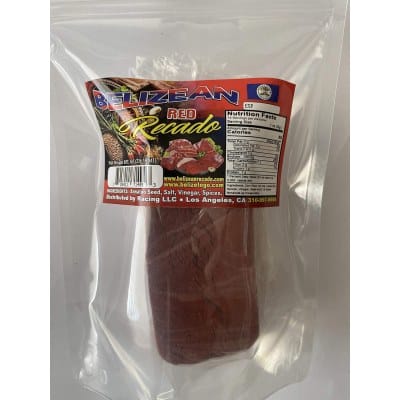
The achiote-based paste behind stew chicken, pibil, and escabeche. Sold ready-made so you skip toasting and grinding annatto, cumin, oregano, and clove from seed.
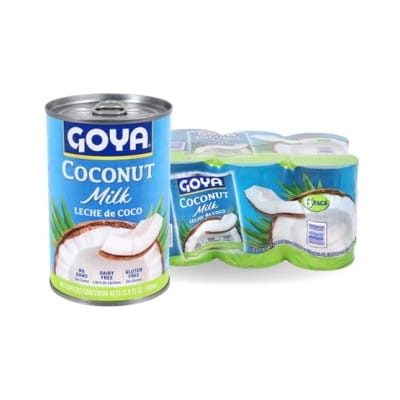
Goya Coconut Milk 13.5 oz (6-pack)
Creole bread's richness is two full cups of coconut milk kneaded into the dough. A six-pack means the next bake is already covered.
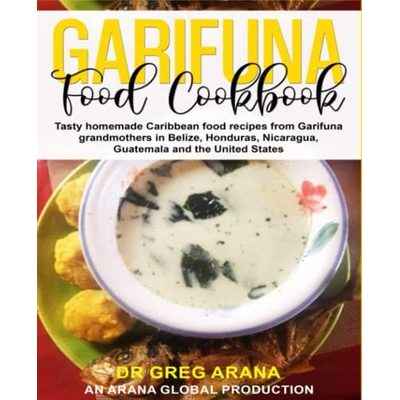
Garifuna Food Cookbook: Caribbean Recipes from Garifuna Grandmothers
A cookbook devoted to Garifuna food traditions across Belize, Honduras, Nicaragua, and Guatemala. Almost nothing else in print covers this cuisine directly.
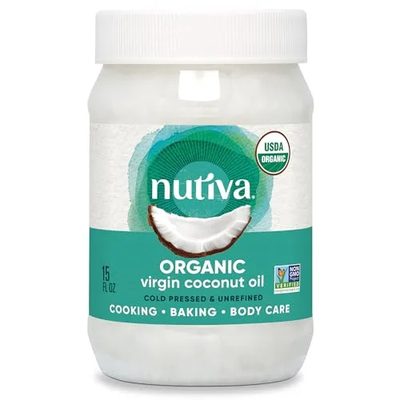
Nutiva Organic Cold-Pressed Virgin Coconut Oil, 15 oz
Rice and beans, sweet baking, and the occasional skillet of fried plantain all benefit from virgin coconut oil's fragrance. Cold-pressed and unrefined is what BNP recipes call for.