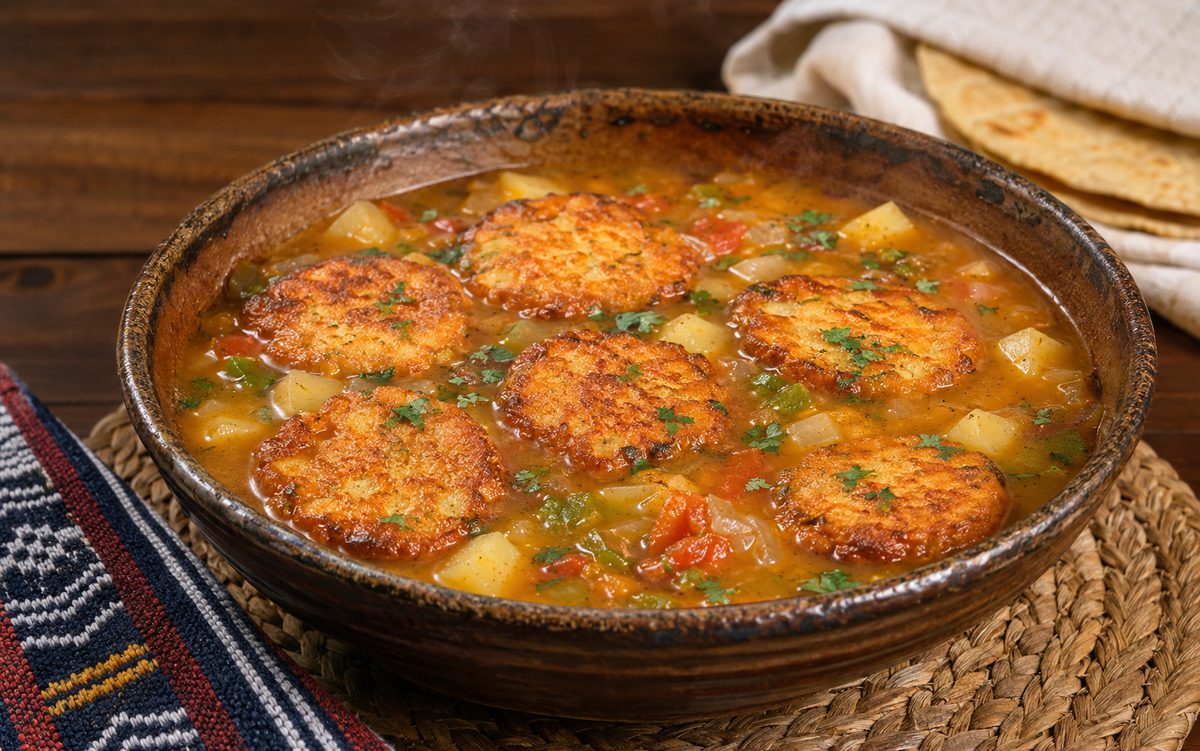
Sopa de capirotadas is a savory Honduran Lenten soup of small fried dumplings made from corn masa and cheese, simmered in a tomato and achiote broth. Despite the shared name, it is not the Mexican capirotada, a sweet bread pudding. Honduran families eat it during Semana Santa as a meatless meal.
The first time you make this, the part that surprises people is the order of operations. You fry the dumplings before they ever touch the broth. That single step is what holds the whole dish together, and most cooks who fail at sopa de capirotadas fail because they skipped it.
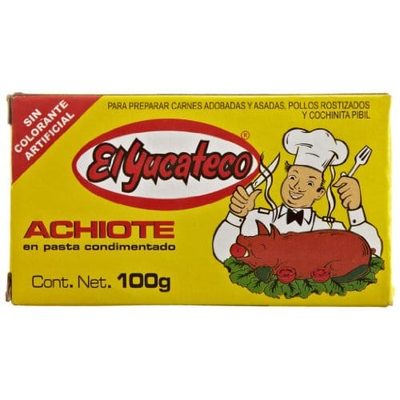
Cochinita pibil, poc chuc, and escabeche all start with red recado. A prepared achiote paste dissolves into sour orange in minutes instead of the hour it takes to grind annatto, oregano, and clove from seed.
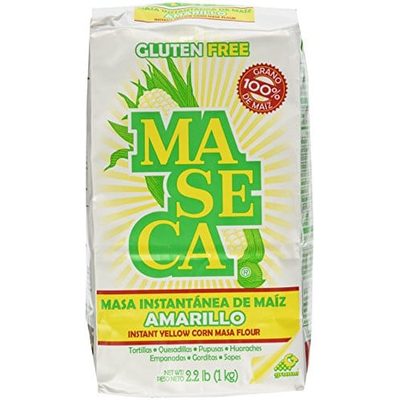
Maseca brand yellow corn masa harina, pre-ground and treated for immediate use in dough for tortillas, tamales, and other corn dough applications.
Ingredients
The dumplings are called capirotadas, and they carry the dish. Make them first. Use queso fresco if you can find it; outside Central America, a mix of feta and a firm melting cheese gets you close.
For the dumplings (capirotadas):
- 1 cup masa harina (white corn)
- 1 cup queso fresco, crumbled (or feta)
- 1/2 cup grated hard cheese such as Parmesan, for binding and tang
- 1 large egg
- 1/2 tsp achiote (annatto) paste, or 1/4 tsp ground annatto
- 1/4 tsp salt
- about 3/4 cup warm water, added gradually
- vegetable oil for frying, about 1/2 cup
For the broth:
- 2 tbsp vegetable oil
- 1 medium onion, chopped
- 2 garlic cloves, minced
- 1/2 green bell pepper, chopped
- 2 medium tomatoes, diced
- 1/2 tsp achiote (annatto) paste, or to taste
- 1/4 tsp ground cumin
- 1/4 cup cilantro, chopped
- 5 cups water or vegetable broth
- 2 tbsp masa harina slaked in 1/2 cup cold water, to thicken
- 1 1/2 tsp salt
- 1/2 tsp black pepper
Instructions
- In a bowl, mix the masa harina, crumbled queso fresco, grated hard cheese, egg, achiote, and salt until evenly combined.
- Add the warm water a little at a time, kneading after each addition, until you have a smooth, firm dough that holds its shape when pressed. It should not crumble and should not stick to your hands.
- Shape the dough into small flat cakes about two inches across. You should get roughly twelve to sixteen.
- Heat the frying oil in a skillet over medium. Fry the cakes until golden on both sides, then lift them onto paper towels to drain. The fry sets the dumpling so it survives the broth later.
- In a pot, heat the 2 tablespoons of oil over medium. Cook the onion, garlic, and green pepper until soft and translucent, about five minutes.
- Add the diced tomato and the achiote. Cook until the tomato breaks down and the oil turns orange, another four to five minutes.
- Add the cumin, salt, pepper, and the 5 cups of water or vegetable broth. Bring to a boil.
- Stir the slaked masa harina into the simmering broth. It thickens the soup just enough to coat a spoon.
- Lower the heat to a gentle simmer. Add the fried dumplings and cook for five to eight minutes, until they soften but still hold their shape.
- Stir in the cilantro off the heat. Serve hot, with warm corn tortillas on the side.
Why Honduran Families Make Sopa de Capirotadas During Semana Santa
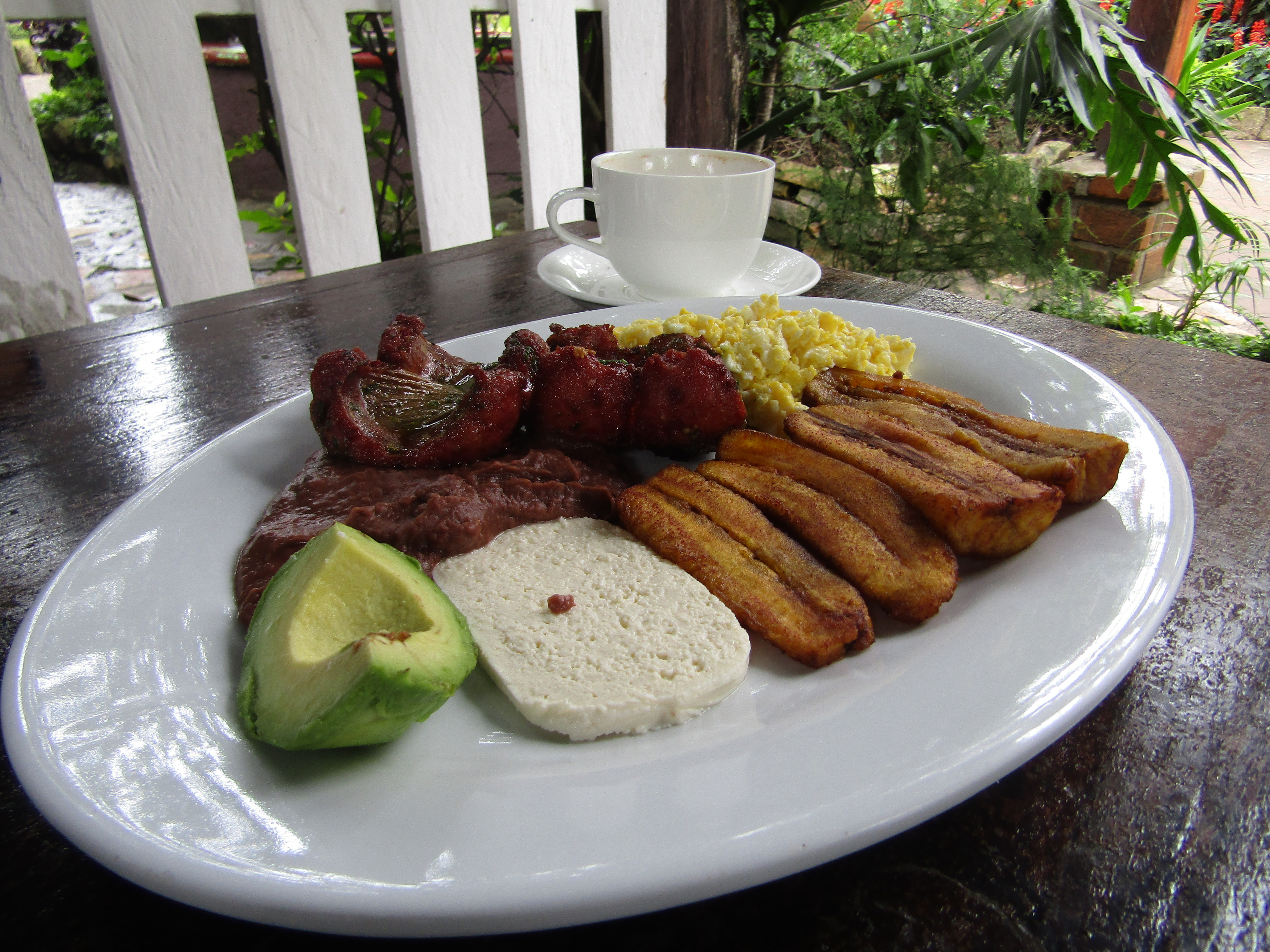
This is a Lenten dish, and the reason it exists is economic before it is anything else. During Cuaresma, the forty days before Easter, many households avoid meat. Fish is the traditional substitute, but fish costs money, and for families who could not always afford it, a soup of fried masa and cheese fed the same number of people for far less. That is the dish in one sentence: a meatless meal built from what the kitchen already had.
That is the dish in one sentence: a meatless meal built from what the kitchen already had.
It is Mestizo Honduran home cooking, the kind made in volume during Holy Week rather than something you find on a restaurant menu year-round. The achiote gives the broth its warm orange color, the same way it colors so much cooking across this corridor, from the Yucatán down through Guatemala and into Honduras. I grew up with that color on the stove. Belize sits inside the same food map, and the regional kinship is real, even when the specific dish belongs to one country.
If you want to read more about how Holy Week shapes the table across the region, the way Easter cooking carries its own rules is a thread that runs through all of it.
Is Sopa de Capirotadas the Same as Mexican Capirotada?
No. They share a Spanish root word and a Lenten season, and that is where the resemblance ends. Mexican capirotada is a sweet bread pudding: toasted bolillo bread layered with raisins and cheese, soaked in a syrup of piloncillo, cinnamon, and cloves, and eaten as a dessert during Lent. Honduran sopa de capirotadas is a savory soup of fried masa-and-cheese dumplings in a tomato-achiote broth.
They share a Spanish root word and a Lenten season, and that is where the resemblance ends.
Both descend from an older Spanish Lenten dish. The Mexican line turned sweet once New World sugar entered the kitchen. The Honduran line stayed savory and swapped the bread for masa dumplings. Same name, two completely different plates. If someone hands you a recipe for capirotada and it calls for piloncillo and raisins, you are holding the dessert, not this soup.
Tips for Dumplings That Hold Their Shape
The cheese you choose decides everything. Queso fresco or a dry queso seco is traditional, and both are firm enough to bind. Outside Central America, feta gives you the tang and a firmer melting cheese gives you the body. Avoid anything very wet or very soft, because a loose dough falls apart in the broth.
Do not skip the fry. I know it adds a step and a pan to wash. Fry the dumplings anyway. The crust is what lets them sit in hot liquid without dissolving, and it adds a faint toasted flavor you cannot get any other way.
This soup is meatless by tradition, so it is already vegetarian if you build the broth with vegetable stock. And if you are cooking ahead, store the dumplings and the broth separately. They keep soaking up liquid as they sit, and a dumpling left overnight in the pot turns soft and loses its edge. Reheat the broth, then drop the dumplings in to warm through.
Frequently Asked Questions
What is sopa de capirotadas?
Sopa de capirotadas is a savory Honduran soup of small fried dumplings made from corn masa and cheese, simmered in a tomato and achiote broth. It is a Lenten dish, eaten during Semana Santa as a meatless meal. The dumplings are fried first so they hold their shape in the broth.
How is sopa de capirotadas different from Mexican capirotada?
They are completely different dishes that share a Spanish root word. Honduran sopa de capirotadas is a savory soup of fried masa-and-cheese dumplings in a tomato-achiote broth. Mexican capirotada is a sweet bread pudding made with toasted bread, piloncillo syrup, cinnamon, raisins, and cheese, served as a dessert.
Why do Hondurans eat sopa de capirotadas during Lent?
During Lent many families avoid meat. Fish is the usual substitute, but it costs more than many households could spend, so a soup of fried masa and cheese became the affordable meatless meal. It feeds a family cheaply and keeps the Lenten rule, which is why it is tied to Semana Santa.
What cheese is best for capirotada dumplings?
Queso fresco or a dry queso seco is traditional, because both are firm enough to bind the masa dough. Outside Central America, a mix of feta for tang and a firmer melting cheese for body works well. Avoid very wet or very soft cheeses, which make the dough too loose to hold together.
Can you make sopa de capirotadas vegetarian?
Yes, and traditionally it already is. The dish was created as a meatless Lenten meal, so the dumplings and broth contain no meat. Build the broth with vegetable stock instead of chicken stock and the whole soup stays vegetarian without changing the flavor or the method.
How do you keep the capirotada dumplings from falling apart?
Fry them before adding them to the broth. The crust formed in the oil sets the dumpling so it can simmer without dissolving. Keep the dough firm rather than wet, use a binding cheese, and simmer the fried dumplings gently for only five to eight minutes rather than boiling them hard.
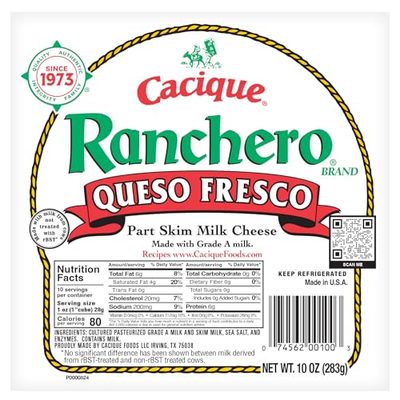
Cacique Queso Fresco Ranchero, 10 oz
A fresh crumbling queso fresco in 10 oz size, ready to sprinkle on cooked dishes or incorporate into recipes without shredding.
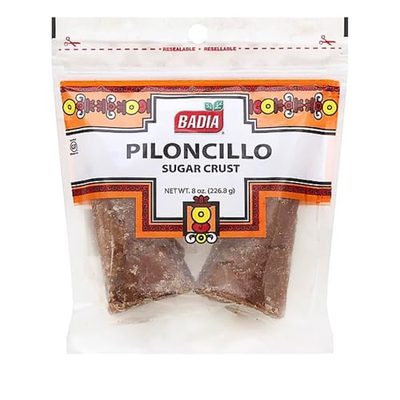
Unrefined cane sugar in cone form, the panela these syrups and sweets are built on.