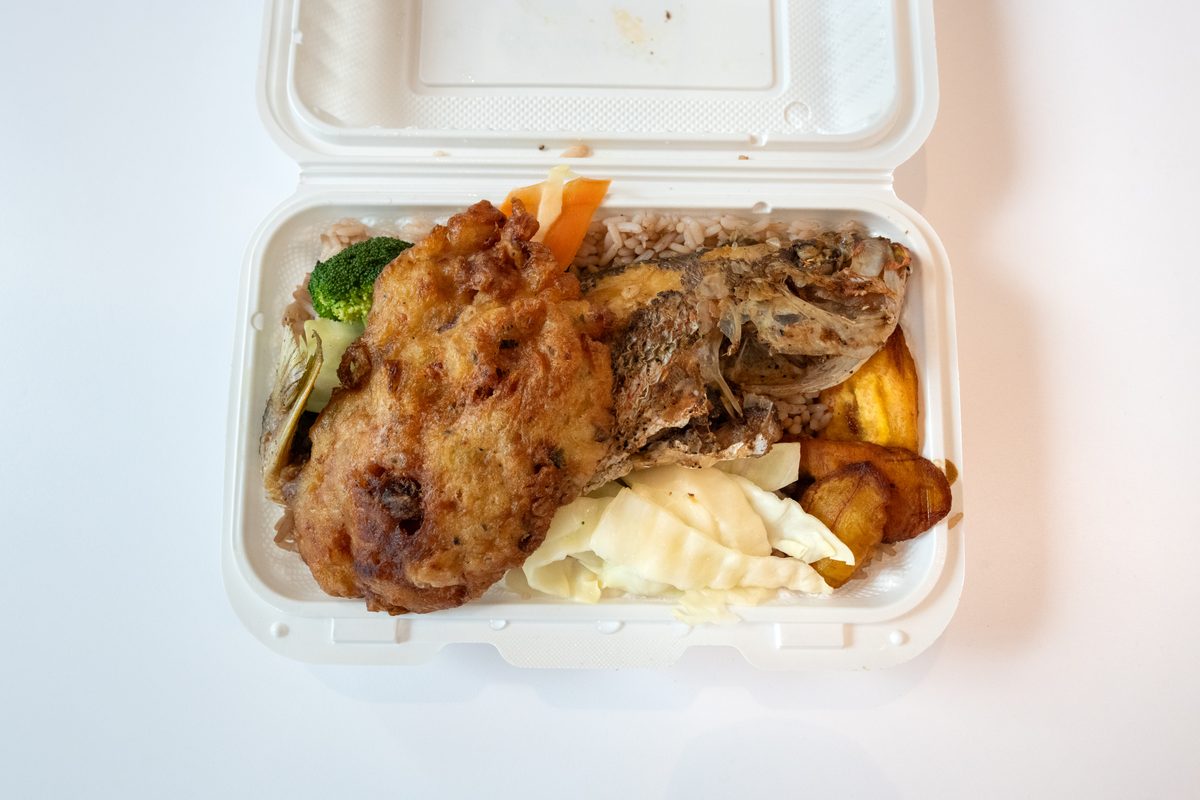
Jamaican escovitch fish is whole snapper fried crisp, then buried under hot pickled vegetables: onion, carrot, sweet pepper, and Scotch bonnet cooked briefly in vinegar with pimento. The vinegar does two jobs. It seasons the fish and it preserves it, which is why the dish tastes better the longer it sits.
Ingredients
Two halves: a fried whole fish and a vinegar pickle made separately, brought together at the last second while the pickle is still hot.
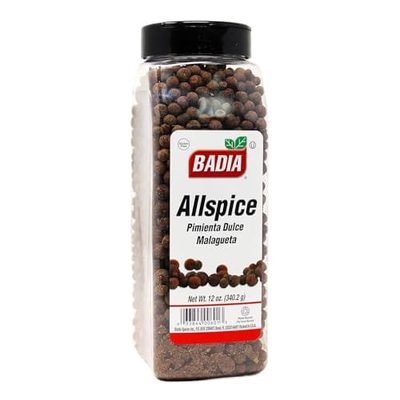
Whole allspice berries you grind fresh; the warm, complex spice flavor is strongest when ground right before use, unlike pre-ground powder.
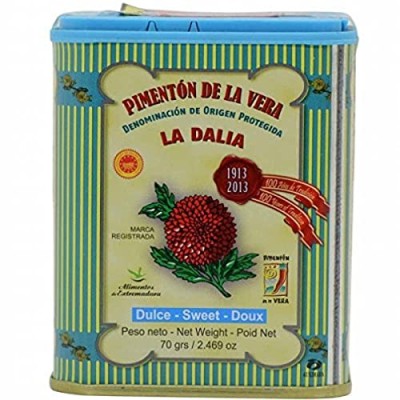
La Dalia Sweet Smoked Paprika, Pimentón de la Vera DOP, 2.46 oz
DOP-certified pimentón from La Vera, Spain — the smoky paprika that gives pastelitos their color and depth.
For the fish
- 2 whole snapper, about 1 lb (450 g) each: red, yellowtail, or white.
- 1/4 cup (60 ml) vinegar and 2 limes, for washing.
- 1 tsp salt and 1 tsp black pepper.
- 1 tsp onion powder and 1 tsp garlic powder.
- 1 tbsp fish seasoning.
- 1 tsp ground pimento (allspice), for the fish.
- 1 tsp paprika.
- Oil for frying, about 2 cups (475 ml) for shallow frying.
For the pickle
- 1 cup (240 ml) white vinegar.
- 1 large onion, white or purple, sliced into rings.
- 2 carrots, cut into thin strips.
- 1 each red, green, and yellow sweet pepper, sliced into rings.
- 1 Scotch bonnet pepper, sliced into rings.
- 1 tbsp whole pimento berries.
- 1 to 2 tbsp brown or granulated sugar, optional.
Amounts here serve four. Buy the fish with your eyes. Jamaican cooks check for clear eyes and red gills, and on a dish this plain there is nowhere for a tired snapper to hide.
Instructions
- Wash the fish thoroughly with lime and vinegar to take out the rawness.
- Score the fish, two slices on each side. Those cuts are pockets for the seasoning, not decoration.
- Pat the fish dry. Wet fish sticks to the pan, and a snapper that sticks tears when you turn it.
- Season generously inside the belly and over the skin, pushing the spices down into the scored slits.
- Fry in hot oil, around 380°F, deep or shallow, until the skin is crisp on both sides.
- Make the pickle: sauté the onion, carrot, and peppers in vinegar with pimento berries and sugar for a few minutes only.
- Pour the hot pickle and its juice over the fried fish and serve.
The Vegetables Stay Crunchy
This is the line between escovitch and a soggy fish in sauce. The vegetables go in the vinegar for a few minutes, not until they soften. They should still have bite when they land on the fish, and they keep cooking a little from their own heat once they do.
Cut them for the job. Onions and peppers get sliced into thin rings, the traditional look for the dish, and some cooks run carrots through a julienne peeler to get even strips. Thin is the point either way, since thick pieces will not pick up the vinegar in the few minutes they have.
Do not skip the pimento. Jamaican cooks are emphatic that whole allspice berries in the pickle are where a large part of the flavor comes from, and it is the ingredient generic versions of this recipe drop first.
Getting the Fish Crisp
Three steps decide the texture, and all three happen before the fish meets the oil. Wash it with lime and vinegar. Score it twice on each side. Then dry it properly, because moisture is what makes it stick and sticking is what wrecks the skin.
The seasoning goes everywhere, including inside the belly and down into the cuts. A whole fish seasoned only on the outside tastes like two different dishes once you open it.
Cooks differ on where the aromatics go. Some drop a Scotch bonnet straight into the frying oil, some add garlic and thyme to it instead, and others keep every aromatic in the vinegar pickle and leave the oil plain. There is no single correct answer here, and the fish is good all three ways.
Escovitch, Escabeche, Escaveche
The name is the Spanish escabeche, and the dish is counted among the Spanish contributions to the island’s cooking, in the same group as brown stew meats and stew peas (source). The technique is the old European one of dressing fried fish in vinegar so it keeps without refrigeration.
That preserving function is not just history. Jamaican cooks still describe the sauce as a preservative and say the fish improves the longer it sits in it, which is why escovitch is so often made the day before it is eaten.
Strip the pickle away and the first half of this recipe is simply how the Caribbean cooks a whole fish. Wash it deliberately, score it, dry it, season it inside and out. Our Belizean fried snapper opens exactly the same way, down to cutting slits in both sides and working the seasoning into them, and it finishes with lime instead of a vinegar pickle. Learn the prep once and both dishes are open to you.
The name travelled further than the method did. Our Belizean escabeche is an onion soup with chicken, sharp with vinegar and heavy with onion. It shares the name and the acid with escovitch and almost nothing else, which is worth knowing if you go looking for one and find the other.
Tips and Variations
Sugar in the pickle is optional and cooks split on it. Some add brown or granulated sugar to balance the acid of the vinegar. Others leave it out and keep the profile tangy and salted. Start without it, taste the pickle, and decide.
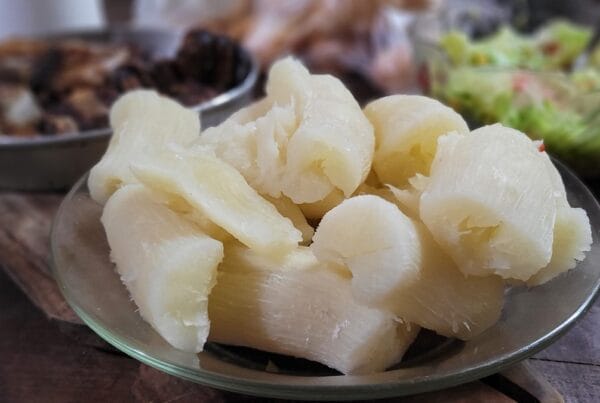
Serve it with festival, hard dough bread, or fried bammy. Festival is the sweet counterweight to the vinegar; bammy is the cassava one, denser and less sweet. For heat control, put the Scotch bonnet into the vinegar early if you want its heat drawn out into the pickle, or add it late to keep the dish milder.
Make It Ahead: This One Improves
Escovitch is the rare fried-fish dish that is better made in advance. The vinegar dressing acts as a preservative, and Jamaican cooks say the flavour improves the longer the fish sits in it, which is why it is so often cooked the day before it is eaten.
Keep it covered in the refrigerator for two to three days, with the pickle and its juice over the fish rather than drained off. The vegetables continue to soften slightly, so cut them thicker if you are making it a day ahead.
Serve it cold or at room temperature straight from the refrigerator, which is normal for this dish. Reheating fried fish costs you the crisp skin without giving much back.
Frequently Asked Questions
What is escovitch fish?
Whole fish, usually snapper, fried until crisp and then topped with a hot pickle of onion, carrot, sweet pepper, Scotch bonnet, and pimento berries cooked briefly in vinegar. The name comes from the Spanish escabeche.
What fish is best for escovitch?
Whole snapper: red, yellowtail, or white. Buy it fresh and check the eyes and gills. The eyes should be clear and the gills red.
Why does my fish stick to the pan?
It went in wet, or the oil was not hot enough. Pat the fish completely dry after washing it, and get the oil to around 380°F before the fish goes in.
Should the pickled vegetables be soft?
No. They cook in the vinegar for a few minutes only and should still be crunchy when they go over the fish. Cooking them soft is the most common way this dish goes wrong.
Can escovitch fish be made ahead?
Yes, and it is often better for it. The vinegar dressing acts as a preservative, and Jamaican cooks say the flavor improves the longer the fish sits in it.
How much fish do I need per person?
Two whole snapper of about 1 lb (450 g) each serve four when there is rice and bread alongside. A whole small fish per person is just as common, in which case scale the pickle up so every plate gets vegetables and vinegar.
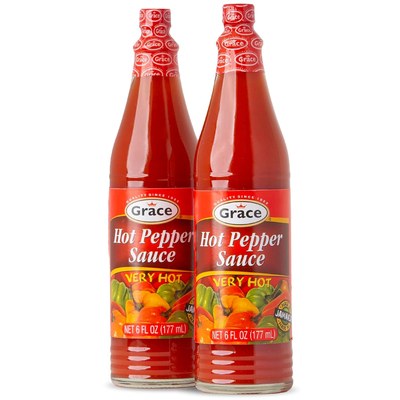
Scotch bonnet blended with West Indian red peppers: the everyday bottle that sits on a Jamaican table rather than a specialty sauce bought for one dish. The two-pack is the sensible buy for a household that cooks Jamaican food regularly.