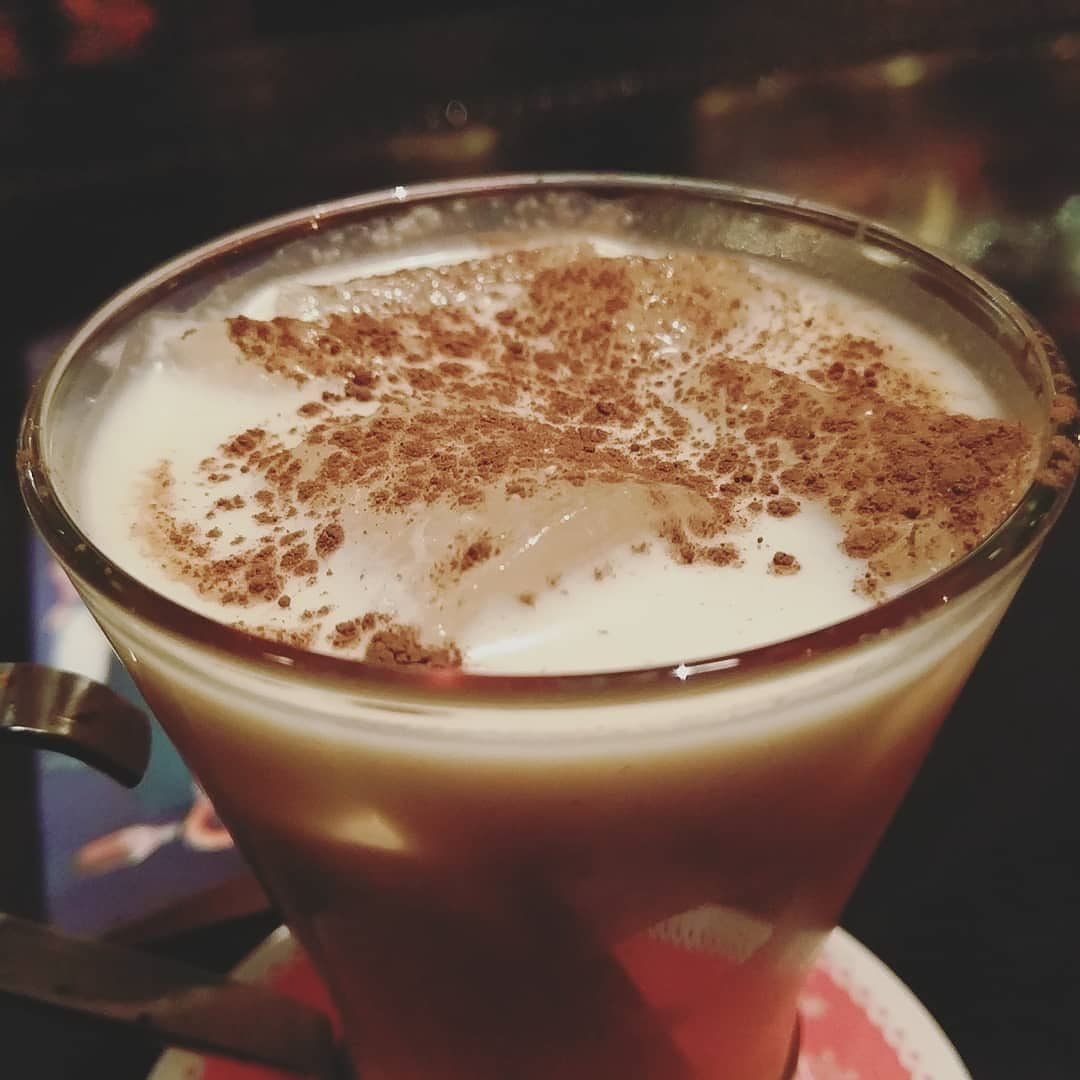
Coquito is the Puerto Rican Christmas drink: coconut, condensed milk, spices, and white rum, blended cold and poured small. It is a traditional Christmas drink that originated in Puerto Rico, close enough to eggnog that people call it Puerto Rican eggnog (source). It is also the easiest holiday recipe on this site. Everything goes in a blender.
Make it a week early. Coquito is better on day three than it is on day one.
What is coquito?
Coquito means little coconut. It is a coconut-based alcoholic drink made with Puerto Rican rum, coconut milk, cream of coconut, sweetened condensed milk, vanilla, nutmeg, clove, and cinnamon (source). No cooking, no tempering, no custard. You blend it, you chill it, you shake it before you pour.
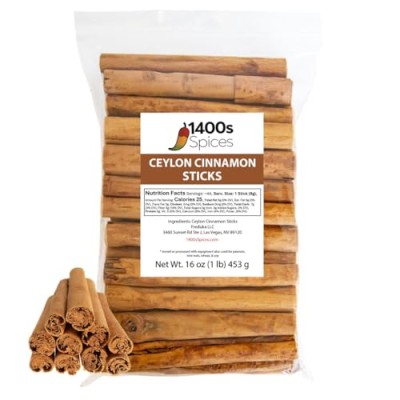
1400S Spices Ceylon Cinnamon Sticks from Sri Lanka, 1lb (Canela Entera)
Ceylon cinnamon is sweeter and milder than cassia — the right choice for atole, conkies, and sweet drinks. These are whole dried sticks from Sri Lanka.
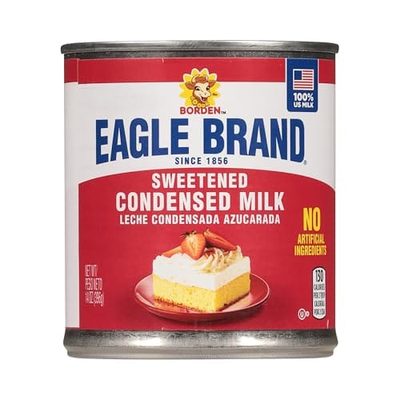
Flan, dulce de leche, fudge, key lime pie, fruit cake: Belizean and Caribbean desserts are built on a can of sweetened condensed milk. The 14oz can is the standard size every recipe assumes.
The drink was inspired by British and American eggnogs. The Spanish version was combined with coconut milk and local rum, and Puerto Ricans altered it further by adding coconut to what had been a milk and sugar base (source). That is the whole story of the drink in one sentence: an imported idea rebuilt around what grows on the island.
There is no single correct coquito
Many families have their own variations, passed down through generations (source). That is not a disclaimer. It is the point. Ask five Puerto Rican cooks and you will get five recipes, and each one is the real one.
The three arguments that come up every time: eggs or no eggs, ground spices or a steeped spice tea, and how much rum is too much. I make it eggless, with a steeped tea, and with enough rum that nobody asks whether there is rum in it. The recipe below is that version, with the other roads marked.
What you need for Puerto Rican coquito
For the spice tea
- 1 cup (240 ml) water
- 2 cinnamon sticks
- 6 whole cloves
- 2 star anise pods
For the coquito
- 1 can (15 oz / 425 g) cream of coconut
- 1 can (13.5 oz / 400 ml) coconut milk, full fat
- 1 can (12 oz / 354 ml) evaporated milk
- 1 can (14 oz / 397 g) sweetened condensed milk
- 1 1/2 cups (360 ml) Puerto Rican white rum
- 1 tbsp (15 ml) vanilla extract
- 1 tsp (3 g) ground cinnamon, plus more for serving
- 1/4 tsp (0.5 g) freshly grated nutmeg
- 1 pinch fine salt
Cream of coconut and coconut milk are two different cans and they are not interchangeable. Cream of coconut is thick and sweetened. Coconut milk is not, and unsweetened coconut cream is a third product again. Buy the sweetened cream of coconut and the coconut milk, and read the label rather than the picture on the can. Cooks are loyal to particular cream of coconut brands, and Coco Lopez comes up constantly in Puerto Rican kitchens, but any thick sweetened cream of coconut will make good coquito.
How long coquito takes
| Steeping the spice tea | 10 minutes, plus cooling |
| Blending | 5 minutes |
| Chilling before you serve it | 4 hours minimum |
| Best after | 2 to 3 days |
How to make Puerto Rican coquito
- Steep the spices. Bring the water to a boil with the cinnamon sticks, cloves, and star anise. Cut the heat and let it sit 10 minutes. It should go the color of weak coffee. Strain it and let it cool completely.
- Load the blender. Cream of coconut, coconut milk, evaporated milk, condensed milk, vanilla, ground cinnamon, nutmeg, and the pinch of salt.
- Blend until smooth. A minute, maybe less. Cream of coconut and condensed milk are both sticky and both want to sit at the bottom of the jar. Scrape down and blend again if you see streaks.
- Add the tea and the rum. Pour in the cooled spice tea and the rum, then blend 15 seconds more. Taste it now, while you can still change it.
- Bottle it. Pour into glass bottles or jars with lids, leaving an inch at the top so you have room to shake.
- Chill at least 4 hours. Overnight is better. Two or three days is better still, and it keeps developing for about a week.
- Shake before every pour. The coconut fat sets at the top of the bottle in the cold. Shake it back in. Serve small and cold, with cinnamon over the top.
Tips and variations
- Skip the tea if you are in a hurry. Plenty of cooks put ground cinnamon and vanilla straight into the milks and blend. It works. The steeped version tastes rounder and less powdery, which is why I do the extra step.
- Eggs make it thicker. Some cooks blend in egg yolks for a heavier, custard-leaning drink, and some prefer it without. Both versions are made in Puerto Rican kitchens. If you use raw yolks, understand what that means for anyone pregnant, elderly, or immune compromised, and use pasteurized eggs.
- Pitorro instead of rum. Pitorro is Puerto Rican moonshine rum (source), and it turns this into a much stronger, rougher drink, and some cooks would not make it any other way. If you go that route, cut the amount.
- Sweetness is adjustable, alcohol is not. A half cup of sugar gets added in some kitchens. Taste before you bottle. You can always blend in more condensed milk, but you cannot take rum out.
- Spiced rum changes the drink. It is done, and it tastes good, but the cinnamon and clove start fighting the spice in the bottle. If you use it, pull back on the ground spices.
When to drink it, and what to drink it with
Coquito is usually served after dinner in a shot glass, sweet and strong, with a generous amount of rum (source). Small pours are not politeness. It is a rich drink and a full glass of it is too much.
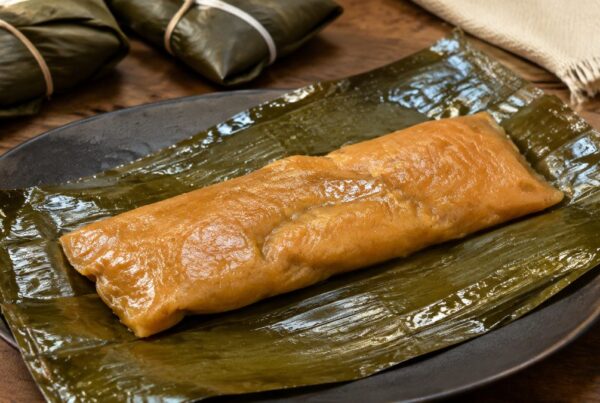
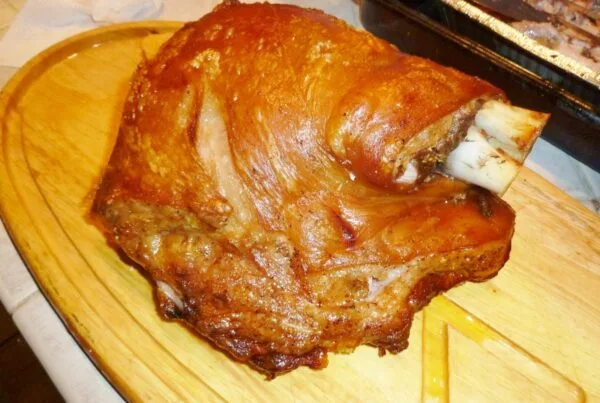
The season is long. It can be made as early as Thanksgiving and as late as Dia de los Reyes, though it makes its main appearance during the Christmas season (source). On a Puerto Rican holiday table it lands next to pernil and arroz con gandules.
Belize has its own December drink in this family, rum popo, built on eggs and evaporated milk instead of coconut. Same instinct, different pantry.
Bottling coquito as a gift
Half the reason people make a double batch is to give it away. Glass bottles with tight lids are the standard, and small mason jars work for handing out. Label the jar with the date you made it and tell people to keep it cold and shake it.
The drink has a competitive streak too. Coquito Masters is an annual competition held at El Museo del Barrio in New York City (source), which tells you how seriously the recipe gets defended.
Nutrition
Estimated, for one 4 oz (120 ml) pour, based on the ingredient amounts above. Sweetened condensed milk and cream of coconut carry most of the sugar.
| Calories | 270 kcal |
| Protein | 3 g |
| Fat | 11 g |
| Carbohydrates | 29 g |
| Sugar | 27 g |
| Sodium | 65 mg |
Storing coquito
Keep it in the refrigerator in sealed glass, and shake it every time. An eggless coquito holds well for about a month in the cold, and the flavor peaks somewhere in the first week. If you added egg yolks, treat it like a fresh dairy drink and finish it inside a week.
Do not freeze it. The coconut fat separates hard and never blends back the same way. If the bottle looks solid at the top out of the fridge, that is normal. Ten seconds of shaking fixes it, and if it is stubborn, let it stand at room temperature for a few minutes first.
Equipment you will want
- A blender. A whisk works, but the condensed milk will fight you.
- A small pot and a fine strainer for the spice tea.
- Glass bottles or jars with tight lids, at least 60 oz of capacity in total.
- A funnel, unless you enjoy cleaning counters.
- A microplane for the nutmeg. Pre-ground is fine, fresh is better.
Coquito questions, answered
Is coquito the same as eggnog?
No, though it is close enough that coquito is sometimes called Puerto Rican eggnog (source). Coquito is built on coconut and rum. Eggnog is built on eggs and dairy. Most coquito has no egg in it at all.
Does coquito have eggs?
Some cooks prepare it with eggs (source), and plenty of others leave them out. Eggs give a thicker, custard-like body. The recipe here is eggless.
What rum should I use for coquito?
Puerto Rican white rum is the standard (source), and Puerto Rican cooks tend to name a specific bottle they have used for years. Use a white rum you would drink on its own. Aged and spiced rums both work, but they push the drink somewhere else.
How long does coquito need to chill?
Four hours to drink it, two or three days to drink it at its best. The spices need time in the milk. A coquito poured straight out of the blender tastes like its parts.
Why did my coquito get thick or separate?
Coconut fat solidifies in the cold and rises. It is not spoiled and it is not broken. Shake the bottle hard before every pour. If it has been sitting a week, let it stand out of the fridge for a few minutes, then shake.
Can I make coquito without alcohol?
Yes. Leave the rum out and add a splash more evaporated milk to keep the texture from going too heavy. It will be sweeter and it will not keep as long, so make a smaller batch and drink it inside a few days.
When do Puerto Ricans drink coquito?
Anywhere from Thanksgiving through Dia de los Reyes, with the Christmas season as its main appearance (source). Bottles get made in batches and handed to family and friends through the season.
How much coquito does this make?
About 9 cups, which is 18 pours at 4 oz. That fills three 25 oz bottles, near enough, with a little left for the cook to check.
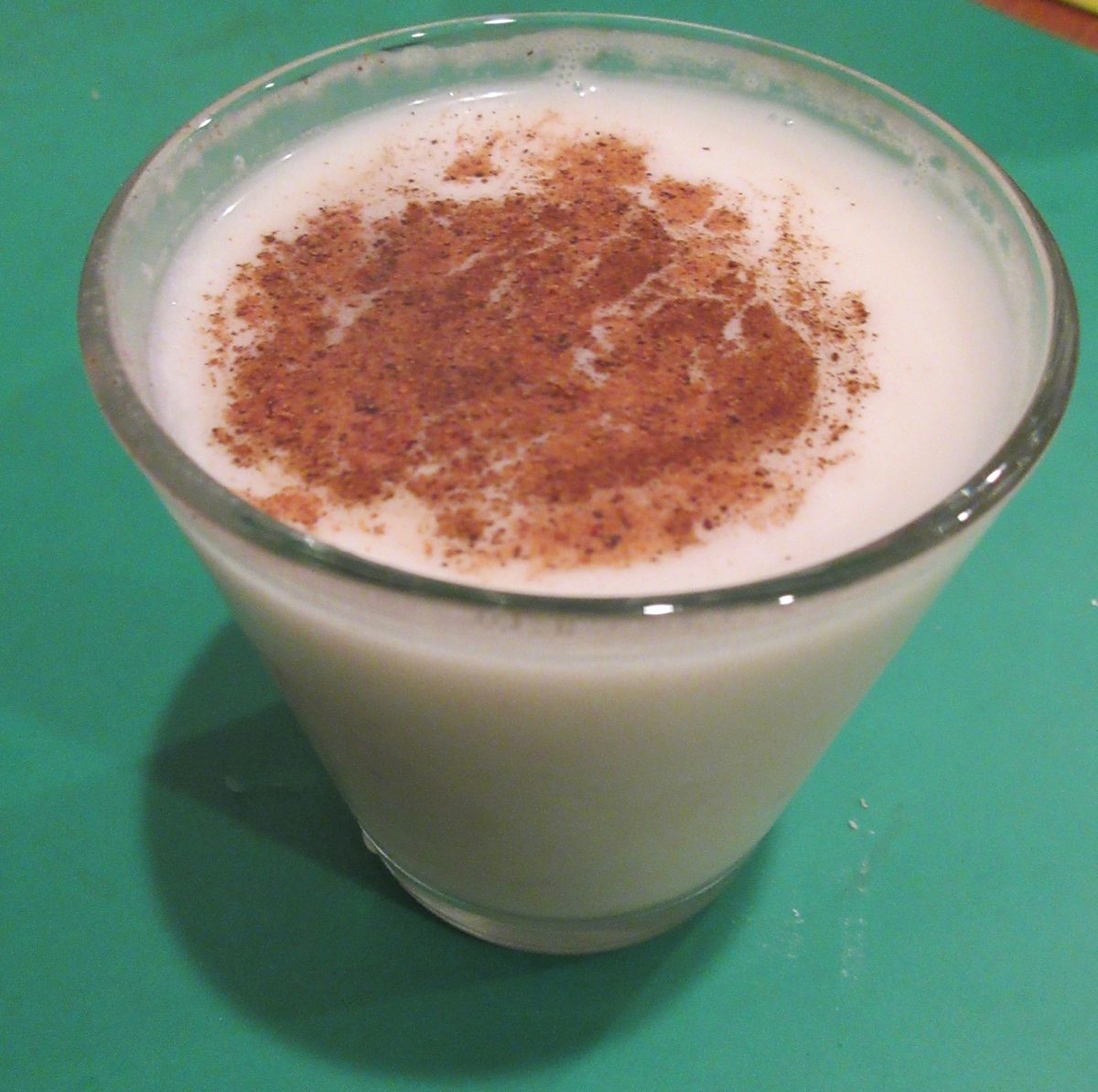
Coquito in a glass by charlene mcbride, CC BY 2.0. Coquito with spices by Infrogmation, CC BY-SA 4.0. Both via Wikimedia Commons.
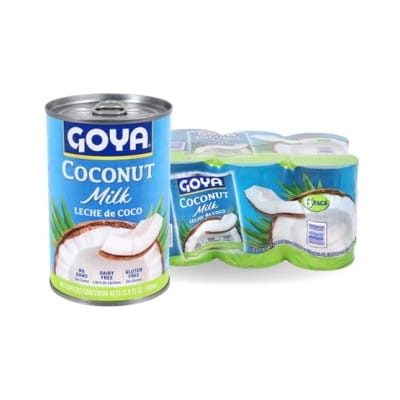
Goya Coconut Milk 13.5 oz (6-pack)
Creole bread's richness is two full cups of coconut milk kneaded into the dough. A six-pack means the next bake is already covered.
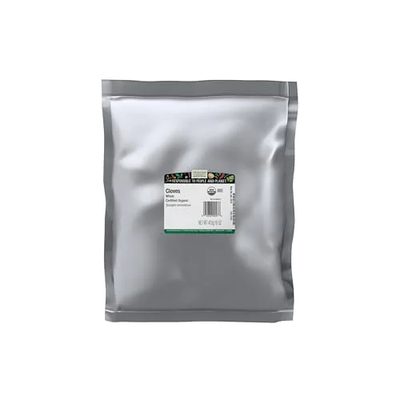
Frontier Co-op Whole Cloves, Organic, Hand Select, 16 oz
Spice pastes, dark stews and braised meats all call for whole cloves ground or simmered into the dish. Whole cloves keep their volatile oils far longer than ground.
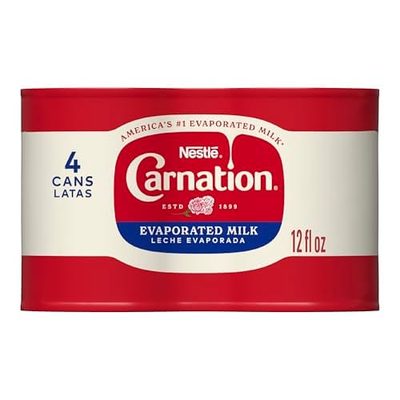
Nestlé Carnation Evaporated Milk, 12 fl oz, 4-Pack
Flan, custard, and Belizean coconut tart filling all build on evaporated milk's reduced water content. The 12oz can is the diaspora pantry standard.