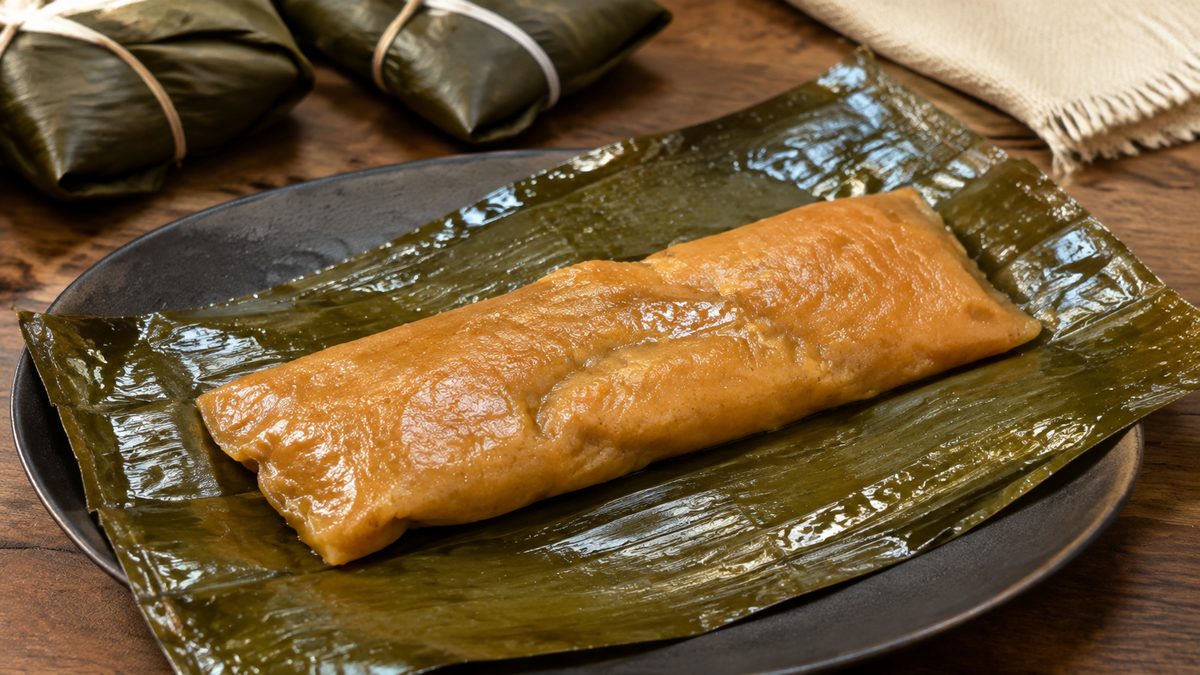
Pasteles are Puerto Rico’s Christmas parcels: a masa of grated green banana, plantain and root vegetables, stained orange with annatto oil, wrapped around stewed pork, folded into banana leaf and parchment, tied in pairs and boiled. In Puerto Rico they are a cherished recipe, especially around Christmas time (source). They take a whole day and nobody makes them alone.
Make fifty. Freeze forty. That is the only sensible way to do this.
What are pasteles?
A pastel looks like a tamal and is not one. The masa is grated green banana, green plantain, white yautia, potato and calabaza, seasoned with liquid from the meat, milk, and annatto oil. The filling is a pork stew, usually built on Boston butt, with chickpeas, olives, capers, pimiento peppers and sometimes raisins (source). No corn anywhere.
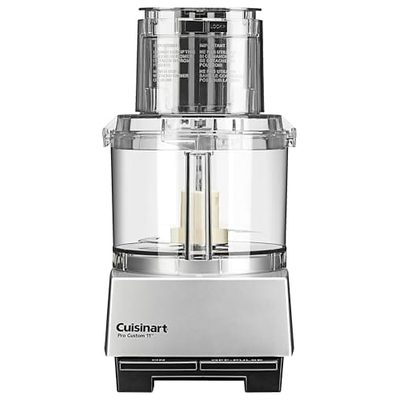
Cuisinart Pro Custom 11-Cup Food Processor with Slicing & Shredding Discs (DLC-8SBCYP1)
Grating green banana, yautia and calabaza by hand is the long part of a pasteles day. A processor with a shredding disc takes it down to minutes, and an 11-cup bowl holds a full batch of masa without stopping to empty it.
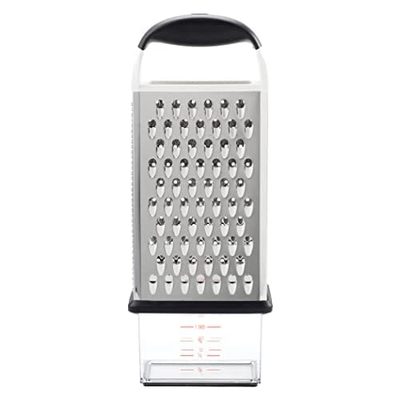
Fresh coconut and hard cheese both want a four-sided box grater: finer than a rasp for cheese, coarser than a food processor for coconut.
The dish is old. Encyclopedic accounts trace pasteles to the indigenous people of Boriken, where Taino cooks made masa from cassava, yautia and squash, filled it, and wrapped it in corn husks (source). The pork, the olives and the capers arrived later. The technique did not.
The name travels. Versions are made in the Dominican Republic, Venezuela, Panama, Trinidad and Tobago and coastal Colombia, and in Hawaii the same dish is called pateles, after how Puerto Rican migrants pronounced it (source). This recipe is the Puerto Rican one.
Read this before you start
This is a full day of work and the recipe below makes 20 pasteles, which is ten pairs. Scaling down is possible and pointless. The grating is the work, and grating for ten takes almost as long as grating for thirty.
Three things will sink a batch: masa that sat too long and went grey, wax paper instead of parchment, and stingy filling. Puerto Rican cooks have a name for that last one. Pasteles ciegos, blind pasteles, and it is not a compliment.
What you need for Puerto Rican pasteles
For the pork filling
- 3 lb (1.4 kg) boneless pork shoulder, cut into 1/2 inch dice
- 1 cup (240 ml) sofrito
- 1 can (8 oz / 227 g) tomato sauce
- 2 tbsp (30 ml) white vinegar
- 1 tbsp (6 g) dried oregano
- 2 tsp (10 g) adobo seasoning
- 1 packet sazon con achiote
- 2 bay leaves
- 1 cup (165 g) cooked chickpeas
- 1/2 cup (85 g) pitted green olives with pimiento, plus 2 tbsp capers
- 2 cups (480 ml) water or pork stock
For the masa
- 10 green bananas (guineos verdes)
- 2 green plantains
- 1 lb (450 g) white yautia, peeled
- 1 lb (450 g) calabaza, peeled and seeded
- 1 medium potato, peeled
- 1/2 cup (120 ml) annatto oil, plus more for the leaves
- 1/2 cup (120 ml) warm milk
- 1 cup (240 ml) strained liquid from the pork stew
- 1 tbsp (18 g) fine salt, or to taste
For wrapping
- 20 sheets parchment paper, about 10 by 12 inches. Not wax paper.
- 20 pieces banana leaf, cut slightly smaller than the parchment
- Kitchen twine
Wax paper melts in boiling water and the pasteles come out tasting like a candle. Parchment holds. The banana leaf is not structural, it is there for flavor, and skipping it changes what you are eating.
How long pasteles take
| Seasoning the pork, ideally the night before | 15 minutes, plus overnight |
| Stewing the filling | 1 hour |
| Peeling and grating | 1 hour to 1 hour 30 minutes |
| Assembling and tying 20 | 1 hour with two people |
| Boiling | 45 to 60 minutes fresh, about 90 from frozen |
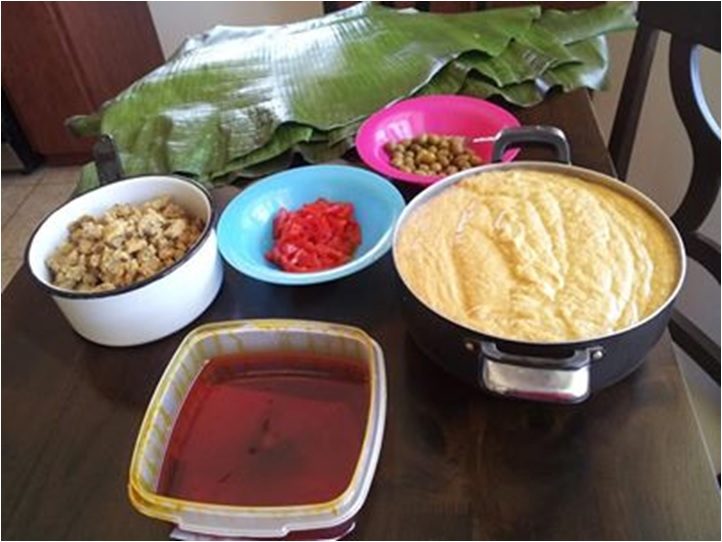
How to make Puerto Rican pasteles
- Season the pork. Toss the diced shoulder with the sofrito, adobo, sazon, oregano and vinegar. Cover and refrigerate overnight if you can, an hour if you cannot.
- Stew it. Brown the pork in a caldero, add the tomato sauce, bay leaves and water, and simmer covered about an hour, until the meat gives. Stir in the chickpeas, olives and capers at the end. Strain off a cup of the liquid and keep it. That cup goes into the masa.
- Soak the green bananas. Score the skins and drop them in hot water for at least 10 minutes. Thick green skins fight you dry and peel easily wet.
- Grate everything. Bananas, plantains, yautia, calabaza and potato, on the fine side of a box grater or through a food processor. Work fast and keep the bowl covered. Exposed masa oxidizes and turns grey.
- Season the masa. Beat in the annatto oil, the warm milk, the reserved cup of pork liquid and the salt. You want it spreadable, like thick mashed potato, not pourable.
- Test it. Microwave a spoonful of masa for 20 to 35 seconds and taste it cooked. Under-salted masa cannot be fixed after wrapping, and raw masa tastes like nothing.
- Set up the station. Parchment down, banana leaf on top, both brushed with annatto oil. Spread about 1/2 cup masa in the center in a rectangle, leaving a wide border.
- Fill generously. A heaped spoon of pork with its chickpeas and olives down the middle. This is not the place to economize.
- Fold and seal. Bring the long edges of the parchment together over the filling and fold them down in a tight seam, then press the masa in toward the center with the side of your hand so the filling is enclosed. Fold both ends under.
- Tie in pairs. Put two parcels seam to seam, which is called a yunta, and tie them with twine in a cross. They hold each other closed in the pot.
- Boil. Lower the yuntas into salted boiling water and cook 45 to 60 minutes. Turn them once. From frozen, go about 90 minutes and do not thaw first.
- Open at the table. Cut the twine, unfold the parchment, lift out the pastel and leave the leaf behind.
Tips and variations
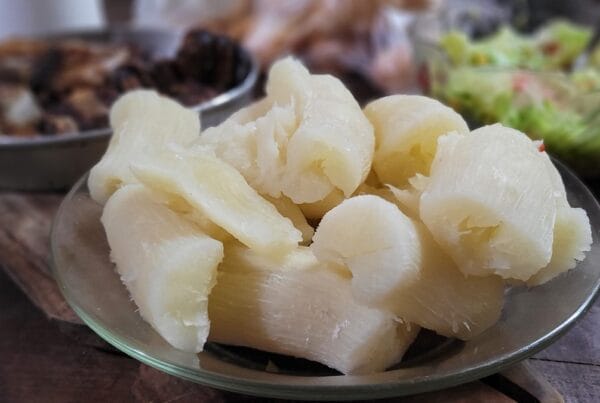
- Yuca masa is a real version. Some cooks build the masa entirely from grated cassava instead of green banana. If you do, squeeze the grated yuca dry and throw that liquid away rather than working it back in.
- Meat juice in the masa splits opinion. Adding a cup of the stewing liquid gives the masa colour and depth. Cooks whose grandmothers never did it leave it out and their pasteles are still pasteles.
- One plantain holds banana masa together. Cooks who work mostly with green banana add a plantain to the mix because it binds, roughly the way an egg binds a dough.
- Raisins are a fight. Some households put them in every batch and some react to the suggestion with horror. Both camps are Puerto Rican. Pick a side.
- Chicken instead of pork. Chicken thigh works in the same stew, and it cooks faster. Keep everything else identical.
- Serve with something sharp. Pique or a hot sauce cuts the richness. Ketchup mixed with chili is common in Puerto Rican homes and is not a shortcut, it is what people actually do (source).
What to serve with pasteles
At Christmas they land beside pernil and arroz con gandules, with coquito poured small alongside. That is the plate the whole season is built around.
The same idea shows up across the region under other names. Belize wraps its own masa parcels in banana leaf for the holidays, in the tamales tradition, with corn masa instead of root vegetables. Same leaf, same pot, different pantry.
Nutrition
Estimated, for one pastel, based on the amounts above and standard ingredient labels.
| Calories | 350 kcal |
| Protein | 15 g |
| Fat | 15 g |
| Carbohydrates | 34 g |
| Fiber | 3 g |
| Sodium | 620 mg |
Freezing and storing pasteles
Freeze them raw, wrapped and tied, flat on a tray until solid and then bagged in yuntas. They keep several months and they boil straight from the freezer, about 90 minutes, no thawing. This is why anyone sane makes a huge batch.
Boiled pasteles keep three or four days in the refrigerator in their wrappers. Reheat by boiling again for 15 minutes, still wrapped. A microwave works and dries the edges.
Equipment you will want
- A box grater, or a food processor if you value your knuckles.
- A caldero or heavy pot for the stew, and a tall pot for boiling.
- Parchment paper cut to size. Pasteles paper if you can find it.
- Banana leaves, fresh or frozen, thawed and wiped.
- Kitchen twine and scissors.
- Gloves if you bruise easily. Green banana sap stains hands black.
Pasteles questions, answered
Are pasteles the same as tamales?
No. They look alike and they are related, along with alcapurrias, hallacas and guanimes (source), but a tamal is corn masa and a pastel is grated green banana and root vegetables. The texture is denser and the flavor is completely different.
Why did my masa turn grey or black?
Oxidation. Grated green banana and yautia darken fast in air. Grate in batches, keep the bowl covered, get the annatto oil in early, and wrap as soon as the masa is seasoned. It is still edible when it darkens. It just looks wrong.
Can I use wax paper instead of parchment?
No. Wax paper melts in boiling water and the wax goes into the food. Parchment survives the pot. If you can find the printed pasteles paper sold for this, use it.
Do I have to use banana leaves?
You can physically wrap a pastel in parchment alone and it will cook. The leaf is there for flavor rather than structure, and without it you lose the thing that makes a pastel taste like a pastel. Frozen banana leaves work fine.
What is a yunta?
Two pasteles tied together seam to seam. The pairing keeps both parcels shut while they boil, and it is how they are counted, stored and given away.
Can pasteles be frozen?
Yes, and they should be. Freeze them raw and tied, then boil from frozen for about 90 minutes. Do not thaw them first, because the masa goes watery.
What are pasteles ciegos?
Blind pasteles. It is what Puerto Rican cooks call a pastel that turns out to be all masa and almost no filling. The remedy is to fill them properly in the first place.
Are pasteles only eaten at Christmas?
They are cherished especially around Christmas time (source), which is when most households make them in bulk. A freezer full of them means they get eaten well past the season.
Ingredients photograph by The Eloquent Peasant, CC BY-SA 4.0, via Wikimedia Commons.
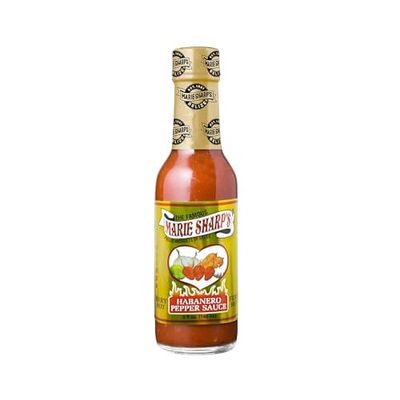
Marie Sharp’s Original Habanero
The habanero sauce that goes on the table with almost everything: stewed chicken, fried dough, ceviche, rice and beans. Fruit-forward heat rather than pure burn.
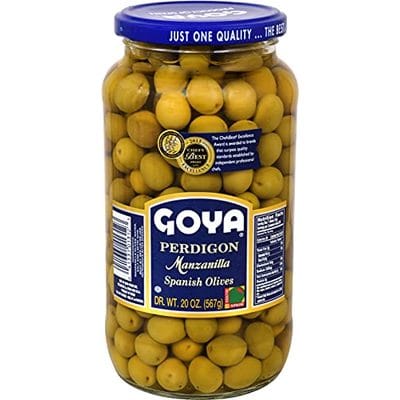
Goya Perdigon Manzanilla Spanish Olives
Queso relleno picadillo needs olives, capers, and raisins working against the pork. Manzanillas are the small, firm grade that hold their shape through the stuffing and the steam.
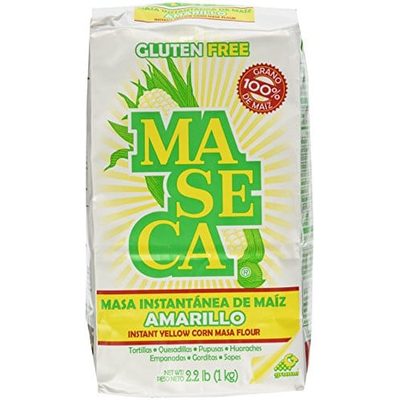
Maseca brand yellow corn masa harina, pre-ground and treated for immediate use in dough for tortillas, tamales, and other corn dough applications.