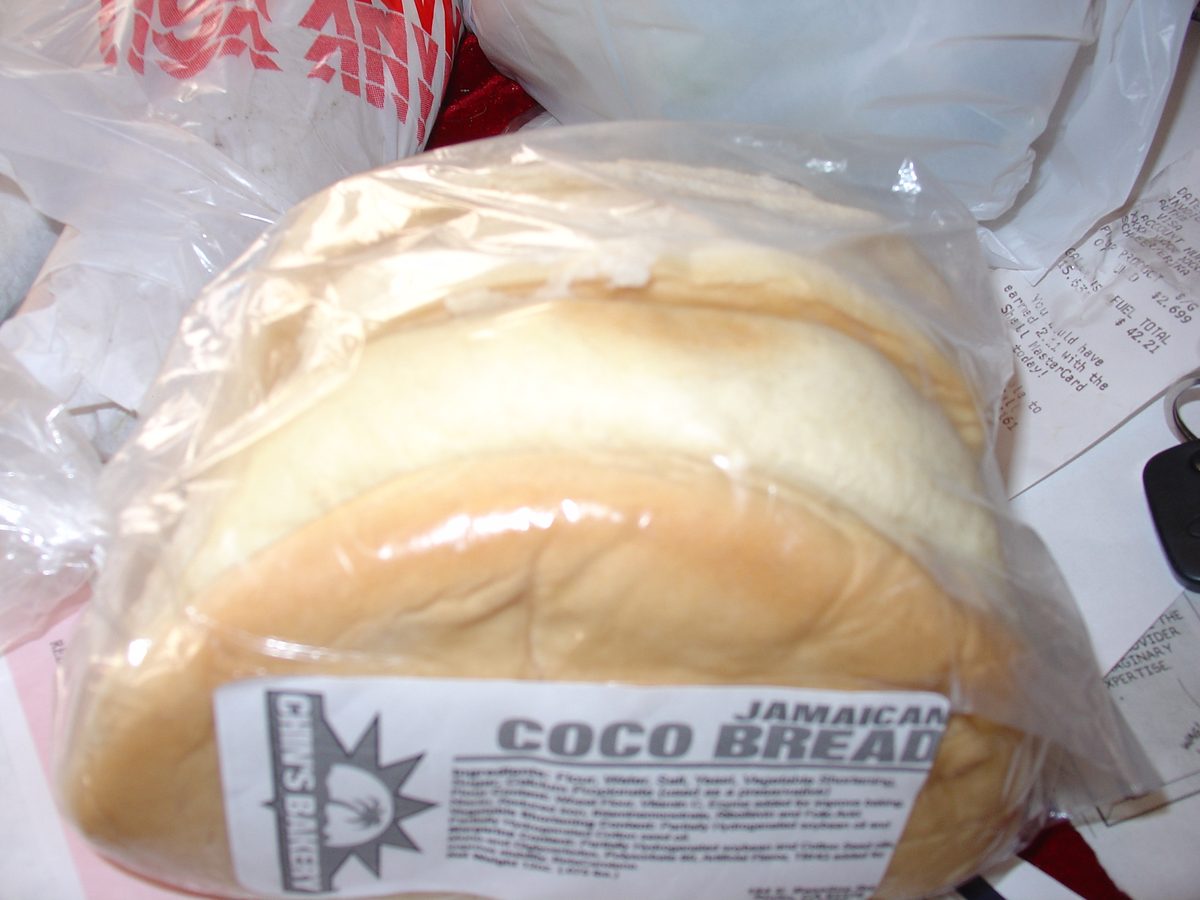
Coco bread is a soft, slightly sweet Jamaican bread made with coconut milk, rolled flat, brushed with butter and folded into a half-moon before baking. The fold is the point: it bakes into two layers you can pull apart, which is what turns it into a pocket for a beef patty.
Ingredients
Amounts here make 8 breads. Coconut milk is the one ingredient that is not negotiable, because it is what the bread is named for.
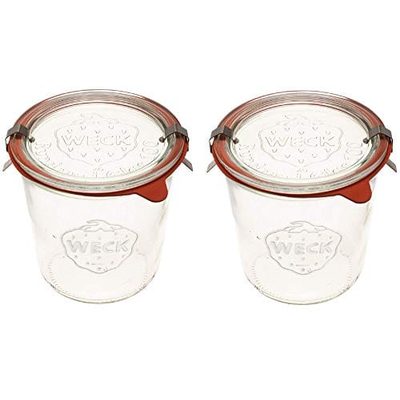
WECK Canning Jars 742 Mold Jars, 1/2 Liter Tall Jar Set (2 Jars)
Spice pastes, ground spices and toasted seeds all keep longer in glass with a silicone seal than in plastic. Tall gasket-sealed glass jars are the editorial pick for paste and spice storage.
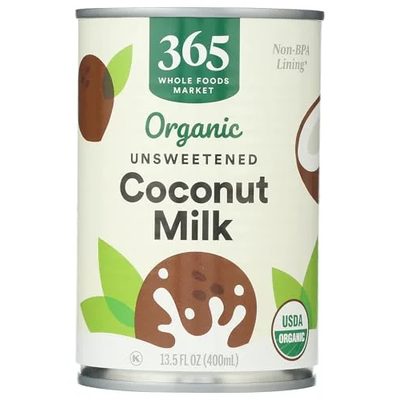
Full-fat coconut milk with nothing added - the choice for recipes where fat carries flavor and texture matters, from soups to baking.
The dough
- 1 cup (240 ml) coconut milk, warmed.
- 3 cups (375 g) all-purpose or baking flour.
- 2 1/4 tsp (7 g) instant yeast, or active dry.
- 1/4 cup (50 g) sugar, white or brown.
- 1 tsp salt.
- 4 tbsp (55 g) butter or margarine, softened.
- 1 egg, optional.
For folding and finishing
- 3 tbsp (40 g) melted butter, margarine, or olive oil, for brushing between the layers.
- A little extra coconut milk or melted butter, for the tops.
If coconut milk is genuinely unavailable, one of the cooks here uses two percent milk instead. It works, and it is a different bread. The coconut milk is where the name and most of the character come from.
Instructions
- Warm the coconut milk, then combine it with the sugar and the yeast. One cook puts it plainly: when the warm milk touches the yeast, it activates immediately.
- Add the flour and salt, along with the butter and the egg if you are using one, and mix until a dough comes together.
- Knead until the dough is smooth and stretchy. About five minutes by hand, or work it by feel until it stops tearing.
- Cover and let it rise somewhere warm until doubled in size.
- Divide into 8 equal balls and roll each into a circle. Do not roll them thin. Thin dough will not give you a fluffy bread.
- Brush the surface of each circle with melted butter, margarine, or oil, then fold it in half into a half-moon. Fold the top over the bottom layer so it finishes closed.
- Rest the folded breads on the baking tray for a second proof, anywhere from 10 to 45 minutes.
- Bake at 320°F to 350°F (160°C to 175°C) until golden brown. Brush the tops with coconut milk before baking, or with melted butter as they come out, either of which keeps them soft.
The Butter Between the Layers Is the Whole Technique
Brushing fat onto the dough before you fold it is not a flavor step. It keeps the two halves from fusing as they bake, which is what leaves you a pocket to open. Skip it and you get a folded bun that has to be cut rather than pulled apart, and the patty does not fit.
Which fat is cook’s choice. Margarine, melted butter, and olive oil all appear, and one cook picks the oil specifically as the lighter option. Any of them does the separating job.
Thickness is the other half. Rolled too thin, the bread bakes dense and flat instead of light, and there is not enough dough to make two proper layers. Roll the circles generously and let the proof do the rest.
Coco Bread and the Patty
Coco bread exists in its most common form as a wrapper. It is made to be split in half and stuffed with a Jamaican patty or another filling to form a sandwich (source), and that combination is treated as the standard order rather than an idea someone had.
So if you are making Jamaican beef patties, this is the other half of the meal. A patty on its own is a snack; a patty inside coco bread is lunch, and the soft sweet bread does something specific against the flaky, peppery pastry it is holding.
It stands on its own too. The cooks name eating it by itself or with a slice of cheese, and it is good enough as a snack that it does not need a patty to justify it. The bread is only faintly sweet, which is what lets it move between those jobs.
Where the Cooks Differ
The kneading, first. One cook gives it a firm five minutes; another greases their hands and works the dough until it is stretchy and nice, without counting. Both are describing the same finish, reached by clock or by feel.
The glaze splits too. Brush the tops with coconut milk before they bake, or with melted butter the moment they come out of the oven. The first protects them from drying in the heat, the second softens them afterwards. Doing both is not a mistake.
Second proof timings run from 10 to 45 minutes across these cooks, which is a wide window because kitchens are different temperatures. Watch the dough rather than the clock: it should look puffed but not slack.
Storage and Make-Ahead
Coco bread is best the day it is baked, when it is still soft enough to pull open with your hands. It keeps two to three days in an airtight container at room temperature, and it firms up as it sits.
Warm a day-old bread for a few minutes in a low oven to bring the softness back. A microwave works for ten seconds and then turns it rubbery, so watch it closely if you go that route.
Baked coco bread freezes well for up to three months. Wrap each one individually, thaw at room temperature, and warm before serving. If you are making a batch to feed a crowd from a patty tray, this is the component to make ahead.
Tips and Variations
Use the coconut milk warm, not hot. Hot liquid kills yeast, and the whole first step depends on the yeast waking up in it. Body temperature is the target.
The egg is optional and it makes a richer, slightly more cake-like crumb. Leave it out for the plainer version, which is the one that carries a patty best. Belize has its own soft sweet breads in the same family of ideas, and our powder buns sit at the sweeter end of that range, made with baking powder rather than yeast and eaten as a snack rather than a wrapper.
Frequently Asked Questions
What is coco bread?
A soft, slightly sweet Jamaican bread made with coconut milk, folded into a half-moon before baking so it bakes in two layers. It is made to be split open and filled, most often with a Jamaican patty.
Why is it called coco bread if there is no cocoa in it?
The name comes from the coconut milk, not from cocoa. It is written both coco bread and cocoa bread, and the cooks are direct about the reason: you use coconut milk, so it is coco bread.
Why do you brush butter on before folding?
To stop the two halves fusing together in the oven. The fat keeps the layers separate so the baked bread pulls apart into a pocket instead of baking into one solid bun.
Can I use regular milk instead of coconut milk?
You can, and one of these cooks names two percent milk as the substitute when coconut milk is not available. It will be a good soft bread, but coconut milk is what gives coco bread its name and its flavor.
Why did my coco bread come out dense?
Most often the dough was rolled too thin before folding, which the cooks name specifically. Under-proofing does it too. The bread should be light, soft, and stretchy, and it needs enough dough and enough rise to get there.
How many does this recipe make?
Eight breads, from 3 cups (375 g) of flour and 1 cup (240 ml) of coconut milk. That is one each for a batch of patties, which is the ratio worth planning around.
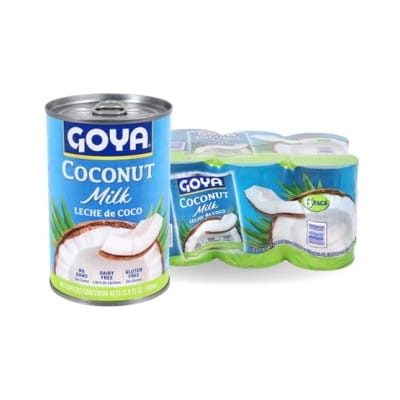
Goya Coconut Milk 13.5 oz (6-pack)
Creole bread's richness is two full cups of coconut milk kneaded into the dough. A six-pack means the next bake is already covered.
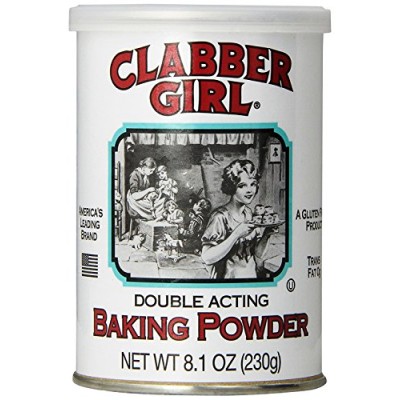
Clabber Girl Double Acting Baking Powder, 8.1 oz
Double-acting polvo para hornear — the lift behind rosquillas and quick breads.