Jamaican cornmeal porridge is fine cornmeal cooked slowly into spiced, sweetened milk until the grains go soft. It is a Saturday morning staple and the breakfast children are sent to school on, because it holds you for hours. Two things decide whether it comes out right: how you add the cornmeal, and how long you let it cook.
Ingredients
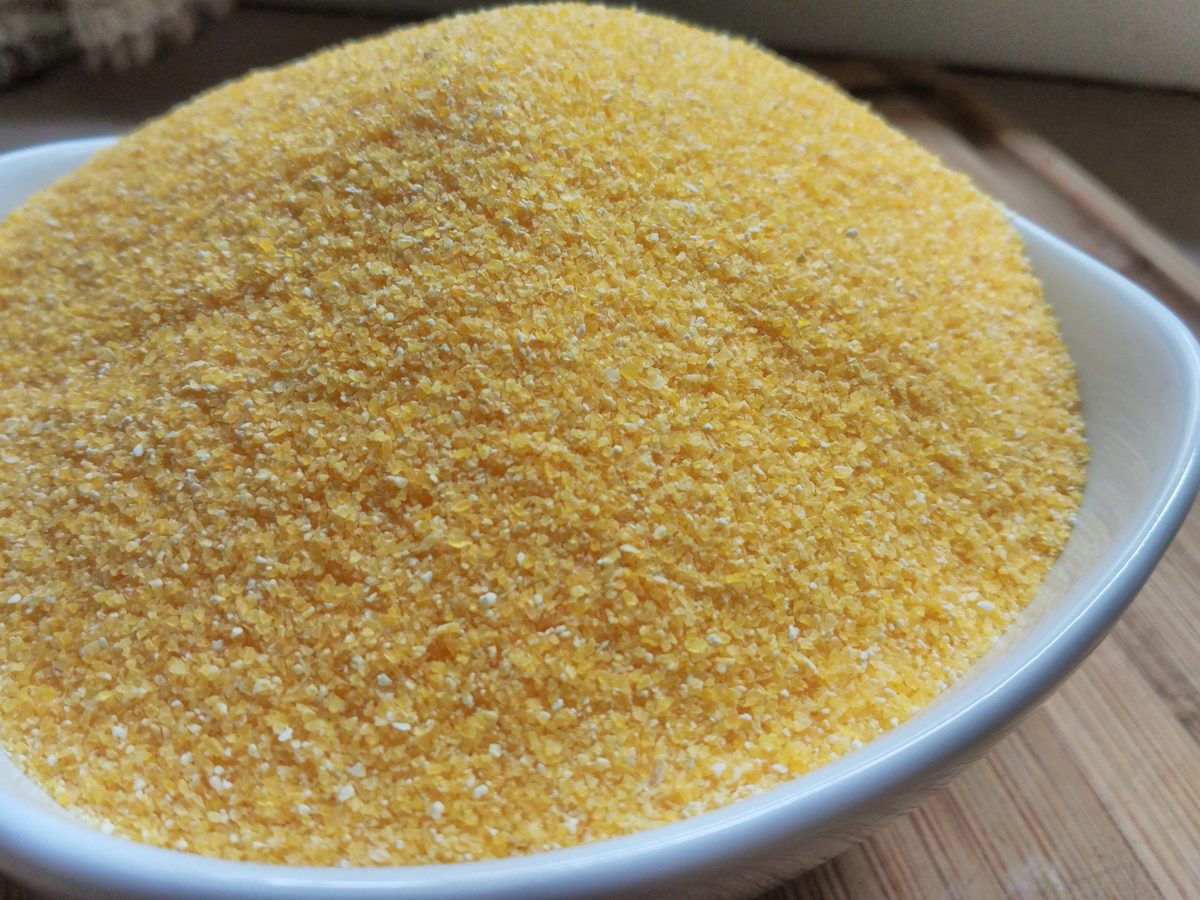
Amounts here serve four. Use the fine grind for porridge; the medium grind is for cornmeal as a meal, and an experienced cook keeps both.
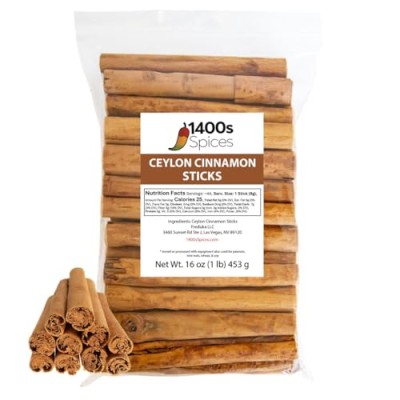
1400S Spices Ceylon Cinnamon Sticks from Sri Lanka, 1lb (Canela Entera)
Ceylon cinnamon is sweeter and milder than cassia — the right choice for atole, conkies, and sweet drinks. These are whole dried sticks from Sri Lanka.
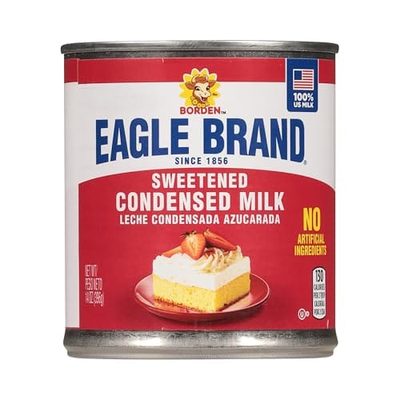
Flan, dulce de leche, fudge, key lime pie, fruit cake: Belizean and Caribbean desserts are built on a can of sweetened condensed milk. The 14oz can is the standard size every recipe assumes.
The base
- 1 cup (160 g) fine cornmeal.
- 4 cups (950 ml) water, plus 1 cup (240 ml) cold water for the slurry.
- 1 cup (240 ml) coconut milk.
Spice
- 2 cinnamon sticks, or a few cinnamon leaves.
- 1 tsp freshly grated nutmeg.
- A pinch of sea salt.
To enrich and sweeten
- 1/2 cup (120 ml) evaporated milk, or whole milk.
- 1/3 cup (100 g) sweetened condensed milk, to taste.
- 1 tsp vanilla.
- 2 tbsp brown sugar, only if you are not using condensed milk.
- A few drops rose water, optional.
Instructions
- Bring the water to a boil with the cinnamon and nutmeg and let the spices infuse. The kitchen should smell of it before any cornmeal goes in.
- Mix the dry cornmeal with the cold water in a separate bowl until smooth. Skip this and you will get lumps, which is the single most common failure.
- Pour the cornmeal slurry into the boiling spiced water while stirring hard, and keep stirring until it returns to a boil.
- Lower the heat and let it cook 15 to 30 minutes, until the grains are properly soft. Leave the pot cover slightly ajar so it does not boil over.
- Stir in the coconut milk and the evaporated milk.
- Finish with condensed milk to sweeten, the vanilla, and more grated nutmeg. Taste and adjust the spice at the end rather than the beginning.
The Slurry Is Not Optional
Cornmeal tipped dry into boiling liquid seizes into lumps immediately, and no amount of stirring afterwards fully recovers it. Mixing it with cold or room-temperature water first hydrates the grains so they disperse instead of clumping.
Then stir hard while it goes in, and keep stirring until the pot comes back to a boil. That is the window where lumps form, and once it is simmering the risk passes.
Cook it long enough afterwards. Fifteen to thirty minutes on low heat is what softens the grains, and porridge pulled early is gritty in a way that sweetening cannot hide. Leave the cover slightly ajar, because cornmeal porridge boils over readily.
Spice the Water First
The order matters more than the quantities here. Cinnamon and nutmeg go into the water and infuse before the cornmeal arrives, so the flavour is in the liquid the grains cook in rather than stirred over the top at the end.
Cooks use the smell as the test: the house should smell of the spices before you add anything else. Cinnamon leaves work in place of sticks if you have them, and fresh nutmeg grated at the pot beats the pre-ground jar by a wide margin.
Save some nutmeg for the end anyway. A final grating over the finished pot is standard, and it is the difference between porridge that smells of spice and porridge that only tastes of it.
Sugar or Condensed Milk, Not Both
Two of these cooks say to leave the brown sugar out if you are finishing with condensed milk, because the combination thins the porridge and it goes watery. Another uses both and is happy with it. If you want it thick, pick one.
Thickness has other levers too. One cook adds a little flour with the cornmeal so the porridge does not go watery so easily, while others keep it strictly cornmeal. Oats turn up in some kitchens, and one cook adds a tablespoon of flaxseed.
None of those are required, and all of them are Jamaican. The base recipe is cornmeal, spiced liquid, and milk; everything after that is a household preference.
Storage and Make-Ahead
Cornmeal porridge thickens dramatically as it cools, and it will set almost solid in the refrigerator. That is normal and not a fault.
It keeps three days covered in the refrigerator. Reheat gently with a splash of milk or water, stirring until it loosens back to a pourable consistency. Do not try to thin it cold; it needs the heat to come back together.
It does not freeze well, since the texture breaks on thawing. Better to make a fresh pot, which takes half an hour, than to keep it longer than a few days.
Tips and Variations
Serve it with hard dough bread or Jamaican crackers, often broken up straight into the bowl. That is the standard service, and it turns a bowl of porridge into a breakfast that lasts.
Corn porridge for breakfast is a regional habit rather than a Jamaican one. Our Belizean green corn porridge starts from fresh green corn ground down rather than dried cornmeal, which makes it sweeter and lighter, and the Central American corridor takes the same idea toward drinks in atol de elote. Same grain, three different breakfasts.
Frequently Asked Questions
How do I stop cornmeal porridge going lumpy?
Mix the dry cornmeal with cold or room-temperature water into a smooth slurry before it goes anywhere near the pot, then pour it into the boiling liquid while stirring hard. Dry cornmeal straight into boiling water lumps instantly.
Which cornmeal should I use?
The fine grind. Experienced cooks keep both and use medium for cornmeal as a meal, fine specifically for porridge. Coarser meal takes longer to soften and stays gritty.
How long does it need to cook?
Fifteen to thirty minutes on low heat after it returns to the boil, until the grains are properly soft. Leave the pot cover slightly ajar so it does not boil over.
Should I use sugar and condensed milk together?
Two of these cooks say no, because using both makes the porridge watery, and they drop the sugar when they use condensed milk. A third uses both. If your porridge is coming out thin, that is the first thing to change.
What is it served with?
Hard dough bread or Jamaican crackers, often broken directly into the bowl. It is a Saturday morning staple and a school-morning breakfast because it keeps you full for a long time.
How much does this make?
Four servings, from 1 cup (160 g) of fine cornmeal. It thickens as it stands, so make it slightly looser than you want to eat it.
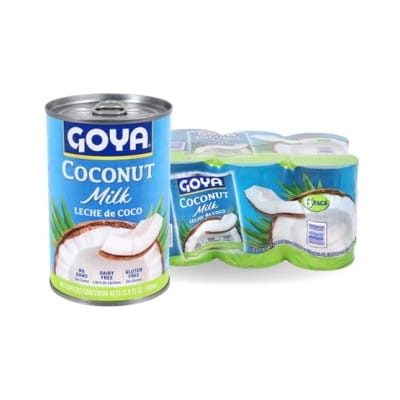
Goya Coconut Milk 13.5 oz (6-pack)
Creole bread's richness is two full cups of coconut milk kneaded into the dough. A six-pack means the next bake is already covered.
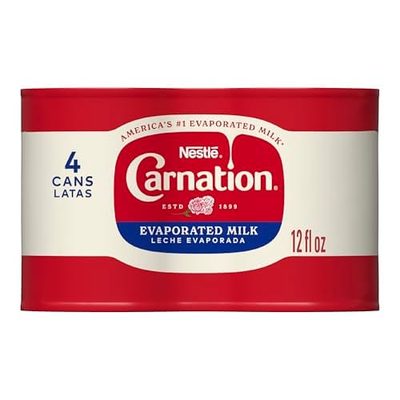
Nestlé Carnation Evaporated Milk, 12 fl oz, 4-Pack
Flan, custard, and Belizean coconut tart filling all build on evaporated milk's reduced water content. The 12oz can is the diaspora pantry standard.
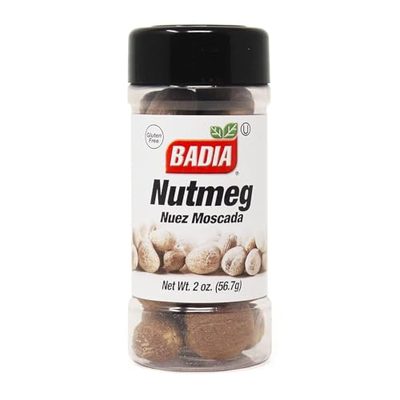
Whole seeds you grate fresh; the recipes that call for grated nutmeg mean this, not the pre-ground jar.