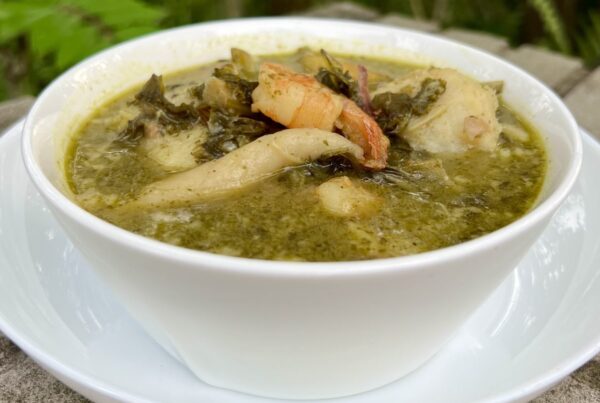
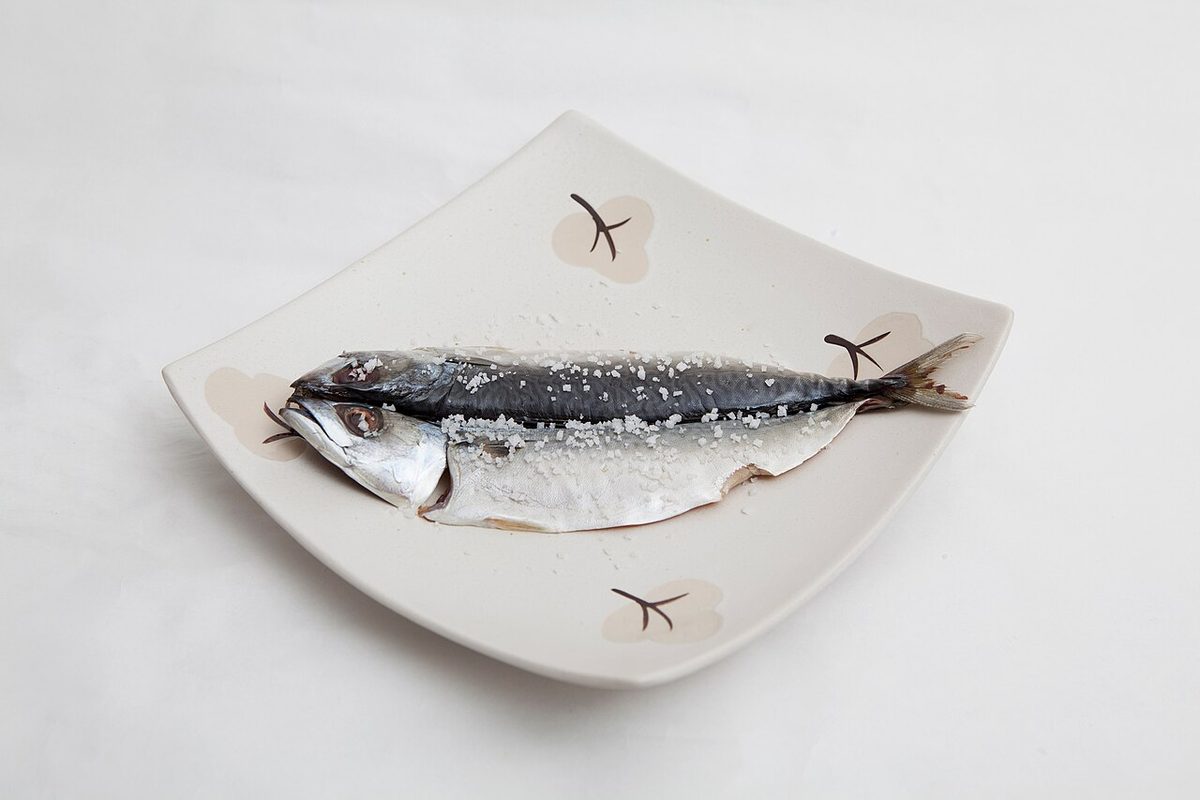
Rundown is coconut milk boiled until it breaks into oil and custard, with salt mackerel or saltfish simmered in what is left. The name is the method: the milk runs down. Get that reduction right and the dish makes itself, because the sweetness of the custard against the salt of the fish is the entire flavour idea.
Ingredients
Amounts here serve four. Fresh coconut milk is what the cooks call the original way, and it is the ingredient that most changes the result.
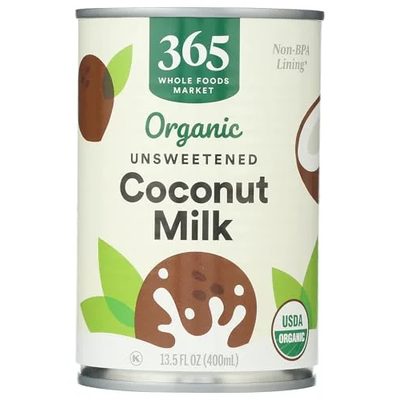
Full-fat coconut milk with nothing added - the choice for recipes where fat carries flavor and texture matters, from soups to baking.
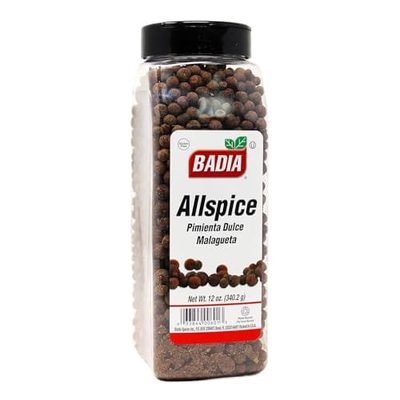
Whole allspice berries you grind fresh; the warm, complex spice flavor is strongest when ground right before use, unlike pre-ground powder.
The fish and the coconut
- 1 lb (450 g) salt mackerel, or salted codfish.
- 2 cups (475 ml) rich coconut milk, squeezed from 1 dry coconut, or canned.
Aromatics and vegetables
- 1 onion, sliced.
- 3 scallions, chopped.
- 3 garlic cloves, minced.
- 4 sprigs fresh thyme.
- 1 Scotch bonnet pepper.
- 1 plum tomato, optional, for acidity.
- 6 okra, optional.
Seasoning
- 1 tsp pimento seeds (allspice berries).
- 1 tsp black pepper.
- 1 tsp all-purpose seasoning.
Instructions
- Simmer the salt mackerel or saltfish in a generous amount of water for 10 to 15 minutes to pull the salt down.
- Drain it and clean it properly: skin, bones, fins and scales all come off.
- Boil the coconut milk on its own until it thickens and separates into oil and custard. This is the step the dish is named after and it cannot be rushed.
- Build the flavour into that base: onion, scallion, garlic, thyme, pimento, black pepper, the tomato and okra if you are using them, and the Scotch bonnet.
- Add the cleaned fish and let it simmer in the reduced coconut until the surface goes custardy.
- Turn the heat up for the last couple of minutes to bring the custard fully to the top.
The Milk Has to Break
Everything about rundown depends on one moment: coconut milk boiled far enough that it separates into oil and a thick custard. That is what the name describes. The milk runs down to a custard, and the fish cooks in that rather than in a sauce.
Which makes it the reliable tell for whether a rundown is real. If what you have is a thin white coconut sauce with fish in it, the reduction never happened. Cooks look for the visible oil and custard, not for a creamy liquid.
One cook finishes by turning the heat up for two minutes at the end, specifically to bring the custard to the surface. If your pot looks close but not quite there, that is the move.
Salt Against Sweet
The seasoning philosophy here is restraint. The dish runs on the sweetness of coconut custard against the salt of preserved fish, and cooks are clear that heavy external spicing is not what makes it work.
That is why the desalting matters in both directions. Ten to fifteen minutes in plenty of water pulls the salt down to where it is seasoning rather than assault, and you want to stop there rather than washing the fish out entirely.
Clean the fish properly once it is boiled. Skin, bones, fins and scales all come out, because in a dish where the fish flakes into custard, anything you leave behind ends up in someone’s spoon.
Where the Cooks Split
Texture first. One cook minces the fish finely; another deliberately leaves it chunky on the grounds that it flakes as it cooks anyway. Both end up in the custard; the chunky version keeps more presence on the plate.
Sequence second. Two cooks reduce the coconut milk first, then sauté the aromatics into the broken custard. Another puts the vegetables into the milk from the start and lets everything cook down together. The first gives you more control over the reduction, the second is one pot less fuss.
And the coconut itself. All of them prefer fresh, squeezed from a dry coconut. Two accept canned as a substitute and one uses only homemade. If you squeeze your own, keep the leftover pulp: one cook turns it into coconut dumplings to serve alongside, which is the same thrift that turns coconut trash into toto.
Rundown Is Not Oil Down
The cooks make this distinction themselves. Trinidad and Grenada have oil down, and rundown is the Jamaican dish. They share the logic of cooking in reduced coconut milk and they are not the same thing.
The Garifuna coast makes the same argument in a different direction. Our Belizean sere cooks seafood in coconut milk too, but keeps it as a broth rather than reducing it until it breaks, and it carries cassava and plantain in the pot. Pour that same broth over mashed green plantain and it becomes hudut. If you want the whole family of them laid out, we have hudut, sere, tapou and tapado explained side by side.
Rundown is breakfast in Jamaica, served with ground provisions: yellow yam, boiled green banana, and cornmeal dumplings. That pairing is worth knowing before you cook it, because the dish is rich and salty and it is built to sit against something plain and starchy.
Storage and Make-Ahead
Desalt and clean the fish the day before. That is the slow, fiddly part, and it keeps perfectly well covered in the refrigerator overnight.
Finished rundown keeps two to three days refrigerated. The coconut fat firms up as it chills and the whole thing sets, which is normal. Reheat gently over low heat and it comes back together; a hard boil at that stage splits it unpleasantly.
It does not freeze well. Coconut milk that has already been broken once tends to go grainy on thawing, and the fish loses its texture.
Tips and Variations
A plum tomato is one cook’s addition for a bit of acidity against the richness, and it is a good instinct in a dish this heavy on coconut fat. Okra appears in some pots and not others.
If you are using canned coconut milk, buy the richest you can find and do not shake the can: the thick cream at the top is what breaks into custard most readily. It will still not taste like fresh, which every cook here says outright.
Frequently Asked Questions
What is Jamaican rundown?
A Jamaican dish of salt mackerel or saltfish simmered in coconut milk that has been boiled down until it separates into oil and custard. The name comes from that reduction: the milk runs down.
How do I know when the coconut milk is ready?
When it thickens and visibly separates into oil and a custard. A thin white sauce means it has not reduced far enough, and that is the difference between rundown and a generic coconut fish dish.
Which fish should I use?
Salt mackerel or salted codfish. Both are traditional, and the salt is part of the design: the dish balances the sweetness of coconut custard against the saltiness of preserved fish.
Can I use canned coconut milk?
Two of these cooks say yes as a substitute, and one uses only fresh. All of them prefer milk squeezed from a dry coconut, and describe that as the way to get the classic flavour.
Should the fish be minced or chunky?
Either. One cook minces it finely; another leaves it chunky because it flakes as it cooks. Chunky keeps more texture in the finished dish.
What is rundown served with?
Ground provisions: yellow yam, boiled green banana, and cornmeal dumplings. It is usually a breakfast dish in Jamaica.
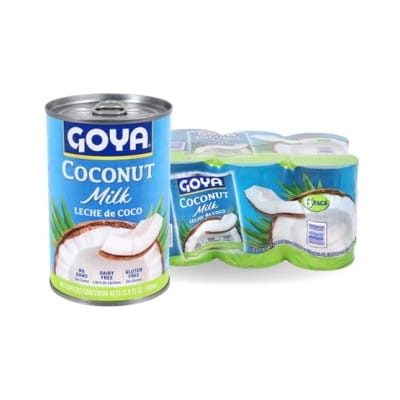
Goya Coconut Milk 13.5 oz (6-pack)
Creole bread's richness is two full cups of coconut milk kneaded into the dough. A six-pack means the next bake is already covered.

Scotch bonnet blended with West Indian red peppers: the everyday bottle that sits on a Jamaican table rather than a specialty sauce bought for one dish. The two-pack is the sensible buy for a household that cooks Jamaican food regularly.