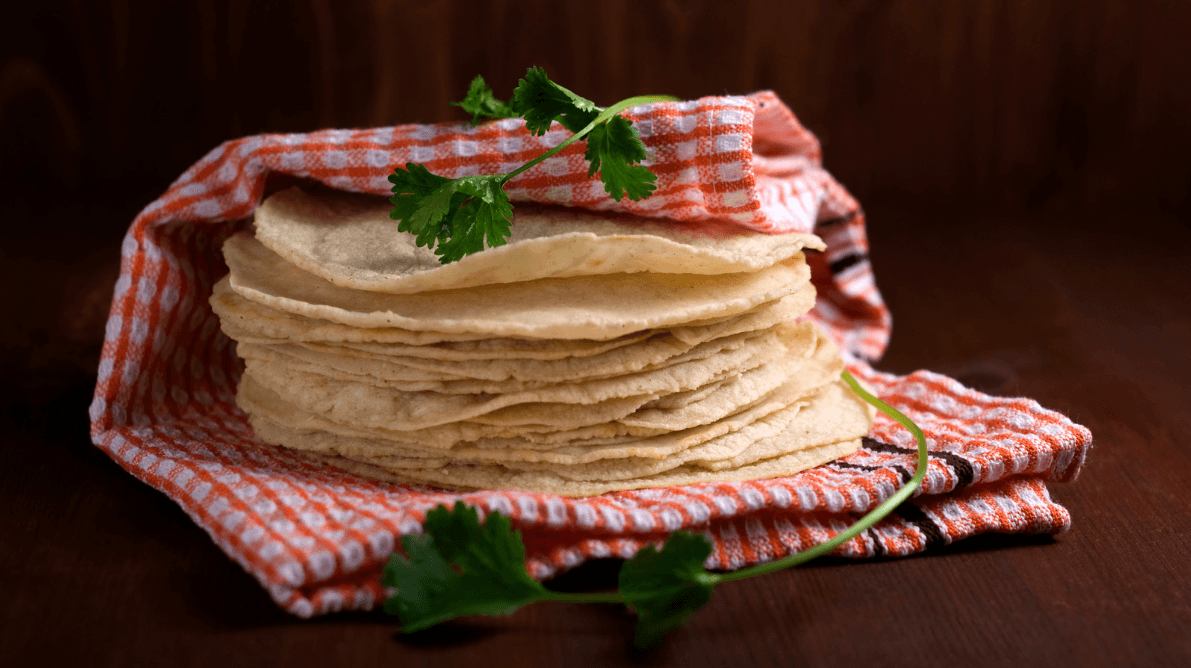
Belizean corn tortillas are small, round flatbreads made from masa (ground corn dough), pressed by hand or with a tortilla press and cooked dry on a comal. They are the foundation of some of the most important dishes in northern Belize: salbutes, panuchos, panades, and Orange Walk tacos all start here, with this dough, pressed this thin, cooked this way.
The corn tortilla is not the same as the flour tortilla. In northern Belize you find both. The flour tortilla is softer, more forgiving. The corn tortilla has more to it. A little bite. It holds up under the beans and the oil and the toppings. For salbutes, for panuchos, you need corn. Flour will not do the same thing.
This is not a difficult recipe. It is a repetitive one. You make one batch and by the end of it your hands know what the dough should feel like. That is how you learn it. Not from reading. From doing.
Ingredients
This recipe makes 20 to 24 small tortillas, about 3 to 4 inches across. Enough for a meal for 4 to 6 people, or a full batch of salbutes or panuchos.
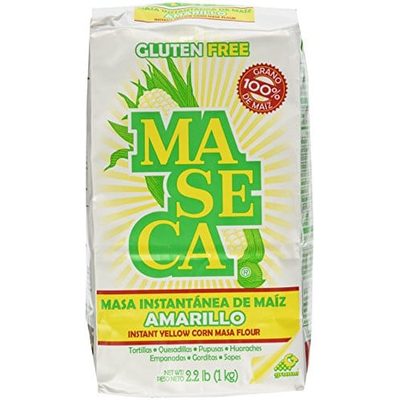
- 2 cups masa harina. Maseca is what you will find in Belize and in most Latin grocery stores in the US and UK. It is the right product. Do not use regular cornmeal or polenta. They are different products. See the Maseca guide if you are not sure.
- 1 1/4 cups warm water. Start with this amount. You may need a little more or less depending on your masa harina and your humidity.
- 1/2 teaspoon salt.
Instructions
Mix the Masa
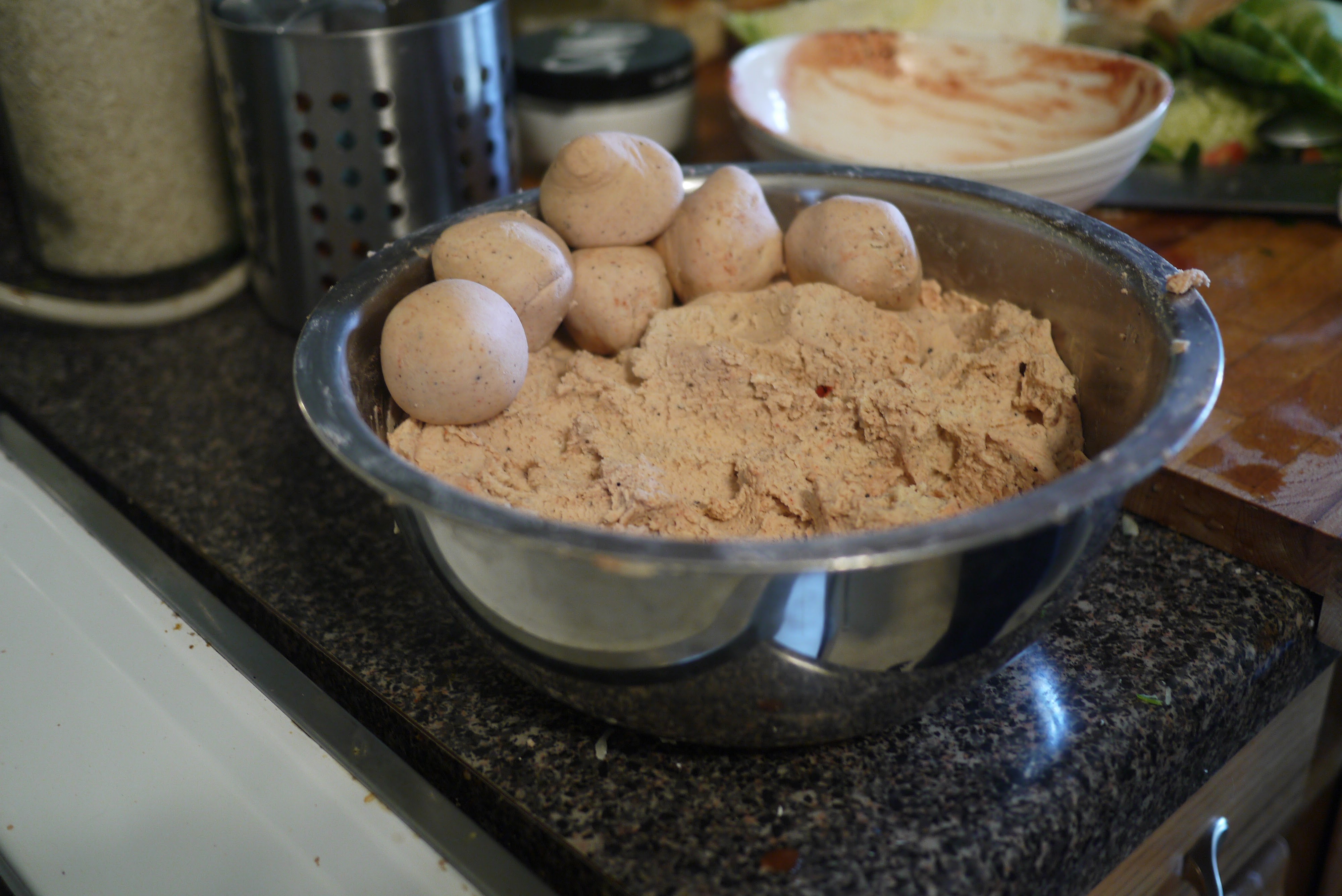
- Combine masa harina and salt in a large bowl. Add the warm water gradually, mixing with your hands as you go. Work the dough until it comes together into a smooth, uniform ball. No dry patches, no cracking at the edges. If the edges crack when you press a piece flat, add water one tablespoon at a time and work it in. If it sticks to your hands, add a pinch more masa harina. When it is right, the dough holds its shape without sticking or crumbling. Rest it 5 minutes under a damp cloth before forming.
Form the Balls
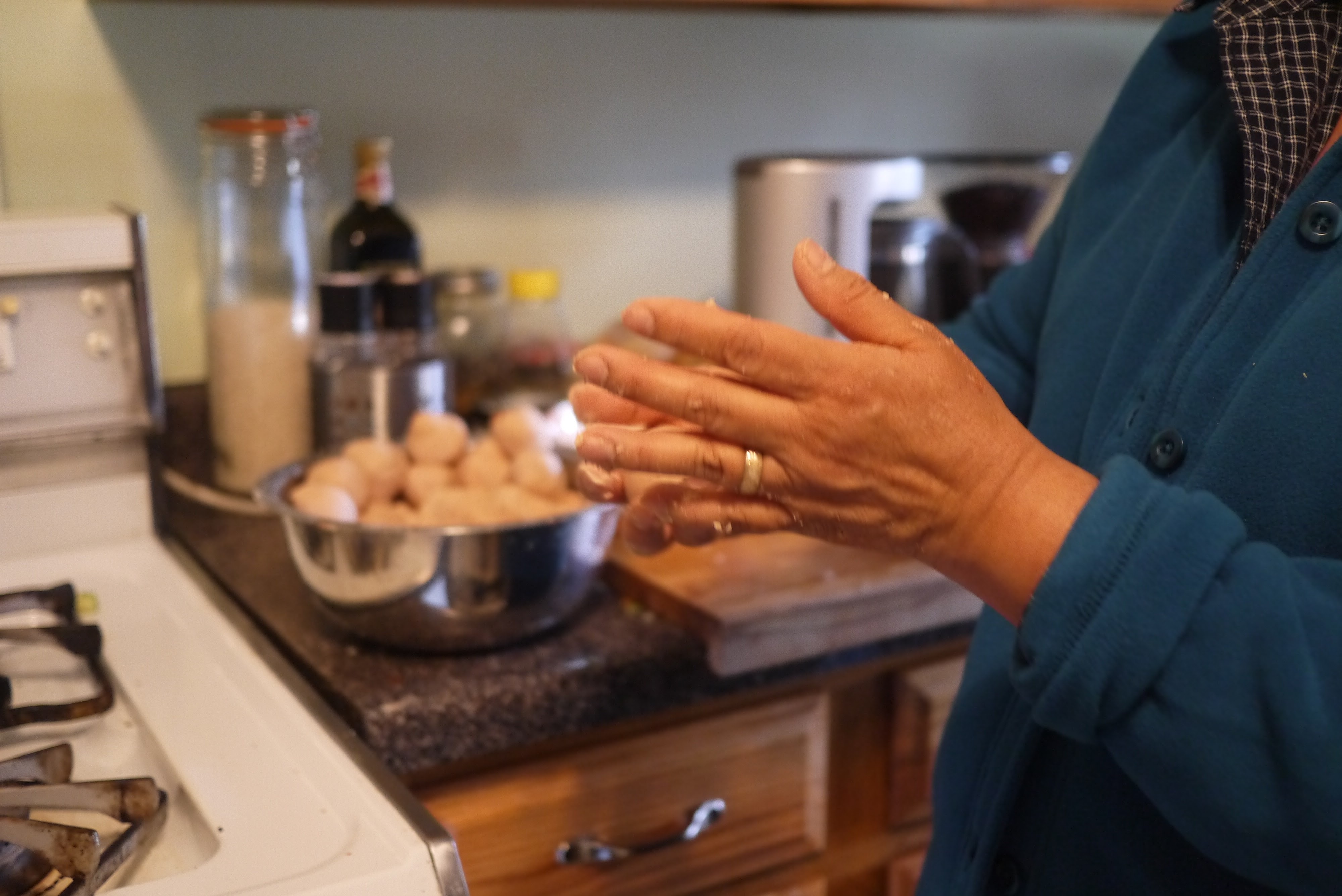
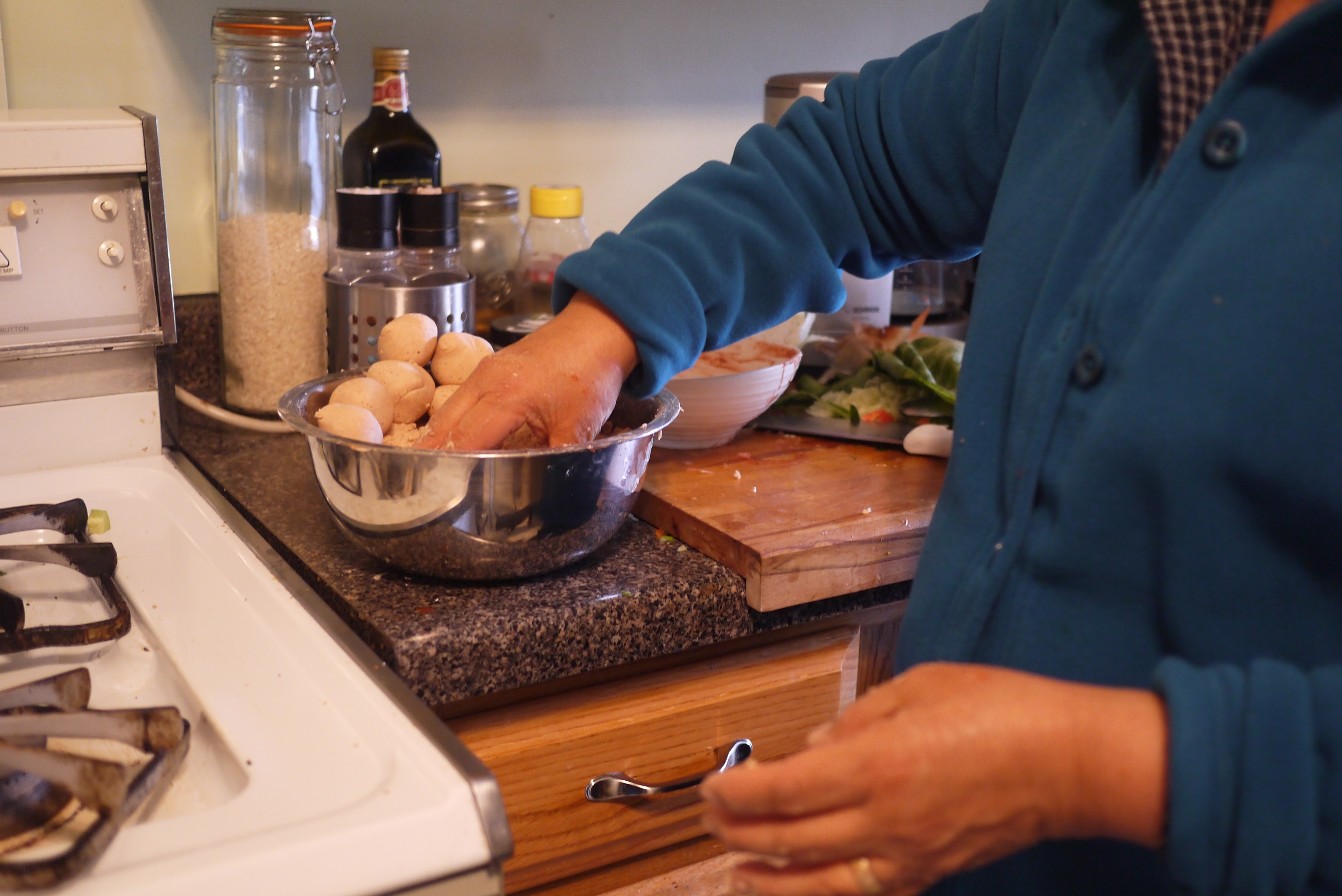
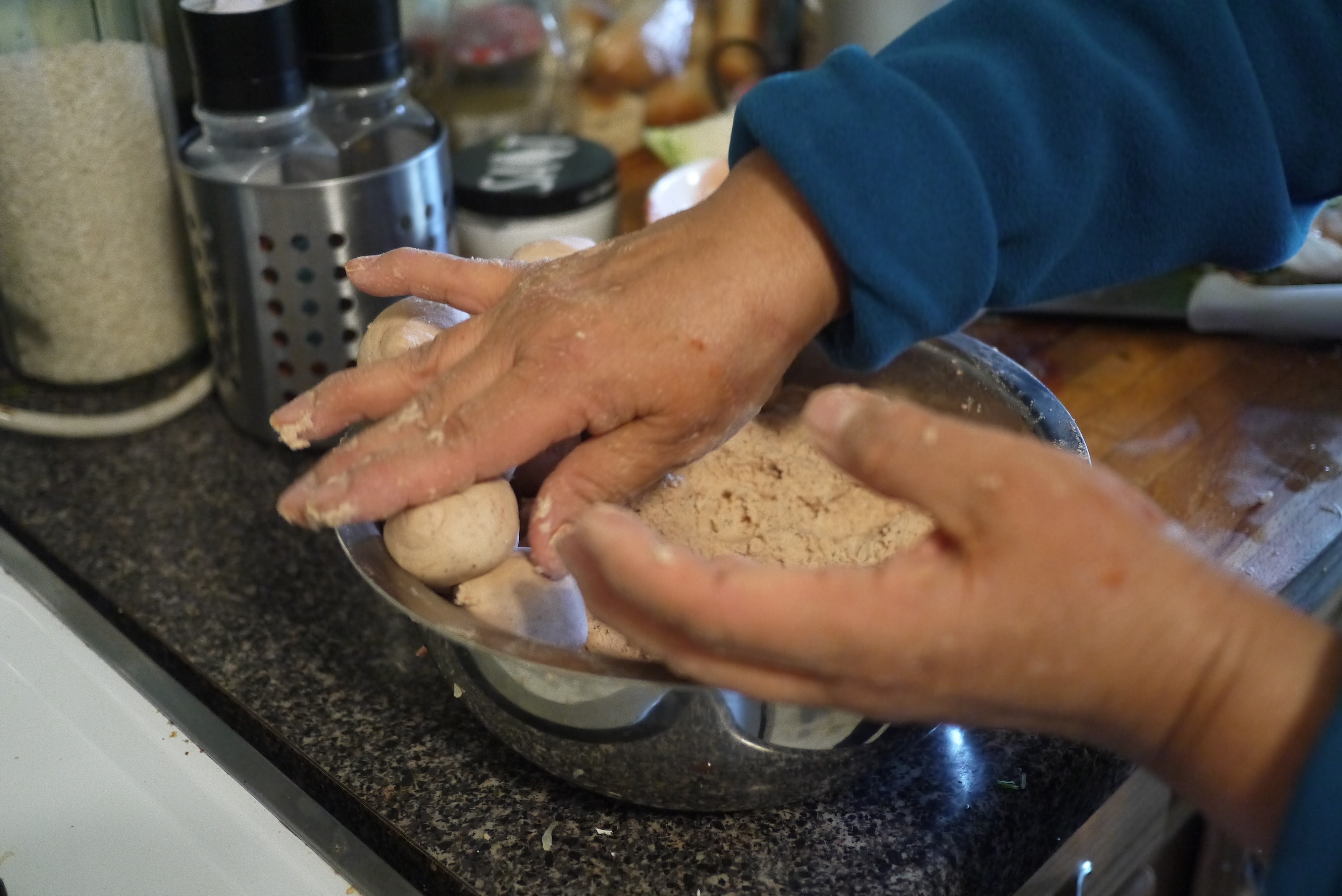
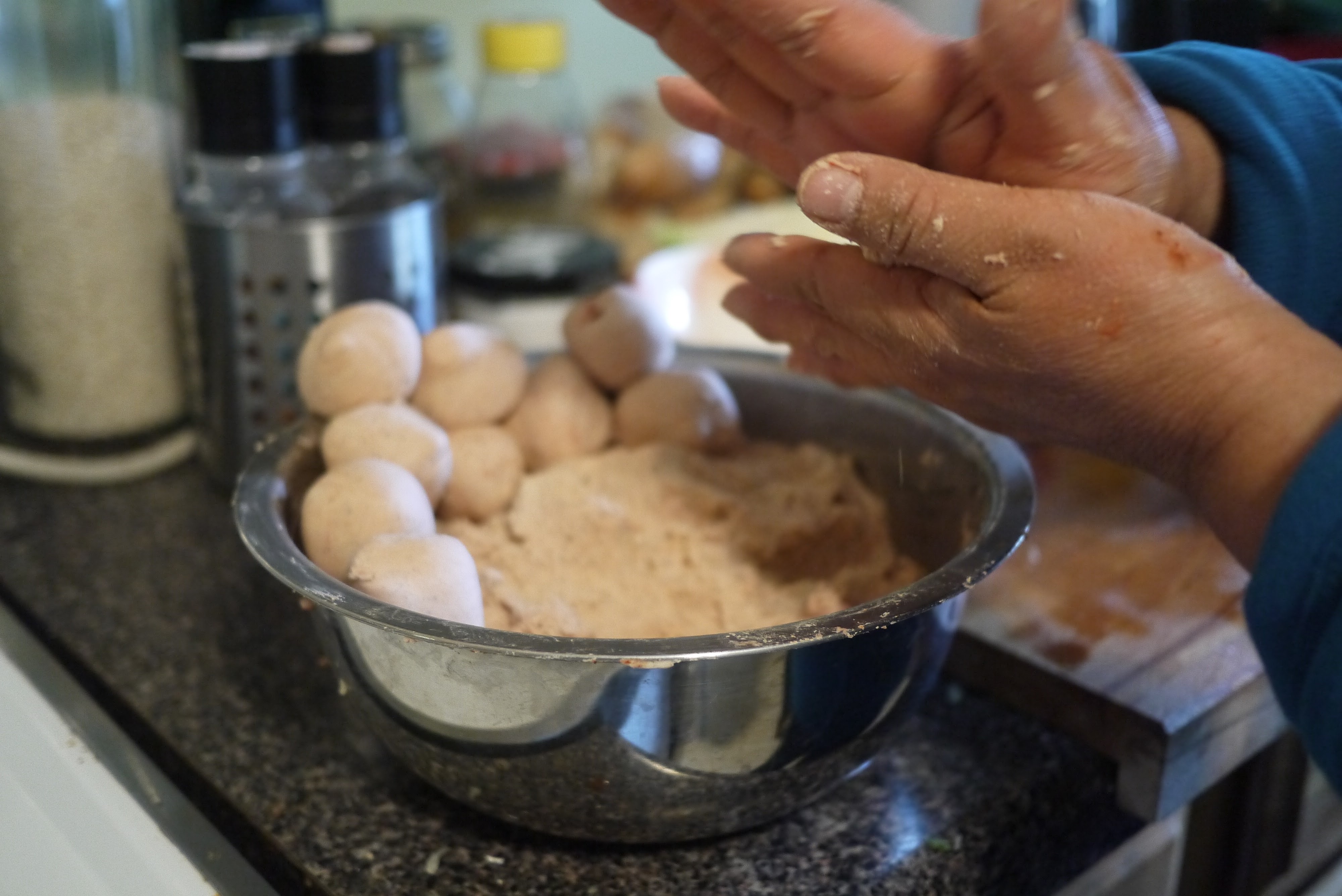
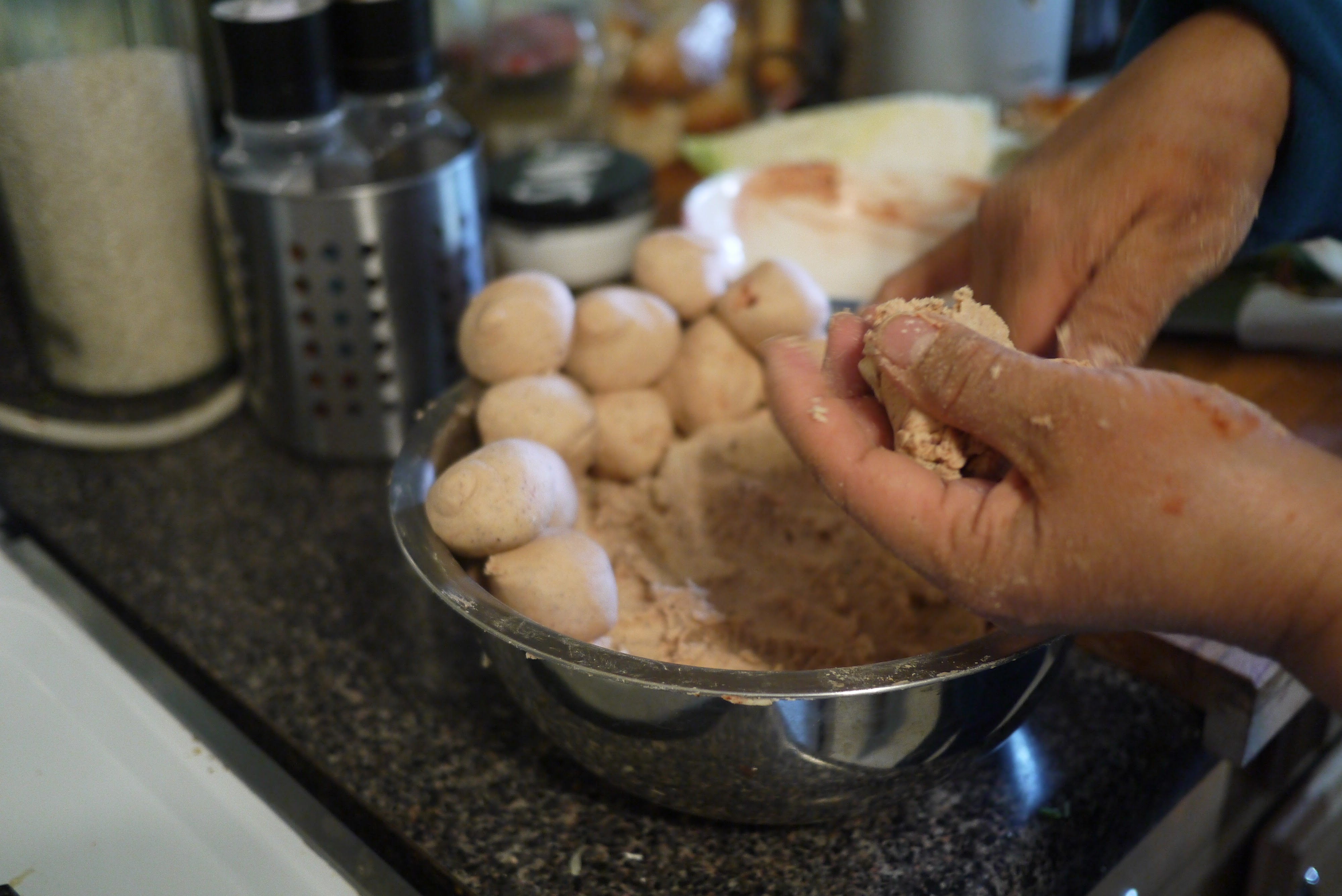
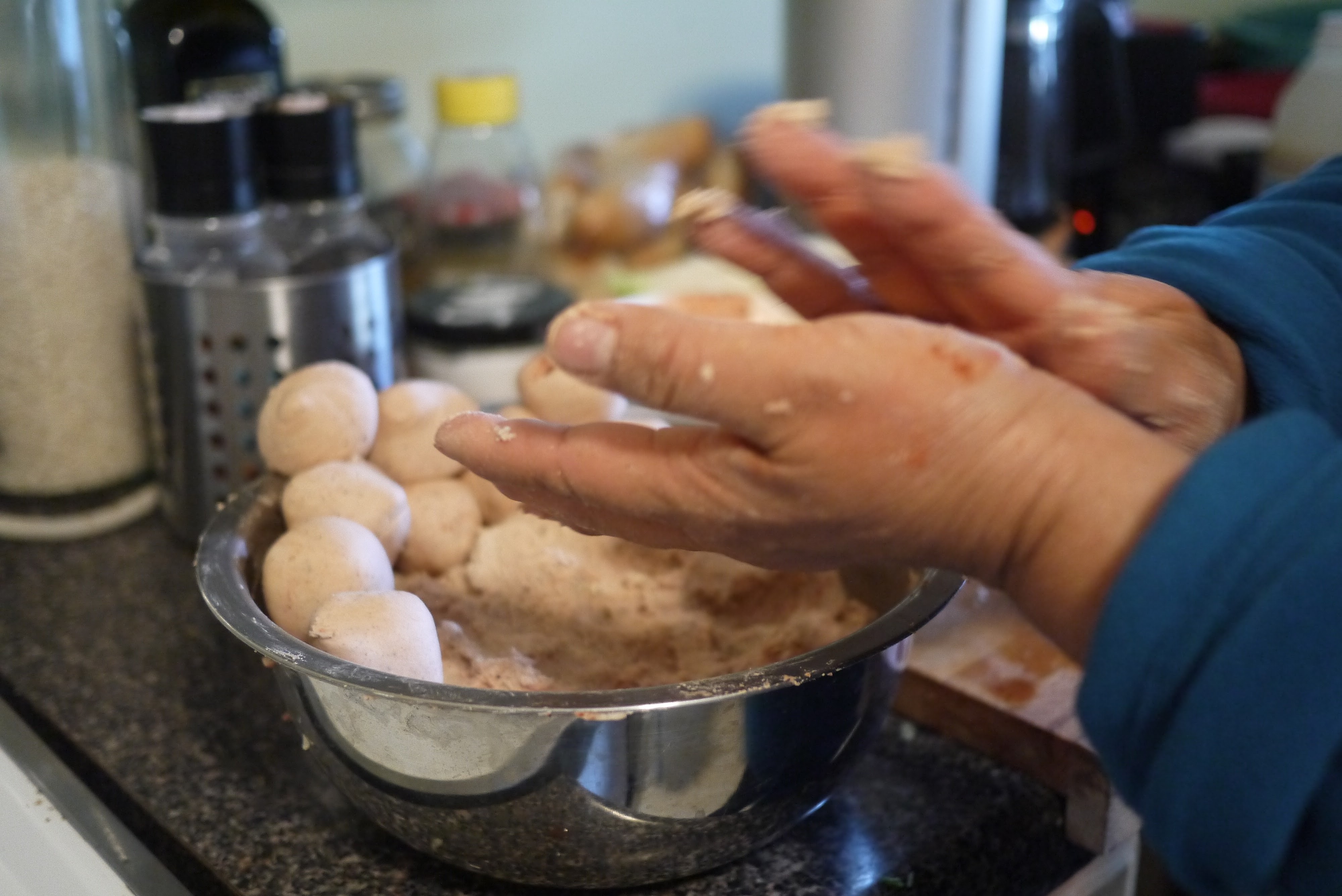
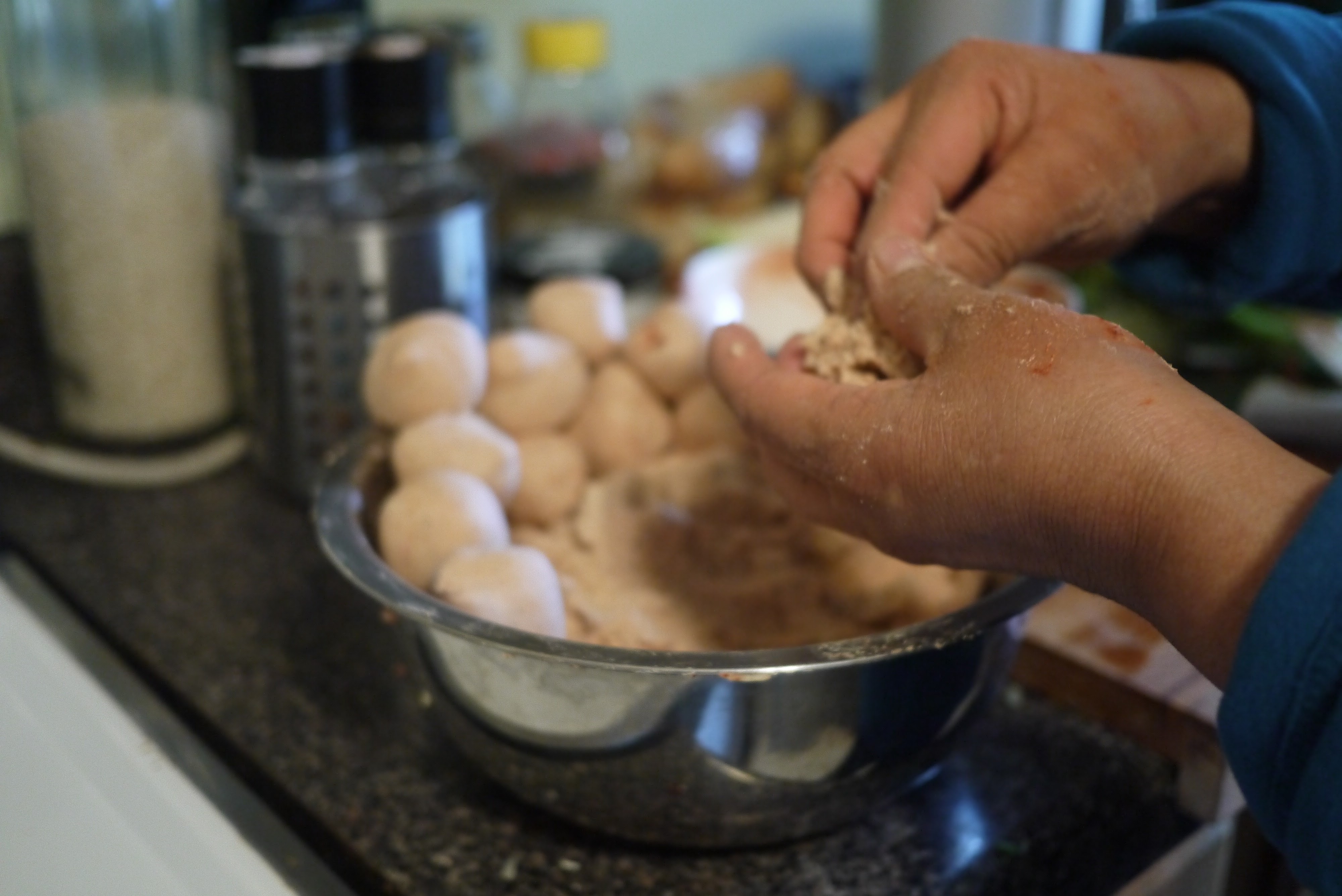
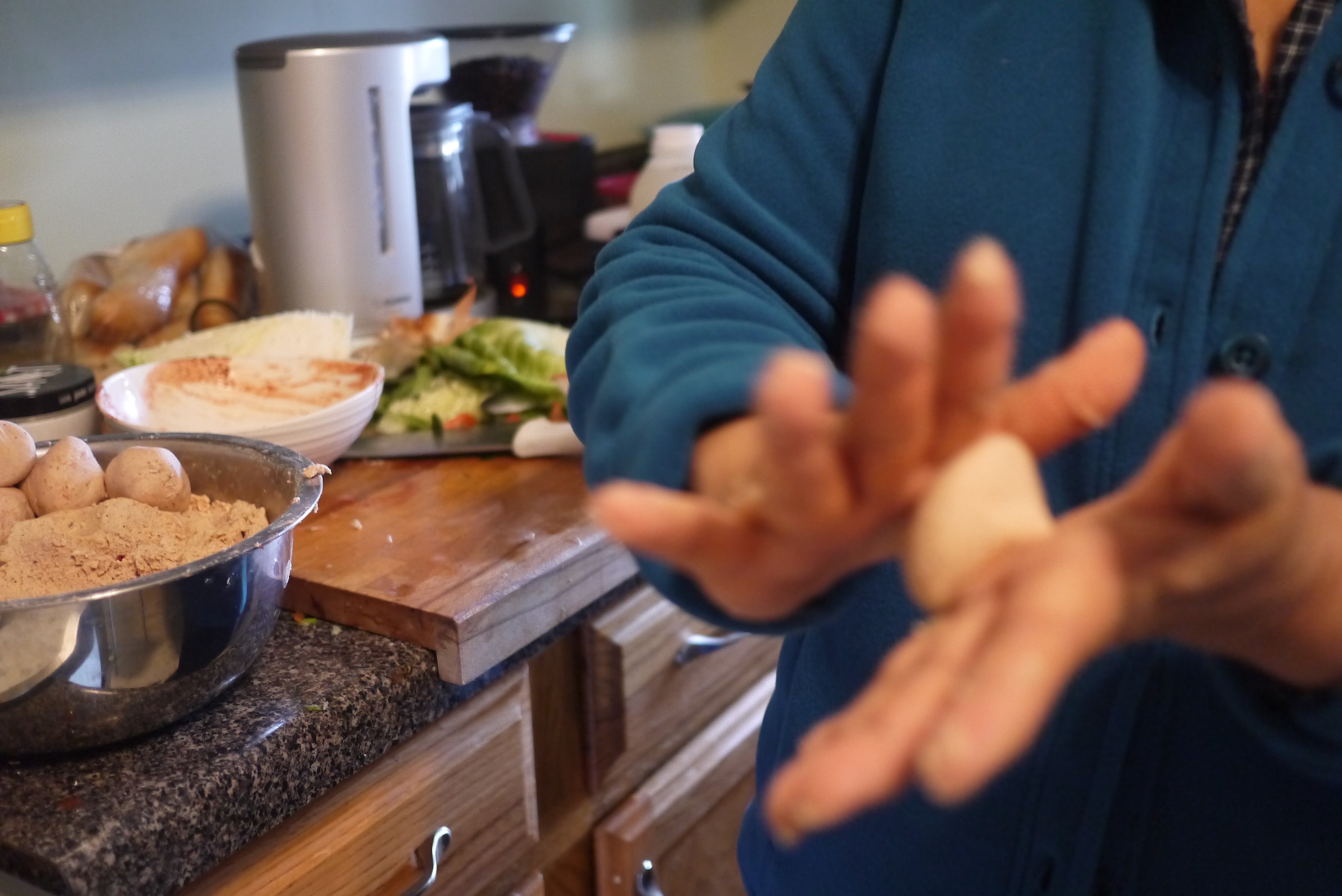
- Moisten your hands lightly. Just damp, not wet. Pinch off a piece of dough and roll it between your palms into a smooth ball, about the size of a golf ball, 1 to 1.5 inches across. The surface should be smooth with no cracks. A cracked ball makes a tortilla with rough, breaking edges. Set the formed balls on a plate and cover with a damp cloth so they do not dry out while you work through the batch.
Press and Cook
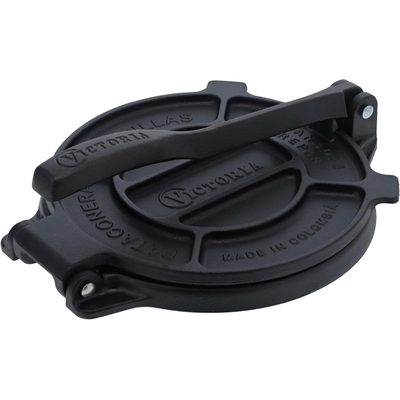
- Cut two squares of plastic from a zip-lock bag, or use a piece of plastic wrap. Place one square on the bottom plate of the tortilla press. Set a masa ball in the center and place the second square on top. Close the press and push the handle down firmly. Open and check: the tortilla should be about 3 to 4 inches across and no thicker than 1/4 inch. If making panuchos, run your fingers around the pressed edge to create a very slight ridge. This helps the pocket form on the comal.
- Peel the pressed tortilla off the plastic slowly, starting from one edge. Lay it on a hot dry comal or cast iron pan over medium-high heat. First side: 60 to 90 seconds, until the edges look dry and the tortilla releases without sticking. Flip. Second side: 60 seconds. A well-cooked tortilla will puff slightly. Stack finished tortillas under a cloth to keep them warm and pliable. Do not leave them uncovered or they will dry and crack.
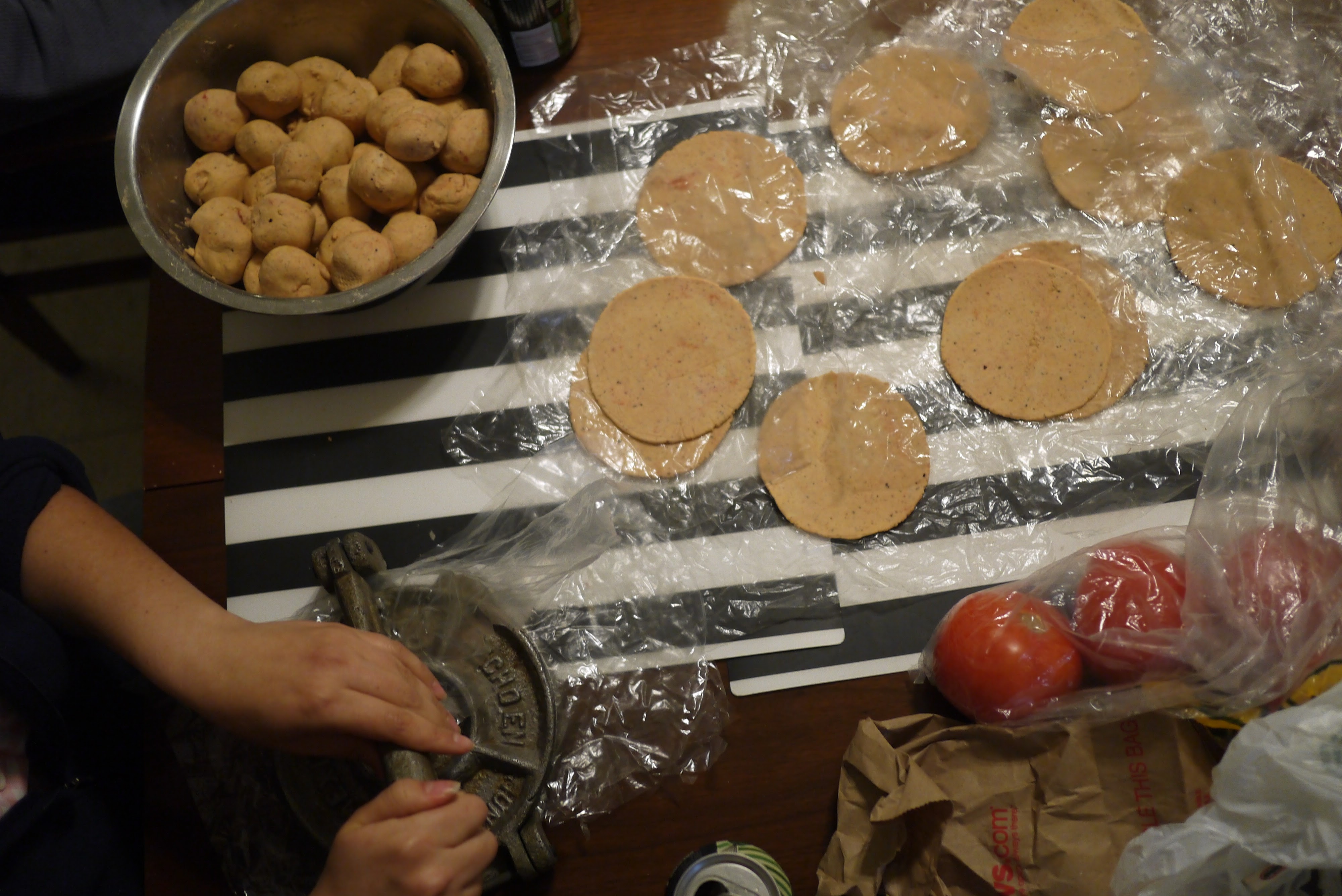
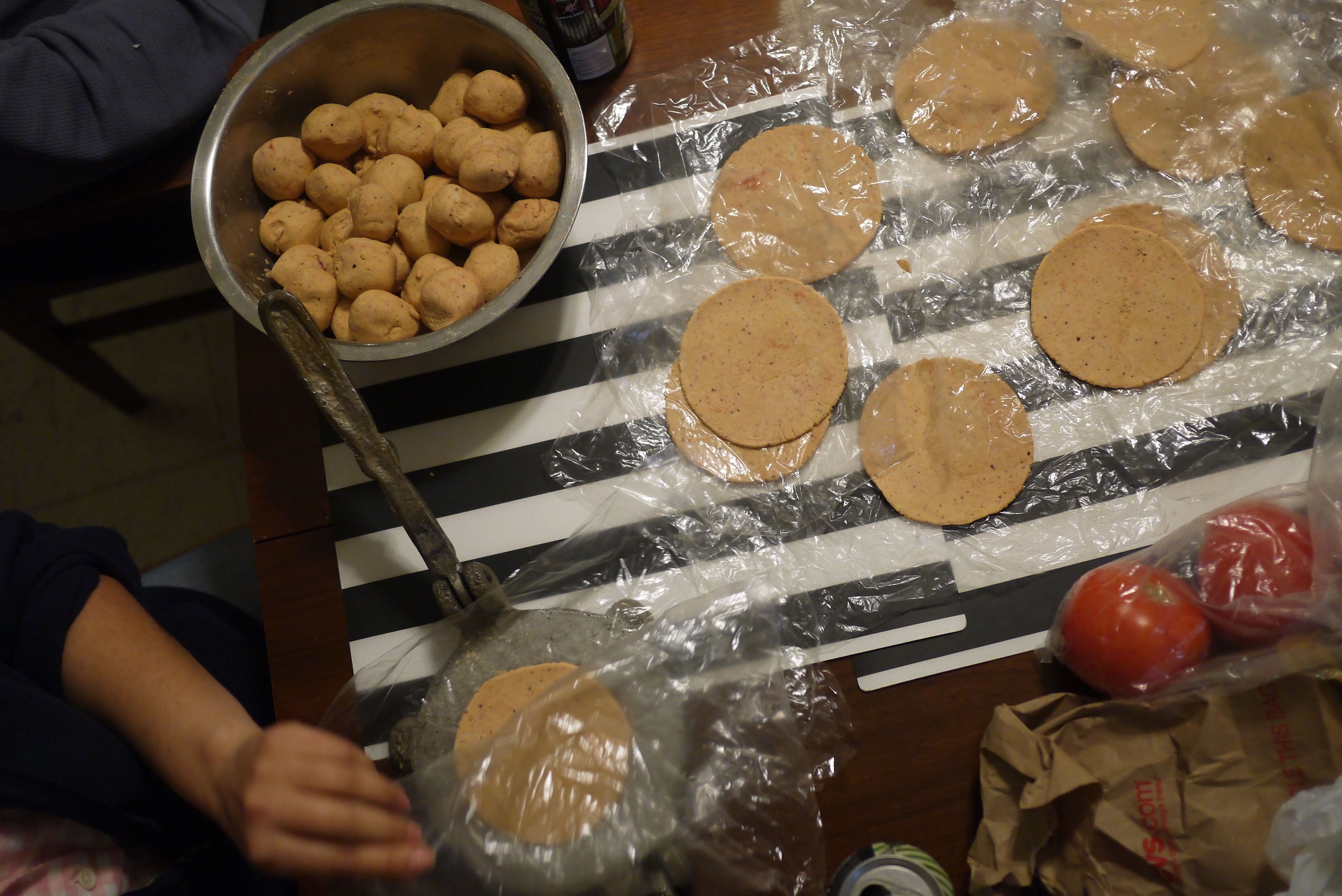
The dough dries out as you work. Keep the bowl covered and the formed balls under a cloth. If the dough starts cracking when you press, add a few drops of water and knead it back in before continuing.
The comal does not need oil. A well-seasoned comal or cast iron pan is naturally non-stick for tortillas. If your pan is new or not well-seasoned, wipe it with a very thin film of lard before the first tortilla, then leave it dry for the rest.
What to Make with These Tortillas
These tortillas are the starting point for three of the most important corn masa dishes in northern Belize:
- Salbutes: the raw tortilla goes straight into hot oil. The frying puffs it. Top with shredded chicken, cabbage, and pickled onion.
- Panuchos Yucatecos: cook the tortilla dry on the comal first. When it puffs, open the pocket and stuff it with black beans. Then fry. Two steps, not one.
- Panades: stuff the raw pressed tortilla with fish or beans, fold it in half, seal the edges, and fry. A different shape, same dough.
Tips
- Rest the dough. Five minutes under a damp cloth before you start forming lets the masa hydrate fully. Dough that rests is easier to work with and cracks less under the press.
- Keep everything covered. The bowl, the formed balls, the pressed tortillas waiting for the comal. Masa dries fast. Once it dries it cracks and you cannot fix it by adding water to the surface.
- The comal heat matters. If the tortilla sticks, the comal is not hot enough. If it chars before releasing, it is too hot. Medium-high is right for most stoves. You will know after the first two.
- Make the panuchos ridge now. If you are making panuchos, press a slight ridge around the edge with your fingers right after the press, before the tortilla goes on the comal. Do not wait. Once it is on the heat it is too late.
- Plastic from a zip-lock is better than plastic wrap. Plastic wrap creases. The zip-lock plastic is stiff enough to peel off cleanly without tearing the tortilla.
- Fresh masa tortillas do not keep. Eat them the same day, or within a day stored under a cloth. They are not made for the refrigerator. If they must keep, wrap in a cloth and a bag together.
Cook Time
| Prep time | 15 minutes |
| Cook time | 30 minutes (for a full batch) |
| Total time | 45 minutes |
| Yield | 20 to 24 tortillas |
Estimated Nutrition
Per tortilla (1 small corn tortilla, approximately 20g):
| Calories | 40 |
| Fat | 0.5g |
| Carbohydrates | 8g |
| Fiber | 1g |
| Protein | 1g |
| Sodium | 30mg |
Estimates based on standard Maseca masa harina nutrition data. Values are per tortilla before frying or topping.
Shop This Recipe
Frequently Asked Questions
What is masa harina?
Masa harina is dried, ground nixtamalized corn flour. Corn that has been processed in an alkaline solution (traditionally lime water) before drying and milling. This process changes the nutrition and the flavor. It is not the same as regular cornmeal, corn flour, or polenta. For corn tortillas you need masa harina specifically. Maseca is the most common brand in Belize and in Latin grocery stores worldwide.
What is the difference between corn tortillas and flour tortillas in Belize?
Both exist in Belize. Flour tortillas are softer and more pliable, common for everyday eating and wrapping. Corn tortillas have more texture and hold up better under frying. For salbutes, panuchos, and panades you need corn tortillas. The puff and the structure come from the masa. Flour does not behave the same way under heat and oil.
Can I make Belizean corn tortillas without a tortilla press?
Yes. Place the masa ball between two pieces of plastic and press it flat with the bottom of a heavy pan. It takes more effort to get an even thickness and a round shape, but it works. A tortilla press is faster and more consistent. If you make tortillas regularly it is worth having one.
Why does my dough crack when I press it?
The dough is too dry. Add warm water one tablespoon at a time, kneading it in fully before adding more. The dough should be smooth and hold its shape without cracking at the edges. If it sticks to your hands, it is too wet. Add a small amount of masa harina.
How do I know when the tortilla is done on the comal?
The edges will look dry and the tortilla will release from the comal without sticking. That is when you flip it. After the second side, a properly cooked tortilla will puff slightly. If it does not puff at all, the comal may not be hot enough. If it burns before cooking through, the heat is too high.
What is the difference between these tortillas and store-bought corn tortillas?
Store-bought corn tortillas are made for shelf life. They are thinner, drier, and pressed to a uniform size. They will not puff on the comal the way a fresh masa tortilla does, and they will not form the pocket needed for panuchos. For salbutes and panuchos, you cannot substitute store-bought. For panades, if you are just practicing the fold, they will hold, but the texture is different.
This recipe is part of the Mayan Recipes collection — living food traditions of the Maya of Belize, Mexico, and Guatemala.