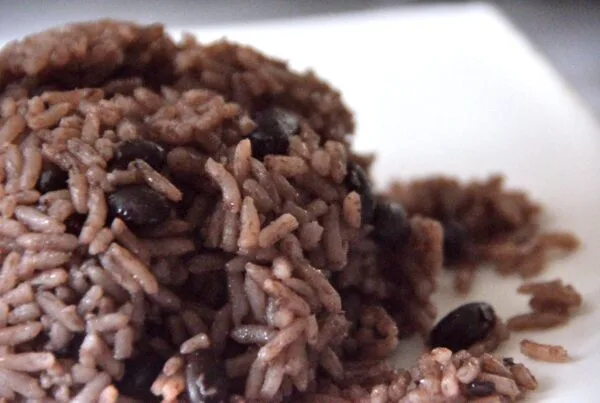
The plato típico hondureño is not one recipe: it is the whole table on a single plate. At the center sits carne asada: skirt steak marinated overnight in naranja agria (bitter sour orange), cumin, garlic, and oil, then grilled hard over open flame. Around it: refried red beans, white rice, fried green plantain tajadas, a spoonful of chimol (fresh tomato-onion relish), crumbled queso fresco, a drizzle of Honduran mantequilla cream, and slices of avocado. Warm corn tortillas come on the side to pull it all together, bite by bite.

Every Honduran restaurant puts this plate on the menu as the flagship. Tourists order it to taste the country in one sitting; families lay it out for Sunday gatherings and celebrations. The naranja agria marinade is the signature — it gives the beef a bitterness and depth that lime alone cannot replicate. That is what separates this plate from every other country’s version of a “national plate.”
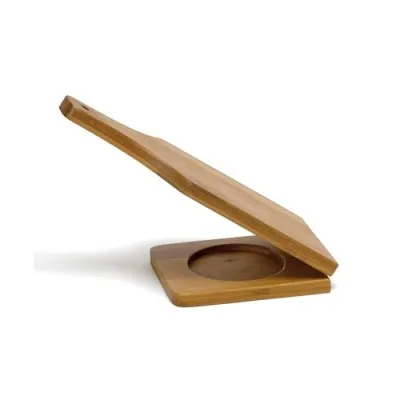
IMUSA Bamboo Tostonera Plantain Press, Large
The classic bamboo press for even, restaurant-flat tostones on the second fry.
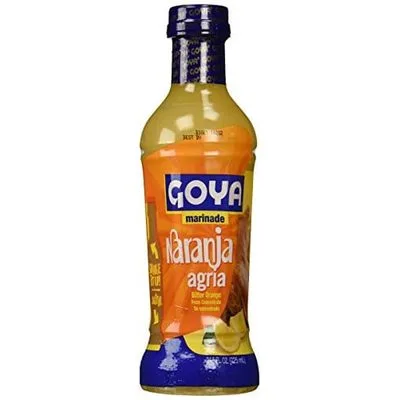
Goya Bitter Orange Naranja Agria
Sour orange carries the pickled onion on panuchos and the marinade under cochinita. Bottled and ready to pour, it beats the lime-and-vinegar fake most recipes fall back on.
What is on a Honduran plato típico?
The plate is a curated assembly of Honduran staples, each prepared separately and brought together for a single serving. The core is always carne asada (grilled marinated beef) with refried red beans, white rice, and fried green plantain tajadas. The finishing layer is chimol (a raw tomato-onion relish), crumbled queso fresco, Honduran mantequilla, and avocado. Tortillas come alongside.
Some restaurants and home cooks expand the plate with cerdo asado (grilled pork), chorizo, or a fried egg. The core four (beef, beans, rice, tajadas) are non-negotiable. Everything else is regional variation.
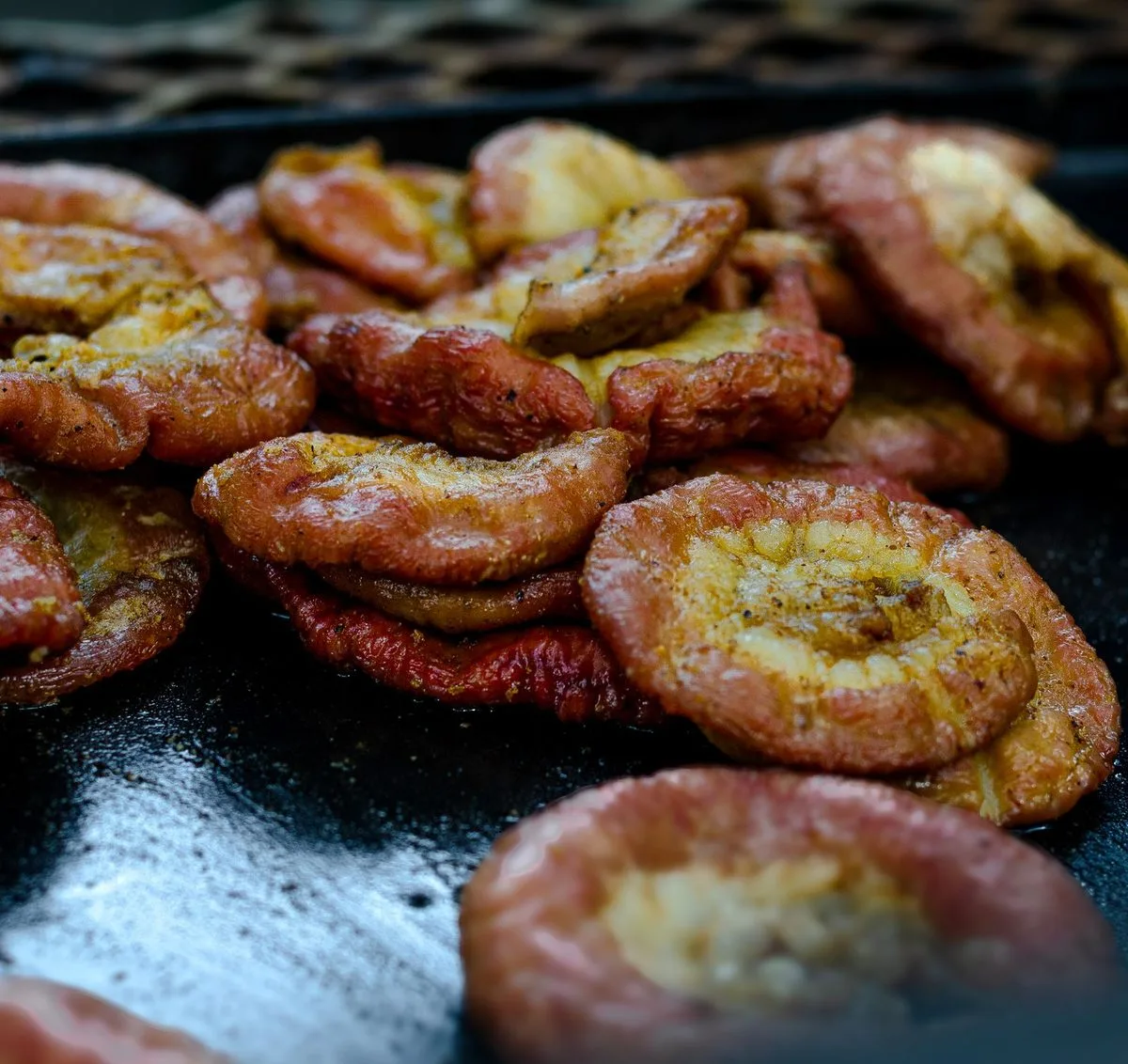
The tajadas here are fried green plantain slices, not sweet ripe maduros. Green plantains are starchier, hold their shape in hot oil, and come out firm and slightly salty. That textural contrast against the soft beans and tender beef is part of the plate’s design.
The naranja agria marinade is the single thing that makes this plate Honduran. It gives the beef a bitterness and depth that lime alone cannot replicate.
The signature move: naranja agria in the marinade
Naranja agria (sour or bitter orange) is the flavor that makes Honduran carne asada recognizable. It is not a cooking ingredient in the dish itself; it is the marinade’s acid base. The beef soaks for at least two hours, ideally overnight, in naranja agria juice, cumin, garlic, salt, and oil. The bitter citrus breaks down the fibers and leaves a faintly floral, sour note that survives the grill’s heat.
If naranja agria is not available, the working substitute is three parts fresh orange juice to one part lime juice. That ratio approximates the balance of sweetness and acidity. Plain lime juice without orange produces a sharper, thinner marinade, not wrong, but noticeably different from the Honduran original.
Ingredients
Carne asada
- 1 1/2 lb skirt steak or thin sirloin
- 1/2 cup naranja agria (sour orange) juice, or 6 tbsp fresh orange juice + 2 tbsp lime juice
- 3 cloves garlic, minced
- 1 tsp cumin
- 1 tsp salt, plus oil for the grill
Tajadas
- 3 green (unripe) plantains, peeled and sliced on the diagonal
- Oil for frying, salt
Chimol
- 2 plum tomatoes, finely diced
- 1/2 white onion, finely diced
- 1/2 green bell pepper, finely diced
- Handful of cilantro, chopped
- Juice of 1 lime, salt to taste
To finish the plate
- 2 cups refried red beans, warmed
- 2 cups cooked white rice
- Honduran mantequilla or crema (thin cultured cream, not butter despite the name)
- Crumbled queso fresco (or queso duro)
- 1 ripe avocado, sliced
- Warm corn tortillas, to serve
How to make it
- Marinate the beef. Combine the naranja agria juice, garlic, cumin, salt, and a splash of oil. Coat the steak, cover, and marinate in the refrigerator for at least 2 hours. Overnight gives the best result. The acid will slightly firm the surface; that is normal.
- Make the chimol. Combine the diced tomato, onion, bell pepper, and cilantro. Dress with lime juice and salt. Keep it raw and fresh. The chimol’s job is to cut through the richness of the grilled meat and cream.
- Fry the tajadas. Heat 1 inch of oil in a heavy pan over medium-high heat. Fry the green plantain slices in batches until golden and firm, about 3 minutes per side. Drain on paper towels and salt immediately.
- Grill the carne asada. Pat the steak dry and grill over high heat, 2 to 3 minutes per side for medium. Let it rest 5 minutes, then slice thin against the grain.
- Warm the rice, beans, and tortillas. Heat the refried beans until loose and creamy. Warm the rice. Heat the corn tortillas on a dry comal until soft with brown spots.
- Build the plate. Arrange the carne asada, beans, rice, and tajadas. Spoon chimol alongside the beef. Drizzle mantequilla over the beans and rice. Scatter queso fresco, add the avocado slices, and serve with the tortillas.
Tips and variations
- Use skirt steak, not sirloin, if you can find it. Skirt steak has more fat marbling, and the naranja agria marinade penetrates faster. Sirloin works fine but needs the full overnight marinate to develop the same depth.
- Green plantains only for tajadas. Ripe (yellow or black) plantains give you sweet maduros, a different dish. For the tajadas in a plato típico you want green plantains, firm and starchy.
- Chimol stays raw. Do not cook it. Its entire function is freshness and acid contrast against the grilled meat, cream, and beans. Make it as close to serving time as possible.
- Mantequilla is not butter. In Honduras, mantequilla on a plate means thin cultured cream, closer to Mexican crema or thinned sour cream than to European butter. It is drizzled, not spread. A thinned sour cream is the closest substitute outside of Honduras.
- The plate scales. Because every component is prepared separately, you can cook the parts in advance and assemble for a crowd. The only thing that suffers if made early is the chimol. Make it fresh.
Tourists order it to taste the country in one sitting. Families lay it out for Sunday gatherings. The plato típico is Honduras’ culinary passport on a plate.
For tajadas as a standalone dish, see pollo chuco, where they play the base of San Pedro Sula’s signature street-food plate. More of Honduras is in the Honduran food guide, and the wider region is covered in the Maya World guide.
Frequently asked questions
What is on a Honduran plato típico?
The core is carne asada (naranja-agria-marinated grilled beef), refried red beans, white rice, and fried green plantain tajadas. The plate is finished with chimol (fresh tomato-onion relish), Honduran mantequilla (thin cultured cream), crumbled queso fresco, and avocado, with warm corn tortillas on the side. Some versions add chorizo, grilled pork, or a fried egg.
What makes the Honduran plato típico different from other countries’ national plates?
Three things are specific to Honduras: the naranja agria (sour bitter orange) in the carne asada marinade, the use of tajadas (fried green plantain slices, not tostones or fried potato), and the chimol relish made with bell pepper rather than hot chili. Together those three elements give the plate a flavor profile that is distinctly Honduran rather than generically Central American.
What is chimol?
Chimol (also called chismol) is a raw Honduran relish of finely diced tomato, white onion, green bell pepper, and cilantro, dressed with lime and salt. It is always served raw. Its job is to bring brightness and acid contrast to the grilled meat and cream. Because Hondurans typically do not cook with hot chili, the bell pepper here is mild.
What is mantequilla in Honduras?
Honduran mantequilla is not butter. It is a thin, tangy cultured cream, similar to Mexican crema, that is drizzled over the plate. Despite the name (mantequilla means “butter” in standard Spanish), it is a dairy cream product, not a fat spread. Thinned sour cream is the closest substitute outside of Honduras.
What are tajadas?
Tajadas are green (unripe) plantain slices fried in oil until golden and firm. They are starchy and slightly salty, distinct from sweet ripe maduros. In Honduras, tajadas appear on the plato típico and as the base of pollo chuco. The green plantain is key: ripe plantains produce a sweet result, which is a different dish entirely.
When is plato típico eaten?
The plato típico is Honduras’s restaurant flagship: it is on every Honduran restaurant menu and ordered by tourists wanting to taste the full breadth of the cuisine and nationals celebrating or gathering. At home, it is most associated with Sunday midday meals and family celebrations. It is not strictly a special-occasion dish, but it is festive by nature. The full assembly takes effort.
Can I make plato típico in advance?
Yes. The components are prepared separately, so most of the work can be done ahead. Marinate the beef overnight, cook the beans and rice in advance, and fry the tajadas up to an hour before serving. The only element that must be made fresh is the chimol, which loses its snap if it sits too long.
More Honduran Recipes
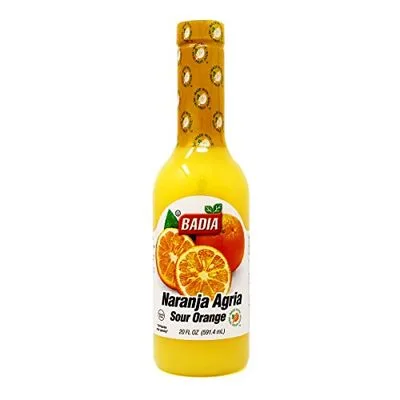
Badia Orange Bitter Naranja Agria
Naranja agria is what makes pibil taste like pibil, and it does not grow in most of the country. Bottled bitter orange is the substitution that keeps the marinade honest when the fruit is nowhere in the store.
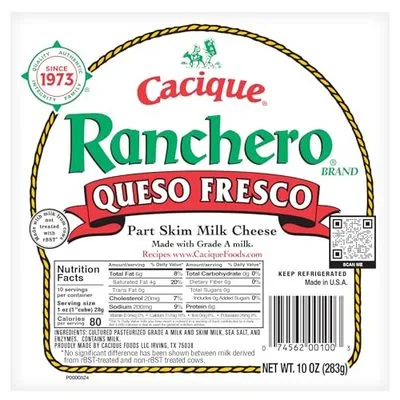
Cacique Queso Fresco Ranchero, 10 oz
A fresh crumbling queso fresco in 10 oz size, ready to sprinkle on cooked dishes or incorporate into recipes without shredding.