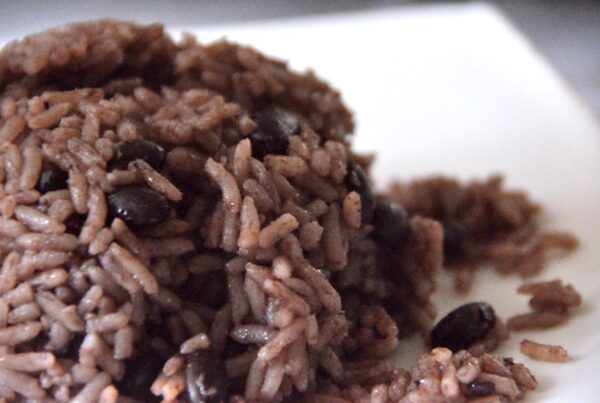
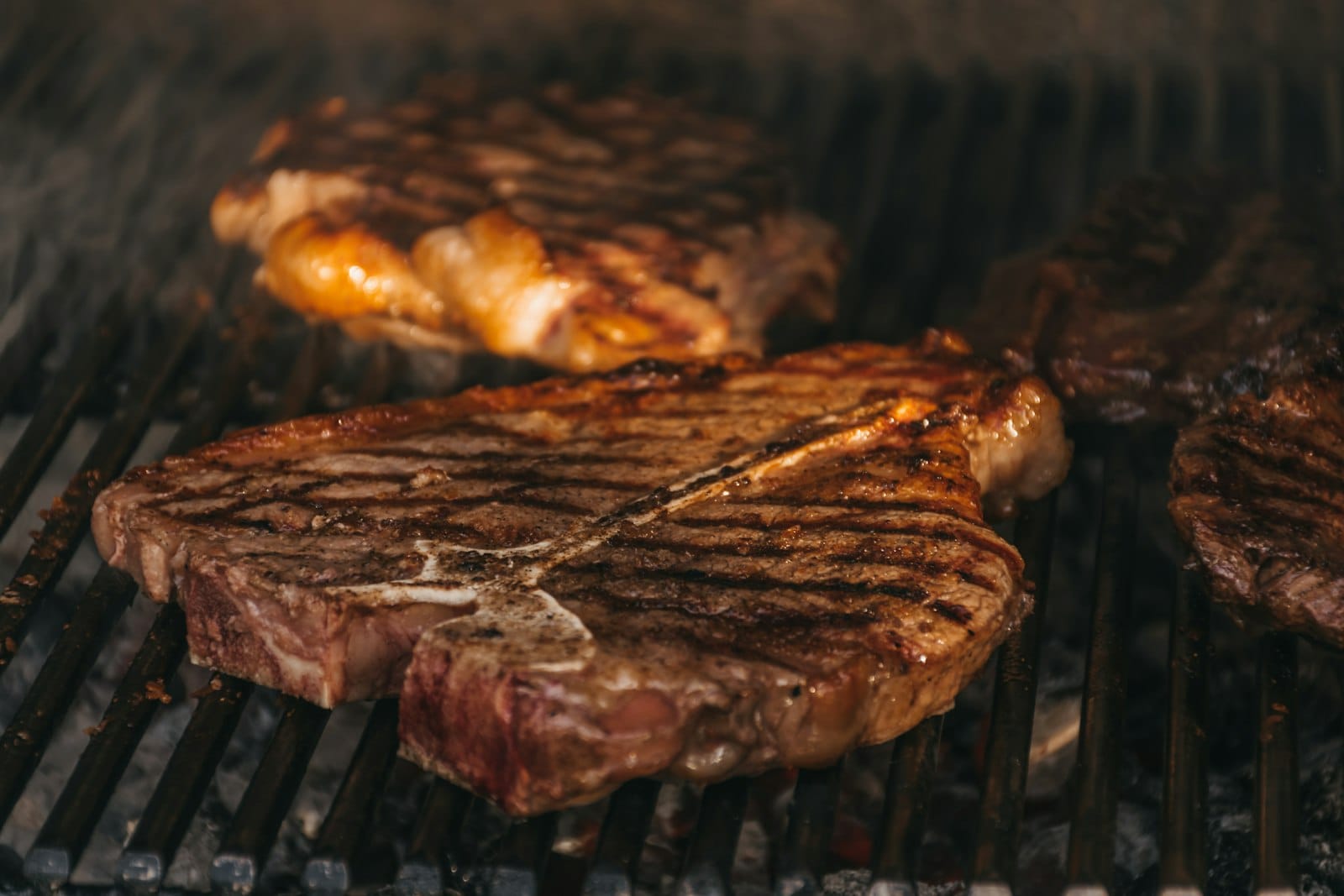
Carne asada hondureña is thin beef marinated in sour orange, garlic, and cumin, then grilled over wood or charcoal. In Honduras it is served as a full plate alongside chismol, fried green plantain tajadas, refried beans, grilled spring onion, avocado, and tortillas. Threaded onto skewers, the same marinated beef becomes pinchos.
You smell it before you see it. Drive any highway in Honduras on a Saturday afternoon and somewhere off the shoulder there is smoke, a steel drum split into a grill, and thin steaks turning over wood coals. The vendor works fast because the beef is thin and thin beef cooks in minutes. Beside the steak, tajadas hiss in oil and a bowl of chismol waits, bright with tomato and green pepper. This is Honduran carne asada: weekend food, family food, the thing a household cooks when the relatives arrive and the grill comes out of the shed.
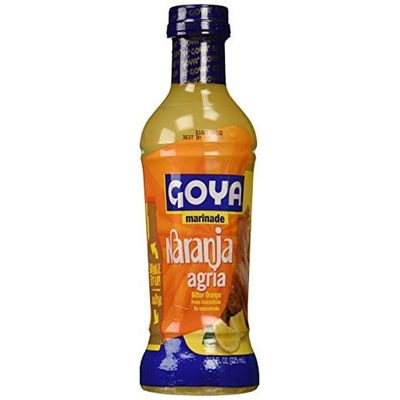
Goya Bitter Orange Naranja Agria
Sour orange carries the pickled onion on panuchos and the marinade under cochinita. Bottled and ready to pour, it beats the lime-and-vinegar fake most recipes fall back on.
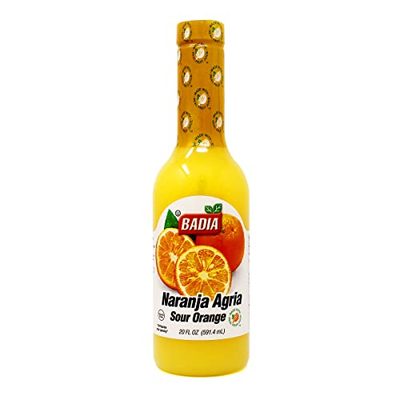
Badia Orange Bitter Naranja Agria
Naranja agria is what makes pibil taste like pibil, and it does not grow in most of the country. Bottled bitter orange is the substitution that keeps the marinade honest when the fruit is nowhere in the store.
I have eaten this plate across Central America, and Honduras makes it its own way. The marinade leans on naranja agria, the sour orange that grows in so many backyards across the region. The steak is the center of the plate: knife and fork, with chismol, tajadas, and beans alongside, tortillas on the side to scoop rather than to wrap. Once you taste the difference, you stop calling all grilled beef by one name.
The marinade leans on naranja agria, the sour orange that grows in so many backyards across the region. Once you taste the difference, you stop calling all grilled beef by one name.
What Is Carne Asada Hondureña?
Carne asada hondureña is a Honduran dish of thin beef (usually skirt or flank steak) marinated for several hours in naranja agria (sour orange), garlic, and cumin, then grilled hot over wood or charcoal. It is the main protein on the Honduran plato típico, that composed national plate of steak, rice, refried beans, tajadas, queso fresco, avocado, and chimol. Sliced and plated, it is carne asada; threaded onto skewers with onion and sweet pepper, the same marinated beef becomes pinchos.
The Olancho department in central Honduras, cattle-ranching country with Juticalpa as its commercial heart, is particularly associated with this dish. Olancho ranchers have been raising and grilling beef since the Spanish colonial period, and Juticalpa is cited by Honduran food writers as one of the best places in the country to eat carne asada. The naranja agria marinade is what the region runs on.
How Honduran Carne Asada Differs from the Mexican Version
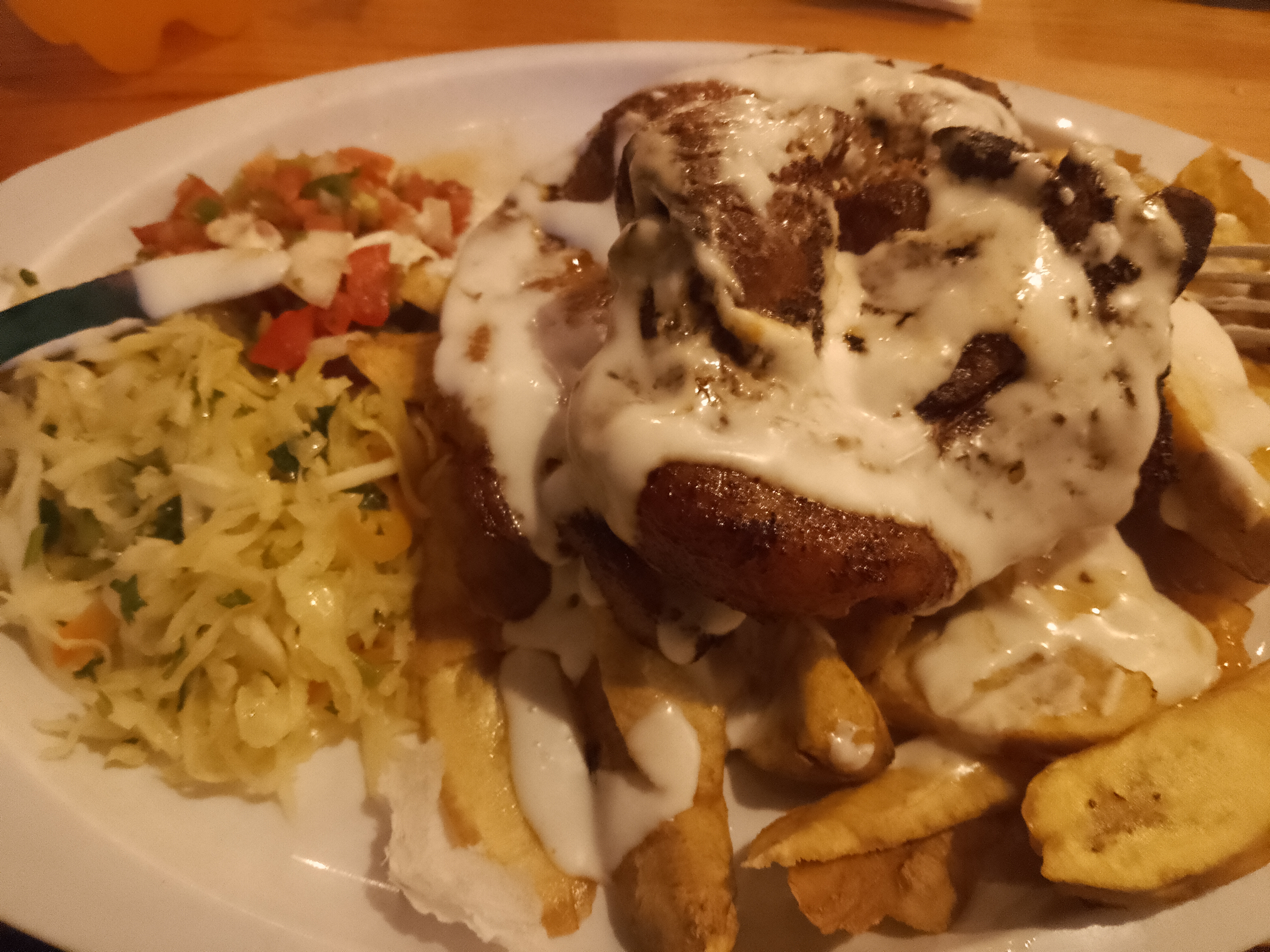
The word carne asada travels across borders, but the dish does not stay the same. In Mexico, carne asada is built for tacos: the grilled beef gets chopped and tucked into tortillas, and the marinade usually runs toward lime and chili. In Honduras, the steak is the center of a plate. You eat it with a knife and fork alongside chismol, tajadas, and beans, with tortillas on the side to scoop rather than to wrap. The Honduran marinade reaches for naranja agria (sour orange) along with garlic and cumin. Many cooks add a splash of Worcestershire.
Chismol is the tell. Honduran chismol (also spelled chimol) almost always includes diced green bell pepper, and it carries no heat whatsoever. That bell pepper is exactly what separates it from Mexican pico de gallo. It is worth keeping the two dishes straight, because they are cousins, not twins.
Chismol is the tell. That green bell pepper carries no heat — and it is exactly what separates Honduran chismol from Mexican pico de gallo.
It is also not Argentine asado. That is a slow grill of whole cuts, no citrus marinade, finished with chimichurri rather than chismol.
Ingredients
For the beef and marinade
- 2 lb skirt steak or flank steak, sliced thin (about ¼ inch) against the grain
- ½ cup sour orange juice (naranja agria), or ¼ cup fresh orange juice plus ¼ cup fresh lime juice
- 6 garlic cloves, minced
- 1 tsp ground cumin
- 1 tbsp Worcestershire sauce
- 1 tsp salt
- ½ tsp black pepper
- 2 tbsp neutral oil
For the chismol
- 3 ripe tomatoes, diced small
- 1 medium white onion, diced small
- 1 green bell pepper, diced small
- 2 tbsp fresh lime juice
- ½ tsp salt
- black pepper to taste
- 2 tbsp chopped cilantro (optional)
To serve
- 4 green plantains, for tajadas (peeled, sliced thin lengthwise, fried)
- 2 cups refried red beans, warmed
- 1 bunch spring onions, left whole for grilling
- 1 avocado, sliced
- pickled onions (curtido de cebolla), to garnish
- warm corn tortillas
Instructions
- Slice the beef thin against the grain, about ¼ inch. Thin is the whole point: it cooks fast over high heat and the marinade reaches all the way through.
- Whisk together the sour orange juice (or the orange-and-lime mix), garlic, cumin, Worcestershire, salt, pepper, and oil.
- Pour the marinade over the beef in a dish or sealable bag. Refrigerate 4 to 12 hours. The citrus is acidic; past 12 hours it begins to break down the muscle fibers and turns the meat mushy.
- Make the chismol. Combine the tomato, onion, bell pepper, lime juice, salt, and pepper. Let it sit 20 minutes so the flavors come together. Keep it cold until you serve.
- Fry the tajadas. Heat about an inch of neutral oil to medium-high and fry the plantain slices until golden and crisp on both sides. Drain on paper.
- Get the grill hot, preferably wood or charcoal for the smoke. Grill the spring onions whole until charred and soft, then set aside.
- Grill the beef over high heat, 2 to 3 minutes per side. It is thin, so it moves fast. Pull it as soon as both sides are charred and the interior is no longer pink. Let it rest 3 to 5 minutes before slicing.
- Warm the refried beans and tortillas while the beef rests. Build the plate: beef in the center with chismol spooned over it, tajadas on one side, refried beans and grilled spring onion on the other, avocado fanned alongside, pickled onions as a garnish, and tortillas on the side.
For pinchos, cube the beef instead of slicing it thin, thread the cubes onto skewers with onion and sweet pepper between them, and grill about 7 to 8 minutes, turning once or twice.
Tips and Variations
- Sour orange is the authentic note. If your Latin market carries bottled naranja agria, use it. No sour orange? Equal parts fresh orange juice and fresh lime juice gets you close to the same sweet-sour balance, not identical but in the right direction.
- Marinate at least 4 hours. Four to twelve is the window. Overnight in the fridge is fine if the beef goes in before dinner and comes out the next morning. Do not push past 12 hours or the citrus turns the texture mealy.
- Make it pinchos for a party. Same marinade, same beef, cubed and skewered with onion and sweet pepper. Far easier to serve a crowd straight off the grill.
- Chismol is not pico de gallo. The green bell pepper is what makes it Honduran, and it carries no heat. Leave chili out entirely.
- Thin is non-negotiable. A thick cut over a fast, hot grill gives you raw in the middle and charred on the outside. Skirt steak at ¼ inch is the target.
- Leftover beef keeps 4 to 5 days refrigerated. Warm it gently so it does not toughen.
When Hondurans Grill Carne Asada
This is a plate, not a taco, and it belongs to the weekend grill. When a Honduran family has reason to light the coals, relatives coming or a quinceañera or a Sunday afternoon that turned social, carne asada is what comes off the grill. In Olancho, where cattle ranching has defined the regional economy since the colonial period, a good asada is a point of local pride. Juticalpa, Olancho’s capital, is one of the places Honduran food writers send you to eat the real thing.
The same plate shows up as the centerpiece of the plato típico, Honduras’s composed national plate, where the steak shares the plate with rice, refried beans, tajadas, queso fresco, avocado, and chimol. The carne asada is what anchors it. Beside it in the wider Honduran kitchen sits the baleada, the folded flour-tortilla weekday staple, and street-food favorites like the fuller Honduran food lineup.
Frequently Asked Questions
What is the difference between Honduran and Mexican carne asada?
Mexican carne asada is built for tacos. The beef gets chopped and folded into tortillas, and the marinade leans toward lime and chili. Honduran carne asada is a plate: the steak stays whole and is eaten with a knife and fork alongside chismol, tajadas, and refried beans, with tortillas on the side for scooping. The Honduran marinade reaches for naranja agria (sour orange) rather than the lime-and-chili profile common across the border.
What is chismol?
Chismol (also spelled chimol) is the fresh Honduran relish that goes over grilled beef: diced tomato, white onion, and green bell pepper dressed with lime juice, salt, and pepper. The green bell pepper is the defining ingredient: it adds crunch without any heat, which is exactly what separates chismol from Mexican pico de gallo. Chismol itself carries no heat. That is not because Honduras avoids chile, though: the country grows and cures serious habaneros, and hot sauce goes on the table beside the chismol rather than into it.
What cut of beef is best for carne asada?
Skirt steak is the classic choice. It is naturally thin, it takes a marinade well, and it grills fast over high heat. Flank steak works too, leaner and a touch thicker, so it needs a minute longer on the grill. Either way, slice thin against the grain before marinating.
What are pinchos?
Pinchos are the skewer version: the same naranja agria marinade, the same beef, but cubed instead of sliced thin and threaded onto sticks with onion and sweet pepper between the cubes. They grill about 7 to 8 minutes with one or two turns. The flavor is identical to the plate; the format is easier for a crowd.
Can I make carne asada without sour orange?
Yes. Naranja agria is the authentic note, but if you cannot find it, equal parts fresh orange juice and fresh lime juice gives you the right sweet-sour balance. It is not a perfect match (sour orange has a distinct bitterness the blend does not fully replicate), but it works.
How long should you marinate carne asada?
Four to twelve hours is the reliable window. The sour orange juice is highly acidic, and past twelve hours it begins to break down the muscle fibers and turns the meat mealy rather than tender. Overnight is fine if you keep it under that ceiling: put it in before dinner and pull it out the next morning.
Is carne asada hondureña the same as plato típico?
Not exactly. Carne asada is the main protein on the plato típico, which is the composed national plate of Honduras: steak, rice, refried beans, tajadas, queso fresco, avocado, chimol, and tortillas all together on one plate. You can order carne asada on its own as the steak-and-plate combination, but when a Honduran restaurant says plato típico, the carne asada is what anchors it.
Where in Honduras is carne asada most associated?
The Olancho department in central Honduras is particularly associated with carne asada. Olancho is cattle-ranching country, and its capital Juticalpa is cited by Honduran food writers as one of the best places in the country to eat the dish. The naranja agria marinade is the regional signature that runs through all of it.