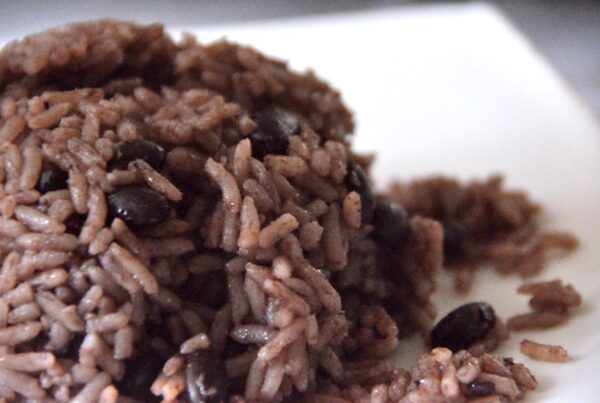
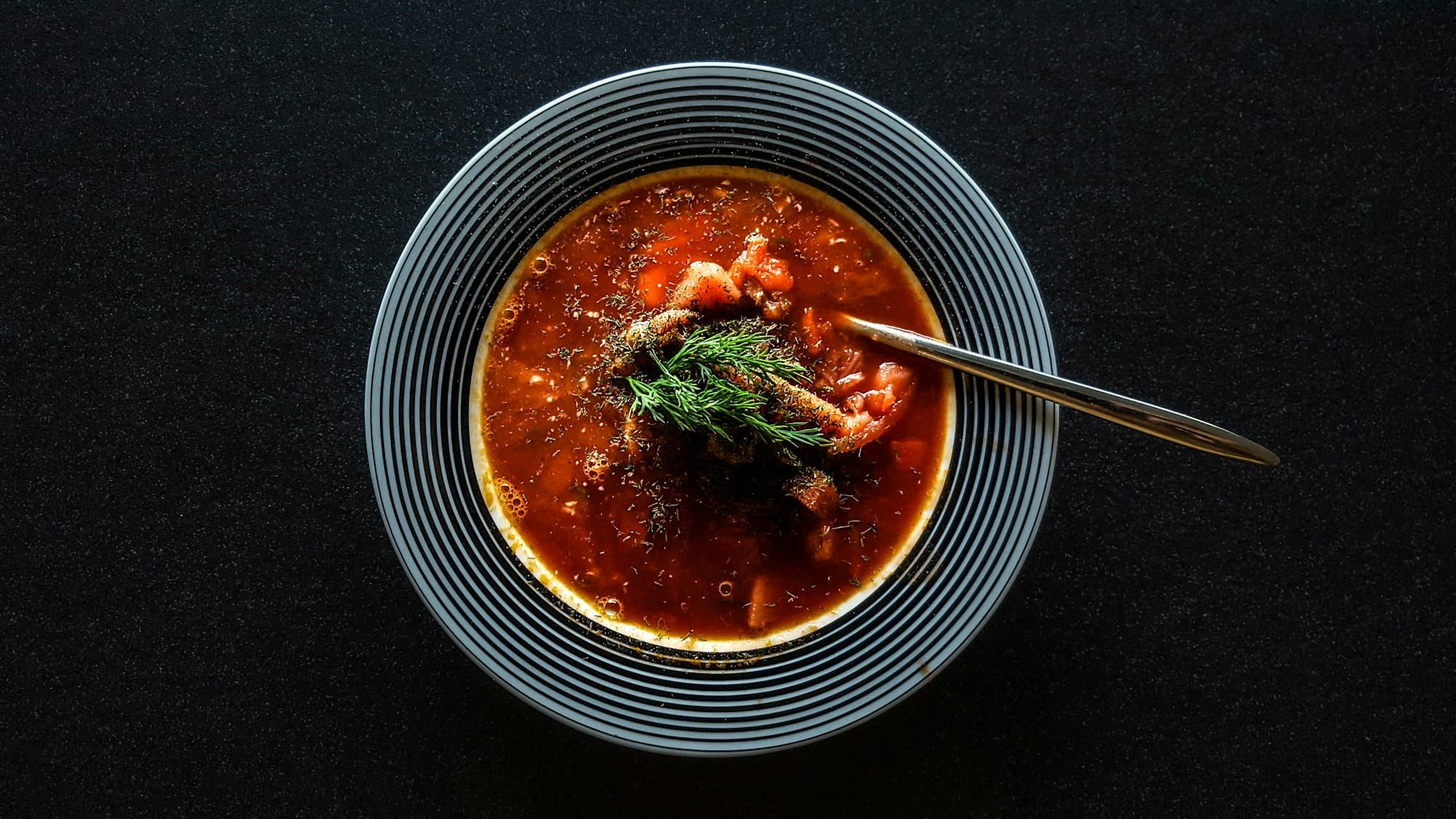
Sopa de frijoles is the everyday bean soup of Honduras: small red silk beans simmered whole with pork ribs, garlic, onion, and bell pepper until the broth turns deep and savory. Near the end, a ladleful of cooked beans goes into the blender, then back into the pot. That is the move that makes the broth creamy without cream. Each bowl is finished with ripe plantain, a soft-poached egg, and a spoon of crema, served with warm corn tortillas and queso fresco.
Why This Is the Most Honest Bowl of Beans in Central America
This is the everyday bean soup of mestizo Honduras. Not the thick mashed frijoles fritos you spread on a tortilla, not the tripe-and-root-vegetable density of sopa de mondongo. Just the whole bean left whole, swimming in its own dark broth, thickened by blending a portion of itself back in. The beans do the work. Everything else is a finish.
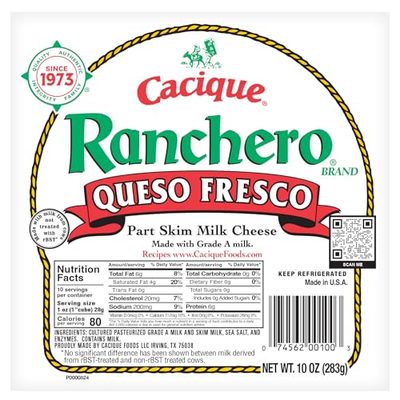
Cacique Queso Fresco Ranchero, 10 oz
A fresh crumbling queso fresco in 10 oz size, ready to sprinkle on cooked dishes or incorporate into recipes without shredding.
The bean matters more than anything. Honduran cooks reach for frijoles de seda, the small red silk bean grown across Central America. It is smaller and darker than a kidney bean. Once cooked, it releases a silky, deeply colored broth with a mild sweetness that a kidney bean cannot match. That dark, rich liquid is the whole point of the soup. Kidney beans give you a heavier, cloudier pot. The silk bean gives you something you can drink from the spoon.
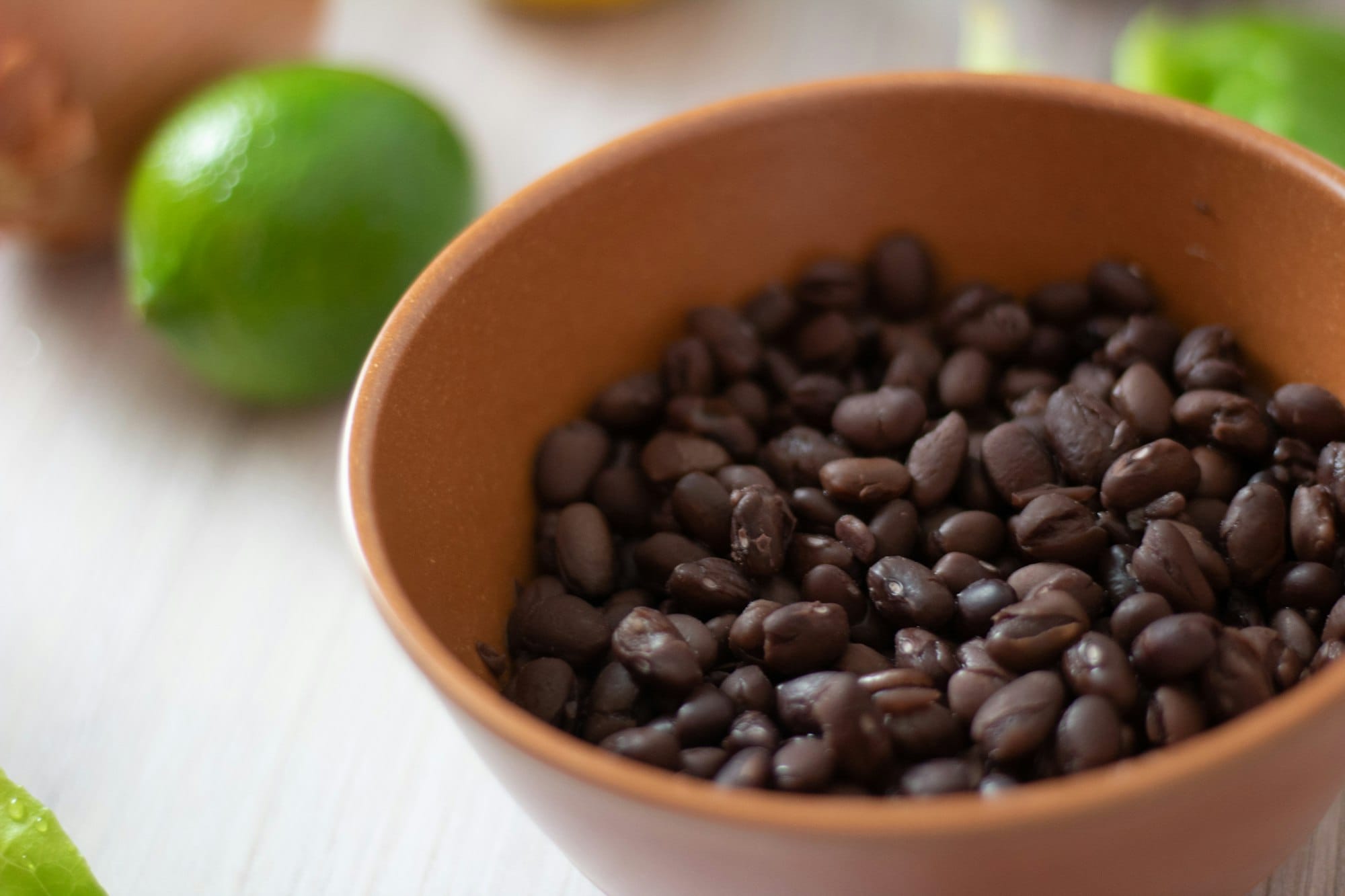
The silk bean gives you something you can drink from the spoon.
The signature technique is the partial blend. Once the beans are fully tender, you scoop out about a third of them, puree them smooth with a cup of the broth, and stir that back into the pot. No cream, no flour. The beans thicken themselves. The rest stay whole. That layering of smooth and whole, in the same bowl, is what makes this soup feel rich without being heavy.
The pork ribs go in at the start, bone-in, because the collagen is the body of the broth. You can pull them out before serving or leave them in. Honduran cooks do both, depending on the household. A meatless version is quieter and lighter, and that version shows up most mornings when the pot is started for the week.
The Honduran finish is the egg. Cracked one at a time into the barely simmering pot, one for each bowl, poached soft in the bean broth so each person gets an egg settled into their serving. Crema goes over the top. Ripe plantain, sweet against the savory beans, goes in near the end. On the side: warm corn tortillas, a wedge of queso fresco, sliced avocado, pickled red onion.
Bean soups run all across this region, and I will not pretend otherwise. Belize cooks its own stewed beans, thicker and seasoned differently, usually served as a side alongside rice. The Honduran version earns its own name through three things: the red silk bean, the partial-blend that makes the broth creamy without cream, and the egg poached directly in the pot. That is sopa de frijoles hondureña, not bean soup in general.
It is cheap food, which is part of why it endures. A bag of dried beans, a few pork ribs, an egg, a plantain going soft on the counter. That feeds a family on almost nothing, and it has done so in Honduran kitchens since long before the Spanish brought pork to the pot.
Ingredients
This makes four generous bowls. Give the beans a head start by soaking them overnight. It shortens the simmer and helps them cook evenly.
- 1 lb (450 g) frijoles de seda (small Central American red silk beans), picked over and rinsed; substitute small dried red beans
- 8 oz (225 g) pork ribs or beef short ribs, bone-in (about 2 ribs), trimmed of excess fat
- 8 cups (2 L) water, plus more as needed
- 1 small white onion, halved
- 1 small green bell pepper, halved and seeded
- 6 cloves garlic, peeled
- 6 leaves culantro (recao / sawtooth coriander), or 1 small bunch cilantro
- 2 bay leaves
- 1 tsp ground cumin (comino)
- 1½ tsp salt, plus more to taste
- 2 ripe plantains (plátanos maduros), peeled and cut into thirds
- 4 eggs, one per bowl
- ¼ cup crema (Honduran-style sour cream), to finish
- To serve: warm corn tortillas, queso fresco (or cuajada), sliced avocado, pickled red onion
Instructions
- Rinse the beans, then soak them in plenty of cold water for at least 4 hours or overnight. Drain.
- Put the drained beans in a large pot with the pork ribs and 8 cups fresh water. Add the onion, bell pepper, garlic, culantro, and bay leaves.
- Bring to a boil, then lower the heat to a gentle simmer. Cover partway and cook until the beans are fully tender and the broth has darkened, about 1½ to 2 hours. Add hot water any time the level drops below the beans.
- Once the beans are tender, lift out the pork ribs and set aside. Remove and discard the bay leaves, onion halves, and bell pepper halves.
- Stir in the cumin and salt. Taste the broth and adjust the salt. Beans take more than you expect.
- Scoop out about one-third of the cooked beans with a cup of broth into a blender. Blend until very smooth, then pour back into the pot and stir. This is what makes the broth creamy without adding cream.
- Return the pork ribs to the pot if you want them in the bowls. Add the plantain pieces. Simmer until the plantain is tender but still holds its shape, about 15 minutes.
- Lower the heat so the broth is barely bubbling. Crack the eggs in one at a time, spaced apart across the surface. Poach uncovered until the whites are set, about 5 minutes. The yolks should still be soft.
- Ladle into bowls, giving each bowl an egg and a few pieces of plantain. Spoon crema over the top.
- Serve with warm corn tortillas, queso fresco, avocado, and pickled red onion.
What Separates a Good Bowl from a Flat Pot
A few things separate a flat pot of beans from a good bowl of sopa de frijoles, and none of them are complicated.
Hold the salt until the beans are soft. Salt added at the start can keep dried beans firm no matter how long they simmer, and then you are fighting the pot. Wait until they give easily, then season and taste. The broth will take more salt than you expect.
The beans thicken themselves. Blend a third back in, and the broth goes from thin to creamy without touching a drop of dairy.
Do not skip the partial blend. It is the technique that defines this soup. A purely whole-bean pot is thinner and looser. A fully blended pot is a different dish. One-third blended and returned gives you a creamy, thick broth with whole beans still floating in it. That is the Honduran texture.
Use plantains that are properly ripe, yellow going to black. A green or barely yellow plantain stays starchy and will not sweeten the broth. That sweet-against-savory contrast is half the reason the plantain is there.
The soup thickens overnight as the beans keep drinking the broth. Loosen it with a splash of water when you reheat, and add the egg fresh each time rather than storing it in the pot. Cooking outside Central America, swap small red beans for the silk bean, cilantro for culantro, and queso fresco for cuajada. The dish survives all three substitutions.
Frequently Asked Questions
What beans are used in Honduran sopa de frijoles?
Honduran sopa de frijoles uses frijoles de seda, small red silk beans grown across Central America. They are smaller and darker than red kidney beans and produce a silkier, more deeply colored broth when cooked. If you cannot find them, small dried red beans are the closest substitute. They are sold in US Hispanic grocery stores labeled as Central American or Salvadoran red beans.
What is the partial-blend technique in sopa de frijoles?
The partial blend is the signature technique that gives Honduran sopa de frijoles its creamy broth. Once the beans are fully cooked, you scoop out about a third of them with a cup of broth, blend them smooth, and stir that puree back into the pot. No cream is added. The beans thicken their own broth. The remaining whole beans stay intact, so you get both textures in the bowl.
Is sopa de frijoles the same as refried beans?
No. Sopa de frijoles is a soup of whole beans cooked in their own broth, thickened by blending a portion back in. Refried beans, frijoles fritos, are cooked beans that are mashed and fried in fat until thick and paste-like. Same bean, two completely different preparations.
How is Honduran sopa de frijoles different from sopa de mondongo?
Sopa de mondongo is a completely different dish. It is a tripe and root-vegetable soup: cleaned beef tripe slow-simmered until tender, then joined by yuca, potato, plantain, chayote, carrot, and cabbage. There are no beans and no egg. Sopa de frijoles is a bean-and-pork-rib broth; mondongo is a tripe-and-vegetable broth. Both are long-simmered Honduran soups, but they share no main ingredient.
Why is an egg poached directly in Honduran bean soup?
Cracking an egg into the simmering pot is the Honduran finish. The egg is added near the end, one for each serving, and poaches soft in the bean broth so everyone gets an egg settled into their bowl. It adds protein and richness to a dish built around inexpensive ingredients. The yolk should still be soft when it hits the bowl.
What do you serve with sopa de frijoles?
Warm corn tortillas are the standard accompaniment. Honduran cooks finish the bowl with crema spooned over the top, and serve queso fresco (or cuajada), sliced avocado, and pickled red onion alongside. Many add a scoop of white rice to the bowl as well. The plantain and egg cook directly in the soup, so they are already there when it arrives at the table.
How is Honduran sopa de frijoles different from Belizean stewed beans?
Belizean stewed beans are thicker and seasoned differently, usually served as a side alongside rice rather than as a main bowl. Honduran sopa de frijoles is a soup in its own right: a pork-rib broth built on red silk beans, thickened by the partial-blend technique, and finished with a poached egg, crema, and ripe plantain. The egg and the partial blend are the two things that make the Honduran version a standalone meal rather than a side dish.
How long does it take to cook sopa de frijoles?
Plan on 1½ to 2 hours of simmering once the beans and pork ribs are in the pot, plus about 20 minutes to add the plantain and poach the eggs. Soaking the beans for at least 4 hours (or overnight) beforehand shortens the simmer and helps them cook evenly.