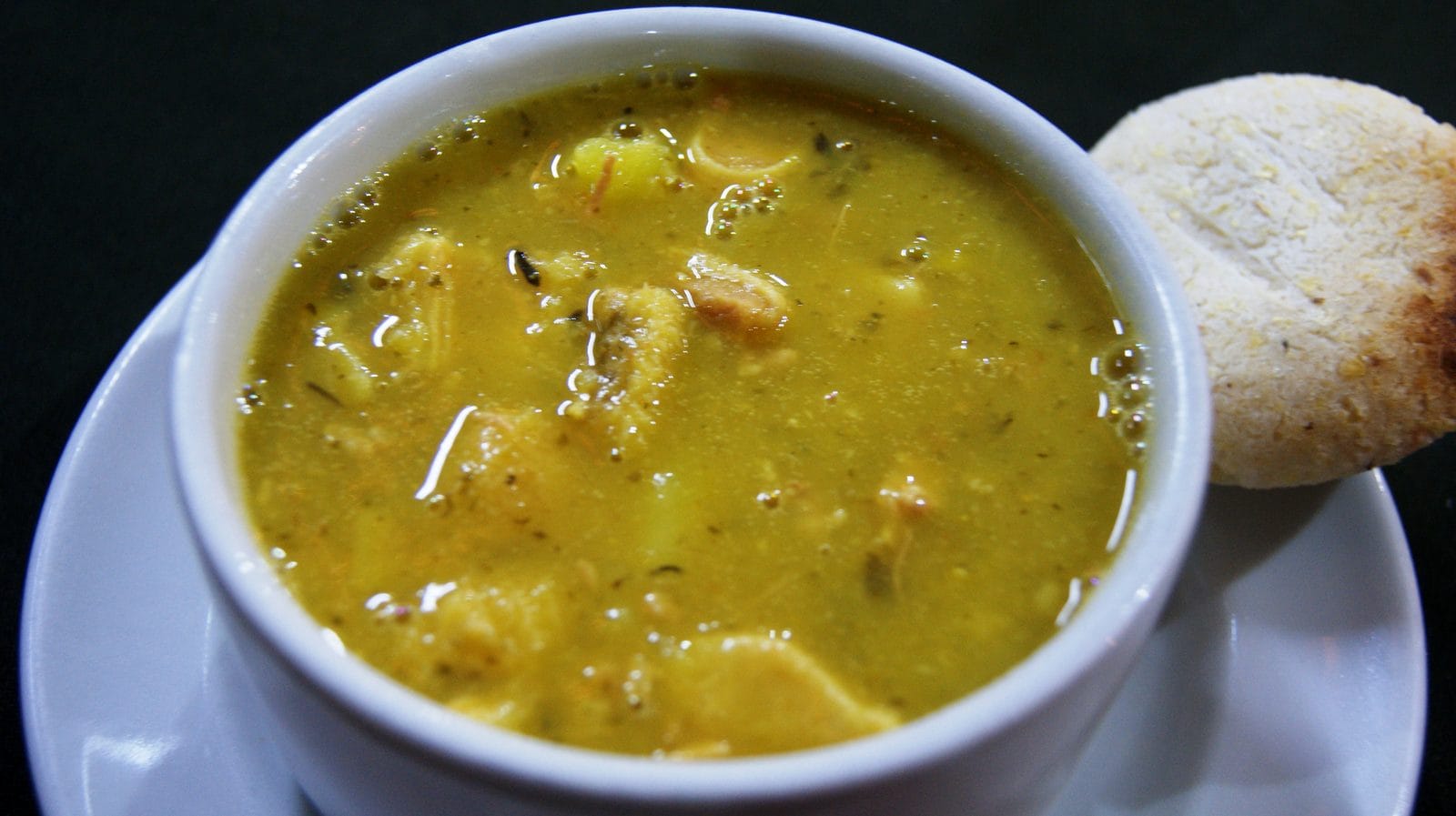
Sopa de mondongo is a hearty Honduran tripe soup: beef stomach cleaned, simmered long, and brought together with yuca, green plantain, chayote, corn, and carrot in a herb-bright broth. Found across Latin America, the Honduran version stays clear and brothy rather than thick, leans on root vegetables for body, and finishes with cilantro and culantro. On the Caribbean coast, coconut milk goes in at the end.
Ingredients
This makes a full pot, enough for 6 people with rice and tortillas on the side.
Cochinita pibil, poc chuc, and escabeche all start with red recado. A prepared achiote paste dissolves into sour orange in minutes instead of the hour it takes to grind annatto, oregano, and clove from seed.
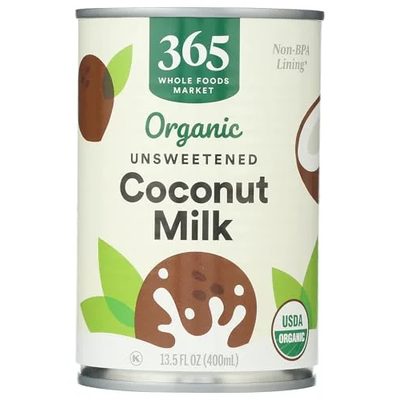
Full-fat coconut milk with nothing added - the choice for recipes where fat carries flavor and texture matters, from soups to baking.
For cleaning the tripe:
- 2 lb honeycomb beef tripe (mondongo)
- 2 limes, halved
- 2 tbsp coarse salt
- 1/4 cup white vinegar
- 1 tbsp baking soda (optional, for a deeper soak)
For the sofrito and broth:
- 2 tbsp oil
- 1 large white onion, diced
- 1 green bell pepper, diced
- 4 garlic cloves, minced
- 3 plum tomatoes, chopped
- 1 tsp ground cumin
- 1 tsp dried oregano
- 1/2 tsp achiote (annatto), for color (optional)
- 10 to 12 cups water or beef stock
- Salt and black pepper, to taste
For the vegetables:
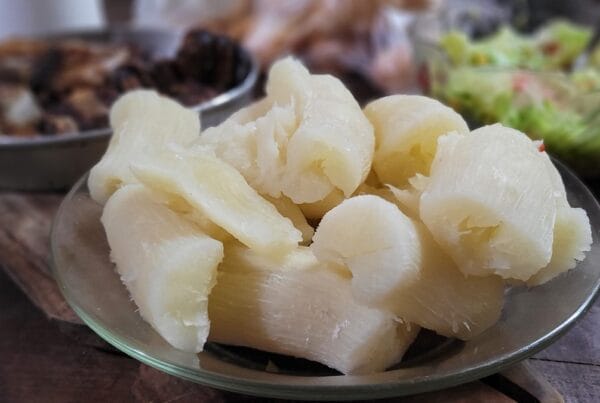
- 1 lb yuca (cassava), peeled and cut into chunks
- 2 green plantains, peeled and cut into thick rounds
- 2 chayotes, peeled and quartered
- 2 ears corn, each cut into thirds
- 2 carrots, cut into thick rounds
- 2 medium potatoes, peeled and quartered (optional)
For finishing:
- 1 bunch cilantro, chopped
- 3 to 4 sprigs culantro (recao / long-leaf coriander), chopped
- A few sprigs yerbabuena (spearmint), chopped
- 1 cup unsweetened coconut milk (Caribbean-coast version only; see notes below)
To serve:
- White rice
- Lime wedges
- Corn tortillas
Instructions
The cleaning is the part people want to skip, and it is the part you cannot. Do it properly and the broth comes out clean. Cut corners and the whole pot smells like the inside of a butcher case.
- Rinse the tripe under cold running water. Trim away any thick fat or loose membrane.
- Rub the tripe all over with the cut limes and the coarse salt, scrubbing both sides. Rinse well.
- Soak the tripe for 30 to 60 minutes in enough water to cover, with the vinegar stirred in. Add the baking soda for a deeper clean. Rinse well afterward.
- Bring a large pot of salted water to a boil. Add the tripe and boil for 15 minutes. Drain and discard that water. This first boil pulls off most of what you do not want.
- Lay the tripe flat and scrape the membrane side with a knife. Rinse once more, then cut into bite-size strips or squares.
- In a large heavy pot, heat the oil over medium heat. Add the onion and bell pepper and cook, stirring, for 3 to 4 minutes until soft. Add the garlic, tomatoes, cumin, oregano, and achiote, and cook another 3 minutes. This is the sofrito base. Building it in oil first, before the liquid, gives the broth its depth.
- Add the cleaned tripe to the sofrito pot with the 10 to 12 cups of fresh water or beef stock. Bring to a boil, then drop to a low simmer.
- Cover and simmer until the tripe is tender — usually 1.5 to 2 hours on the stove, though some batches take 3 or 4 hours. In a pressure cooker, count on 45 to 60 minutes. Test with a fork; it should yield without resistance.
- Once the tripe is tender, add the yuca and green plantain first. They are dense and need the head start. Simmer 15 minutes.
- Add the chayote, corn, carrots, and potatoes if you are using them. Simmer 20 to 25 minutes, until everything is fork-tender.
- In the last 5 minutes, stir in the cilantro, culantro, and yerbabuena. Taste and season with salt and black pepper.
- Serve hot with white rice, lime wedges, and warm tortillas.
For the Caribbean-coast version, stir the coconut milk in during the last 10 minutes, off a hard boil, so it does not split. More on that below.
What Is Sopa de Mondongo, and Where Does It Come From?
Mondongo is tripe, the lining of a cow’s stomach. The word traces back to the colonial period, and the dish carries more than one bloodline: Spanish cooking, the African diaspora, and the older practice of using every part of an animal so nothing is wasted. None of that is unique to one country. Mondongo belongs to a lot of places at once.
That is the honest part, and I would rather say it than pretend otherwise. The Dominicans make their version thick. The Colombians load theirs with chorizo, pork, and an almost unreasonable amount of cilantro. Venezuela, Puerto Rico, Panama — they all have a pot of it.
Mondongo belongs to a lot of places at once. The Honduran one earns its name by what goes in the pot, not by who claims it.
The Honduran version earns its name by what goes in the pot. It stays brothy rather than thick. It leans hard on root vegetables: yuca, green plantain, chayote, corn. Cilantro and culantro and yerbabuena brighten it at the end. It is a Sunday soup, a feast-day soup, the kind of thing made in a big pot because you are feeding people who will sit a while. Across Honduras, it is also one of those dishes people reach for the morning after a long night, a restorative tradition that runs through tripe soups up and down the region.
Then there is the coast. On the Caribbean side of Honduras and out in the Bay Islands, the pot often gets coconut milk. That is Garifuna cooking. Coconut runs through Garifuna savory dishes the way salt runs through everyone else’s, and Honduran food as a whole is a braid of Lenca, Spanish, African, and Garifuna hands. My own footing in Honduras is Amapala, down on the Pacific side, so the coconut pot is not the one I grew up watching. I credit it to the coast and to the Garinagu who made it theirs. If you want to follow that thread, it is the same one running through Garifuna coastal cooking up and down the region.
One thing worth settling, because people ask: this is not the same as Belizean cow foot soup. Cow foot soup is built on the foot and hoof for that thick, gelatinous body. Mondongo is built on tripe. They are cousins in the same family of restorative soups, not the same dish. And it is not sopa de frijoles either, which is a bean-and-pork-rib broth, no tripe in sight, thickened by blending a portion of the beans back into the pot.
Tips for Tender Tripe and a Cleaner Pot
Tripe keeps its own schedule. I have had it go tender in under an hour, and I have had it fight me for three. That unpredictability is the real reason this is a weekend dish: you cannot rush it on a Tuesday night. If you are cooking for guests, make it the day before, or use a pressure cooker to bring the tripe down to 45 or 60 minutes and take the guesswork out. It reheats well and freezes for up to a month.
The cleaning sequence is the whole game. Lime and salt scrub, then the vinegar soak, then a 15-minute boil you pour straight down the drain. Skip a step and the pot tells on you. Do all three and the broth tastes clean.
The cleaning sequence is the whole game. Skip a step and the pot tells on you.
Watch your order with the vegetables. Yuca and green plantain go in first because they hold their shape. The chayote, corn, and carrot come later. Put everything in at once and the soft vegetables turn to mush before the dense ones are done.
Culantro (recao, the long-leaf coriander) is the traditional finishing herb alongside cilantro. If your store does not carry it, double the cilantro; the flavor shifts a little, but the soup works. Fresh yerbabuena is worth finding; dried mint will stand in when you cannot.
If your store does not carry yuca or chayote, lean on more potato and a little extra green plantain. For the Garifuna-influenced coast version, finish with about a cup of coconut milk stirred in at the end, off a hard boil. The interior and Pacific version skips it and stays clear and brothy. Both are right. Serve either with rice, plenty of lime to cut the richness, and tortillas.
Frequently Asked Questions
What is sopa de mondongo?
Sopa de mondongo is a tripe soup made from beef stomach simmered with root vegetables. It is eaten across Latin America, with a different character in each country. The Honduran version stays brothy, built on yuca, green plantain, chayote, and corn, and finished with cilantro, culantro, and yerbabuena.
How do you clean tripe for mondongo soup?
Scrub the tripe with cut lime and coarse salt on both sides, then soak it 30 to 60 minutes in water with white vinegar, adding baking soda for a deeper clean. Boil it 15 minutes and discard that water. Scrape the membrane side with a knife, rinse, and cut it up.
How long does it take to cook tripe until tender?
Tripe is unpredictable. On the stove it usually takes 1.5 to 2 hours of low simmering, but some batches need 3 or 4 hours. A pressure cooker brings that down to about 45 to 60 minutes. Cook until the tripe yields easily to a fork before you add any vegetables.
What is the difference between Honduran sopa de mondongo and cow foot soup?
The base protein is the difference. Mondongo is built on tripe, the lining of a cow’s stomach, and stays brothy. Belizean cow foot soup is built on the cow’s foot and hoof, which give it a thick, gelatinous body. They are related restorative soups, but not the same dish.
How is sopa de mondongo different from sopa de frijoles?
Completely different pots. Sopa de mondongo is a tripe-and-root-vegetable broth (no beans; the body comes from the starchy vegetables). Sopa de frijoles is a red-bean-and-pork-rib soup thickened by blending a portion of the cooked beans back into the broth. Both are classic Honduran Sunday soups, but they share no ingredients.
Can you make sopa de mondongo with coconut milk?
Yes. On the Caribbean coast of Honduras and in the Bay Islands, the pot often gets coconut milk, a Garifuna tradition. Stir about a cup in during the last 10 minutes and keep it off a hard boil so it does not split. The interior and Pacific version is made without it.
Is mondongo soup healthy?
Tripe is high in protein and low in fat, providing iron, zinc, and vitamin B12. Simmered with root vegetables and herbs, the soup is filling without being heavy. A serving runs around 260 calories. The coconut-milk version is richer, since coconut milk adds fat.
What is the difference between mondongo and menudo?
Both are tripe soups, but they are built differently. Mexican menudo uses a red or white chile broth and often adds hominy (dried maize); the Honduran mondongo stays clear and herbed, built on fresh root vegetables: yuca, plantain, chayote, corn, with no dried chiles and no hominy. The shared restorative-hangover-cure role is probably why people ask.
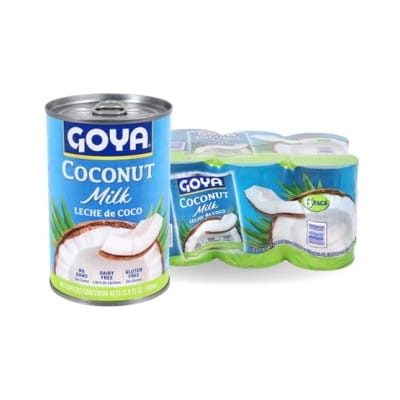
Goya Coconut Milk 13.5 oz (6-pack)
Creole bread's richness is two full cups of coconut milk kneaded into the dough. A six-pack means the next bake is already covered.