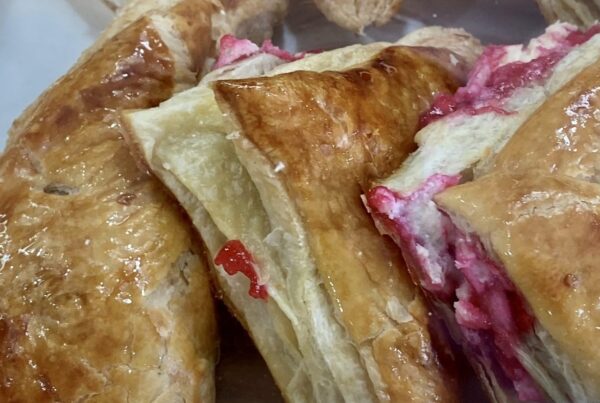
Salpores, or salpores de arroz, are traditional Salvadoran rice flour cookies with a dry, crumbly shortbread texture, flavored with cinnamon and anise. Made from rice flour, butter, sugar, and egg, they are a classic Salvadoran pan dulce eaten with coffee or atol, a staple of home bakeries and holiday tables across El Salvador.
Why salpores are El Salvador’s coffee-table cookie
The first time I ate a salpor, I was standing in a kitchen in San Salvador, watching someone’s grandmother open a tin from the top shelf. She didn’t offer it as a dessert. She set the tin on the table next to a pot of black coffee and left it there. You took one when you felt like it. That’s the place salpores occupy in Salvadoran food culture. Not a showpiece, not an occasion cookie. The dry, crumbly rice-flour disc that lives in a tin on the counter.
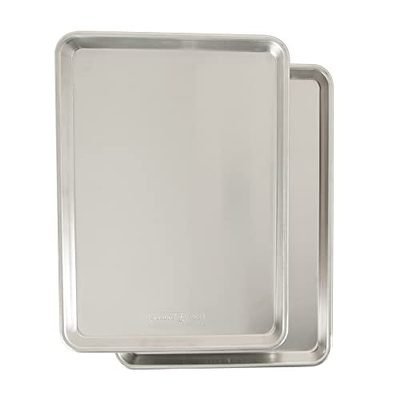
Nordic Ware Naturals Half Sheet — USA Made Aluminum Commercial Quality Sheet Pan, 2-Pack
Half-sheet aluminum is the right size for sheet-pan chicken, roasted plantains, or toasted cassava bread. Commercial-weight aluminum doesn't warp under the long roast.
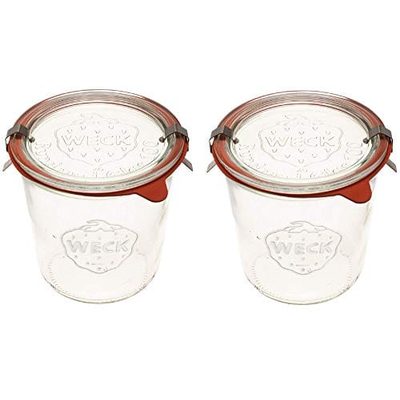
WECK Canning Jars 742 Mold Jars, 1/2 Liter Tall Jar Set (2 Jars)
Spice pastes, ground spices and toasted seeds all keep longer in glass with a silicone seal than in plastic. Tall gasket-sealed glass jars are the editorial pick for paste and spice storage.
What gives salpores their texture is the rice flour itself. Unlike wheat, rice flour contains no gluten. Without that protein network, the dough cannot trap air or build structure the way a wheat shortbread would. The result is a cookie that crumbles when you bite it: a clean, dry, slightly sandy crumb that dissolves fast. That texture is not a flaw. It is the point. It is what makes a salpor the right cookie to eat beside a cup of black coffee rather than as a standalone sweet.
What gives salpores their texture is the rice flour itself — and that dry crumb is not a flaw. It is the point.

Rice flour came to Central America through Spanish colonial trade, arriving as a secondary pantry staple alongside corn masa. The shortbread form reflects that same colonial kitchen influence, where Spanish baking techniques merged with local ingredients. Butter, sugar, egg, and lard entered the recipe from the colonial pantry; rice flour was what El Salvador already had. El Salvador’s mestizo and Pipil-Nawat communities both claim salpores as part of everyday pan dulce culture, the tradition of sweet baked goods eaten with coffee or hot chocolate that the Spanish introduced and Central American cooks made their own.
Unlike Belizean polvorón, which uses wheat flour and lard and carries a heavier, richer texture, salpores are defined by the rice flour base. Unlike Guatemalan champurradas, flat sesame-topped corn cookies, salpores are thicker, drier, and spiced with cinnamon rather than sesame. Same pan dulce tradition, different country, different flour, different flavor. The El Salvador version is the one made for the everyday table beside the pupusas you had for lunch.
Holidays and family milestones are when salpores reliably appear: Christmas, Holy Week, quinceañeras, First Communions, Sunday visits. They keep well in a tin for five days, which makes them practical for gifting. But in many Salvadoran households, they never make it five days.
Ingredients
- 2 cups rice flour
- 1 cup granulated sugar
- ½ cup unsalted butter, softened (or lard/manteca for traditional flavor)
- 1 large egg
- 1 teaspoon baking powder
- ¼ teaspoon salt
- 1 teaspoon ground cinnamon
- 1 teaspoon anise seeds (optional but traditional)
- 1 teaspoon vanilla extract
- 2 tablespoons sesame seeds (optional, for topping)
Instructions
- Preheat oven to 350°F (175°C). Line a baking sheet with parchment paper.
- In a large bowl, whisk together rice flour, sugar, baking powder, salt, ground cinnamon, and anise seeds.
- Add softened butter and egg to the dry ingredients. Mix until a cohesive, slightly crumbly dough forms. If the dough is too dry, add water one tablespoon at a time, up to 2 tablespoons total.
- Roll the dough into balls about 1½ inches (4 cm) in diameter. Place on the prepared baking sheet and flatten gently into thick discs about ½ inch high.
- If using sesame seeds, press a small pinch onto the top of each cookie.
- Bake for 18 to 20 minutes, until the edges are set and the bottoms are just beginning to turn golden. The cookies will still feel slightly soft when you pull them. They firm as they cool.
- Transfer to a wire rack. Cool completely before eating or storing.
How to get the right crumb — and what to try next
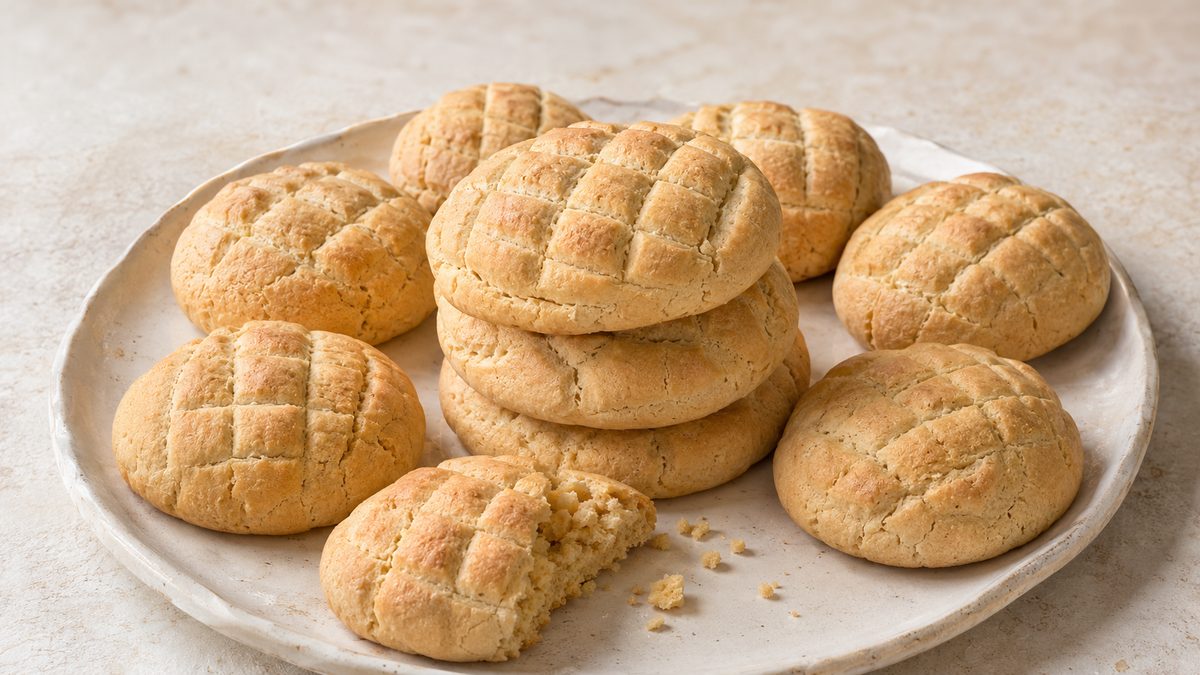
The most common mistake with salpores is treating them like regular cookies. Rice flour dough does not behave like wheat dough. It will feel crumbly in the bowl before it comes together, and the baked cookies will feel fragile when they first come out of the oven. Don’t overbake trying to make them feel firm. They set as they cool. Give them the full cool time on the rack.
Shaping them by hand instead of rolling rounds
Rounds are not the only shape salpores come in. Some bakers roll the dough into a log, cut it into even pieces, and press each one out by hand into a pointed oval, leaving finger grooves down the top instead of a scored crosshatch. It bakes the same way and tastes the same. The shape just changes how the cookie sits on a plate and how much surface goes golden.
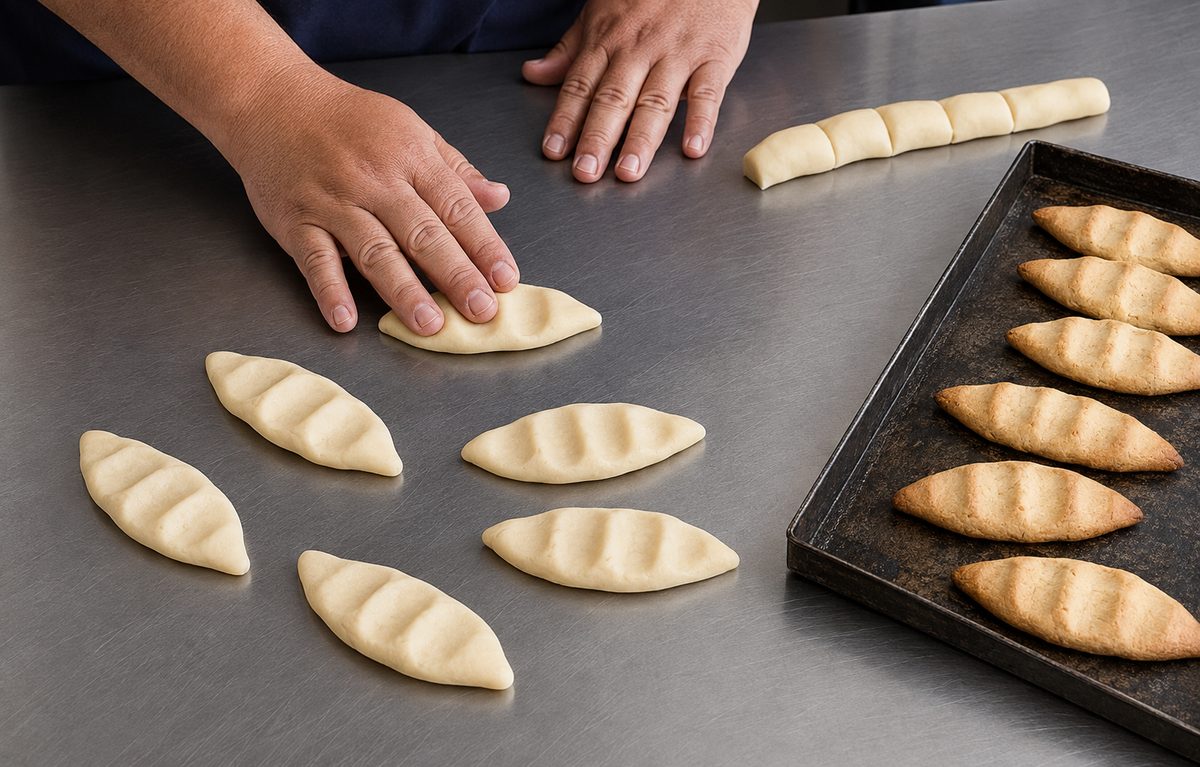
Work the pieces gently either way. Rice flour dough has no gluten to hold it together, so a piece that gets handled too long will crack at the edges before it ever reaches the oven. Press once, straighten the point, move on.
Salpores are not fragile. They just need the full cool time on the rack before you move them.
Butter versus lard. Butter produces a mild, clean flavor. Lard (manteca de cerdo) is available at most grocery stores in areas with large Latino communities, and it produces the richer, slightly savory background that traditional salpores have. If you can source lard, use half lard and half butter (¼ cup each). That split keeps the recipe accessible but gets you closer to what a Salvadoran grandmother is pulling out of that tin.
The fried version. Some households in El Salvador fry salpores in neutral oil instead of baking them. Two to three minutes per side in a skillet until golden. The fried version has a chewier exterior and is the older preparation. If you have a cast-iron skillet and neutral oil, it is worth trying once. Both versions are authentic.
Gluten-free note. Because rice flour contains no gluten, salpores are naturally gluten-free. Do not substitute all-purpose flour. It produces a completely different cookie, dense and chewy rather than crumbly and dry.
Storage. Store in an airtight container at room temperature for up to 5 days. The dry texture actually improves slightly after the first day as the cookies set fully.
Cinnamon versus anise. If you prefer a more licorice-forward salpor, increase anise seeds to 1½ teaspoons and reduce cinnamon to ½ teaspoon. Both versions are authentic depending on the household and region.
Frequently asked questions
What are salpores made of?
Salpores are made from rice flour, sugar, butter or lard, egg, baking powder, and cinnamon or anise seeds. The rice flour is what gives them their distinctive dry, crumbly texture. No wheat flour, no gluten.
Are salpores de arroz gluten-free?
Yes. Because salpores use rice flour rather than wheat flour, they are naturally gluten-free. No substitution needed. The rice flour is the defining ingredient.
What is the difference between salpores and champurradas?
Champurradas are Guatemalan sesame-topped corn cookies, flat and slightly sweet. Salpores are Salvadoran rice flour cookies, thicker, drier, and spiced with cinnamon. Same pan dulce tradition, different country, different flour, different flavor.
Can I use butter instead of lard in salpores?
Yes. Butter works well and is standard in most modern recipes. Lard (manteca) is the traditional fat and gives salpores a slightly richer, more savory edge. For a closer result to the traditional version, use half lard and half butter.
How do I store salpores?
Store salpores in an airtight container at room temperature for up to 5 days. Their dry texture holds well and actually improves after the first day.
What do you eat with salpores?
Salpores are traditionally eaten with coffee, black coffee or café de olla with cinnamon, or with atol, a warm corn or rice drink. They are a light afternoon snack or morning accompaniment, not a post-dinner dessert.
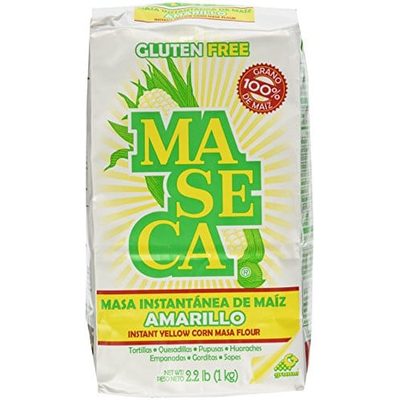
Maseca brand yellow corn masa harina, pre-ground and treated for immediate use in dough for tortillas, tamales, and other corn dough applications.
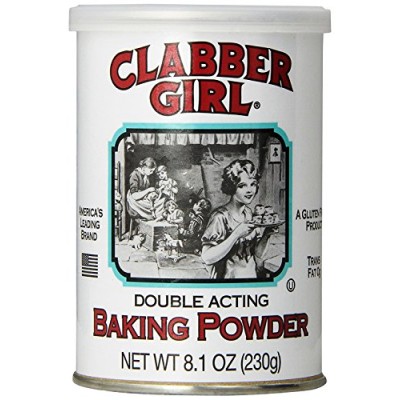
Clabber Girl Double Acting Baking Powder, 8.1 oz
Double-acting polvo para hornear — the lift behind rosquillas and quick breads.
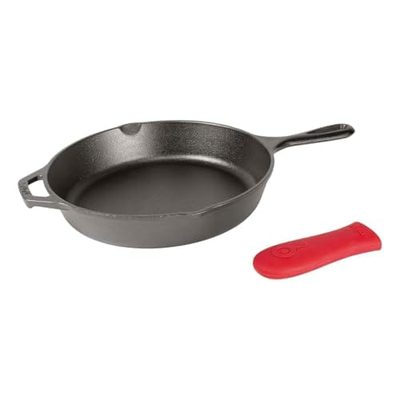
Lodge Cast Iron Skillet with Red Silicone Handle 10.25-Inch
A 10.25-inch cast iron skillet is what diaspora cooks reach for searing panuchos flat, browning stewed chicken, or frying johnnycakes when there is no comal to hand.
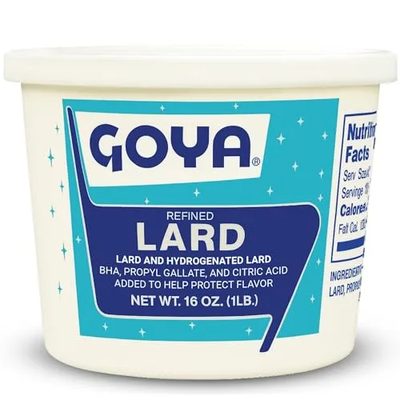
Pure lard (manteca) for making masa dough and frying - the fat traditional recipes rely on for texture and flavor.