Tembleque is a coconut pudding from Puerto Rico, thickened with cornstarch, set in a mold and dusted with cinnamon. It is one of the best-known desserts in Puerto Rican cooking, close kin to blancmange and to Filipino maja blanca (source). The name means shaky, and if it does not shake you have made something else.
Five ingredients, twenty minutes at the stove, and the whole thing depends on not walking away.
What is tembleque?
Coconut milk, cornstarch, sugar and salt, simmered with constant stirring until thick, then poured into a mold and chilled until it is smooth and stiff, with cinnamon over the top (source). No eggs, no gelatin, no dairy unless you choose to add it.
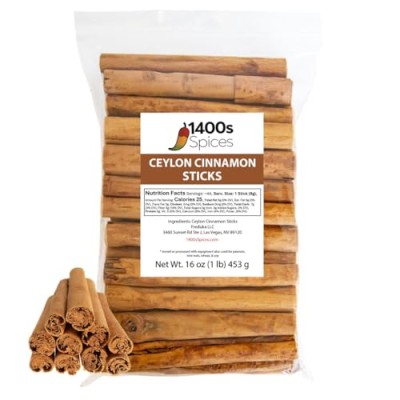
1400S Spices Ceylon Cinnamon Sticks from Sri Lanka, 1lb (Canela Entera)
Ceylon cinnamon is sweeter and milder than cassia — the right choice for atole, conkies, and sweet drinks. These are whole dried sticks from Sri Lanka.
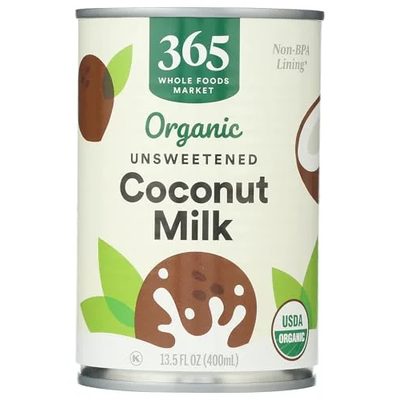
Full-fat coconut milk with nothing added - the choice for recipes where fat carries flavor and texture matters, from soups to baking.
The texture is the whole argument. Cooks who make it well describe the finished pudding as closer to a jelly than to a cream: it should hold its shape when it comes out of the mold and wobble when the plate moves. A tembleque you can pour is undercooked.
It shows up on the Puerto Rican Christmas table alongside pasteles, coquito, arroz con dulce and lechon asado (source). It is a Christmas-season dessert, and it is also just a cold coconut pudding, which is why people make it in July as well.
Coconut milk, not cream of coconut
This is the mistake that ruins it. Cream of coconut is the thick sweetened stuff that goes into coquito. Tembleque takes plain unsweetened coconut milk, full fat, and the sugar goes in separately so you control it. Swap one for the other and you get a sticky, oversweet pudding that never sets properly.
Buy full-fat canned coconut milk, not the carton drink, and shake the can before opening it. Cooks who care about the color pick a brand that comes out bright white rather than grey.
What you need for Puerto Rican tembleque
- 2 cans (13.5 oz / 400 ml each) full fat coconut milk, unsweetened
- 1/2 cup (65 g) cornstarch
- 1/2 cup (100 g) white sugar
- 1/2 tsp (3 g) fine salt
- 1 cinnamon stick
- 1 wide strip of lime peel, no white pith
- 1 tsp (5 ml) vanilla extract, optional
- Ground cinnamon, for the top
Orange blossom water is a common addition and some cooks consider it traditional (source). A teaspoon is plenty if you use it. It is floral and it takes over fast.
How long tembleque takes
| Mixing, off the heat | 10 minutes |
| Stirring on the stove | 15 to 20 minutes |
| Cooling to room temperature | 30 minutes |
| Chilling to set | 3 hours, or overnight |
How to make Puerto Rican tembleque
- Mix it cold. Whisk the cornstarch, sugar and salt into the coconut milk with the pot still off the heat, until there is not a single lump. Lumps that go in now never come out.
- Add the aromatics. Drop in the cinnamon stick and the lime peel. Some cooks instead boil the cinnamon and a few cloves in water for a few minutes, strain, and use that tea as part of the liquid. Either works.
- Turn the heat to medium and stay there. Stir constantly, reaching the bottom and the corners of the pot. This is not a step you can share with your phone.
- Cook until it ribbons. The mixture will thicken suddenly and start to bubble. It is ready when a spoon lifted out of the pot drops thin ribbons that sit on the surface for a second before sinking.
- Fish out the cinnamon stick and lime peel. Stir in the vanilla now if you are using it.
- Wet the molds. Rinse them with cold water and leave them damp. The film of water is what lets the pudding drop out cleanly later.
- Pour and cover. Fill the molds, then lay plastic wrap directly on the surface so it does not form a thick skin.
- Room temperature first, then the fridge. Let it come down on the counter before it goes in, then chill at least 3 hours, overnight if you can.
- Turn out and dust. Invert onto a plate, tap once, and lift the mold away. Ground cinnamon over the top, and serve it cold.
Tips and variations
- A can of evaporated milk changes it. Some cooks replace part of the coconut milk with evaporated or whole milk for a softer, creamier set. It is a real version, it is just less coconut-forward.
- Spice tea versus steeping. Boiling cinnamon and cloves into a tea gives a rounder spice than dropping a stick into the milk. Steeping the stick and a lime peel directly is faster and tastes cleaner. Pick one, not both.
- Silicone molds want a few droplets left inside. Same principle as rinsing a metal mold, and silicone releases even more easily.
- One tray instead of molds. Pour it into a shallow dish and cut squares. Less elegant, no unmolding to go wrong.
- Toppings beyond cinnamon. Fruit relish or chocolate shavings both appear on tembleque (source). Cinnamon alone is the standard finish.
Where it sits on the table
Tembleque is small, cold and very sweet, so it goes out at the end of a heavy meal: after pernil and pasteles, usually beside arroz con dulce, with coquito in a small glass.
Coconut puddings thickened with starch turn up all over the Caribbean and well beyond it. Tembleque is related to Catalan menjar blanc and to Filipino maja blanca (source), which is a longer journey than most desserts can claim.
Nutrition
Estimated, for one of 8 servings, based on the amounts above and standard ingredient labels.
| Calories | 250 kcal |
| Protein | 2 g |
| Fat | 18 g |
| Carbohydrates | 22 g |
| Sugar | 13 g |
| Sodium | 160 mg |
Storing tembleque
Covered in the refrigerator it keeps three or four days and stays firm. Keep the plastic wrap against the surface until you serve it, or the top dries into a rubbery skin.
Do not freeze it. Cornstarch-set puddings weep on thawing and the texture goes grainy. Make it the day before instead, which is better for it anyway.
Equipment you will want
- A heavy pot. Thin pans scorch the bottom before the middle thickens.
- A whisk for the cold mixing, and a wooden spoon or spatula for the stirring.
- Small molds, ramekins, or one shallow dish.
- Plastic wrap, for the surface.
Tembleque questions, answered
What does tembleque mean?
It comes from the Spanish for shaky or trembling, and it describes what the dessert does on the plate. Puerto Rican cooks use the wobble as the test of whether it is set correctly.
Can I use cream of coconut instead of coconut milk?
No. Cream of coconut is thick and heavily sweetened, and it is the ingredient that belongs in coquito, not here. Tembleque needs plain unsweetened full-fat coconut milk with the sugar added separately.
Why is my tembleque lumpy?
The cornstarch went in warm. Whisk it into cold coconut milk with the heat off and do not turn the burner on until the mixture is completely smooth. Once lumps set, straining is the only rescue and it costs you texture.
Why did it not set?
It came off the heat too early. The cornstarch has to reach a full bubble and thicken visibly, to the point where it drops in ribbons from the spoon. A mixture that still pours easily will chill into a soft custard rather than a pudding you can unmold.
How do I get it out of the mold?
Rinse the mold with cold water and leave it damp before you pour. That thin film of water is the release. Invert onto a plate and tap once; if it resists, dip the outside of the mold in warm water for a few seconds.
Is tembleque a Christmas dessert?
It is one of the dishes shared at Christmas in Puerto Rico (source), and the season is when most households make it. It is not restricted to the season. It is a cold coconut dessert and it works in summer too.
Is tembleque the same as flan?
No. Flan is an egg custard with a caramel top. Tembleque has no eggs and no caramel; it is set with cornstarch and finished with cinnamon. The family it belongs to is blancmange.
How far ahead can I make it?
A day ahead is ideal, since it needs several hours in the refrigerator regardless. It holds three or four days covered, with plastic wrap against the surface.
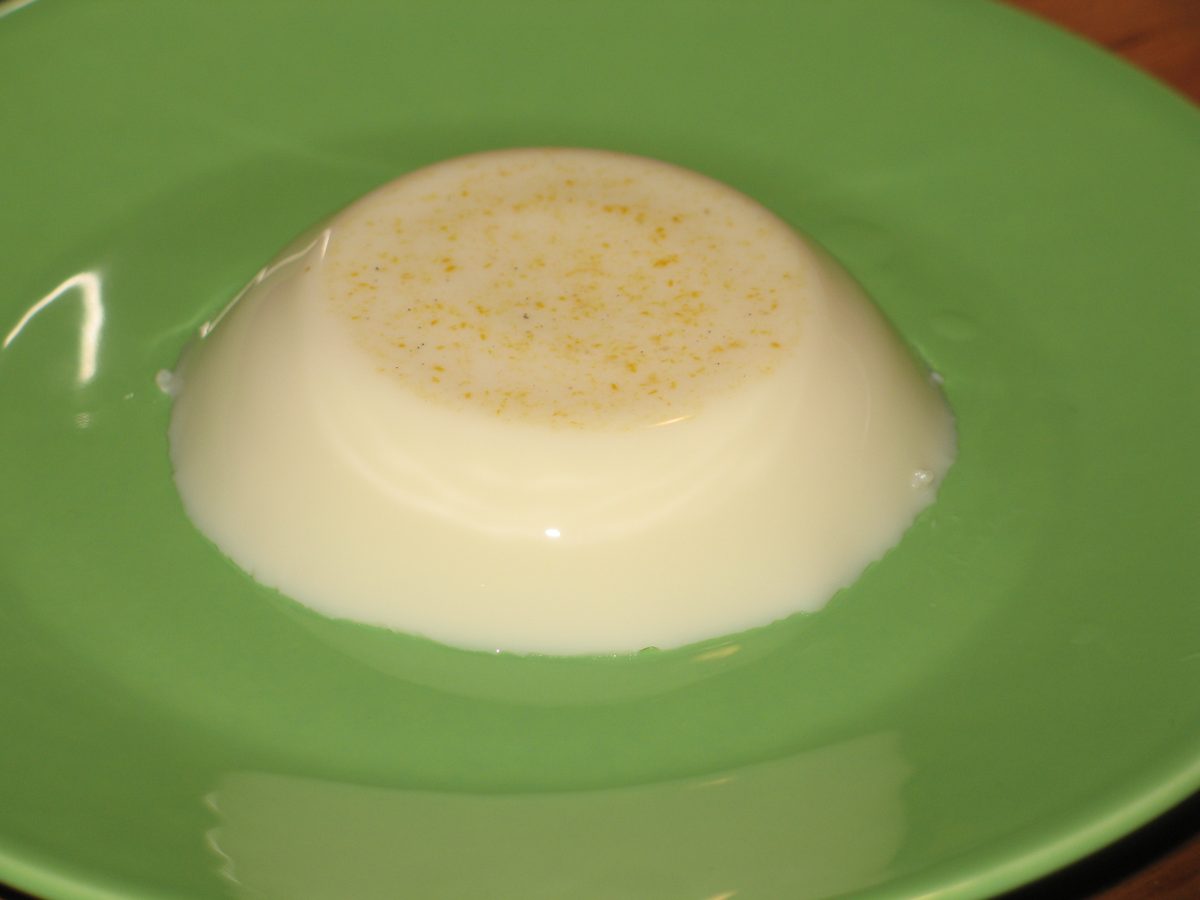
Photograph by Apmarles, CC BY-SA 4.0, via Wikimedia Commons. It shows a blancmange, the European pudding tembleque is related to, not tembleque itself. No photograph of Puerto Rican tembleque exists under a licence we can use, and we would rather say so than let a picture stand in silently.
Goya Coconut Milk 13.5 oz (6-pack)
Creole bread's richness is two full cups of coconut milk kneaded into the dough. A six-pack means the next bake is already covered.
Nestlé Carnation Evaporated Milk, 12 fl oz, 4-Pack
Flan, custard, and Belizean coconut tart filling all build on evaporated milk's reduced water content. The 12oz can is the diaspora pantry standard.
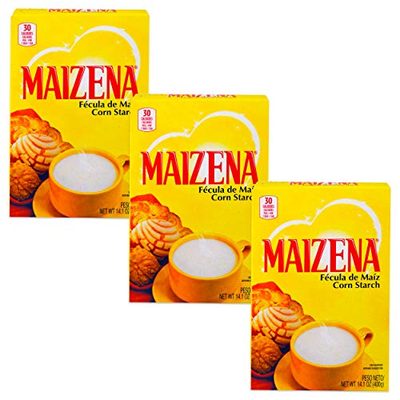
Maizena Corn Starch, 14.10 Ounces (14.1 Ounce (Pack of 3))
Cornstarch is what Belizean cooks reach for to thicken the meat pie filling.
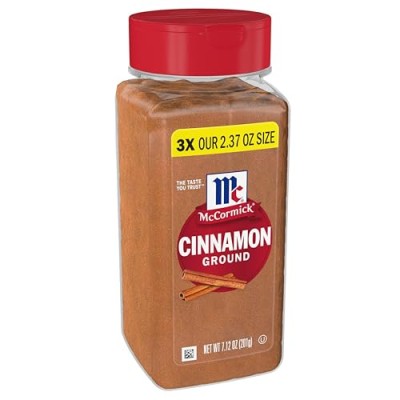
McCormick Ground Cinnamon, 7.12 oz
Pantry-staple ground cinnamon for southern-style montucas and sweet corn tamales.