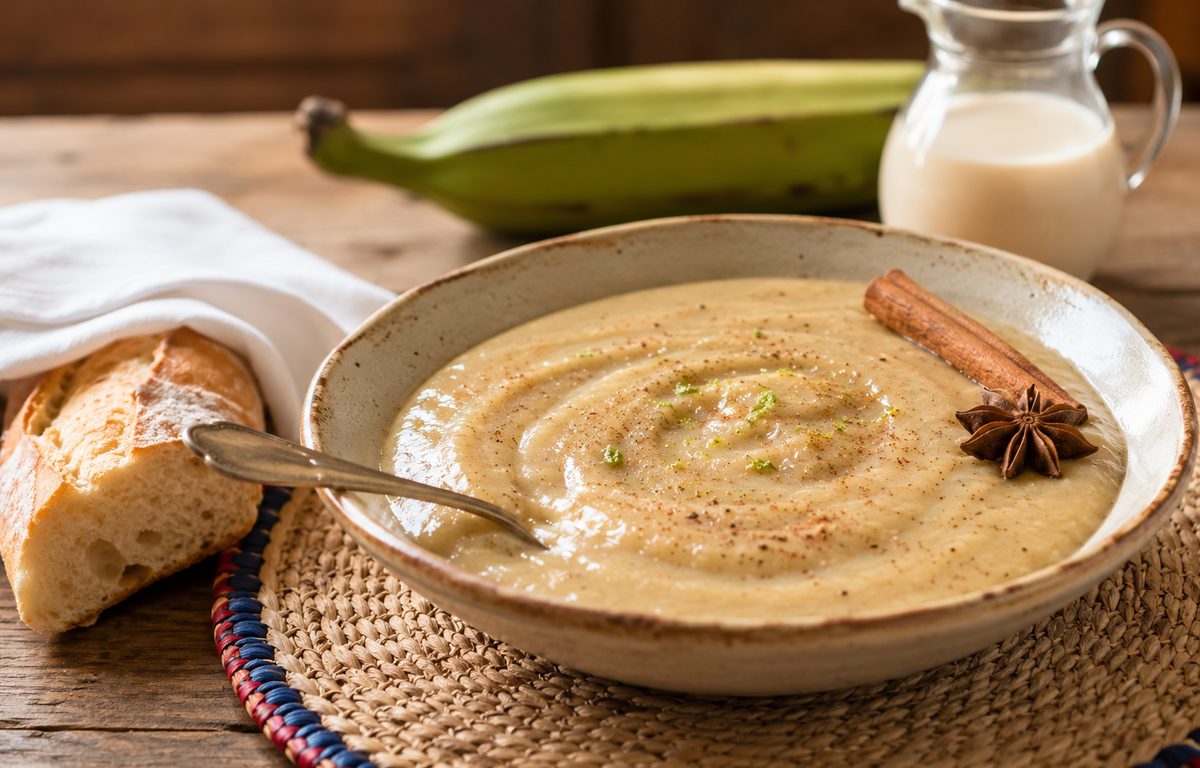
Labouyi bannann is a Haitian breakfast porridge made from green, unripe plantains blended smooth with milk and warm spices. Green plantains carry more starch and less sugar than ripe ones, which is why they cook like a staple rather than a fruit. Haitian cooks translate the name simply as plantain porridge. Cinnamon, nutmeg, and a little vanilla give the bowl its warmth, and cooks finish it with a bit of citrus zest before serving.
Ingredients
Two home-cook methods make labouyi bannann, and they agree on the base but differ on the dairy and the thickener. Pick one path rather than mixing pieces of both.
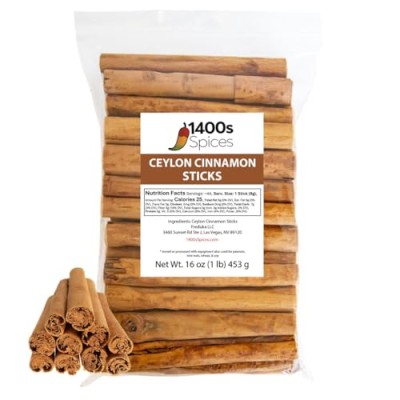
1400S Spices Ceylon Cinnamon Sticks from Sri Lanka, 1lb (Canela Entera)
Ceylon cinnamon is sweeter and milder than cassia — the right choice for atole, conkies, and sweet drinks. These are whole dried sticks from Sri Lanka.

Full-fat coconut milk with nothing added - the choice for recipes where fat carries flavor and texture matters, from soups to baking.
For the base
- Green (unripe) plantains, never yellow or ripe ones.
For the blender method (serves 2)
- 1 green plantain, peeled and cut into 3 to 4 pieces.
- 1 carrot, peeled and roughly chopped.
- Water.
- Sugar, to taste.
- A pinch of salt.
- Cinnamon.
- Nutmeg.
- Carnation (evaporated) milk.
- Vanilla extract.
- Zest from one lime or one lemon.
For the traditional stovetop method
- Green plantains.
- Coconut milk.
- Cinnamon sticks.
- Nutmeg.
- Star anise.
- Salt.
- White or brown sugar.
- Vanilla extract (“esans vaniy”).
A note on quantities: only the blender method comes with sourced amounts (1 plantain, 1 carrot, one lime or lemon’s zest, a recipe that serves two). Sugar, cinnamon, nutmeg, and milk amounts aren’t given as exact measurements in either method. Season to taste rather than a fixed figure, the way both sets of cooks describe doing it themselves.
Instructions
- Wash the plantain first, since it has passed through a lot of hands at the store. Then peel it: pull off the ends, then the skin.
- Cut the plantain into chunks (the blender method uses 3 to 4 pieces from one plantain).
- Add water or milk to a blender or a pot, then add the plantain chunks.
- Stir in the cinnamon and nutmeg, plus star anise if you’re using the stovetop method’s spice set.
- Cook the mixture until it thickens to a porridge. A high-speed blender built for cooking does this in about 6 minutes 30 seconds. The traditional stovetop method takes longer, cooked slowly over the heat.
- If you’re using the carrot, blend it in with the plantain.
- Once the porridge has thickened, stir in the vanilla extract and the citrus zest. Serve warm.
Why Labouyi Bannann Starts with Green Plantains
Cooks are specific about the plantain: it has to be green and unripe. A ripe, yellow plantain is too sweet for the dish. It also won’t hold its structure as the porridge cooks down. Green plantains give labouyi bannann its body.
The wash matters too. Cooks rinse the plantain before they peel it, since it has sat on a store shelf and passed through a lot of hands along the way. It’s a food-safety step as much as a cooking one.
Spice choice is another marker of the traditional version. Whole cinnamon sticks and star anise, not just the ground versions, show up as hallmarks of the more traditional stovetop preparation. Cooks call out Carnation evaporated milk specifically as part of what gives the dish its Haitian flavor profile, alongside the coconut milk some cooks use in the stovetop method.
How Cooks Vary Labouyi Bannann
Labouyi bannann splits into two home-cook approaches, and neither one is more “correct” than the other, since they’re both agreed-on ways cooks make the same dish.
The first difference is the tool. One method uses a high-speed blender that cooks the porridge right in its own pitcher. The whole process takes about six and a half minutes. The other is the traditional route: the plantain mixture simmers slowly on the stove.
Green plantains do double duty in a Haitian kitchen. The same unripe fruit gets pressed and fried into bannann peze, the plate-mate of griot, before it ever gets near a porridge pot. The second difference is the thickener. The blender method adds a carrot, which cooks say keeps the bowl on the healthier side while still thickening it.
The third difference is the finish. The blender method ends with vanilla extract and a bit of citrus zest, from either a lime or a lemon. The traditional method reaches for star anise instead.
The name itself is straightforward: Haitian cooks translate labouyi bannann as plantain porridge. It’s a common breakfast, and cooks serve it alongside bread, a baguette, or a croissant. The morning-porridge habit runs the length of the region: Belize starts the day on green corn porridge, built on young corn instead of green plantain, and cooks the same plantains sweet once they ripen.
Frequently Asked Questions
What is labouyi bannann?
Labouyi bannann is a Haitian porridge made from green, unripe plantains, blended or cooked down with milk and warm spices like cinnamon and nutmeg until it reaches a thick, smooth consistency.
What plantains should I use for labouyi bannann?
Use green, unripe plantains only. Cooks are specific about this: a ripe, yellow plantain is too sweet for the dish, and it won’t hold its structure as the porridge cooks down.
Can I make labouyi bannann in a blender?
Yes. One home-cook method uses a high-speed blender built for cooking, which turns the plantain, milk, and spices into a finished porridge in about 6 minutes 30 seconds, right in the blender pitcher.
What does “labouyi bannann” mean?
Haitian cooks translate the name as plantain porridge. That’s a direct description of the dish itself, not a separate name for something else.
What do Haitians serve with labouyi bannann?
It’s a common breakfast, and cooks serve it with bread, a baguette, or a croissant.
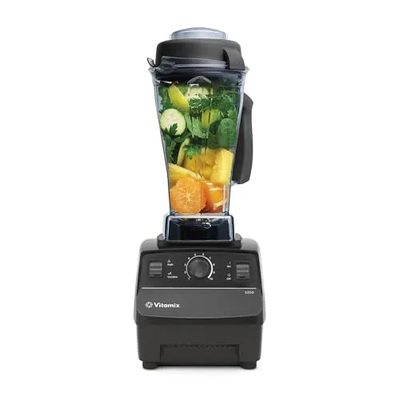
High-powered Vitamix 5200 blender - grinds, purees, and emulsifies at speeds standard home blenders don't reach.

McCormick Ground Cinnamon, 7.12 oz
Pantry-staple ground cinnamon for southern-style montucas and sweet corn tamales.
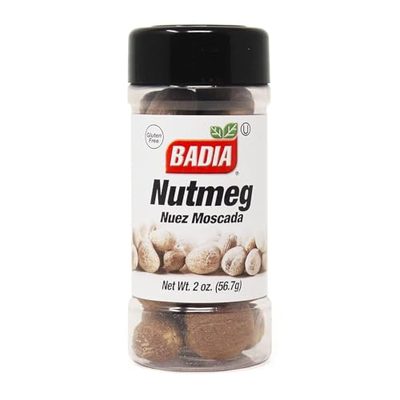
Whole seeds you grate fresh; the recipes that call for grated nutmeg mean this, not the pre-ground jar.