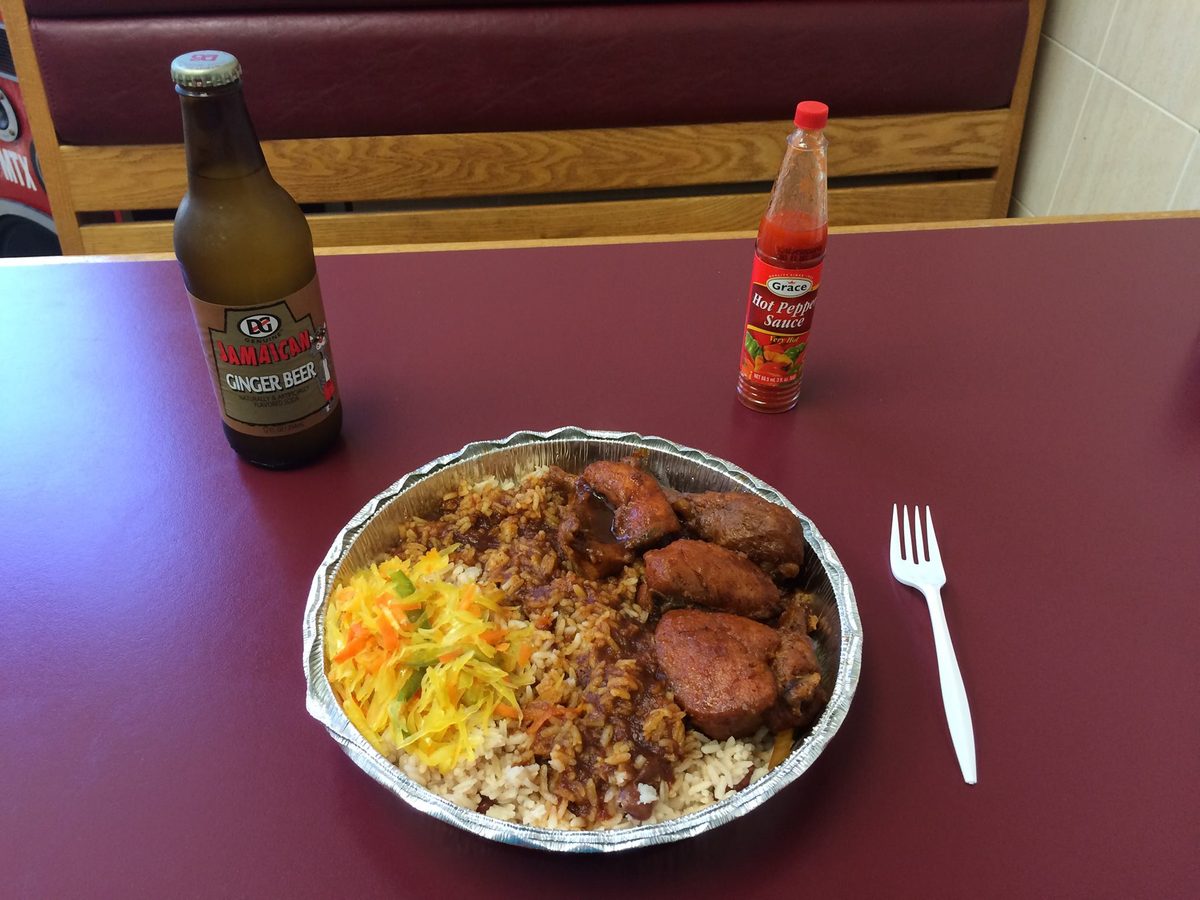
Jamaican brown stew chicken is bone-in chicken washed with citrus, seasoned overnight, browned hard, then simmered down into a thick dark gravy. It is Sunday food in Jamaica and one of the island’s staple dishes. The color is the whole point, and Jamaican cooks disagree about how to get it.
Ingredients
Amounts here are a worked starting point for 3 lb (1.4 kg) of chicken, feeding four to six. Dark meat on the bone is the starting point. The cooks this recipe follows are blunt about why: the seasoning should reach all the way in, so that when you bite down to the bone it is still seasoned.
WECK Canning Jars 742 Mold Jars, 1/2 Liter Tall Jar Set (2 Jars)
Spice pastes, ground spices and toasted seeds all keep longer in glass with a silicone seal than in plastic. Tall gasket-sealed glass jars are the editorial pick for paste and spice storage.
Cochinita pibil, poc chuc, and escabeche all start with red recado. A prepared achiote paste dissolves into sour orange in minutes instead of the hour it takes to grind annatto, oregano, and clove from seed.
For the chicken and the wash
- 3 lb (1.4 kg) bone-in chicken, a whole bird cut into smaller pieces, or drumsticks.
- 1/4 cup (60 ml) vinegar and 2 limes or 1 lemon, for washing.
Aromatics
- 3 scallions, chopped.
- 1 large onion, sliced.
- 4 garlic cloves, minced.
- 1 in (2.5 cm) fresh ginger, grated.
- 2 tomatoes, chopped.
- 1 to 2 pimento peppers, sliced.
- 4 sprigs fresh thyme.
Seasoning
- 1 tbsp pimento seeds (allspice berries).
- 1 tsp black pepper.
- 1 tsp paprika.
- 1 Maggi or other bouillon cube.
For the color and the gravy
- 1 tbsp (15 ml) browning, the bottled liquid caramelized sugar.
- 2 tbsp (30 ml) tomato ketchup, or 1 tbsp (15 g) tomato paste.
- 3 tbsp (45 ml) cooking oil.
- 2 cups (475 ml) water or stock, plus more to cover.
Instructions
- Wash the chicken thoroughly with vinegar and lemon. Jamaican cooks treat this as the first step of the recipe, not a rinse, and they are washing off what one of them calls the slime.
- Season the chicken with the aromatics and dry spices and let it sit. Several hours works. Overnight is what the cooks recommend, so the seasoning soaks in rather than sitting on the surface.
- Pick the fresh seasonings off the chicken before it goes in the pot. Onion and pepper burn in hot oil, and burnt aromatics will carry through the whole gravy.
- Brown the chicken in hot oil, cooking oil or corn oil, until the outside has real color. This is the Jamaican route: the caramelized-sugar method belongs to the stewed chicken of Trinidad and the other islands.
- Add liquid once the chicken has color: water, or the marinade left in the bowl, which is where a good part of the gravy’s flavor is sitting.
- Add water or stock to cover, return the seasonings you picked off, and simmer on low to medium heat until the chicken is tender.
- Stir in ketchup or tomato paste and let the liquid reduce until the gravy is thick.
Jamaican Cooks Do Not Agree on How to Get the Brown
This is the honest state of the dish, and it is worth knowing before you pick a method. Most Jamaican cooks brown the chicken in oil, often with bottled browning, the liquid caramelized sugar sold for exactly this. At least one well-known Jamaican cook makes the whole thing with no browning and no ketchup at all, on the argument that the color should come from the cooking. Caramelizing brown sugar in the pot is the neighbouring approach, standard in Trinidad rather than in Jamaica.
The skin is part of the same argument. Cooks who want the deepest color keep it on and say plainly that removing it costs you the pretty brown. Others take it off for a lighter dish. Both are cooking brown stew chicken.
What nobody disagrees about is that pale is wrong. A stew that comes out looking white has missed the dish, whichever route you took to the color.
Wash, Season, Wait
The citrus and vinegar wash is not optional in a Jamaican kitchen, and it is the step that most non-Jamaican versions drop. It comes before seasoning, always.
Then the wait. Overnight in the refrigerator is what the cooks call for, and it is the difference between chicken that tastes seasoned and chicken that tastes coated. Bone-in dark meat rewards it more than breast does, because the flavor has somewhere to travel.
The small technical move most people miss is picking the fresh seasoning off before browning. Scallion, onion, and pepper scorch fast in hot oil. Take them off, brown the meat clean, then put them back when the liquid goes in.
The Same Stew Has a Different Name in Every Territory
Brown stew chicken is the Jamaican name for a dish the whole region cooks. In Trinidad it is stew chicken, browned with caramelized sugar rather than bottled browning. In Haiti it is poul nan sos, chicken in sauce. Barbados has its own brown stew chicken. The methods diverge on the browning agent and on whether potatoes and carrots belong in the pot, but the shape is shared.
Brown stew meats are counted among the dishes that came out of Spanish influence on the island (source), alongside escovitch fish and stew peas. The Jamaican cooks themselves frame it differently, as knowledge handed down through generations rather than as a colonial inheritance, and both things are true at once.
We have the Belizean version of the same argument at home. Our recado stewed chicken gets its color from red recado paste, and the no-recado version exists precisely because cooks disagree about that. Different colorant, same Sunday-dinner logic.
Tips and Variations
Browning is the thread running through the Jamaican pot generally. Jamaican oxtail is built on the same bottled browning and the same patience, with a cut that needs hours rather than an afternoon.
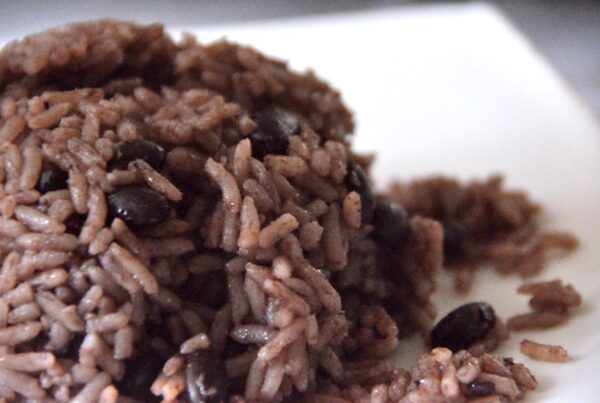
Potatoes and carrots are a real variation, common where a cook is stretching the pot to feed more people. They are not required, and some cooks consider them outside the tradition. Serve it with rice and peas, which is the Jamaican relative of our Belizean rice and beans.
Storage and Make-Ahead
The seasoning stage is the one to plan around. The chicken wants to sit seasoned overnight, so this is a dish you start the day before you want to eat it.
Cooked brown stew keeps three to four days in an airtight container in the refrigerator, and the gravy tastes deeper on the second day once it has sat.
Reheat gently with a little water if the gravy has tightened. Keep it below a hard boil, since chicken that is already fully cooked will go stringy if it is boiled again.
Frequently Asked Questions
What is Jamaican brown stew chicken?
Bone-in chicken washed with citrus and vinegar, seasoned overnight with scallion, thyme, pimento and other aromatics, browned hard, then simmered in its own juices and stock until the gravy is thick and dark. It is a Jamaican Sunday staple.
What gives brown stew chicken its color?
Mostly hard browning in oil, usually helped by bottled browning, which is liquid caramelized sugar. At least one Jamaican cook uses neither and relies on the browning and the skin alone. Melting brown sugar in the pot is the Trinidadian route into the same color.
How long should the chicken marinate?
Several hours at minimum, overnight for the result the cooks are after. The point is for the seasoning to soak into bone-in dark meat rather than sit on the surface.
Why take the seasonings off before browning?
Onion, scallion, and peppers burn in oil hot enough to brown chicken, and burnt aromatics flavor the entire gravy. Pick them off, brown the meat, then return them when you add liquid.
Is brown stew chicken the same as Trinidadian stew chicken?
They are close relatives, not the same recipe, and the browning step is where they part. Trinidadian cooks caramelize brown sugar in the pot; Jamaican cooks brown in oil, usually with bottled browning. Haiti cooks the same shape of dish as poul nan sos, chicken in sauce.
How much chicken does this recipe serve?
3 lb (1.4 kg) of bone-in chicken feeds four to six with rice. Budget by weight rather than by piece count, since a leg quarter and a drumstick are very different portions.
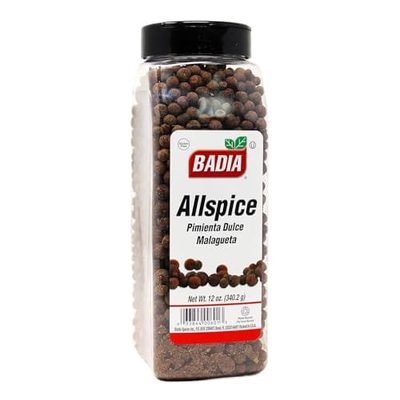
Whole allspice berries you grind fresh; the warm, complex spice flavor is strongest when ground right before use, unlike pre-ground powder.
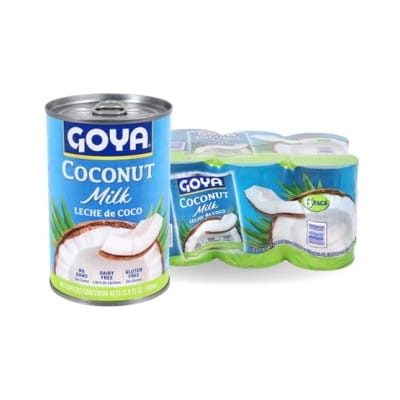
Goya Coconut Milk 13.5 oz (6-pack)
Creole bread's richness is two full cups of coconut milk kneaded into the dough. A six-pack means the next bake is already covered.
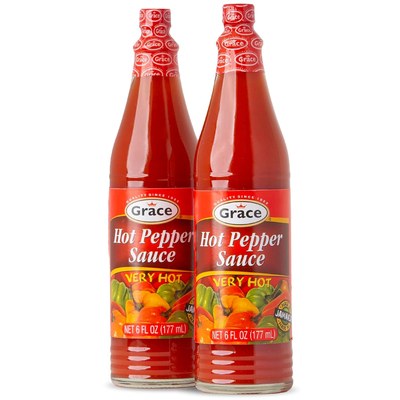
Scotch bonnet blended with West Indian red peppers: the everyday bottle that sits on a Jamaican table rather than a specialty sauce bought for one dish. The two-pack is the sensible buy for a household that cooks Jamaican food regularly.