Jerk pork is where jerk started. Pork shoulder or leg is washed with citrus, packed with a wet pimento seasoning worked into cuts in the meat, left overnight, then cooked slowly until the bone pulls free. Most Jamaican cooks outside the island now do it in an oven, and they are not apologising for it.
Ingredients
Amounts here are a worked starting point for 4 lb (1.8 kg) of pork, feeding six to eight. Pimento is the ingredient the cooks call the main one, so do not treat it as a background spice.
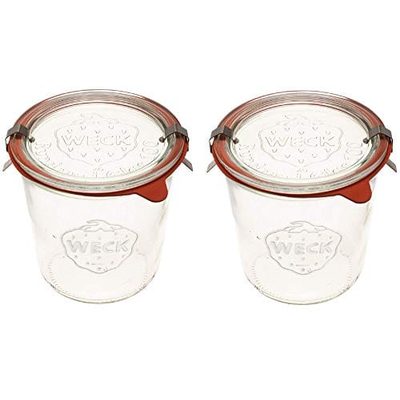
WECK Canning Jars 742 Mold Jars, 1/2 Liter Tall Jar Set (2 Jars)
Spice pastes, ground spices and toasted seeds all keep longer in glass with a silicone seal than in plastic. Tall gasket-sealed glass jars are the editorial pick for paste and spice storage.
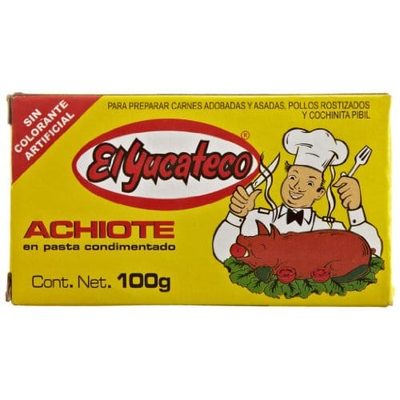
Cochinita pibil, poc chuc, and escabeche all start with red recado. A prepared achiote paste dissolves into sour orange in minutes instead of the hour it takes to grind annatto, oregano, and clove from seed.
For the pork and the wash
- 4 lb (1.8 kg) pork shoulder, leg, or rump, bone in.
- 1/4 cup (60 ml) vinegar, plus 2 limes or 1 lemon, for washing.
The wet seasoning
- 2 tbsp (14 g) pimento seeds (allspice berries), the main ingredient.
- 1 bunch scallions, about 6, chopped.
- 1 large onion, chopped.
- 6 garlic cloves.
- 2 in (5 cm) fresh ginger, peeled.
- 4 sprigs fresh thyme.
- 2 pimento peppers (seasoning peppers).
- 1 to 2 Scotch bonnet peppers.
- 1/4 cup (60 ml) vinegar, for blending.
Spices and pantry
- 1 tsp grated nutmeg, 1 tsp ground cinnamon, 1/2 tsp ground cloves.
- 1 tsp ground cumin, 1 tsp black pepper, 1 tsp paprika.
- 2 tbsp dry jerk seasoning.
- 1 tbsp all-purpose seasoning.
- 3 tbsp (45 ml) soy sauce.
- 1 tsp (5 ml) browning, optional, for colour.
- 3 tbsp (45 ml) oil.
- 1 bottle (11 oz / 330 ml) Red Stripe or other lager, optional.
Instructions
- Wash the pork with vinegar and citrus until it is properly clean, then pat it dry.
- Blend the wet seasoning: scallion, onion, garlic, ginger, thyme, pimento peppers, Scotch bonnet, and the pimento seeds, loosened with vinegar.
- Cut into the meat. Score it, or pierce it with a fork, so the seasoning has a route past the surface. On a thick cut this is what gets the flavour down to the bone.
- Rub the seasoning into every crevice and corner, including the cuts you just made, then work in the dry spices, soy sauce, and browning if you are using it. Hold back a little of the marinade for basting.
- Cover and refrigerate. An hour or two works if you are pressed. Overnight is what the cooks call the better method, and this is the step that separates jerk from seasoned pork.
- Cook it slowly. In the oven, cover with foil for the first half so it cooks in its own juices, then uncover to colour. On a grill, cook over indirect heat with pimento wood.
- Baste with the reserved marinade as it cooks, which is what keeps a long cook from drying the meat out.
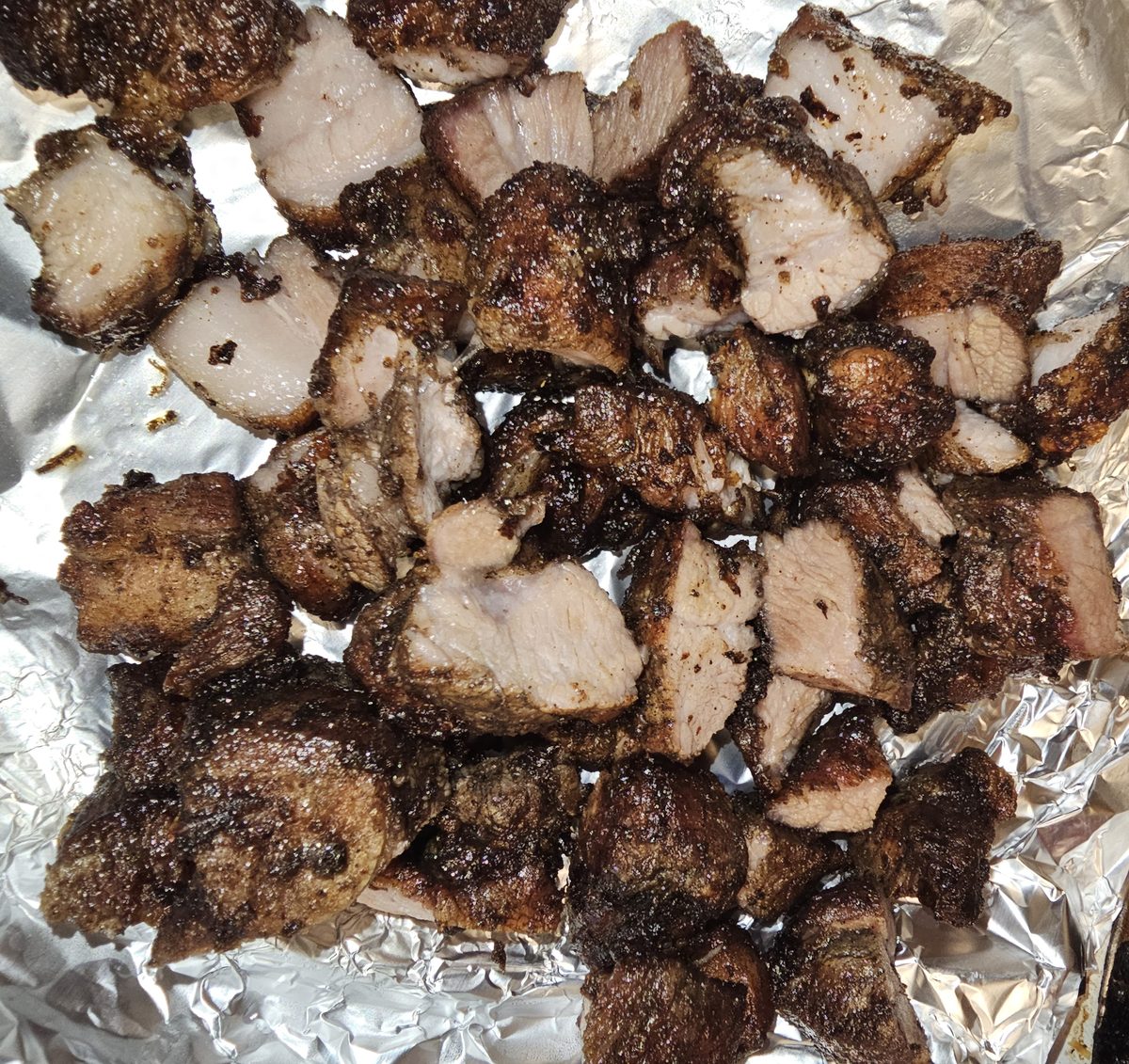
- It is done when the bone comes away easily. Chop and serve.
Season It Down to the Bone
The standard the cooks hold jerk pork to is that it should be seasoned down to the very bones. Flavour that stops at the surface is the tell of a rushed job, and on a four-pound shoulder the surface is a small fraction of what you are eating.
That is what the incisions are for. Score the meat or pierce it with a fork before the seasoning goes on, so the marinade has somewhere to travel. Then rub it into every crevice rather than spreading it over the top.
Time does the rest. An hour or two will season the outside; overnight gets it through. The second tell is what happens at the end: on properly slow-cooked jerk pork, the bone comes away easily.
The Oven Is the Normal Way Now
Three of the four cooks behind this recipe cook jerk pork in an oven and say why: jerk drums are not available in most of the places Jamaicans now live. Only one insists on a barbecue grill over pimento wood as the authentic apparatus.
The oven method has its own technique. Foil over the pan for the first half traps the meat’s own juices, then comes off so the outside can darken. One cook adds water to the pan instead; another pours a bottle of Red Stripe over the pork for colour and flavour, which none of the others do.
What the oven cannot give you is smoke. On a grill, the traditional trick is pimento wood soaked in water so it shields the meat from direct flame while the smoke works into it. If you have the wood and the grill, use them. If you do not, the oven version is what most of these cooks are actually making.
Pork Is the Original Jerk
Jerk began with the Jamaican Maroons, Africans who escaped enslavement into the mountains and cooked hunted meat over open fires with a blend of herbs. The technique was practical before it was a cuisine: to conceal their whereabouts, the Maroons cooked spiced pork underground so the smoke would not be seen.
Pork, in other words, is not a variation on jerk chicken. It is the older dish, and jerk chicken is the version that came later and travelled further. If you have made the chicken, the seasoning here will look familiar; what changes is the cut, the depth it has to travel, and the hours.
Pit-cooked pork is a thread that runs across this whole region, and the Yucatán has its own. Cochinita pibil is a banana-leaf-wrapped pig slow-cooked in a stone-lined pit, coloured and seasoned with annatto rather than pimento. Same instinct, entirely different spice cabinet, and the pit is the common ancestor.
Storage and Make-Ahead
This is a two-day recipe by design, because the overnight marinade is the step that matters most. Season it the night before and the cooking day is straightforward.
Cooked jerk pork keeps three to four days in an airtight container in the refrigerator, and it reheats better than jerk chicken does because a fatty shoulder holds its moisture. Warm it covered, with a spoon of the pan juices.
It freezes for up to three months. Freeze it in its juices rather than dry, thaw overnight in the refrigerator, and reheat covered. Chopped leftovers are what jerk pork sandwiches are made of, so freezing in meal-sized portions is worth the minute it takes.
Tips and Variations
Reserve marinade before it touches the raw pork if you plan to baste with it. Basting is a technique these cooks name specifically for keeping the meat moist through a long cook, and you want that portion clean.
Serve it with festival or rice and peas, which are the pairings the cooks name. For a Belizean point of comparison, our recado pork steaks take the same overnight-marinade approach to pork with a red recado paste instead of a pimento base, and cook in minutes rather than hours because the cut is thin.
Frequently Asked Questions
What cut of pork is best for jerk pork?
Shoulder, leg, or rump, bone in. The cooks here name all three. Bone-in matters because the standard they judge by is meat seasoned down to the bone and a bone that pulls away easily at the end.
Can I make jerk pork in the oven?
Yes, and three of the four cooks behind this recipe do exactly that, because jerk drums are not available where most of the diaspora lives. Cover with foil for the first half of the cook so it braises in its own juices, then uncover to darken.
How long should jerk pork marinate?
One to two hours will do at a push, but the cooks agree overnight is the better method. On a thick cut the marinade needs the time to travel past the surface.
What is the main ingredient in jerk seasoning?
Pimento seeds, which are allspice berries. The cooks call them the main ingredient of the marinade outright, and a jerk recipe without them is generic.
Why do you cut into the meat before seasoning?
So the seasoning can get past the surface. Scoring or piercing a thick cut gives the marinade a route inward, which is how you get flavour down to the bone rather than a seasoned crust over plain pork.
How much pork do I need per person?
Around 8 to 10 oz (225 to 285 g) raw per person for a bone-in cut, which is why 4 lb (1.8 kg) feeds six to eight here. Bone-in shoulder loses weight in a long cook, so buy above what you expect to serve.
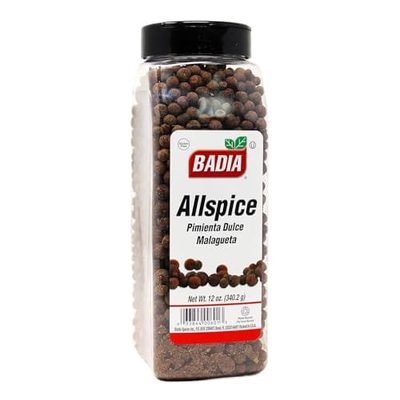
Whole allspice berries you grind fresh; the warm, complex spice flavor is strongest when ground right before use, unlike pre-ground powder.
Frontier Co-op Whole Cloves, Organic, Hand Select, 16 oz
Spice pastes, dark stews and braised meats all call for whole cloves ground or simmered into the dish. Whole cloves keep their volatile oils far longer than ground.
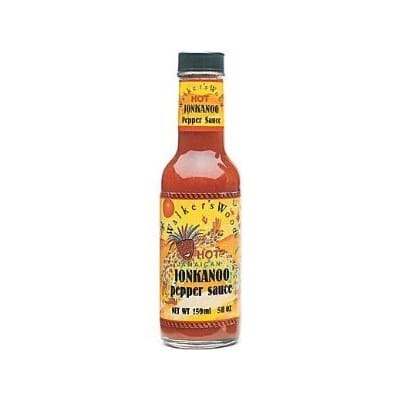
Walkerswood Jonkanoo Hot Pepper Sauce
Made in the hills of St. Ann and sitting at the seriously hot end of the range. For a cook who wants the heat a jerk pit actually carries, not a mild table sauce.