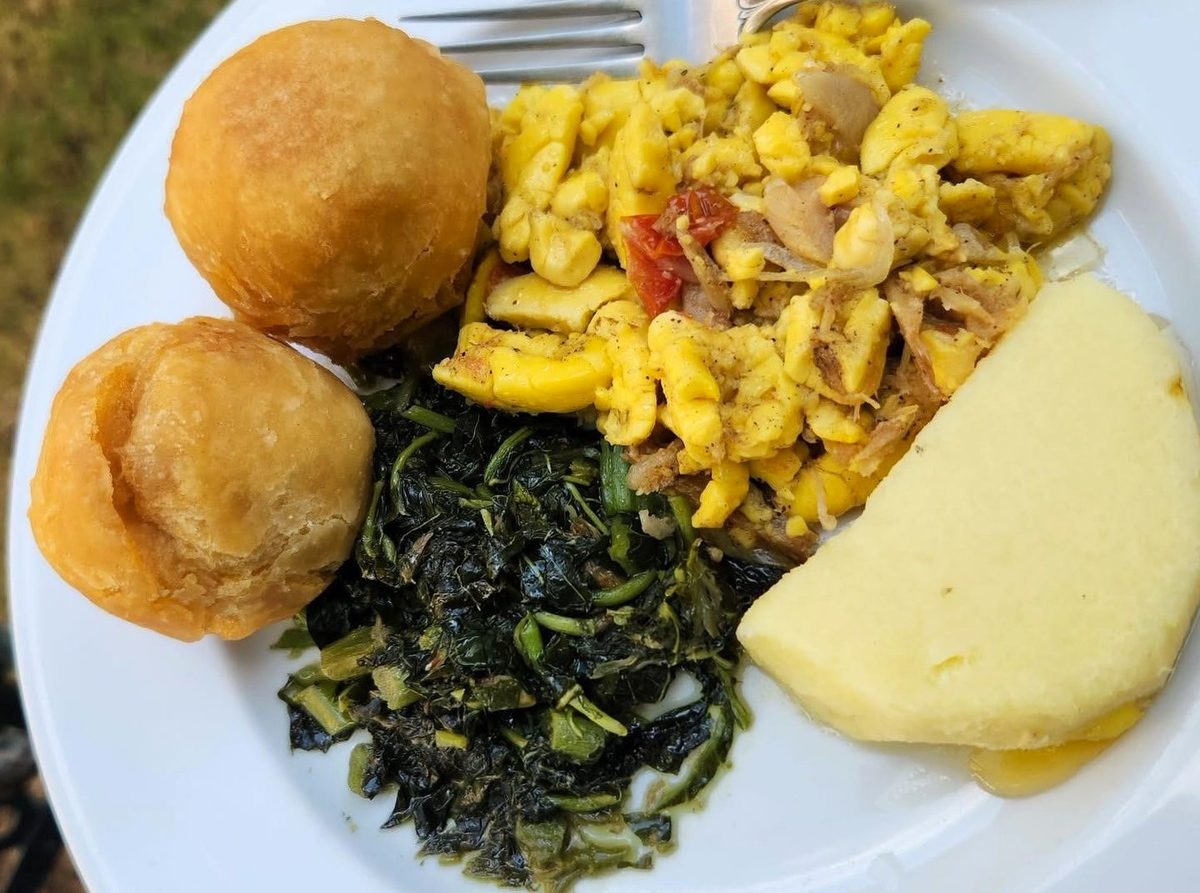
Jamaican fried dumplings are a plain flour dough, rubbed with butter, rested, rolled into rounds and fried until golden and hollow-light inside. They are the breakfast bread of Jamaica, and they are not festival: no cornmeal, no sweetness to speak of, and round rather than long.
Ingredients
Amounts here make about 10 dumplings. The list is short enough that technique carries the whole recipe.
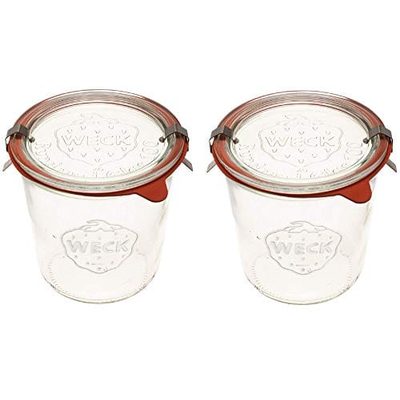
WECK Canning Jars 742 Mold Jars, 1/2 Liter Tall Jar Set (2 Jars)
Spice pastes, ground spices and toasted seeds all keep longer in glass with a silicone seal than in plastic. Tall gasket-sealed glass jars are the editorial pick for paste and spice storage.
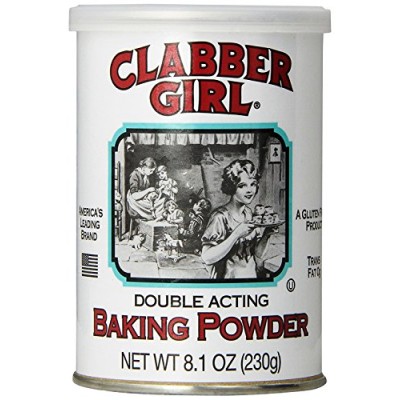
Clabber Girl Double Acting Baking Powder, 8.1 oz
Double-acting polvo para hornear — the lift behind rosquillas and quick breads.
The dough
- 2 cups (250 g) all-purpose flour.
- 2 tsp baking powder.
- 1/2 tsp salt, sea salt if you have it.
- 1 tsp sugar, optional and contested.
- 2 tbsp (28 g) butter or margarine.
- About 3/4 cup (180 ml) water at room temperature, or milk.
To fry
- Oil for deep frying, about 3 cups (700 ml).
Instructions
- Combine the flour, baking powder, salt, and the sugar if you are using it.
- Rub the butter into the flour with your fingers until the mixture looks like coarse crumbs.
- Add the water or milk gradually and knead into a soft dough ball. Add the liquid slowly, since a wet dough cannot be taken back.
- Cover and rest the dough 15 minutes, or up to an hour, which relaxes it and makes the dumplings lighter.
- Pinch off portions and roll each into a smooth round between your palms.
- Test the oil first: drop in a small piece of raw dough. If it shoots straight to the surface, the oil is too hot.
- Fry over medium heat, turning them continuously rather than letting one side brown, until golden all over and swollen.
Fried Dumpling Is Not Festival
These two get mixed up constantly, including by recipe sites, so it is worth being precise. Fried dumpling is a plain flour dough, round, barely sweet, and leavened with baking powder. Festival contains cornmeal, is noticeably sweet, and is rolled long and tapered.
They also do different jobs on the plate. Festival is the sweet counterweight to something sharp or fiery, which is why it sits next to jerk and escovitch. Fried dumpling is the neutral one, the breakfast bread that goes with saltfish and stew.
The cornmeal is the clearest line between them. It belongs to festival, and to spinners, the boiled dumplings that go into soup. A fried dumpling is flour.
Medium Heat, and Keep Them Moving
Two different temperature failures, and they are opposites. Oil that is too hot browns the outside before the inside has cooked, leaving a raw centre. Oil that is too cold, or that drops when the pan is crowded, is what makes the dough sit there absorbing grease. A heavy, oily dumpling is the cold-oil failure.
The cooks test it the same way: drop a small piece of raw dough into the oil. If it floats up too quickly, the oil needs to come down. Medium heat, and patience.
Then keep them turning. Rather than letting one side brown and flipping once, the technique is continuous flipping so they colour evenly and cook through. A proper one swells and floats, and broken open it shows air pockets rather than a raw, dense centre.
Water or Milk, Sugar or None
The liquid splits the cooks. One uses room-temperature water and gets a clean, plain dumpling. Two others insist on milk, on the grounds that it makes the result softer. Both versions are standard, and milk is the richer one.
Sugar splits them too. Two cooks add a little for balance; another rejects it outright and says there is no need. Since fried dumpling’s job is to be the neutral bread on a savoury plate, leaving it out is defensible and so is a teaspoon.
There is even a disagreement about gloves. One cook kneads in them; another says clean hands and clean nails are the whole requirement, and is pointed about hygiene being a matter of pride. Use whichever, but the underlying standard is not optional.
Storage and Make-Ahead
Fried dumplings are best within the hour, while the outside still has some resistance and the inside is light. They are a made-to-order bread rather than a keeper.
The dough is the part that holds. Mix it, cover it, and keep it refrigerated for a day; the rest it gets is beneficial anyway. Bring it back to room temperature before rolling so it does not fight you.
Cooked dumplings keep two days in an airtight container and go dense. Refresh them in a hot oven for a few minutes rather than a microwave, which softens the crust and does nothing for the middle.
Tips and Variations
Add the liquid gradually. Almost every dumpling problem starts with a dough that went wet early and got corrected with more flour, which makes them tough. Aim for soft, not sticky.
Serve them with ackee and saltfish, which is the pairing the cooks name first, or with brown stew chicken, curry chicken, or fried corned beef. In Belize the same seat at breakfast belongs to fry jacks, which are fried triangles of a similar plain dough, puffed and torn open to hold fillings rather than served whole alongside.
Frequently Asked Questions
What is the difference between fried dumplings and festival?
Fried dumpling is plain flour dough, round, and barely sweet. Festival contains cornmeal, is sweeter and softer, and is rolled long and tapered. They are different breads doing different jobs on the plate.
Why are my fried dumplings greasy?
The oil was too cold, or it dropped when the pan got crowded, and cold oil is what lets dough absorb grease. Keep it at a steady medium and fry in batches. Oil that is too hot causes the opposite problem: browned outside, raw middle.
Should I use water or milk?
Either. One cook uses room-temperature water for a plain dumpling, while two others insist on milk to make them softer. Milk gives the richer result and both are standard.
Do fried dumplings need sugar?
Cooks disagree. Two add a little for balance, one leaves it out and says there is no need. Since the dumpling is usually the neutral bread on a savoury plate, either is defensible.
Why rest the dough?
Fifteen minutes to an hour relaxes the dough and gives lighter dumplings. It also makes the rounds easier to roll without the dough springing back.
How many does this make?
About ten, from 2 cups (250 g) of flour. That covers four people at breakfast alongside ackee and saltfish, with a couple left over.
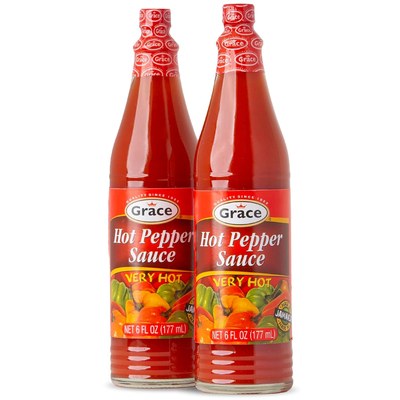
Scotch bonnet blended with West Indian red peppers: the everyday bottle that sits on a Jamaican table rather than a specialty sauce bought for one dish. The two-pack is the sensible buy for a household that cooks Jamaican food regularly.