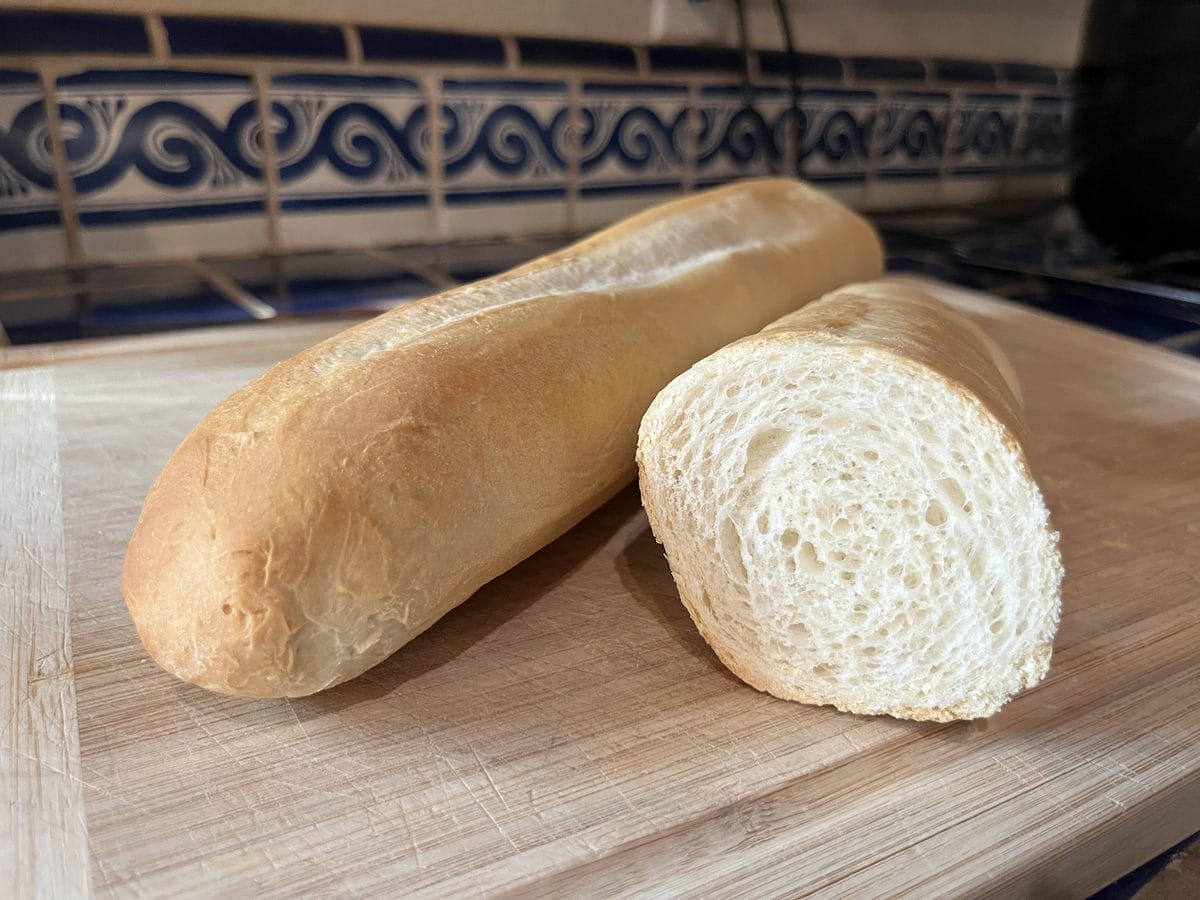
Pan cubano is a long, oval white loaf made from flour, water, yeast, salt and pork lard. The lard is the whole difference. It gives Cuban bread a thin, crisp crust over a soft, open crumb, and a seam runs the length of the top, traditionally pressed in with a wet palm leaf laid on the dough before baking.
Lard Is What Makes Pan Cubano Pan Cubano
All three Cuban bakers behind this post named the same ingredient before anyone asked them to: pork lard. Not flour, not shape, not oven temperature. Lard. It is the strongest point of agreement in the whole research file. Say it plainly: take the lard out of pan cubano, and you get a different bread.
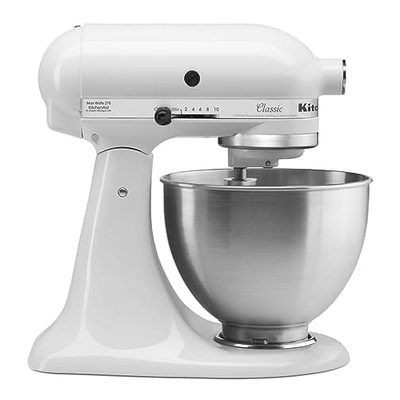
The dough wants 12 to 15 minutes of kneading before it passes the windowpane test. A dough hook does that work while you get the steam pan and the spray bottle ready.
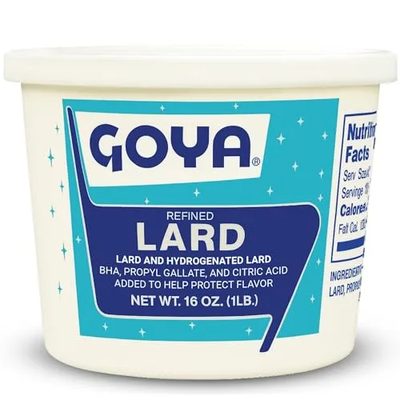
Lard is what makes the crumb of Cuban bread soft and the crust thin enough to shatter. Shortening will bake, but the loaf will not taste like the one from a Cuban bakery.
Cuban Culinary Journey says it on camera: “Lo que hace el pan cubano, pan cubano, es manteca de puerco.” In English: what makes pan cubano pan cubano is pork lard (source). Cocina Con Fujita says the same thing his own way: Cuban bread is always made with pork lard (source).
Here is what the fat is actually doing inside the dough. Fat shortens gluten strands, which is why lard gives pan cubano a soft, open crumb instead of a chewy one. It also keeps the crust thin and crisp rather than tough. That is the mechanical reason this loaf looks like a baguette and does not eat like one. An encyclopedia entry on the bread agrees: the dough includes a small amount of fat, either lard or vegetable shortening (source).
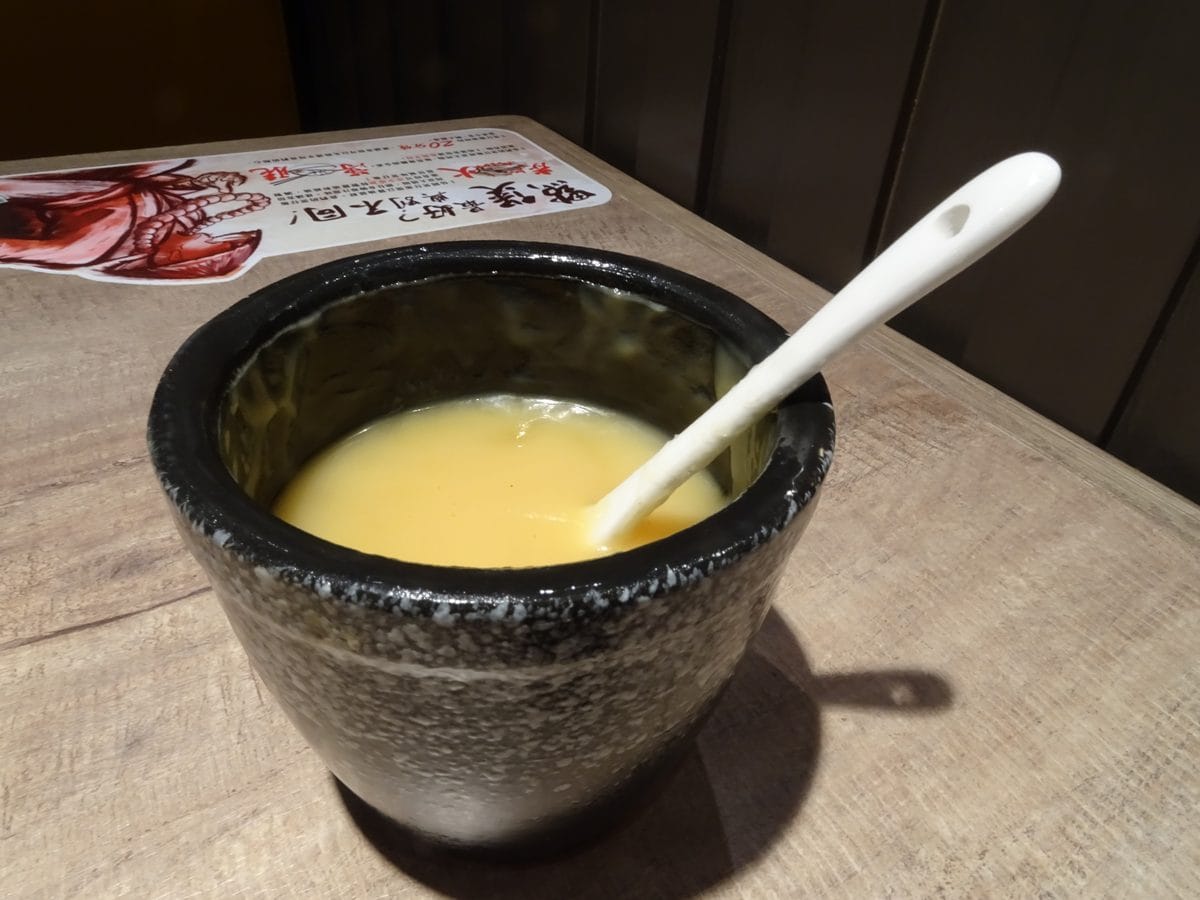
Take the lard out of pan cubano, and you get a different bread.
Where the three bakers disagree is worth stating honestly, because a two-out-of-three consensus is not the same as a rule. The Cuban Redneck renders his own lard at home. He will allow butter or shortening in its place, though he has a clear preference: “i’m not a fan of crisco,” he says (source). Cuban Culinary Journey and Cocina Con Fujita both treat lard as non-negotiable. So the honest version is this: most of the Cuban home bakers here insist on lard. One allows a substitute, and an encyclopedia entry lists both fats as acceptable. Nobody here is wrong.
I have never eaten pan cubano baked in Cuba, and I am not going to write around that. Here’s what years of testing bread on this site tell me: a fat-free version of this loaf is a different bread, whatever you call it. If you substitute, know what you are trading: crumb softness and a thin crust. You still get a loaf that rises and tastes fine. That is a fair trade in some kitchens. It is just not pan cubano anymore.
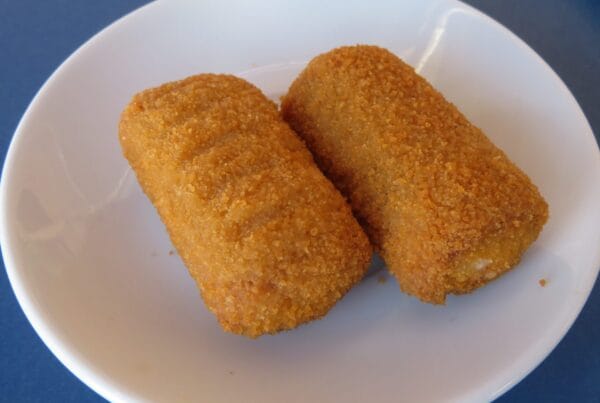
BNP already covers two other Caribbean breads that lean on fat the same way pan cubano does. There is Belizean creole bread. There is also Jamaican coco bread, built for the same job pan cubano does at a sandwich counter: to hold something else. The roast pork a Cuban sandwich is built around has its own recipe here, lechon asado, a pork shoulder marinated in sour orange mojo. So do two more things sold off a Cuban counter: croquetas de jamon, minced ham bound in a thick milk sauce and fried, and pastelitos de guayaba, guava paste baked in puff pastry.
Every Cuban Baker Names the Palm Leaf, and None of Them Has One
The traditional way to score pan cubano does not use a blade at all. A long palm leaf, soaked in water, gets laid along the top of the shaped loaf before it goes into the oven. It does not cut the dough. It presses and shields a line, so the loaf opens along that seam as the crust sets, leaving the shallow trench the bread is known for.
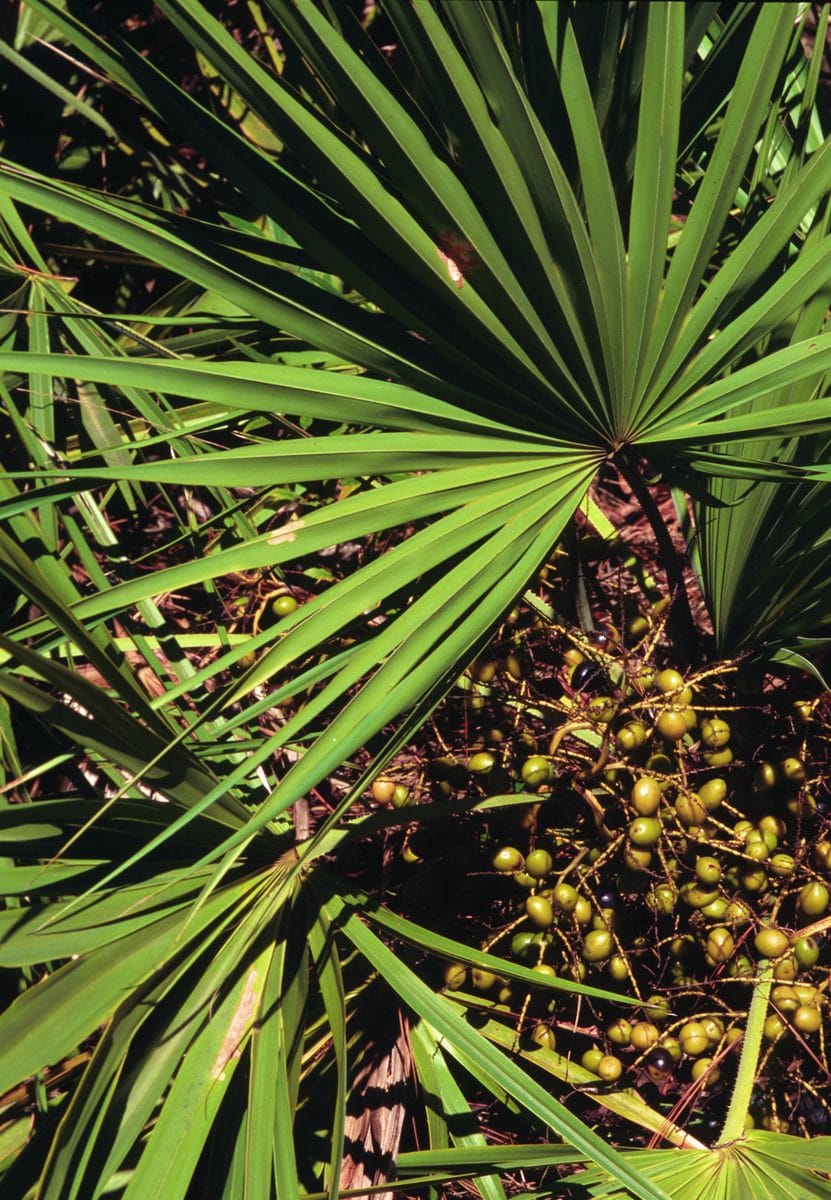
The Cuban Redneck names it directly: “the authentic way is to do it with the palm leaflet” (source). Cuban Culinary Journey calls it the traditional method too (source). Cocina Con Fujita says he would use one if he had it (source). A few traditional Cuban bread producers still keep the practice going commercially. The record of it is specific: they lay a long, moist palmetto frond on top of the loaves before baking, pressing a shallow trench into the upper crust (source).
Here is the honest part, and it is the reason this post is worth reading. None of the three bakers in this research has a palm leaf.
Three bakers name the leaf as the authentic method. None of them owns one.
The Cuban Redneck reaches for a knife instead. His own palm leaves are burnt from the winter weather and unusable. His method is direct: “get the sharpest knife you have and make a quarter inch deep cut across the top of the loaf” (source).
Cuban Culinary Journey uses a bread lame instead. She says exactly why she is demonstrating it on camera. She does not have a palm leaf either. So she is showing the blade method, just in case the viewer does not have one too. Her technique note is the one worth keeping: “Do it as fast as you can,” she says (source). A slow cut drags the dough instead of parting it.
Cocina Con Fujita is just as direct. His words: “si hubiéramos tenido una hojita de palma que no la tengo” (source). In English: if we had had a little palm leaf, which I do not have. Then he cuts his own quarter-inch line, side to side.
It would be easy to read that list of substitutions and conclude the real, authentic method is out of reach. That’s true only if you happen to own a palm leaf. A few commercial Cuban bakeries prove the tradition survives outside a home kitchen. But three cooks with real Cuban technique, filming their own kitchens rather than a bakery floor, independently reach for the same fix. None of them apologizes for it. A home baker without a specialty ingredient, using the exact substitution three separate Cuban cooks use, is not cutting corners. It is the method, as it is actually practiced by the people who make this bread.
Cuban Culinary Journey closes her own video on a related note. It’s worth carrying in her words, not as a general claim. Her words: “si vives en un lugar donde no puedes encontrar pan cubano, ya lo puedes hacer donde quiera que estés en el mundo” (source). In English, if you can’t find pan cubano where you live, you can now make it anywhere in the world. That is her framing of her own kitchen, not a claim this post makes about Cuba.
So here is what it means for a reader at home with no palm frond in reach. A razor blade or a bread lame gives you the same seam. The cut has to be fast and shallow, about a quarter inch deep, in one stroke. Do not go hunting for a palm leaf. Nobody making this bread on camera is waiting on one either.
Ingredients
This recipe follows one baker’s structure rather than an average of three. Cocina Con Fujita’s build gets used here because it is the only one of the three given in exact gram weights, and because two of the three bakers treat a day-ahead starter as essential rather than optional. The other two bakers’ distinctive moves appear by name in Tips and Variations below, not folded into this list.
For the starter (masa madre), made 18 to 24 hours ahead:
- 1 cup plus 2 tablespoons (140 g) all-purpose flour
- 1/2 cup (110 ml) warm water
- 1/2 teaspoon (1.5 g) active dry yeast
For the dough:
- 4 3/4 cups (600 g) all-purpose flour, plus more for the counter
- 1 1/2 cups (355 ml) warm water, 100 to 109°F (38 to 43°C)
- 2 teaspoons (6 g) active dry yeast
- 1 teaspoon (4 g) granulated sugar
- 2 1/4 teaspoons (14 g) fine sea salt
- 1/4 cup (60 g) pork lard (manteca de cerdo), at room temperature
- All of the starter
- 1/4 teaspoon white vinegar (optional)
The vinegar is optional, and it belongs to one baker only. Cuban Culinary Journey adds a quarter teaspoon to keep the crust color from darkening too fast before the loaf finishes baking. Skip it and the bread still works.
Instructions
- Make the starter 18 to 24 hours ahead. Whisk the yeast into the warm water, then stir in the flour until no lumps remain. Cover the bowl, leaving plenty of headroom, since the mixture will rise and then sink back. The sinking is the sign it is ready, not a failure. This step cannot be rushed. The Cuban Redneck is blunt about it: “if you want cuban bread today you better have done this mixture the night before.” What the starter actually contributes is not lift but flavor. Cocina Con Fujita says so directly: “lo que le aporta al pan cubano es olor y sabor.” In English: what it gives pan cubano is smell and flavor. He also says his own kitchen fills with a bakery smell once it’s ready. His words: “vas a sentir el olor ese a la panadería.”
- Bloom the dough yeast. Whisk the yeast and sugar into the warm water and let it sit 10 minutes. It should foam. If it does not foam, the yeast is dead. Start over with a fresh packet: water hotter than about 110°F kills yeast before it starts.
- Mix everything except the salt. Combine the flour, the bloomed yeast water, the whole starter, the lard, and the vinegar if using. Mix on low for 2 minutes.
- Add the salt and mix 8 to 10 minutes on medium-low. The dough should turn smooth, elastic and barely tacky, and no longer stick to your hands. By hand, this takes 12 to 15 minutes of kneading. Holding the salt back for the first two minutes is Cocina Con Fujita’s step, and he calls it important.
- First rise, 90 minutes. Use an oiled bowl, covered, somewhere warm and away from a draft, until the dough has at least doubled.
- Divide the dough in two and rest it 15 minutes. Press the air out of each half, fold it into a rough log, cover, and let the gluten relax before shaping. Skip this and the dough will fight you through the next step.
- Shape the loaf. Flatten one piece into a rectangle 16 to 18 inches long. Roll it up in two folds, pressing the air out along the fold each time. Then pinch the seam shut hard down its whole length so it cannot reopen in the oven. Set it seam-side down on a parchment-lined sheet pan.
- Flatten it slightly. Pan cubano is an oval, not a cylinder, and Cocina Con Fujita is explicit about the shape. Repeat with the second piece.
- Second rise, 75 minutes, loosely covered, until doubled. If it has not doubled at 75 minutes, give it another 15 to 30. Time is a guide; volume is the actual test.
- Heat the oven to 400°F (205°C), with a cast-iron pan or a metal tray on the bottom rack.
- Score the loaf in one fast stroke: one cut down its length, 1/4 inch (6 mm) deep. Use a bread lame or a plain razor blade. Speed matters, since a slow cut drags the skin of the dough and wrinkles the loaf instead of parting it. This is the step where a palm leaf would traditionally go instead of a blade, as covered above.
- Mist the loaves with cold water and load them into the oven. Pour about 3/4 cup of water into the hot pan on the bottom rack. Shut the door immediately. The steam is what gives the crust its crispness, and all three bakers here use some form of it.
- Bake 20 to 30 minutes, until deep gold. Do not open the oven door for the first 20 minutes.
- Test the bottom. Tap it. It should sound hollow, which is Cuban Culinary Journey’s own test: “Make sure nice and hollow.”
- Cool the loaves at least 30 minutes on a rack before cutting. Cutting hot bread compresses the crumb.
Nutrition
These numbers are estimated from the ingredient list, not lab-tested, for one slice of 16 slices cut from the two loaves this recipe makes.
- Calories: 205 kcal
- Fat: 4 g
- Saturated Fat: 1.5 g
- Cholesterol: 4 mg
- Carbohydrates: 35 g
- Fiber: 1 g
- Sugar: 1 g
- Protein: 5 g
- Sodium: 340 mg
Storage and Make-Ahead
- Pan cubano is best the day it is baked. Cut side down on a board, or in a paper bag or a clean towel, it holds for a day or two at room temperature.
- Do not refrigerate it. Fridge temperature is where bread stales fastest, and that is starch behavior, not a matter of taste.
- Freeze a whole cooled loaf, wrapped tight, for up to three months. Refresh it from frozen in a 350°F oven for 10 to 15 minutes and the crust comes back.
- Make-ahead here really means the starter. It needs 18 to 24 hours, so start it the afternoon before the day you want fresh bread. Cocina Con Fujita keeps a second masa madre going for the next day’s loaf, which is worth copying if you bake this often.
Equipment
- A digital kitchen scale. This is a weight formula, and a cup of flour can drift by 20 g depending on how the bag settled.
- A stand mixer with a dough hook, or hands and 12 to 15 minutes.
- A half-sheet pan and parchment.
- A bread lame or a plain double-edged razor blade for the seam. A very sharp, thin knife also works. The traditional tool is a wet palm leaf, and none of the three bakers in this post’s research has one.
- A spray bottle of cold water.
- A cast-iron pan or an old metal tray dedicated to steam. Do not use a good pan for this; steam pans get wrecked.
- A cooling rack.
Tips and Variations
- Bread flour instead of all-purpose. Cuban Culinary Journey insists on it, and it gives a slightly chewier crumb. Two of the three bakers in this research use all-purpose, which is why the main recipe does too.
- The vinegar trick. A quarter teaspoon of white vinegar in the dough water holds the crust’s color so it does not darken before the loaf bakes through. This one belongs to Cuban Culinary Journey alone.
- The springback test. Press a finger into the mixed dough before the first rise. Cuban Culinary Journey’s own check: “You can put your finger in it and it springs back.” That tells you the gluten has developed enough to move on.
- A different steam method. Cuban Culinary Journey proofs her shaped loaves in a switched-off oven with a pan of boiling water inside it. The Cuban Redneck’s version is older and simpler. His words: “many old timers recommend putting a small container with water on the bottom rack.”
- Rolls from the same dough. Cocina Con Fujita shapes part of his batch into round rolls, and The Cuban Redneck makes a loaf plus buns from one batch. Same dough, shorter bake.
- Patience is the actual technique. Cuban Culinary Journey again, and this one is worth remembering before you start. Her words: “esta receta no se hace en dos horas.” In English: this recipe does not get made in two hours. If a different Caribbean loaf interests you while this one proofs, Belize has its own coconut-forward roll. Pan de coco is worth a look another day.
- On the yeast. Cocina Con Fujita is specific about which kind he uses. His words: “esta levadura no es la instantánea es la seca.” In English: this yeast is the dry kind, not instant. The Cuban Redneck uses active dry too. Cuban Culinary Journey is the one exception, using instant yeast in a shorter, no-starter method.
Frequently Asked Questions
What is pan cubano made of?
Pan cubano is a long, oval white bread made from flour, water, yeast, salt and pork lard. The lard is the ingredient every Cuban baker in this post names first. It softens the crumb and keeps the crust thin. That’s why this bread looks like a baguette but doesn’t eat like one. Most versions also start with a day-ahead flour-and-water starter, added for flavor rather than lift.
Why does Cuban bread use lard instead of butter?
Lard is the traditional fat, and it is what all three Cuban bakers behind this recipe use. Fat shortens gluten strands, which gives pan cubano its soft, open crumb and thin, crisp crust instead of a chewy interior. One baker allows butter or shortening in its place. An encyclopedia entry lists both lard and vegetable shortening as acceptable, so this is a strong preference, not an absolute rule.
Can I make pan cubano without a palm leaf?
Yes, and every baker behind this recipe does exactly that. A wet palm leaf laid along the top of the loaf is the traditional scoring method. But none of the three Cuban bakers who named it actually owns one. A bread lame or a plain razor blade gives the same shallow seam. One fast cut, about a quarter inch deep, down the length of the loaf, does the job.
How is Cuban bread different from a French baguette?
The difference is fat. A French baguette is a lean dough of flour, water, yeast and salt, while pan cubano adds pork lard or another fat. The result: a more open, tender interior than a baguette’s chewier one. Both loaves still share a similar long, oval shape.
Is the starter necessary for pan cubano?
Two of the three Cuban bakers behind this recipe treat an 18-to-24-hour flour-and-water starter as mandatory. They say it exists for smell and flavor, not for rise. The third skips it entirely, using instant yeast and a series of longer rests instead. This recipe uses the starter method, since it is the majority approach and the one with exact measurements.
How do you keep Cuban bread from going stale?
Pan cubano is best the day it is baked. Keep it cut side down on a board, or in a paper bag or clean towel. It holds well at room temperature for a day or two. Do not refrigerate it, since cold temperatures actually speed up staling in bread. For longer storage, freeze a whole cooled loaf wrapped tight for up to three months, then refresh it in a 350°F oven.
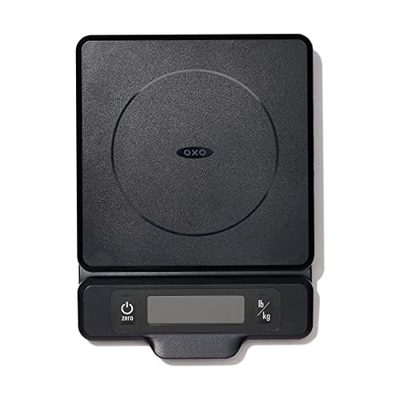
This is a weight formula, and a cup of flour can drift by 20 grams depending on how the bag settled in transit. A scale that reads grams removes the largest variable in the loaf.