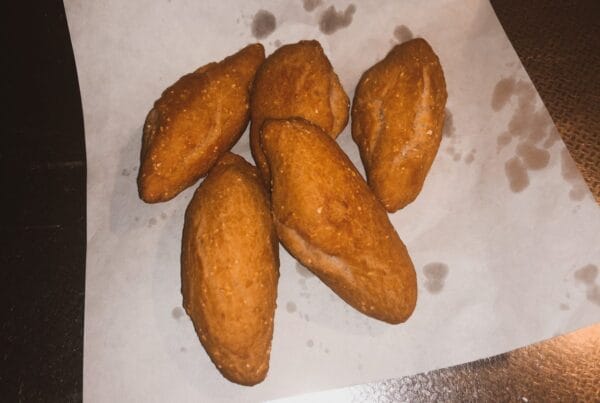
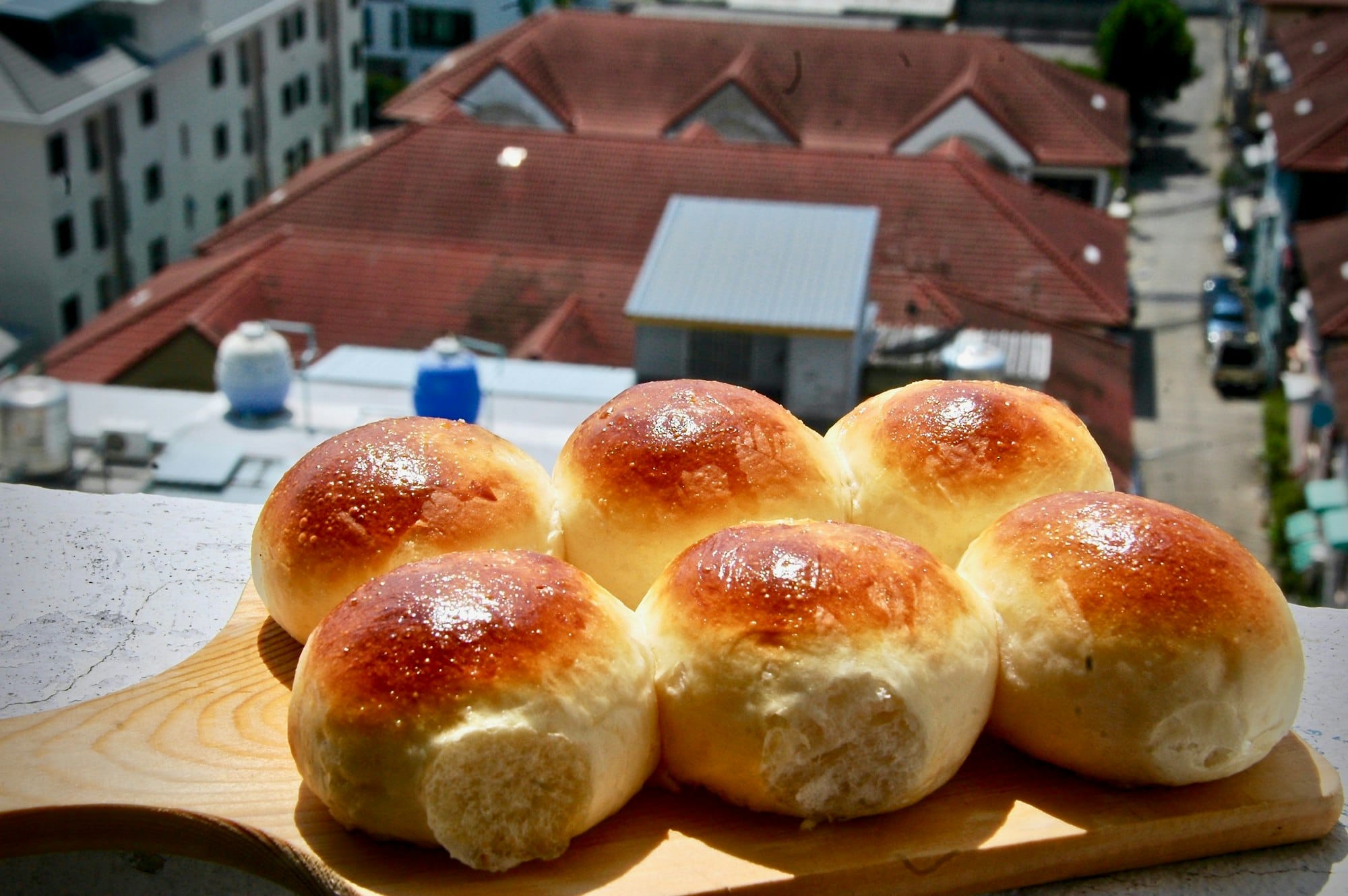
Pan de coco is the Garifuna coconut bread of Central America’s Caribbean coast — soft, slightly sweet wheat rolls built on fresh coconut milk, with no dairy, no eggs, and a crumb that is dense and tender enough to tear open beside a bowl of fish stew. Honduras holds the largest Garifuna population, and the north coast is this bread’s heartland: La Ceiba, Trujillo, Tela. Belize carries the same tradition in Dangriga, Hopkins, and Seine Bight.
Where Pan de Coco Comes From
Coconut is the heart of the Garifuna kitchen. Isha Gutiérrez-Sumner, a Honduran Garifuna woman raised in San Juan, Tela, and the author of the first Garifuna cookbook, Weiga, Let’s Eat!, names four pillars of the cuisine as the four C’s: coconut, cassava, community, and continuity. Pan de coco belongs to the first of those. It is bread built on what the coast grows.
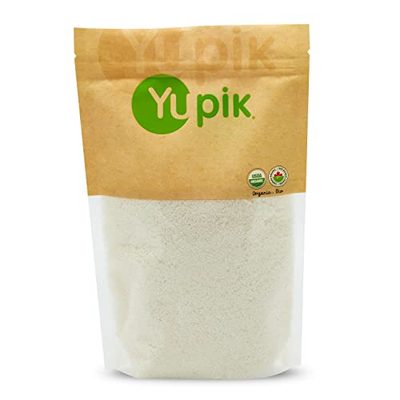
Shredded dried coconut for desserts and baking; the moisture has been removed to extend shelf life and reduce clumping.
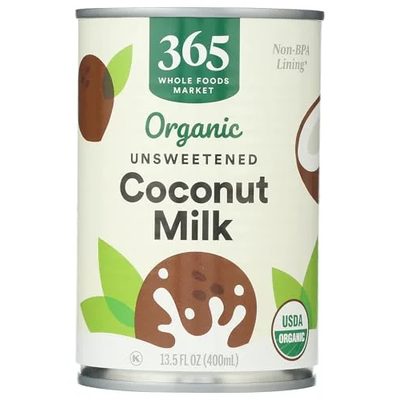
Full-fat coconut milk with nothing added - the choice for recipes where fat carries flavor and texture matters, from soups to baking.
The Garifuna are an Afro-Indigenous people, descended from West African and Island Carib-Arawak ancestry, who were exiled from St. Vincent in 1797 and resettled along the Caribbean coast of Central America. The bread likely arrived through Antillean migration to Honduras’s Bay Islands and La Mosquitia region between the 18th and 20th centuries, becoming a practical staple built from what was abundant: coconuts and flour. Younger generations learn to make and sell it from childhood, the recipe passed orally from parent to child with each household keeping its own version.
I want to be honest about my own distance from it. My time in Honduras was on the Pacific side, in Amapala, not on the Garifuna coast. So I write this as someone who knows the bread from the Belize side of the same tradition, not as a daughter of Tela or Trujillo. That is the truth of pan de coco anyway: one bread, one people, two coasts.
That is the truth of pan de coco anyway: one bread, one people, two coasts.
It sits in the same family as the other coconut and cassava staples. Beside it on the Garifuna table you find cassava bread, which the Garifuna call ereba, and the coconut-fish dishes the bread is made to soak up.
The One Move That Makes It Pan de Coco
The defining structural move of this bread is simple: coconut milk replaces every drop of dairy liquid in the dough. No cow’s milk. No eggs. No butter. Coconut milk is the whole liquid, and that substitution changes the crumb, the fragrance, and the way the bread behaves. It comes out dense and slightly chewy, with a tight crumb that tears cleanly and holds up to a bowl of stew without falling apart.
People hear coconut and think dessert. Pan de coco is not dessert. The sugar in it is restrained on purpose, there only to feed the yeast and balance the slight richness of the coconut milk. This is a bread that lives next to fish and soup, not next to cake.
Pan de coco is not dessert. This is a bread that lives next to fish and soup, not next to cake.
That is the detail most recipes outside the coast get wrong. They sweeten it like a Hawaiian roll. The coast version keeps the sugar low so the bread can do its job, which is to sit beside a bowl of hudut or a plate of fried fish and carry the coconut flavor without competing with the meal. Get that balance right and you understand the bread.
That also separates it cleanly from semita, the other great Honduran bread. Semita is a mainland sweet loaf with anise seeds and piloncillo, enriched with eggs and fat, crowned with a sugar crumble. Pan de coco is the opposite: Garifuna, coastal, savory, dairy-free, built for the table not the breakfast pastry tray.
Ingredients
Makes 12 rolls.
- 3¼ cups all-purpose flour (bread flour gives a chewier roll if you have it)
- 2¼ teaspoons active dry yeast (one standard packet)
- ¼ cup warm water, about 100°F
- ¼ cup sugar, plus 1 teaspoon for blooming the yeast
- 2 teaspoons salt
- 1 cup fresh coconut milk (the real thing is the point of this bread; full-fat canned is the honest stand-in, not lite, not cream of coconut)
- ½ cup finely grated fresh coconut (unsweetened desiccated coconut, soaked a few minutes in warm water and drained, works in the diaspora)
- 2 tablespoons coconut oil
Instructions
- Bloom the yeast. Stir the yeast and 1 teaspoon of sugar into the ¼ cup of warm water. Let it sit five minutes until it foams. If it does not foam, your yeast is dead and the bread will not rise. Start over with fresh yeast.
- Whisk the flour, the ¼ cup sugar, and the salt together in a large bowl. Stir the grated coconut through the dry flour so it spreads evenly.
- Pour in the coconut milk, the coconut oil, and the foamed yeast. Bring everything together into a rough, shaggy dough.
- Knead. Turn the dough onto a floured counter and work it eight to ten minutes by hand, or five to seven in a mixer with a dough hook. The dough stays a little tacky from the coconut, and that is normal. You want it smooth and stretchy, not dry.
- First rise. Put the dough in an oiled bowl, turn it once to coat the top, cover it, and leave it somewhere warm for one to two hours until it doubles.
- Shape. Punch it down and divide into twelve even pieces. Roll each into a smooth ball, seam tucked underneath.
- Second rise. Set the balls in a greased baking pan, leaving a little room between them. Cover and let them rise thirty minutes until they look puffy and press back slowly when you touch them.
- Bake at 375°F for 20 to 25 minutes until the tops are deep golden and a roll sounds hollow when you tap the bottom.
- Cool in the pan five minutes, then turn the rolls out. Eat them warm.
Getting the Coconut Right
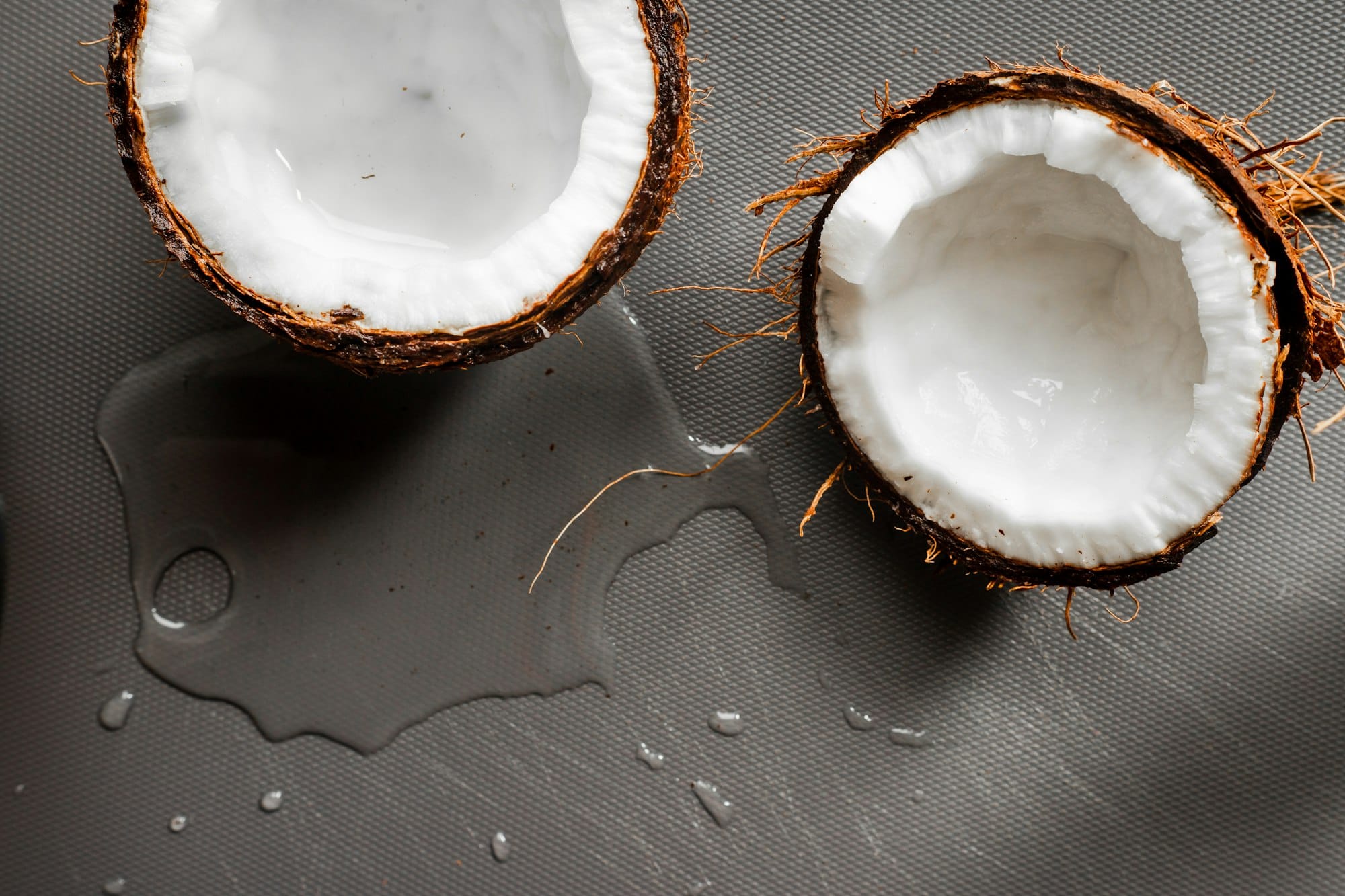
The coconut is the whole argument of this bread, so it is worth a few notes.
- Fresh coconut milk versus canned: fresh, pressed from grated coconut, is the authentic version and it tastes like it. If you are buying canned, reach for full-fat, well-shaken, not the lite cans and never cream of coconut, which is sweetened and will turn your bread into a pastry.
- The traditional oven matters. On the coast these rolls go into a wood-fired hearth oven, a fogón, and that heat gives the crust its character. A hot home oven gets you close. A small tray of water on the floor of the oven adds steam and helps the crust.
- Keep it savory. Resist the urge to add more sugar. If you want sweetness for breakfast, a touch of honey on the warm roll is closer to how it is eaten than baking the sweetness in.
- Grated coconut is optional in some households and standard in others. It deepens the flavor and gives the crumb a little texture. The bread is still pan de coco without it, but I would not skip it.
How Pan de Coco Is Eaten — and Who Makes It
On the coast, pan de coco is everyday bread, not special-occasion bread. Women bake it and sell it warm from baskets and coolers along the beach and at market stalls. That vendor economy is as much a part of the tradition as the recipe itself. It is served alongside savory food: fried fish, rice and beans, and most famously sopa de caracol, the Garifuna conch-and-coconut soup. The rolls also get split for ham-and-cheese sandwiches sold from coolers along the beach. In Belize, on Settlement Day in November, pan de coco appears on tables in Dangriga and Hopkins the way any staple bread appears at a gathering: quietly, already there, expected. Wherever it is baked, it is made to be torn open and used.
Frequently Asked Questions
What is pan de coco?
Pan de coco is a Garifuna coconut bread from the Caribbean coast of Central America. It is a soft, slightly sweet wheat roll made with fresh coconut milk and often grated coconut, with no dairy or eggs. The Garifuna of Honduras, Belize, Guatemala, and Nicaragua bake it and eat it with savory food like fried fish and conch soup.
Is pan de coco Garifuna or Honduran?
Both, and the two are not in conflict. Pan de coco is a Garifuna bread, and the Garifuna people who make it live along the Caribbean coast of Honduras, where the largest Garifuna population is. It is also baked in the Garifuna communities of Belize, Guatemala, and Nicaragua. Crediting it as Garifuna is more accurate than calling it simply Honduran.
Can I make pan de coco with canned coconut milk?
Yes. Fresh coconut milk is the traditional choice and it tastes better, but full-fat canned coconut milk is a reasonable substitute when fresh coconut is hard to find. Shake the can well and use the whole contents. Avoid lite coconut milk, which is too thin, and cream of coconut, which is sweetened and meant for cocktails, not bread.
Is pan de coco sweet?
Only lightly. Pan de coco has a small amount of sugar, but it is a savory bread, not a dessert. It is built to be eaten with fish, soup, rice and beans, and sandwiches. Recipes that make it as sweet as a Hawaiian roll have changed the bread. Keep the sugar restrained and let the coconut carry it.
What do you eat with pan de coco?
Pan de coco is eaten with savory coastal food. The classic pairing is sopa de caracol, conch soup made with coconut milk. It also goes with fried fish, rice and beans, and stews, and it is split to make ham-and-cheese sandwiches. On the Garifuna coast it functions as the everyday table bread, there to soak up whatever is in the bowl.
How is pan de coco different from semita?
Semita is a sweet, enriched Honduran loaf from the mainland interior, made with anise seeds, piloncillo (raw cane sugar), eggs, and fat, topped with a sugar crumble. It is a pastry bread served at breakfast or with coffee. Pan de coco has none of that: no anise, no enrichment, no sweetness beyond what balances the coconut. It is savory, coastal, and Garifuna. The two share a country and nothing else.
Why does pan de coco have no eggs or butter?
Because the coconut milk does the work. Coconut milk replaces all the dairy liquid in the dough, providing the fat and richness that butter or milk would otherwise contribute. Eggs are not needed because the dough is not trying to be light and airy; it is meant to be dense and satisfying. That is the point. The absence of dairy is what makes it pan de coco and not just coconut-flavored bread.
More Honduran Recipes
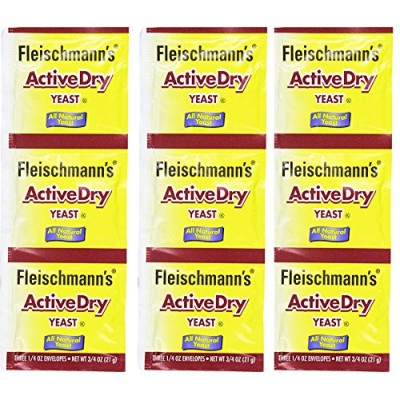
Fleischmann’s Active Dry Yeast, 0.25 oz Packets (9-Count)
Standard quarter-ounce packets — one packet is exactly what pan de coco calls for.