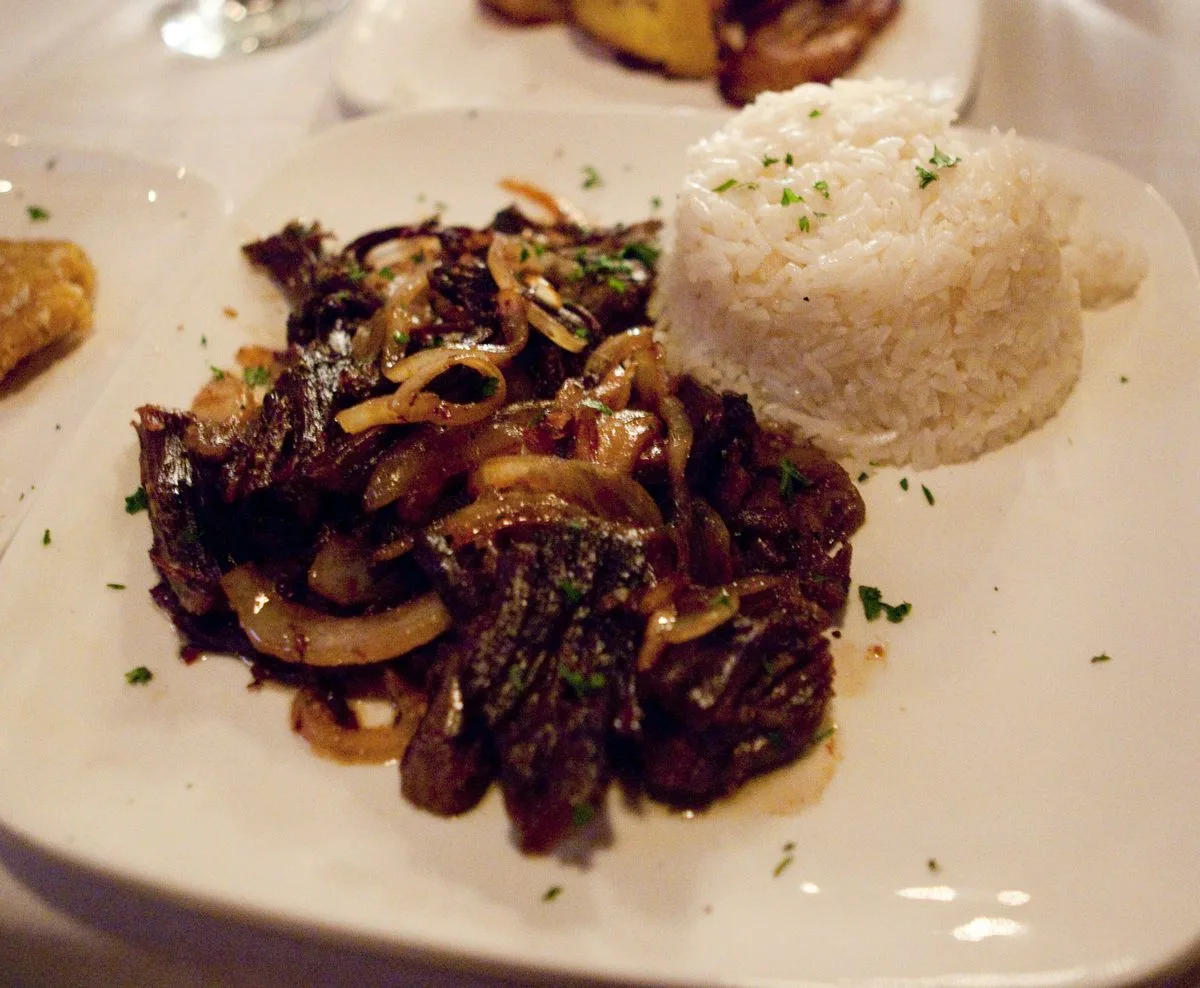
Cuban vaca frita is flank steak boiled until it flakes, shredded into fine strands, then fried hard in a hot skillet with sliced onion until the edges crisp. Lime juice goes in at the end, off the heat. The name means fried cow. It is served with white rice and black beans.
Vaca frita means fried cow, and the second cooking is the one that counts
Fried cow. That is what the words mean, and Ana of Anitas Delights says it herself: “which translates to fried cow it sounds very peculiar I know” (source). The literal meaning holds up outside the kitchen too (source).
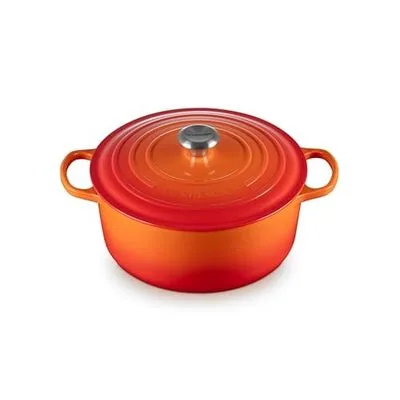
Before anything gets fried, two pounds of flank steak simmer for an hour and a half under an inch of water with onion, pepper and bay. A heavy lidded pot holds that low simmer steady, and the enamel does not react with the broth it leaves behind.
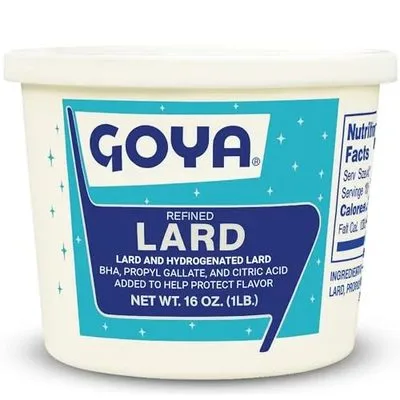
Pure lard (manteca) for making masa dough and frying - the fat traditional recipes rely on for texture and flavor.
Vaca frita starts in a pot. Flank steak boils until a fork goes through it, then it cools and gets pulled into strands. None of that is the recipe. It’s preparation. The dish happens next: those strands hit a hot, oiled skillet and stay there until the edges brown. NydiasMiamiKitchen names the stage plainly: “I’m going to start frying or refrying this meat” (source). Refrying, because the meat is already done.
The boil is preparation. The fry is the dish.
The cut isn’t a luxury one. Cubans call flank steak falda (source), and Receta Cubana calls hers de segunda: a second-grade cut, not the tenderloin (source). It’s long-grained, cheap, and holds its fiber instead of falling into shreds.
Nydia says of it: “nothing more traditional in Cuban Cuisine than vaka Frita and you know what it’s super easy to make” (source). Receta Cubana calls it “un plato indispensable en la comida cubana” (source). Those are their words about their own kitchens, not mine.
Ropa vieja ends in a sauce. Vaca frita ends in a dry, hot pan.
Up to a point, vaca frita and ropa vieja are the same dish. Receta Cubana says as much herself: her version is close to ropa vieja, just with fewer ingredients: “su preparación se asemeja muchísimo a la famosa ropa vieja cubana pero te darás cuenta que tiene la peculiaridad de que lleva menor cantidad de ingredientes” (source). If you want the same boiled flank steak finished in a tomato braise instead, ropa vieja is that dish.
Where the two split is the pan, not the pot. Ropa vieja takes the shredded strands into a wet sofrito of stewed beef and tomatoes (source) and simmers them there. A braise only adds moisture. It tenderizes tough fiber, but it never dries a strand’s surface, and a wet surface never browns. Vaca frita does the opposite. A hot, mostly dry skillet drives moisture off each strand and leaves a brown, slightly crisp shell behind. That texture only exists on the outside of a pan, never inside one.
That texture only exists on the outside of a pan, never inside one.
The lime goes in at the very end, off the heat, because acid in a hot pan mostly cooks off before it does anything useful. NydiasMiamiKitchen puts it simply: “I’m going to add some lemon or lime this is very important and it gives it that Tangy flavor that Baka Frita has” (source). The dish wants a raw, bright hit landing on a crisp surface, not a sourness simmered in.
Why thin strands and a half-empty pan decide whether it crisps
Two things decide whether vaca frita crisps or just warms through: how thin you shred it, and how much room it gets in the pan.
Shred fine. Thin strands carry more surface for their weight than thick clumps, and surface is what browns. Pull out any tough connective tissue while you’re at it, or it turns leathery instead of crisping with the rest.
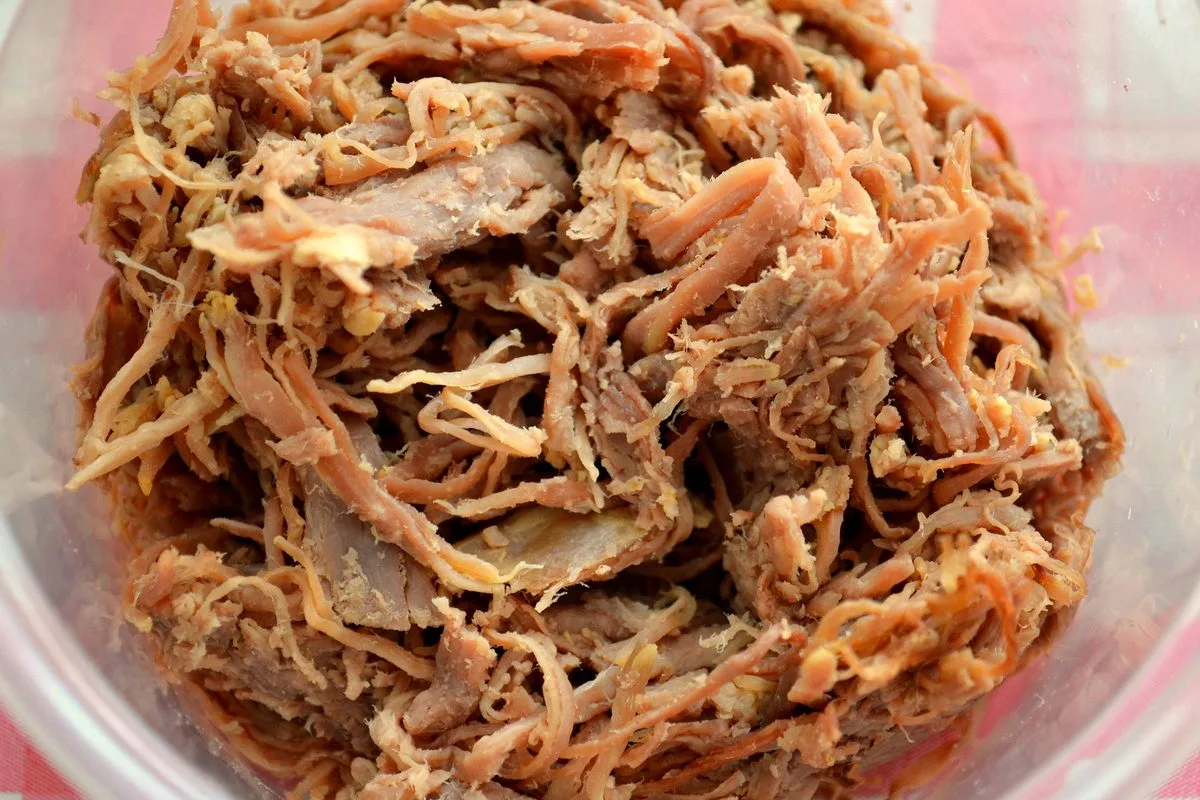
Then do not crowd the skillet. Ana is blunt about the oil: “you want a lot of oil cuz it is going to T technically fry” (source). This is frying, not sautéing. A pan holding too much meat drops in temperature the moment the meat lands, and the strands release water instead of losing it to the pan. You get steamed, gray beef instead of a crust.
How far to take the crisping is a genuine disagreement. Ana pulls hers before it’s fully crisp. In her words: “I personally don’t like my meat to be fully crispy I like some soft little pieces running through as well” (source). Nydia stops hers just before it turns hard (source). Receta Cubana wants the opposite, every strand golden and crackling (source). None of the three is wrong. Cook it to where you like it and stop.
Ingredients
Ana is direct about the cut: “make sure it’s flank steak” (source). Receta Cubana buys 800 grams of falda for hers (source), and Cocina Con Fujita starts from the same cut (source). The amounts below serve six.
For the boil
- 2 lb (900 g) flank steak, cut with the grain into 4 or 5 pieces
- 8 cups (2 L) water, or enough to cover the meat by an inch
- 1 medium yellow onion (about 5 oz / 150 g), cut into rough chunks
- 1 green bell pepper (about 5 oz / 150 g), cut into rough chunks
- 5 cloves garlic (about 0.6 oz / 18 g), peeled, left whole
- 3 bay leaves (about 1 g)
- 1 tsp (2 g) ground cumin
- 1 tsp (1 g) dried oregano
- 1 1/2 tsp (9 g) fine salt
For the fry
- 1/4 cup (60 ml) olive oil or a neutral oil
- 2 medium yellow onions (about 10 oz / 300 g), sliced lengthwise into long strips
- 4 cloves garlic (about 0.5 oz / 14 g), finely chopped
- 1/4 cup (60 ml) fresh lime juice, from about 3 limes
- 1/2 tsp (3 g) fine salt, plus more to taste
- 1/2 tsp (1 g) ground black pepper
- 2 tbsp (8 g) chopped fresh parsley or cilantro
Instructions
- Cut the flank steak with the grain into 4 or 5 pieces, so the long fibers stay long.
- Put the meat in a heavy pot with the water, onion, bell pepper, garlic, bay leaves, cumin, oregano, and salt.
- Bring to a boil, lower to a bare simmer, cover, and cook about 1 hour 15 minutes. That is an estimate. Receta Cubana gives 45 to 50 minutes and Ana gives an hour and a half, so cook to the cue rather than the clock: a fork should pull the meat apart easily. A pressure cooker reaches the same point in 20 to 25 minutes.
- Lift the meat out onto a plate. Keep the broth.
- Let the meat cool until you can handle it.
- Pull it apart along the grain into thin strands, discarding tough connective tissue as you go.
- Slice the remaining onions lengthwise into strips, roughly the size of the meat strands.
- Heat the oil in a heavy skillet over medium-high until it shimmers.
- Add the meat in as close to a single layer as the pan allows. It should sizzle immediately. Work in two batches instead of crowding it.
- Add the sliced onion and chopped garlic. Season with the salt and pepper.
- Leave it alone for 2 to 3 minutes so a crust can form, then stir and repeat. About 10 minutes total, until the edges are brown and crisp.
- Take the pan off the heat. Now add the lime juice and the parsley or cilantro, and toss once.
- Serve immediately, with white rice and a pot of black beans on the side.
Estimated nutrition
Estimated per serving of six. Most of the boil’s fat and salt leaves with the broth you set aside.
- Calories: 340 kcal
- Fat: 24 g
- Carbohydrates: 7 g
- Protein: 31 g
- Sodium: 600 mg
- Fiber: 1 g
Storage and reheating
Keep leftovers airtight in the fridge for 3 to 4 days. Reheat in a dry, hot skillet, never a microwave, which steams the crust right back off.
The best make-ahead move splits the two stages. Boil and shred the meat a day early, refrigerate it, then fry to order. Cold shredded meat actually crisps better, because its surface has already dried out some.
You can also freeze the boiled, shredded, unfried meat for up to 3 months and fry it from thawed. Keep the broth, too. Cocina Con Fujita saves hers for soup. The vegetables have already given it up, in her words: “pueden hacer cualquier tipo de sopa porque ahí está la sustancia de los vegetales” (source). Strain it, then refrigerate or freeze.
Equipment
- A heavy pot or Dutch oven, 6 quart, for the boil
- A large heavy skillet, 12 inch, cast iron preferred, for the fry
- Tongs and two forks, for shredding
- A citrus press
- A pressure cooker, optional, for the shortcut
Why every cook who makes this adds something the others skip
No two of the four cooks I learned this from make it quite the same way, and none of their additions are wrong.
Nydia adds “a cup of dry white wine” to her boiling liquid (source); the other three use water alone.
Receta Cubana stirs in a teaspoon of sweet paprika and calls it one of her own secrets, not something every version needs (source).
Cocina Con Fujita fries hers in lard, which she calls the original fat: “la manteca de cerdo es la fórmula original” (source). That’s her claim, not documented history, and no outside source settles it either way.
She also finishes it differently, in her own words “vamos a tratar de hacerla en forma de bistec en vez de ripiado” (source): she keeps her boiled flank in whole slabs, sears them like steak, then pours a hot garlic-lime sauce over the top. Sear hard on both sides, then rest and slice against the grain before serving.
Nydia also marinates her raw flank overnight in salt, pepper, garlic powder, and parsley (source). Nobody else does this, and it’s optional.
Receta Cubana serves hers with white rice and black beans, and offers sweet fried ripe plantains as another option (source). Nydia puts avocado beside hers (source). Keep a slower, saucier way with beef nearby too, for nights that call for a hard, hot fry instead.
Frequently Asked Questions
What does vaca frita mean in English?
Vaca frita translates literally to fried cow (source). It sounds like an odd name for a beef dish, and Ana of Anitas Delights says so herself on camera, calling it peculiar (source).
What is the difference between vaca frita and ropa vieja?
Same cut, same boil, same shredded beef, right up until the pan. Ropa vieja finishes in a wet tomato and sofrito braise; vaca frita finishes in a hot, dry skillet where the strands brown and crisp instead. One pot of boiled flank can become either dish.
What cut of beef is best for vaca frita?
Flank steak, called falda in Cuba (source), is what every cook I sourced this from uses. Skirt steak is an accepted substitute (source): thinner, a little pricier, and it shreds the same way.
Can I make vaca frita in a pressure cooker?
Yes. A pressure cooker gets the flank fork-tender in 20 to 25 minutes instead of the roughly 75-minute pot boil. The frying stage afterward does not change; the shortcut only touches the part that isn’t the point of the dish.
Why is my vaca frita not crispy?
Usually it’s one of four things. The strands were too thick, the pan was too crowded, there wasn’t enough oil, or the meat got stirred before a crust could form. Leave it alone in two- to three-minute stretches. Check that the lime went in off the heat, not while the pan was hot.
What do you serve with vaca frita?
White rice and black beans, plain and simple; it’s the pairing Receta Cubana names on her own channel (source). She offers fried ripe plantains as another option, and Nydia serves hers with avocado (source).
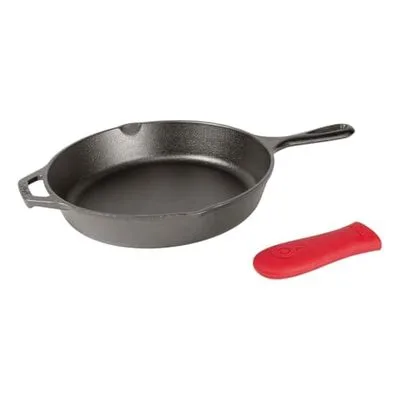
Vaca frita is named for what happens in the pan: shredded beef pressed flat and left alone until the edges crisp. Cast iron holds its heat through that instead of dropping when cold meat hits it.
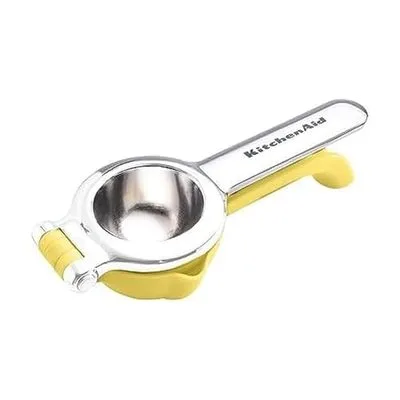
A quarter cup of lime juice is about three limes, and it goes on right at the end rather than in the pot. A press pulls more from each half than a hand does and keeps the seeds out.
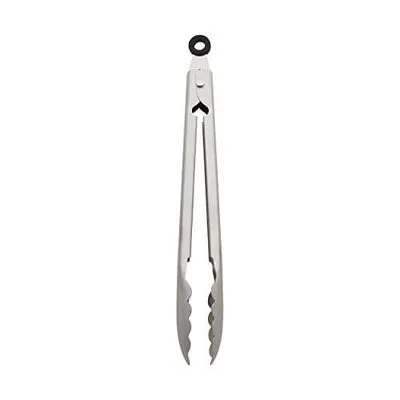
The boiled flank comes out of the broth hot and has to be pulled into strands along the grain. Tongs move it from pot to board without tearing it apart too early.