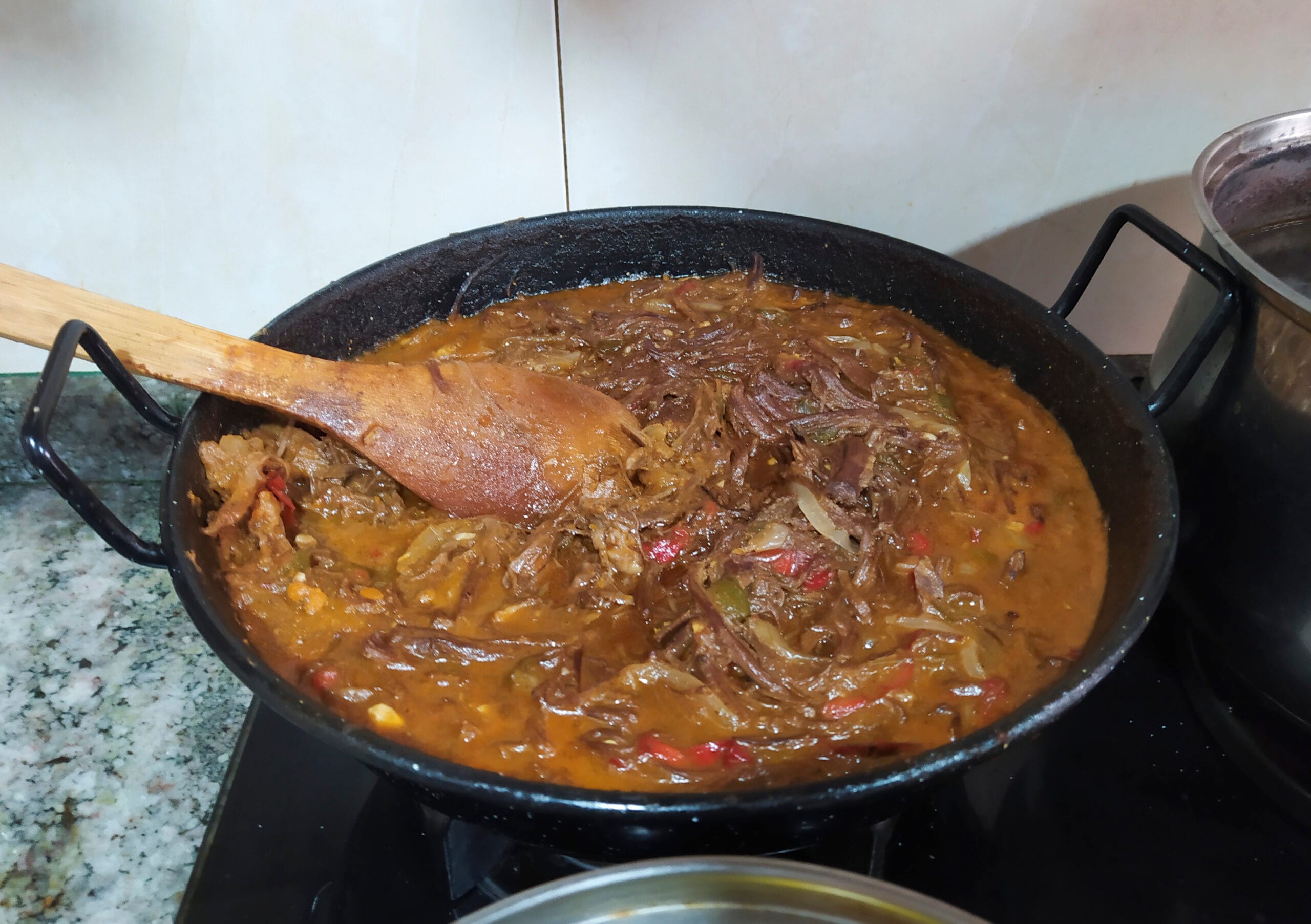
Ropa vieja is Cuba’s braised shredded beef, cooked until the strands pull apart, then simmered in a sofrito of onion, garlic and bell peppers with tomato and Spanish olives. This Cuban ropa vieja recipe starts with flank steak, shredded by hand along the grain, and finishes over white rice with sweet plantains.
The long strands are the dish. Anything that tears them short, a machine or an impatient fork, is the wrong move.
What is ropa vieja?
Beef is simmered whole until it gives, pulled into strands by hand, and returned to a pan of softened onion, pepper and tomato to finish. The sauce cooks down until it clings to the meat rather than pooling under it. It goes to the table over white rice, and it is counted among the national dishes of Cuba (source).
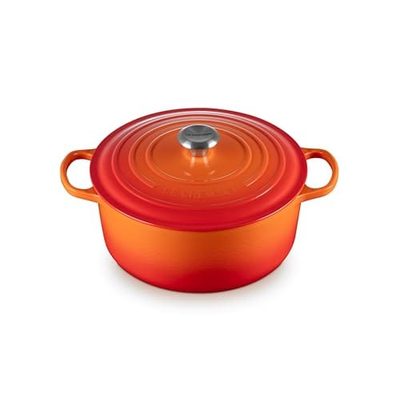
Ropa vieja goes into the pot twice: an hour and a half simmering the flank steak, then a second stretch braising the shredded meat down in the sofrito. A heavy enameled pot holds that low simmer without scorching, and the enamel does not react with the tomato and wine.
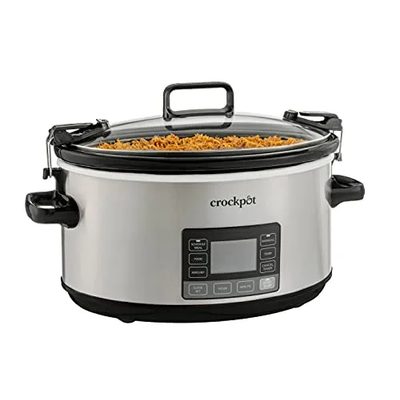
Stewed beans, cow foot soup, pigtail stews, anything that wants four to eight hours of low simmer, works cleanly in a 7-quart programmable slow cooker. The size handles family-batch cooking that smaller models can't.
The name translates literally as old clothes. Two explanations circulate and neither is settled: that the dish was built from food left over from other meals, or that shredded meat looks like tattered cloth (source). This post keeps both rather than picking one.
The dish came to the island from Spain, where using up what the kitchen already had was the whole point. In Cuba it grew into a centerpiece, the plate a household cooks for Sunday lunch and for a table with people around it.
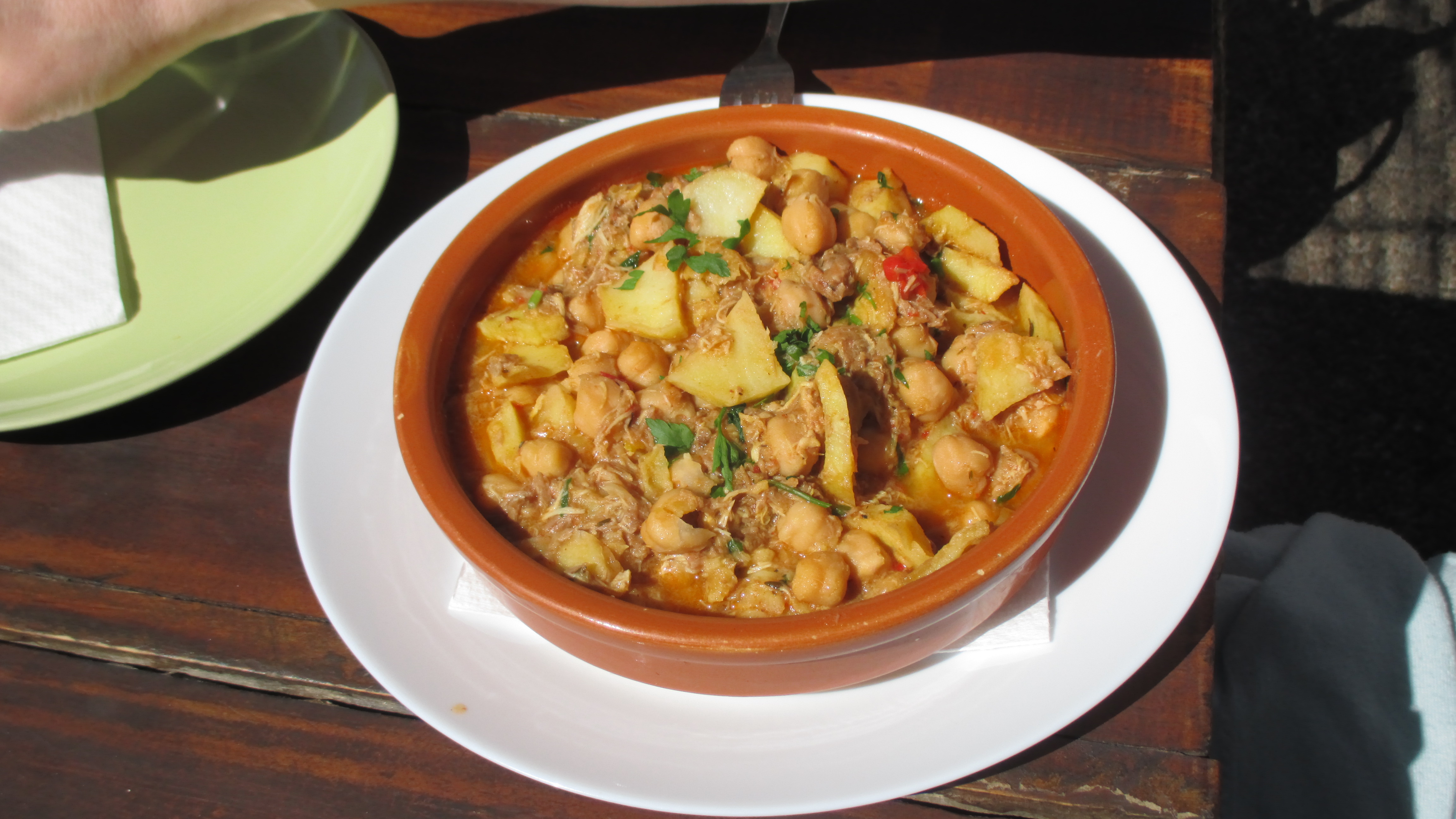
One warning about the name. A different dish also called ropa vieja exists in the Canary Islands, built on chickpeas and the leftover meat of a puchero stew (source). It has nothing in common with the tomato and pepper braise served in Havana or Miami.
Flank steak, or the strands come out short
Flank steak is the cut this dish depends on. Its fibers run long and parallel, so when the meat is pulled apart it comes away in long ribbons instead of crumbling into pieces. That texture is what people are eating, so protect it.
Chuck roast works and costs less, although it shreds shorter and softer. Treat it as a fair substitute, not an equal one. Skirt steak is the closer swap if the butcher has it.
Shred by hand, following the grain, once the meat has cooled enough to touch. Two forks work while it is still hot, but fingers do a better job of finding the grain and keeping the strands whole. Ground beef takes the same onion, pepper and garlic base a different direction in Cuban picadillo, browned ground beef simmered with olives, potato and white wine.
What you need for Cuban ropa vieja
For the beef and its broth
- 2 lb (900 g) flank steak, trimmed of surface fat, cut across into 3 pieces.
- 8 cups (2 L) water, enough to cover the meat.
- 1 tsp (6 g) kosher salt, plus more to taste.
- 2 dried bay leaves.
- 3 garlic cloves, peeled and left whole.
- 1/4 large yellow onion, left in one piece.
- 4 sprigs fresh parsley, about 1/4 oz (8 g).
For the sofrito and sauce
- 3 Tbsp (45 ml) olive oil.
- 1 large yellow onion, about 10 oz (285 g), sliced thin.
- 1 green bell pepper, about 6 oz (170 g), sliced into strips.
- 1 red bell pepper, about 6 oz (170 g), sliced into strips.
- 3 garlic cloves, sliced.
- 1 tsp (2 g) ground cumin.
- 1 tsp (1 g) dried oregano.
- 1 tsp (2 g) sweet paprika.
- 1/2 tsp (1 g) freshly ground black pepper.
- 1 packet, about 1/8 oz (5 g), sazon seasoning with annatto (achiote).
- 1/2 cup (120 ml) dry white wine.
- 2 Tbsp (32 g) tomato paste.
- 1 can (8 oz / 227 g) tomato sauce.
- 1 1/2 cups (360 ml) reserved beef cooking broth.
- 1/2 cup (75 g) pitted Spanish manzanilla olives, sliced, plus 1 Tbsp (15 ml) of their brine.
- 2 Tbsp (6 g) chopped fresh cilantro.
- Salt to taste.
Optional
- 1 tsp (5 ml) white wine vinegar, for a little lift against the tomato.
- 1 cup (140 g) frozen peas, stirred in at the end.
- 1 tsp (4 g) brown sugar, to soften the tomato’s edge.
Two pepper colors are for looks, nothing more. One green pepper does the same work if that is what is in the drawer.
How long ropa vieja takes
| Prep | 25 minutes |
| Simmering the beef | 2 1/2 to 3 hours |
| Sofrito and final simmer | about 50 minutes |
| Total | about 3 hours 55 minutes |
| Serves | 6 |
How to make Cuban ropa vieja
- Trim and cut the beef. Take off the surface fat, then cut the flank across into three pieces. Keep the trimmings; they go into the pot and enrich the broth.
- Build the pot. Beef, water, salt, bay leaves, whole garlic cloves, the onion piece and the parsley, in a large heavy pot. The water should cover the meat.
- Simmer until it gives. Bring to a boil, then drop to a bare simmer for 2 1/2 to 3 hours, until a fork twists the meat apart with no resistance.
- Save the broth. Lift the beef out to cool. Strain the broth and set it aside; it finishes the sauce.
- Shred by hand. Pull the beef apart along the grain into long thin strands.
- Soften the sofrito. Heat the olive oil in a wide braiser or deep skillet over medium. Add the sliced onion and both peppers and cook 5 to 6 minutes, until the onion turns soft and the peppers give. This is the same base behind the onion, pepper and garlic mix that starts so much Caribbean cooking.
- Garlic, briefly. Add the sliced garlic and cook 30 seconds, no longer.
- Bloom the spices. Stir in the cumin, oregano, paprika, black pepper and the sazon packet. Work them into the fat for about a minute.
- Deglaze. Pour in the white wine, scrape up anything stuck to the pan and let it cook down for 2 minutes.
- Add the tomato. Stir in the tomato paste, then the tomato sauce.
- Return the beef. Add the shredded meat with 1 1/2 cups (360 ml) of the reserved broth. Fold until every strand is coated.
- Simmer down. Cover and cook over medium heat 30 to 40 minutes, stirring now and then, until the sauce clings to the meat instead of pooling underneath it.
- Finish with olives. Stir in the sliced olives and a tablespoon of their brine. Taste for salt, then scatter the cilantro over the top.
- Serve over white rice.
Tips and variations
- Make it a day ahead. Cooled overnight in its sauce and reheated gently, ropa vieja is better than it was the night before. Restaurant kitchens hold it that way on purpose.
- Sear first for more depth. Browning the steak two to three minutes a side before it goes into the water builds deeper flavor in the broth. It lands in the same place, with more color along the way.
- Pressure cooker: 30 to 40 minutes. Slow cooker: 8 to 10 hours on low. Both get the beef tender. Neither shortens the final simmer, so give the sauced meat the full 30 to 40 minutes at the end either way.
- The olive brine matters. A tablespoon of it stirred in at the end does more for the sauce than another handful of olives.
- Wet or dry is your call. Stop while the sauce still spoons loosely, or keep going until it barely coats the meat. Both are served in Cuban kitchens.
- Go easy on the spice rack. Cumin, oregano and paprika are the whole seasoning. Piling more on buries the tomato and the olives.
Where it sits on the table
White rice goes down first, and then the beef and its sauce over the top. Around it: a pot of stewed black beans, sliced avocado, plantain chips, and sweet fried plantains. It is a dish sized for a full table rather than one plate, which is why it turns up at Sunday lunch and at gatherings.
It also has a twin worth knowing about. Vaca frita starts from the same flank steak, the same long simmer and the same hand-shredding, then goes the opposite way at the finish: into a hot dry skillet with garlic and lime until the edges crisp. If a pot of beef comes out bigger than one dinner needs, half can go into the tomato sofrito and half into the dry pan. So it is the same boil and two different meals. Belize cooks its beef long and slow too, in stew beef, though that one finishes in recado and gravy rather than tomato and olives.
Nutrition
Estimated, for one of 6 servings, based on the amounts above and standard ingredient labels. Beef and sauce only, without the rice or plantains alongside.
| Calories | 380 kcal |
| Protein | 36 g |
| Fat | 18 g |
| Carbohydrates | 14 g |
| Fiber | 3 g |
| Sodium | 780 mg |
Storing ropa vieja
Refrigerate the leftovers in their sauce, sealed, for up to 4 days. Day two is usually better than day one, which is what a tomato braise does generally rather than anything special about this pot.
Freeze it in its sauce for up to 3 months and thaw overnight in the refrigerator. If peas went in, do not freeze that portion. They come back gray and soft.
Reheat gently on the stovetop with a splash of the reserved broth or a little water to loosen the sauce. A microwave, meanwhile, dries the strands out fast.
Equipment you will want
- A large heavy pot or Dutch oven, 6 quart or larger, for the boil.
- A wide braiser or deep skillet, for the sofrito and the final simmer.
- A fine-mesh strainer, for the broth.
- Tongs and two forks.
- A cutting board.
Ropa vieja questions, answered
What does ropa vieja mean in English?
Old clothes, literally, though nobody eats it thinking about that. Two explanations circulate: that the dish was built from food left over from other meals, or that the shredded meat looks like tattered cloth (source). Neither is confirmed, so both stay hedged here.
What cut of beef is best for ropa vieja?
Flank steak, because its long parallel fibers shred into long strands instead of crumbling. Chuck roast works and costs less but shreds shorter and softer. Skirt steak is the closest alternative if the butcher has it.
Can I make ropa vieja in a pressure cooker or a slow cooker?
Yes. Under pressure the beef takes 30 to 40 minutes; in a slow cooker on low, 8 to 10 hours. Either way, give the finished dish the full 30 to 40 minute simmer in the sauce at the end. That is the part that puts the flavor into the strands.
What is the difference between ropa vieja and vaca frita?
Same cut, same boil, opposite finish. Ropa vieja simmers in a tomato sofrito until the sauce clings to the meat. Vaca frita fries hard and dry in a skillet with garlic and lime juice until the edges crisp.
What do you serve with Cuban ropa vieja?
White rice first, then black beans, sliced avocado, plantain chips or sweet fried plantains. A green salad is common on a hot day. The rice is not optional; the sauce is built to go over it.
Is ropa vieja better the next day?
Yes. Cooled overnight in its sauce and reheated slowly, the seasoning settles into the meat. Restaurant kitchens hold it that way rather than plating it the same day it is cooked.
How much ropa vieja per person?
Two pounds of flank steak feeds 6 as a main course over rice, so figure about 5 oz (150 g) of raw beef per person. For a party where the table also carries beans, plantains and salad, the same pot stretches to 8.
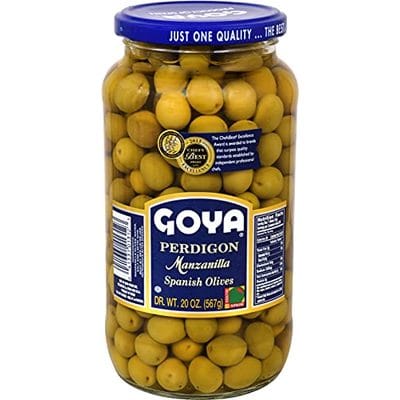
Manzanilla olives and a spoonful of their brine are what separate ropa vieja from a plain braise. Buy them pitted so they go in sliced without a step in between.
The steak comes out of the broth hot and has to be pulled apart along the grain. Long tongs move it to the board without dropping it, and hold it steady while two forks do the shredding.