Jamaican steamed fish is whole snapper cooked in a covered pot with coconut milk or fish stock, pumpkin, carrot and okra, until the liquid turns to gravy and the fish flakes. It is the quick way of cooking fish on the island, and one of the cooks is honest that despite the name, it is closer to a gentle boil than a steam.
Ingredients
Amounts here serve four. Buy the fish with your eyes: clear eyes and red gills, straight from the sea if you have that option.

Full-fat coconut milk with nothing added - the choice for recipes where fat carries flavor and texture matters, from soups to baking.

Maizena Corn Starch, 14.10 Ounces (14.1 Ounce (Pack of 3))
Cornstarch is what Belizean cooks reach for to thicken the meat pie filling.
The fish
- 2 whole snapper, about 1 lb (450 g) each.
- 1/4 cup (60 ml) vinegar and 2 limes, for cleaning.
- 1 tbsp fish seasoning, 1 tsp all-purpose seasoning, salt and black pepper.
The pot
- 1 cup (240 ml) creamy coconut milk, or homemade fish stock.
- 8 oz (225 g) pumpkin, cut into chunks.
- 2 carrots, sliced.
- 1 onion and 3 garlic cloves.
- 1 bell pepper and 1 tomato.
- 4 sprigs fresh thyme and 3 scallions.
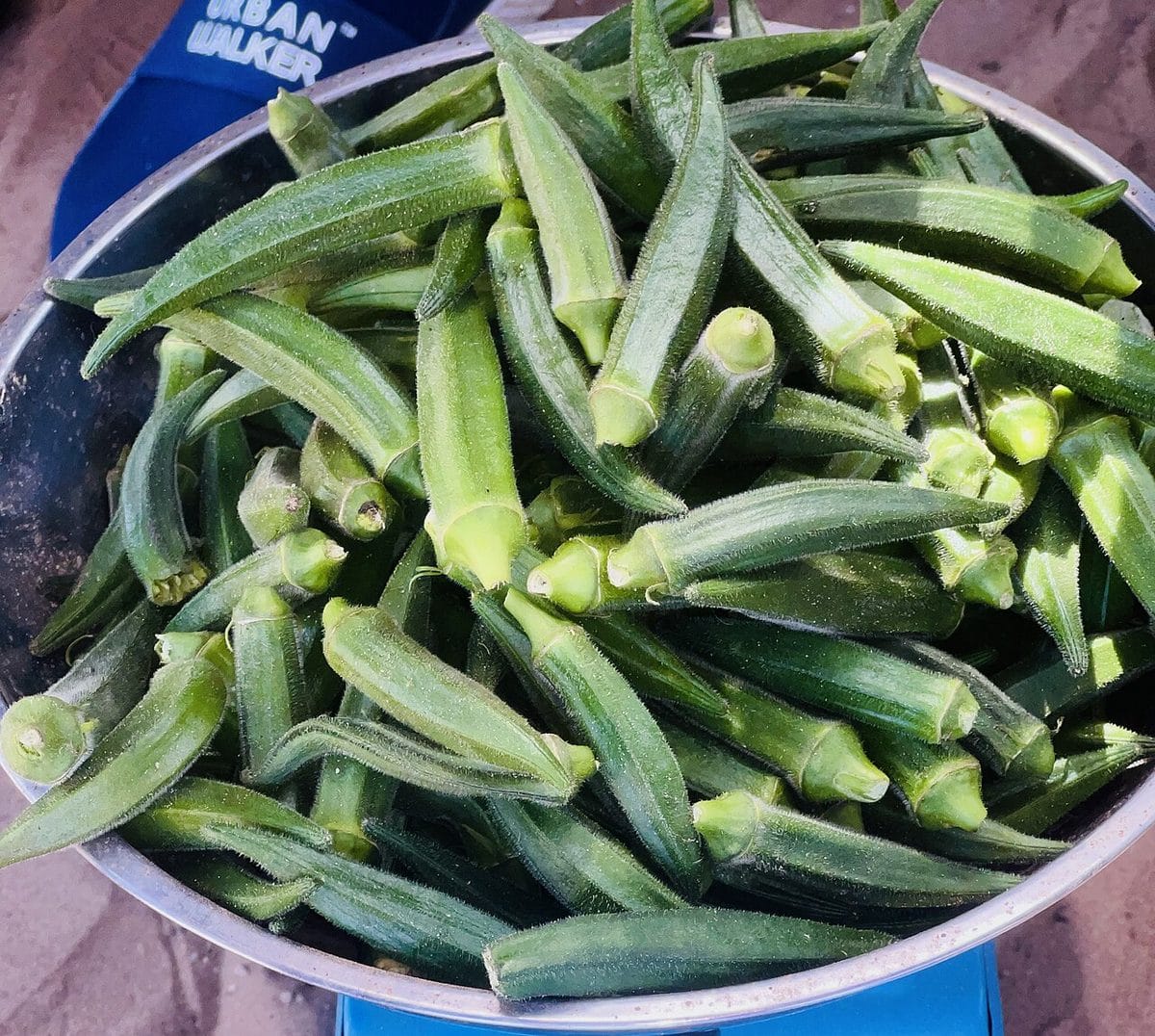
- 8 okra, trimmed.
- 1 Scotch bonnet pepper, or pepper sauce to taste.
- 1 tsp pimento berries (allspice).
- 2 tbsp butter, or olive oil.
Instructions
- Clean the fish with lime and vinegar to take the raw scent off, then cut slits into both sides so the seasoning can get in.
- Season the fish inside and out, working it into the slits.
- Sauté the onion, garlic and peppers in the butter or oil until they sweat and give up their flavour.
- Add the coconut milk or stock along with the pumpkin and carrots, and cook until the liquid starts turning to gravy.
- Lay the fish into the pot, add the okra, cover tightly and cook on low heat for 10 to 20 minutes until it flakes.
- Lift the lid partway through and spoon the gravy over the top of the fish so it seasons on both sides.
The Pumpkin Is the Thickener
The gravy in this dish is not made with flour or cornstarch. Pumpkin goes in with the hard vegetables and breaks down as it cooks, and that is what turns the liquid into something that coats the fish.
Cooks who want it thicker reach for tomato ketchup or tomato paste. One relies on the pumpkin alone. All three end up with gravy, and the pumpkin route tastes cleanest because nothing is added that was not already going in.
Okra goes in at the end, not the beginning. Added late it keeps some body and texture; added early it disappears into the gravy and takes the pot with it.
Slits, Then Baste
Cutting slits into both sides of the fish is the same first move as escovitch: it is how seasoning reaches past the skin on a whole fish. The two dishes share their entire opening, wash with lime and vinegar, score, season inside and out, and then part company completely at the heat. One goes into hot oil, this one goes under a lid.
Because the fish sits in the liquid rather than being turned in it, the top cooks in steam while the bottom sits in gravy. Lifting the lid and spooning gravy over the fish is what evens that out, and it is the step that separates a well-seasoned steamed fish from one that is seasoned only underneath.
Squeeze the scallions in your hand before they go in. It bruises them into releasing their oils, which is a small thing that shows up in the gravy.
Where the Cooks Split
Butter or oil, and they are firm about it. One cook uses olive oil to keep the cholesterol down. Two others say butter is the flavour and there is no substitute. This one is genuinely a preference rather than a technique.
Stuffing is the other split. One cook fills the cavity with callaloo and okra, which takes real work and is treated as the mark of a home-cooked version rather than a restaurant one. Others leave the cavity empty or put a sprig of thyme in and call it done.
And the name. One cook points out that steamed fish is more or less boiled, which is worth knowing because it tells you not to fuss over a steamer basket. A tight lid and low heat is the whole apparatus.
What It Is Eaten With
Water crackers or soda crackers, and fried bammy. Both soak up gravy, and the choice sets the register: crackers keep it light, bammy makes it a full plate. Worth noting that festival, which partners jerk and escovitch, is not the bread the cooks reach for here.
It is also the dish that gets named first when someone at the table does not eat meat. Steamed fish is the standard option for pescatarians in a cuisine that otherwise leans hard on pork, goat and chicken.
Barbados steams fish too, though with flying fish rather than snapper, where it becomes the protein half of cou-cou and flying fish. Same technique, different fish, and a different national plate around it.
Storage and Make-Ahead
This is a same-day dish. Twenty minutes of cooking means there is little to gain from making it early, and fish that has been reheated once is never as good.
What does prep ahead is everything around the fish: clean and season the snapper, cut the pumpkin and carrots, trim the okra. Keep them covered in the refrigerator and the cook itself takes half an hour.
Leftovers keep a day refrigerated. Warm them gently and briefly, and expect the okra to have softened. Do not freeze it: the fish breaks up and the okra turns to slime on thawing.
Tips and Variations
Keep the heat low and the lid on. The fish is done when it flakes, which on a pound of snapper is 10 to 20 minutes, and hard boiling breaks it apart before it is cooked through.
Scotch bonnet or pepper sauce, either works. Left whole the pepper seasons the gravy without dominating it, which matters more in a delicate pot like this one than in a stew.
Frequently Asked Questions
Is Jamaican steamed fish actually steamed?
Not strictly. One of the cooks says outright that the process is more or less boiling: the fish cooks under a tight lid in a shallow pot of seasoned liquid. You do not need a steamer.
What makes the gravy thick?
Pumpkin, which breaks down as it cooks. Some cooks add tomato ketchup or tomato paste as well, and one relies on the pumpkin alone. No flour or cornstarch is involved.
When do I add the okra?
In the final minutes, with the fish. Added early it overcooks and loses its body, and it will thicken the gravy more than you want.
Coconut milk or fish stock?
Both are used. Coconut milk gives a richer, sweeter gravy; homemade fish stock keeps it lighter and more savoury. Neither is more authentic than the other.
How do I pick the fish?
Clear eyes and red gills. Whole snapper is the standard choice, and on a dish this plain the freshness of the fish is most of the result.
What is it served with?
Water or soda crackers, and fried bammy. It is also the usual choice for anyone at the table who does not eat meat.
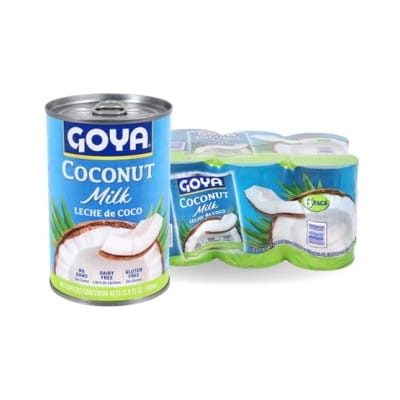
Goya Coconut Milk 13.5 oz (6-pack)
Creole bread's richness is two full cups of coconut milk kneaded into the dough. A six-pack means the next bake is already covered.
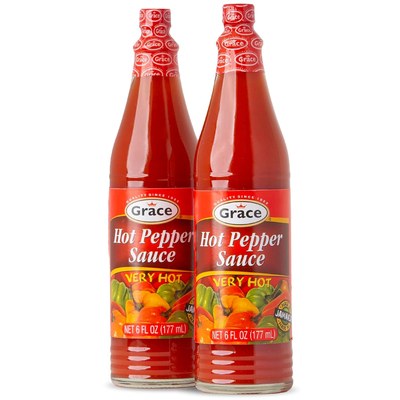
Scotch bonnet blended with West Indian red peppers: the everyday bottle that sits on a Jamaican table rather than a specialty sauce bought for one dish. The two-pack is the sensible buy for a household that cooks Jamaican food regularly.