Pulique is a highland Maya stew of chicken or beef simmered in a tomato and tomatillo recado thickened with corn masa. Seasoned with the signature herb epazote, mild guaque chile, and achiote, this ceremonial dish from the Maya highlands around Sacatepéquez carries güisquil, potato, and green beans in a smooth amber broth.
The first time you make this stew, the moment that matters comes near the end. You whisk masa into the pot, keep the spoon moving, and watch a thin tomato broth turn thick and golden in front of you. That masa is the whole dish. Pepián leans on toasted seeds, jocón goes green with tomatillo and herbs, but pulique thickens on corn. Get that part right and you have it.
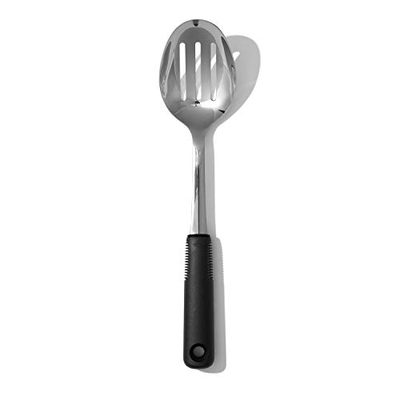
OXO Good Grips Stainless Steel Slotted Spoon
Lifting beans out of cooking liquid or scooping panades from oil needs holes that drain without trapping. A long handle keeps a hand above the pot.
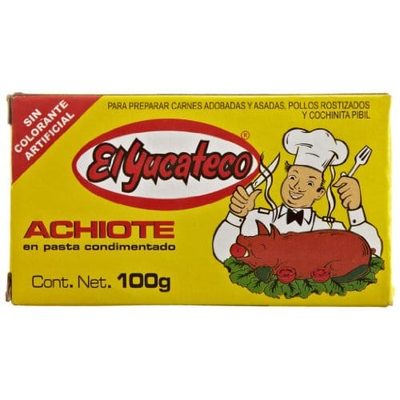
Cochinita pibil, poc chuc, and escabeche all start with red recado. A prepared achiote paste dissolves into sour orange in minutes instead of the hour it takes to grind annatto, oregano, and clove from seed.
Ingredients
This makes a pot for six. The cut of meat is up to you. Highland Maya cooks make pulique with chicken or beef, and a few beef bones thrown in with chicken give the broth more body. Use fresh epazote if you can find it; dried works in a pinch, and the herb is worth tracking down because it defines the aroma of the finished stew.
- 3½ lb chicken pieces, bone-in (or the same weight of beef; beef bones optional for richer broth)
- 10 cups water, salted
- 1 lb tomatoes
- 4 oz tomatillos (husked)
- 1 guaque chile (guajillo is the easy substitute), stem and seeds removed
- ½ cup fresh corn masa (or 3 Tbsp masa harina mixed with ¼ cup warm water)
- ¼ tsp achiote (annatto) powder, or 1 tsp achiote paste
- 1 güisquil (chayote), peeled and cut into 1-inch pieces
- 2 potatoes, peeled and quartered
- 3 oz green beans, trimmed
- 1 onion, quartered
- 3 cloves garlic
- 1 small bunch fresh epazote (about 6 sprigs; or 1 tsp dried)
- 2 sprigs hierba buena (spearmint; optional but traditional)
- 2 green onions
- Salt and black pepper to taste
Instructions
Pulique uses no oil. You do not brown anything first. The meat and the seasonings go into the water together from the start, and the masa does the work at the end. Keep that in mind and the steps make sense.
- Put the chicken in a large pot with the 10 cups of salted water. Add the green onions, half the epazote, and the hierba buena. Add the tomatoes, tomatillos, onion, garlic, and the guaque chile to the pot at the same time. Everything goes in raw together, no sautéing.
- Bring to a boil, then lower to a steady simmer. Cook about 40 minutes, until the chicken is tender and the tomatoes and tomatillos have softened completely. Skim any foam off the top during the first few minutes.
- Lift the tomatoes, tomatillos, onion, garlic, and chile out of the broth with a slotted spoon. Blend them into a smooth sauce with a ladle of the broth. This is not pepián or kak’ik. Do not char anything. The sauce stays clean and bright.
- Pour the blended sauce through a strainer back into the pot. Stir well.
- Dissolve the achiote in 2 tablespoons of warm broth, then stir it into the pot. The broth turns a deep amber-orange.
- Add the güisquil, potatoes, and green beans. Simmer until the vegetables are tender but not falling apart, about 15 minutes.
- Stir the masa into a little warm broth in a cup until it is smooth with no lumps. Pour it into the pot in a slow stream, stirring the whole time.
- Keep stirring and simmer 10 more minutes. The broth thickens and turns silky. Stir often so the masa does not settle and scorch on the bottom.
- Taste, then add salt and pepper. Chop the rest of the epazote and stir it in at the end; the fresh herb blooms in the hot broth. Serve with corn tortillas.
What Makes Pulique Different from Pepián and Jocón?
Guatemala’s highlands run on recados, the seasoning pastes and sauces that carry a dish. Pulique, pepián, jocón, and kak’ik are all highland Maya stews, and people outside Guatemala mix them up constantly. They are not the same dish. Each one is defined by what thickens it, how the cook builds the flavor, and which herb anchors the aroma.
Pulique is the masa one. The sauce is thickened with corn masa, the same dough that makes tortillas and tamales. That gives it a smooth, mild body and a golden-amber color from tomato and achiote. Pepián is thickened with pepitoria, toasted squash seeds and sesame ground to a fine powder, which turns it brown and nutty. Jocón is green, built on tomatillo and fresh herbs. Kak’ik is a red turkey soup from the Q’eqchi’ Maya of Alta Verapaz, thinner and sharper with Cobánero chile.
Pulique is the masa one. Pepián leans on toasted seeds, jocón goes green with herbs, but pulique thickens on corn.
There is a second difference in technique. For pepián and kak’ik, cooks char the vegetables and chiles on a comal first, and that smoke goes into the flavor. Pulique skips the char entirely. The vegetables are simply simmered in the broth alongside the meat, and the pot gets no oil at all. The recado stays clean and bright instead of smoky. And while pepián uses a separate paste of ground seeds, pulique uses no seed paste at all: the corn masa is the only thickener.
The herb that marks a pulique, the one you can smell from across the room, is epazote. Hierba santa, hierba buena, and cilantro appear in other Maya stews, but epazote is the signature of this one. If your pot smells right, you will know it.
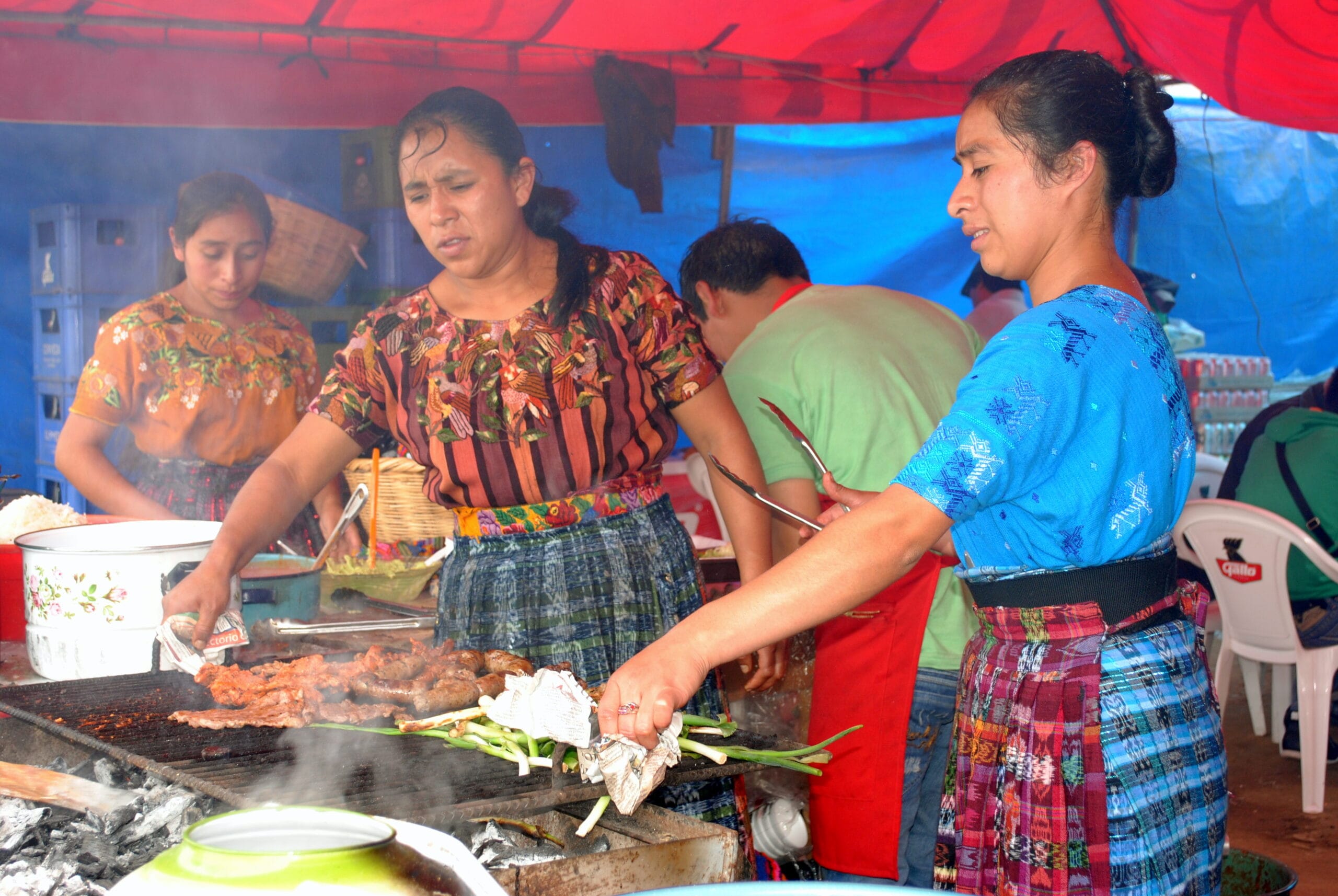
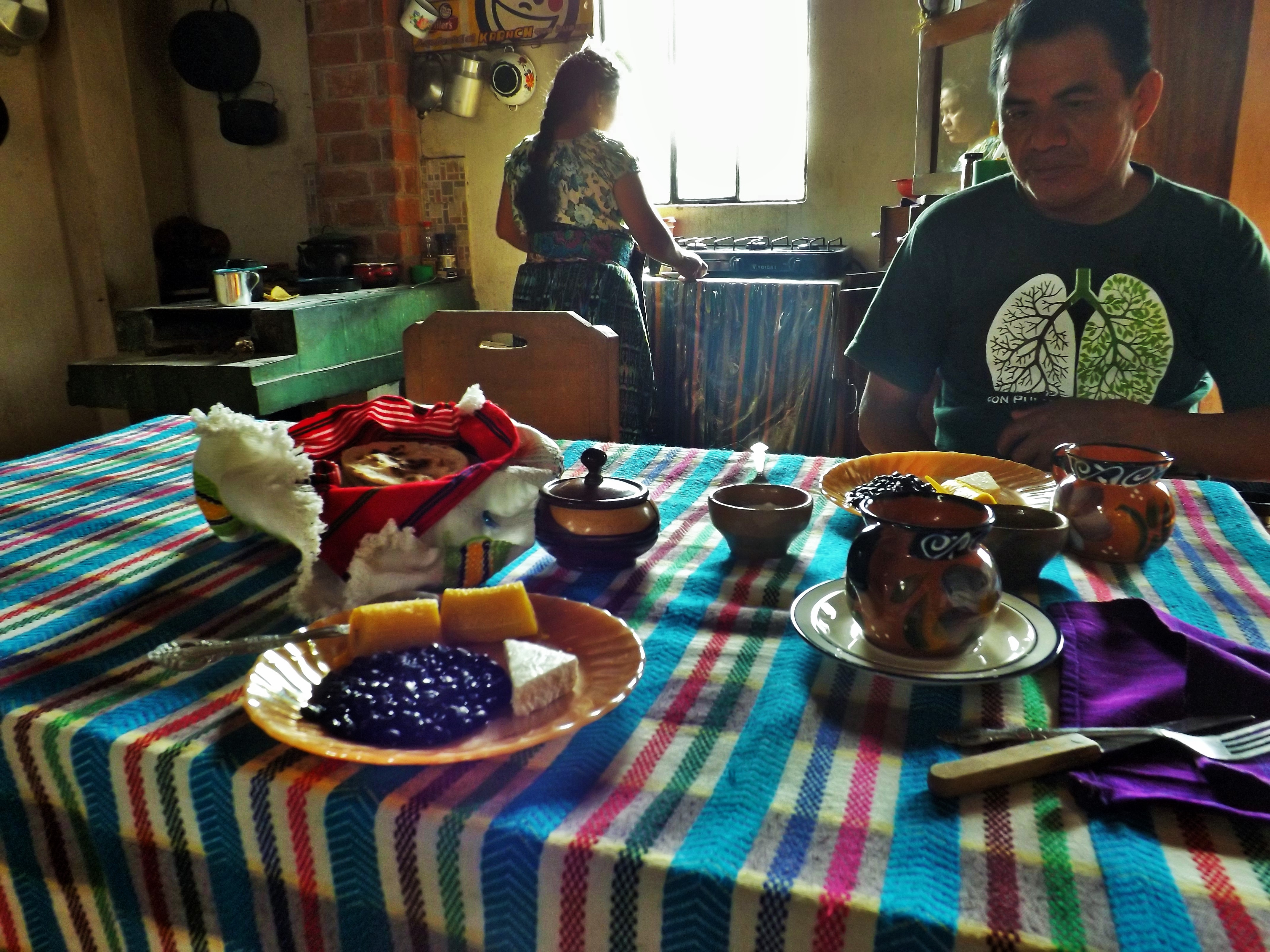
Pulique belongs to the Highland Maya of Guatemala, particularly around the Sacatepéquez region and the communities surrounding Antigua Guatemala. It is ceremonial food. Families make it for weddings, fiestas patronales, and cofradía gatherings, the religious brotherhoods that organize a town’s celebrations. You will find it on a table for an occasion, cooked in a big pot for a crowd, not on an ordinary weeknight. The dish is alive and well in those kitchens today, passed from one cook to the next, part of the wider Maya culinary tradition that reaches across the highland corridor.
Tips for a Smooth, Lump-Free Pulique
The masa is where people get nervous, and they should not. The trick is to never dump dry masa into hot liquid. Stir it into a little warm broth first, in a cup or a bowl, until it is a smooth slurry with no dry knots. Then pour that in slowly while you stir the pot. Do that and it thickens evenly every time.
Keep stirring through the last ten minutes. Masa is heavy and it wants to sink and stick to the bottom of the pot, where it scorches and turns the whole batch bitter. A few minutes of attention saves the pot.
If you cannot find fresh epazote, dried is sold in Latin grocery stores and online. Fresh masa is ideal but masa harina works fine. Mix it with warm water to a loose paste before it goes in. Guaque chile is the traditional one, but guajillo comes from the same dried family and is far easier to find in a US grocery store. Chayote is sold as chayote or mirliton depending on where you are.
Pulique thickens more as it sits, so leftovers turn almost porridge-dense the next day. Loosen them with a splash of broth or water when you reheat, and warm it slowly so the masa does not break.
Frequently Asked Questions
What is pulique?
Pulique is a traditional Guatemalan stew of chicken or beef simmered in a tomato and tomatillo recado thickened with corn masa. It comes from the Highland Maya of the Sacatepéquez region and is mild rather than spicy. The masa gives it a smooth, amber-golden body, and epazote defines its aroma. Cooks make it for weddings, fiestas, and cofradía gatherings.
What is the difference between pulique and pepián?
The thickener is the main difference. Pulique is thickened with corn masa, which keeps it smooth, mild, and golden. Pepián is thickened with pepitoria, toasted squash seeds and sesame ground fine, which makes it brown and nutty. Pepián cooks also char their vegetables and chiles on a comal first, while pulique vegetables are simmered raw in the broth. Pulique uses no oil at all; pepián uses a small amount.
What thickens pulique?
Corn masa thickens pulique. It is the same fresh corn dough used for tortillas and tamales. The cook dissolves the masa in a little warm broth, then stirs it into the pot near the end and simmers until the broth turns thick and silky. This masa thickening sets pulique apart from every other Guatemalan highland stew, which use either ground seeds (pepián, jocón) or stay broth-forward (kak’ik).
Is pulique spicy?
No, pulique is not spicy. It is mild. The recado uses a single mild chile, usually guaque, more for color and depth than heat. The flavor leans on tomato, tomatillo, achiote, and the distinctive earthiness of epazote. You can add more chile if you want, but the traditional dish is gentle.
What meat is used in pulique?
Pulique is traditionally made with chicken or beef, and the choice is up to the cook. Chicken is the most common, and some cooks add a few beef bones to a chicken pulique for a richer broth. The meat goes into the pot raw with the seasonings, with no browning in oil, since pulique uses no oil at all.
What do you serve with pulique?
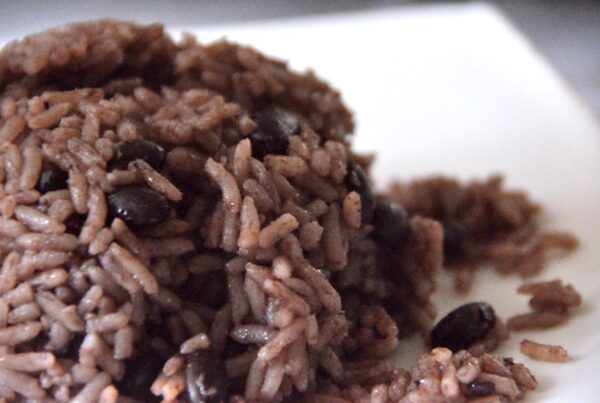
Pulique is served hot with corn tortillas, which are used to scoop up the thick broth. Rice is a common side as well. Because it is ceremonial food cooked in a large pot, pulique usually appears as the centerpiece of a meal at a wedding, fiesta, or cofradía gathering rather than as an everyday dish.
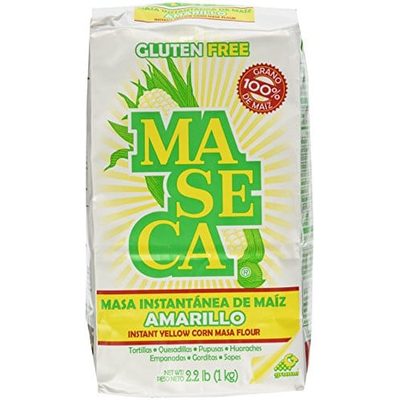
Maseca brand yellow corn masa harina, pre-ground and treated for immediate use in dough for tortillas, tamales, and other corn dough applications.