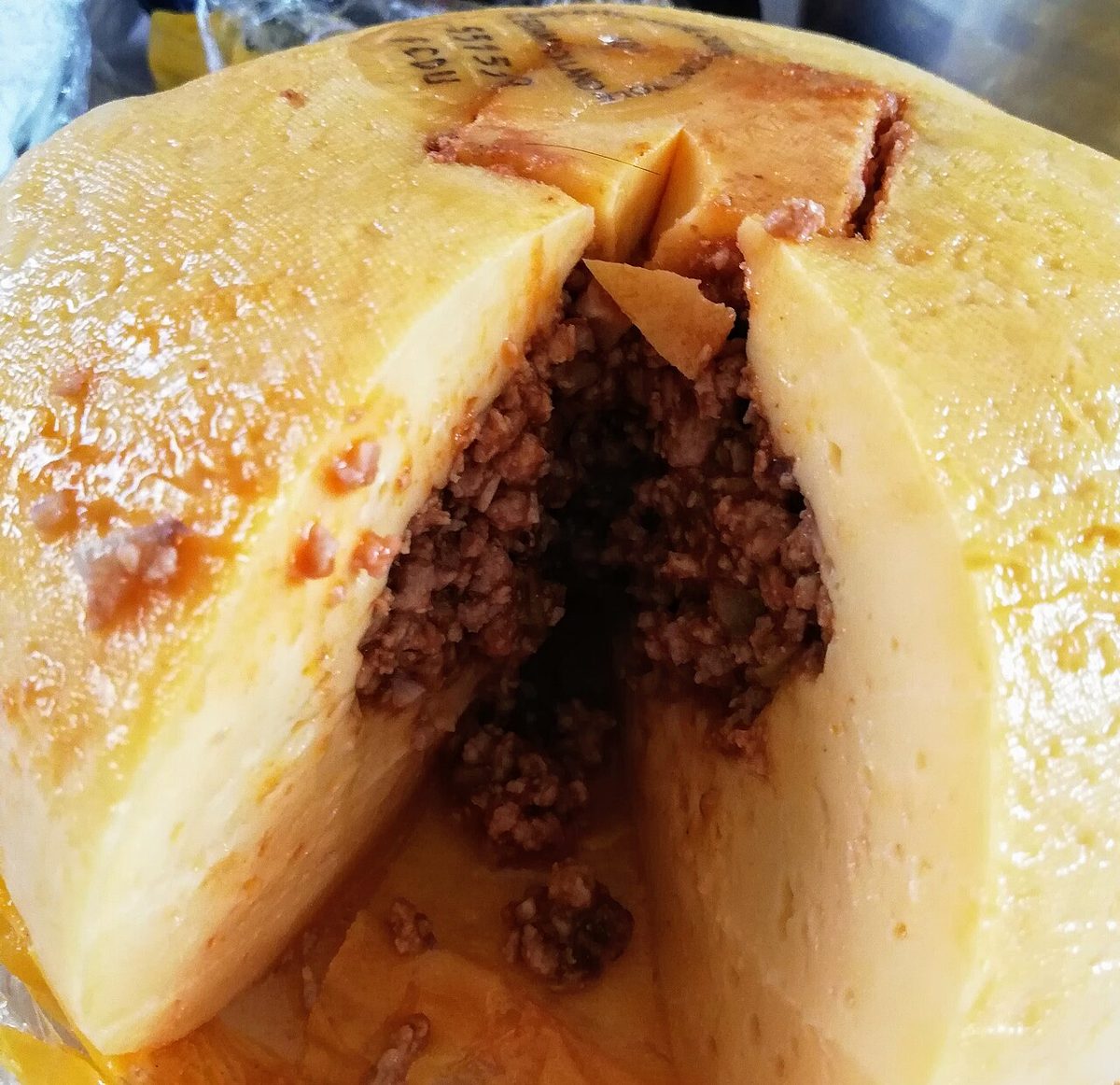
Queso relleno is the dish you make when there is something to celebrate. A whole ball of Dutch cheese, the queso de bola, hollowed out and filled with seasoned pork, then steamed soft and covered in two sauces. The white one is the white k’ol. The other is tomato. It is a Yucatec dish, and the cheese came to us the way many things came, through the ports of the Yucatan.
What is queso relleno?
Queso relleno is a Yucatecan stuffed cheese. A ball of Edam cheese, called queso de bola, is hollowed out and filled with a spiced ground pork picadillo, then steamed until the cheese turns soft. It is served in slices under two sauces, a white k’ol gravy and a tomato sauce.
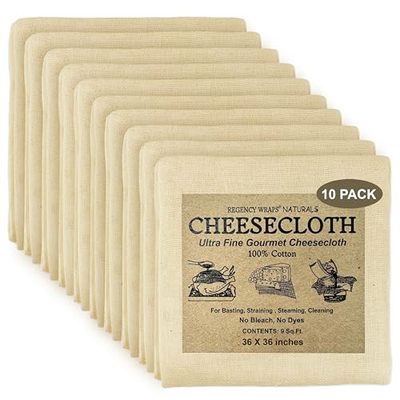
Regency Wraps 100% Cotton Ultra Fine Natural Cheese Cloth, 90 sq.ft, Chef Grade
Tamales colados, tamarind paste, and recado prep all need grade 90 cheesecloth: finer than gauze, sturdier than muslin. A multi-yard pack covers a year of straining.
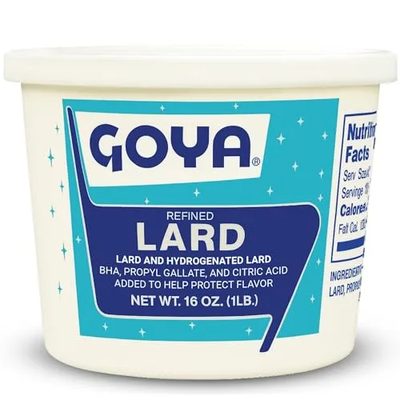
Pure lard (manteca) for making masa dough and frying - the fat traditional recipes rely on for texture and flavor.
Where queso relleno comes from
The cheese is the Dutch part. Edam came in round red balls through trade into the Yucatan, and the Maya kitchen did with it what it does with everything, made it its own. The shell of the dish is foreign. Everything inside is from here, the recado, the picadillo with raisins and olives and capers, the k’ol.
The white sauce is the white k’ol, a pale gravy thickened with wheat flour, the way the Yucatec kitchen does its white sauces. The tomato sauce goes over the top with it. Two sauces, one plate.
Ingredients
For the cheese and filling:
- 1 ball Edam cheese (queso de bola), about 2 lbs
- 1 lb ground pork
- 2 roma tomatoes, chopped
- 1/2 white onion, chopped
- 3 cloves garlic
- 1/4 cup raisins
- 2 tablespoons capers
- 1/4 cup green olives, chopped
- 1/4 cup almonds, chopped
- 2 hard-boiled eggs, the whites chopped
- 2 cloves, ground
- 1/4 teaspoon cinnamon
- 1/4 teaspoon allspice
- 1/2 teaspoon oregano
- Splash of sherry or vinegar
- Salt and pepper
For the white k’ol (white sauce):
- 3 cups chicken or meat broth
- 1/3 cup wheat flour, dissolved in 1/2 cup water
- 1 sprig epazote
- 1 tablespoon capers
- 6 green olives
- Salt
For the tomato sauce:
- 4 roma tomatoes
- 1/4 onion
- 1 xcatik or yellow chile
- 1 sprig epazote
- 1 tablespoon lard
Instructions
- Peel the red wax off the cheese. Cut a lid off the top and hollow out the inside, leaving a wall about half an inch thick. Save what you scoop out.
- Make the picadillo. Fry the onion and garlic in a little lard, add the pork and brown it. Add the tomatoes, raisins, olives, capers, almonds, chopped egg whites, cloves, oregano, and the splash of sherry. Cook until thick and dry. Salt it well.
- Fill the hollow cheese with the picadillo. Put the lid back on. Wrap the whole ball in a clean wet cloth and tie it.
- Steam the wrapped cheese over simmering water until it softens, about 20 minutes. Do not let it go too long. Already soft, you take it out. If it melts down it is lost.
- For the white k’ol, bring the broth to a simmer with the epazote, olives, and capers. Dissolve the wheat flour in the water with no lumps, strain it into the broth, and cook on low, stirring, until it thickens to a pale gravy. Salt it.
- For the tomato sauce, blend the tomatoes, onion, and chile, then fry it in the lard with the epazote a few minutes until it tightens.
- Unwrap the cheese and set it on a plate. Slice it in wedges so each one has cheese and filling. Pour the white k’ol over, then the tomato sauce.
Tips and variations
- Watch the steam. The whole trick is softening the cheese without melting it. Pull it the moment it gives. This is the part that takes practice.
- The two sauces are not optional. The white k’ol and the tomato go together. One without the other is not queso relleno.
- Beef and pork. Some make the picadillo with both. Pork alone is fine.
- Grate the scooped cheese into the picadillo or the k’ol so nothing is wasted.
Serving
Queso relleno is a plate for a gathering. Serve the wedges hot with both sauces over them and warm corn tortillas. Rice on the side. It is rich, so a little goes far.
Shop This Recipe
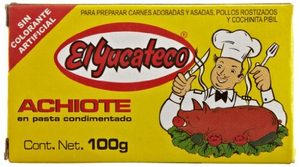
El Yucateco Achiote Paste
The red recado that gives the cull its color and most of its flavor, the shortcut when you are not grinding your own.
Cheesecloth
Grade-90 cheesecloth for wrapping the stuffed cheese to steam, and for straining masa and recado. Finer than gauze, sturdier than muslin.
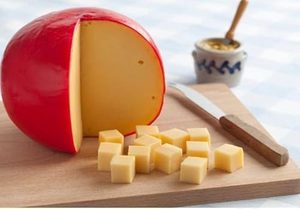
Edam Cheese Ball (Queso de Bola)
The red-wax Dutch Edam ball you hollow and stuff for queso relleno, the shell that holds the picadillo and softens when steamed.
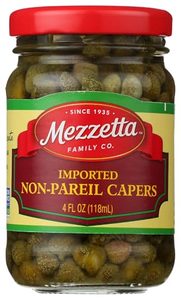
Capers
Capers go in the queso relleno picadillo with the olives and raisins, the briny note in the sweet-savory filling. Mezzetta non-pareil are the small ones.
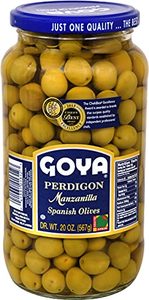
Manzanilla Olives
Spanish manzanilla olives chopped into the picadillo. Goya is the jar the Belizean and Yucatec kitchen reaches for.
Related recipes
Frequently asked questions
What is queso relleno?
Queso relleno is a Yucatecan stuffed cheese: a ball of Edam (queso de bola) hollowed and filled with spiced pork picadillo, steamed until soft, and served under a white k’ol gravy and a tomato sauce.
What cheese is used for queso relleno?
Edam cheese, the round Dutch cheese known as queso de bola. Its firm shell holds the filling and softens when steamed.
What is the main ingredient of queso relleno?
The cheese itself, a whole ball of Edam, hollowed and stuffed. The filling is a pork picadillo with raisins, olives, capers, and almonds.
What are the two sauces on queso relleno?
A white k’ol, a pale gravy thickened with wheat flour, and a tomato sauce. Both are poured over the sliced stuffed cheese.
Is queso relleno Mayan or Spanish?
Both. The Edam cheese came through trade, but the recado, the picadillo, and the k’ol sauce are from the Yucatec Maya kitchen.
Can you make queso relleno ahead of time?
You can make the picadillo filling and both sauces ahead, then stuff, wrap, and steam the cheese close to serving. The trick is the steaming, which softens the cheese without melting it, so pull it the moment it gives and serve it hot under the two sauces.
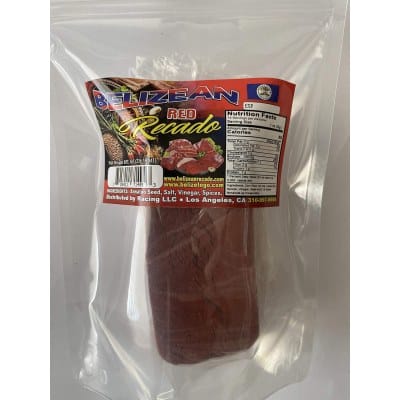
The achiote-based paste behind stew chicken, pibil, and escabeche. Sold ready-made so you skip toasting and grinding annatto, cumin, oregano, and clove from seed.
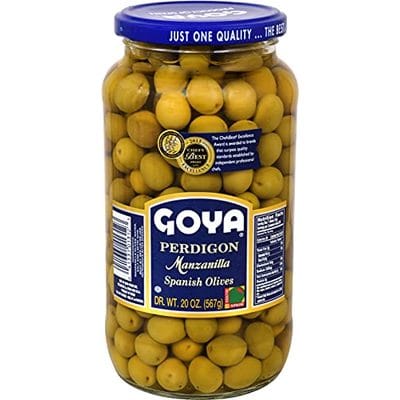
Goya Perdigon Manzanilla Spanish Olives
Queso relleno picadillo needs olives, capers, and raisins working against the pork. Manzanillas are the small, firm grade that hold their shape through the stuffing and the steam.
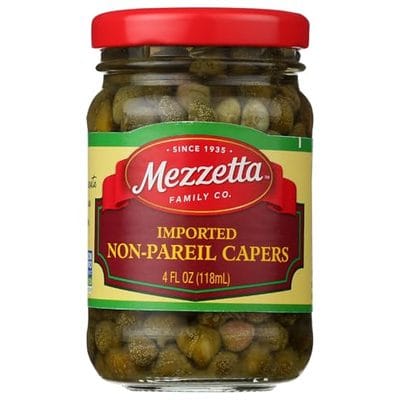
The smallest caper grade, and the one queso relleno picadillo calls for. Bigger capers turn to mush in the filling; non-pareils keep their brine-sharp bite against the raisins.