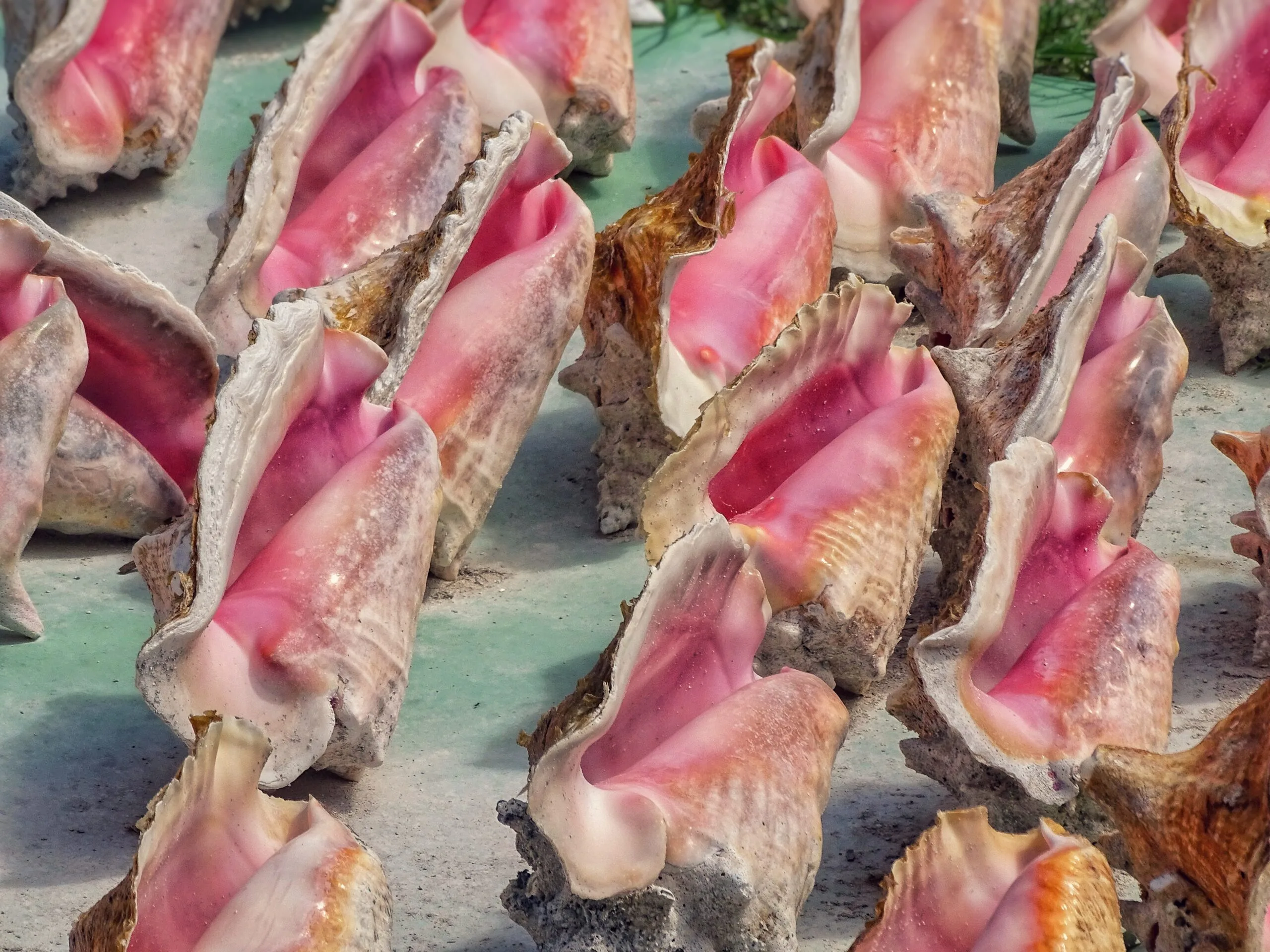
Short answer: Sopa de caracol is the Honduran conch soup, a creamy coconut-milk broth with conch, yuca, green plantain, and carrot, rooted in the Garifuna kitchen of the Caribbean coast. It is close kin to the conch soup we make in Belize, which makes sense: it is the same coast, the same Garifuna people, the same conch. The one rule that decides whether it is tender or rubber: barely cook the conch. It goes in at the very end and cooks in the heat of the pot, not on the boil.
Belize and Honduras share more than a border on a map. We share the Caribbean coast, the Garifuna, the reef, and conch. In Belize we have our conch soup; down the coast the Garifuna of Honduras make this one, sopa de caracol, and it is so loved that a Belizean actually wrote the song that carried it around the world, the one Banda Blanca made a hit. Here is how the soup itself is built.
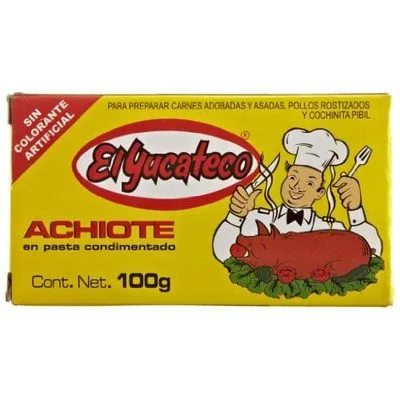
Cochinita pibil, poc chuc, and escabeche all start with red recado. A prepared achiote paste dissolves into sour orange in minutes instead of the hour it takes to grind annatto, oregano, and clove from seed.
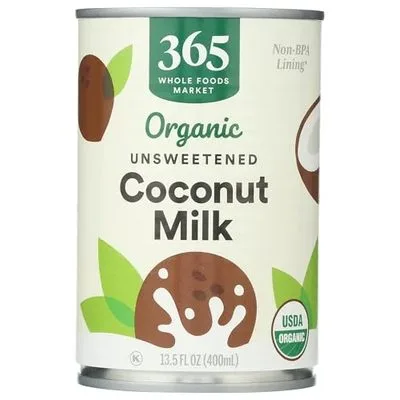
Full-fat coconut milk with nothing added - the choice for recipes where fat carries flavor and texture matters, from soups to baking.
What is sopa de caracol?
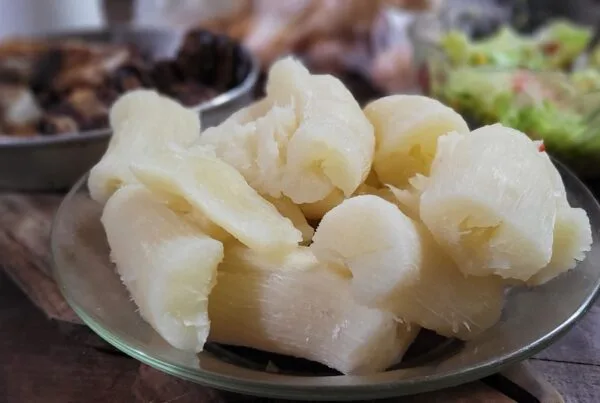
Sopa de caracol means “conch soup” (caracol is the conch, a sea snail, not a land snail). It comes from the Garifuna communities of Honduras’s north coast and is now eaten across the country and called by many its national dish. The body of it is coconut milk, simmered with cassava (yuca), green plantain or green banana, and carrot, seasoned with garlic, onion, sweet and hot peppers, achiote, and the herb culantro. The conch is the point, and it is added last so it stays tender.
Ingredients
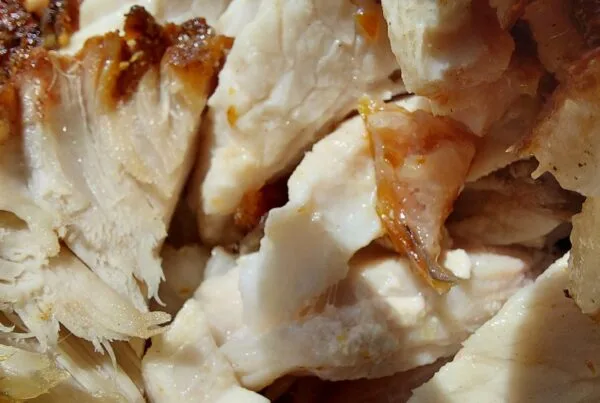
- 2 lb conch, cleaned, tenderized, and cut into 2-inch pieces
- 2 cans (14 oz each) coconut milk
- 1 cup milk
- 1 cup water
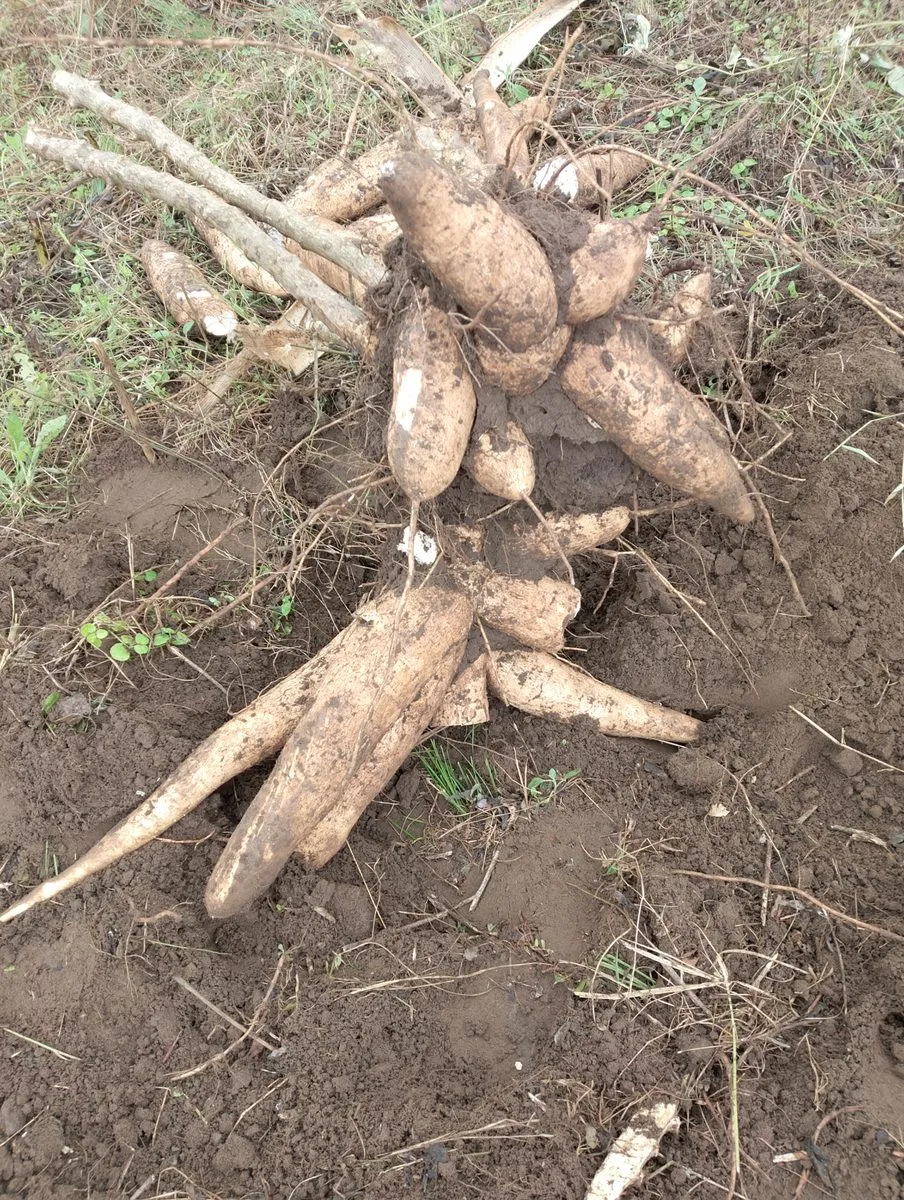
- 2 lb yuca (cassava), peeled and sliced
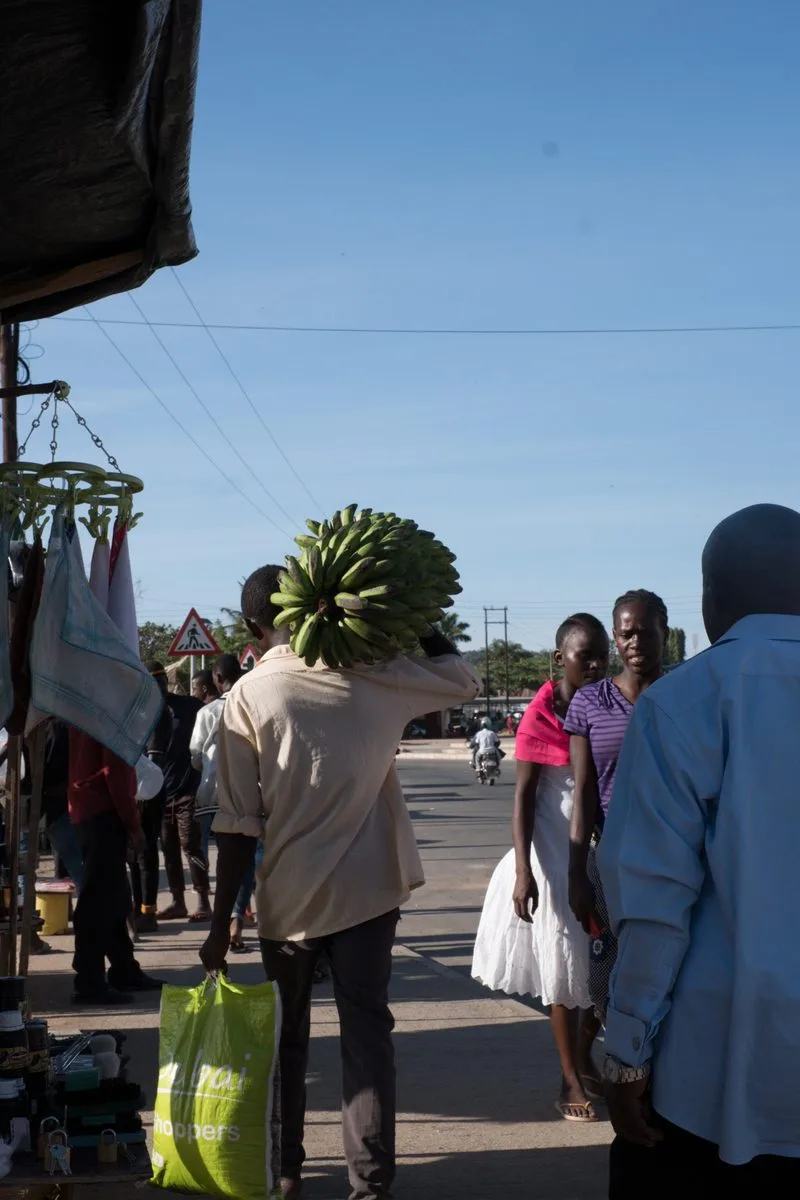
- 3 green plantains or green bananas, peeled and sliced
- 3 carrots, sliced
- 2 white onions, chopped
- 3 cloves garlic, crushed
- 1 green bell pepper, chopped
- 2 green hot peppers, chopped (to taste)
- 2 tablespoons achiote (annatto) oil
- 5 tablespoons butter
- 2 chicken bouillon cubes, or 2 cups chicken stock in place of the water and cubes
- ½ bunch cilantro and ½ bunch culantro, chopped
- Salt and black pepper to taste
How to make it
- Tenderize the conch. Pound the cleaned conch firmly with a mallet until it relaxes, then cut into 2-inch pieces. This is the step that saves you from rubbery conch later. Set it aside.
- Build the base. Melt the butter in a heavy pot over medium heat. Soften the onion for a minute, then add the garlic, bell pepper, and hot peppers and cook two minutes more.
- Add the roots. Stir in the bouillon, yuca, and carrots and let them sauté for about five minutes, picking up the achiote oil for color.
- Add the liquids. Pour in the water, milk, and coconut milk. Stir well, cover, and simmer about 20 minutes, until the yuca is starting to soften.
- Add the plantain. Add the green plantain, season with salt and pepper, and cook another 8 minutes until everything is tender.
- Add the conch last. Stir the conch in for about ten seconds only, then add the cilantro and culantro. Take the pot off the heat, cover, and let it stand two minutes. The conch cooks in the residual heat. Do not boil it, or it turns to rubber.
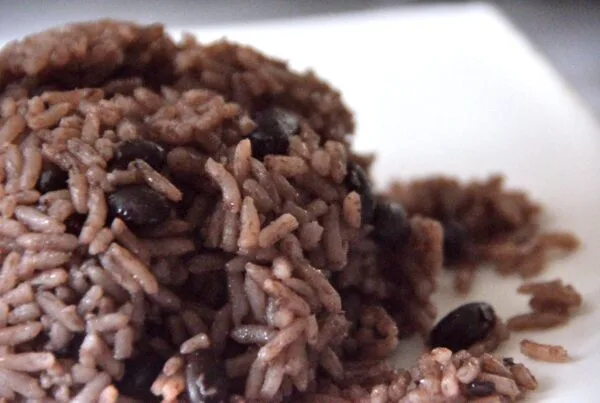
- Serve hot, with white rice and warm tortillas on the side.
Tips and substitutions
- Conch is hard to find inland. Frozen cleaned conch is the most likely option in the US; thaw and tenderize it the same way. If you truly cannot get conch, the soup base is worth making with another firm seafood, but then it is conch soup in spirit only.
- Culantro, not cilantro is the backbone herb (the long, saw-edged leaf). Cilantro stands in if you must, but culantro is the real flavor.
- Green, not ripe. Use green plantains or green bananas so they hold and thicken rather than going sweet and soft.
More of the country’s table is in the Honduran food guide, and the wider region is in the Maya World guide.
Frequently asked questions
What is sopa de caracol made of?
Conch in a coconut-milk broth with yuca (cassava), green plantain, carrot, onion, garlic, sweet and hot peppers, achiote, and culantro. It is usually served with white rice and tortillas.
Is sopa de caracol the national dish of Honduras?
Many call it that. It comes from the Garifuna communities of the north coast and is loved across the country; the famous Banda Blanca song made it known far beyond Honduras.
How do you keep the conch from getting rubbery?
Two things: tenderize it well with a mallet first, and add it to the soup only at the very end. Stir it in for about ten seconds, then take the pot off the heat and let it finish in the residual heat. Never boil conch.
Is sopa de caracol the same as Belizean conch soup?
They are close cousins from the same Caribbean coast and the same Garifuna tradition. Both lean on conch and coconut; the Honduran version is built squarely on a coconut-milk broth with yuca and plantain.
What is the difference between sopa de caracol and Salvadoran mariscada?
Unlike Salvadoran mariscada, which builds its soup from cream and mixed catch, sopa de caracol uses conch cooked in coconut milk — a distinctly Honduran Garifuna tradition. Mariscada is Pacific coast Salvadoran; sopa de caracol is Caribbean coast Honduran. The base ingredients, the seafood, and the cultural roots are different in every respect.
Why is there a famous song called Sopa de Caracol?
The 1991 worldwide hit was recorded by Honduras’s Banda Blanca, but it was based on an earlier song by the Belizean musician Chico Ramos, built on Garifuna punta rhythm. That Belizean authorship is a big part of why the dish, and the Garifuna sound behind it, traveled so far.
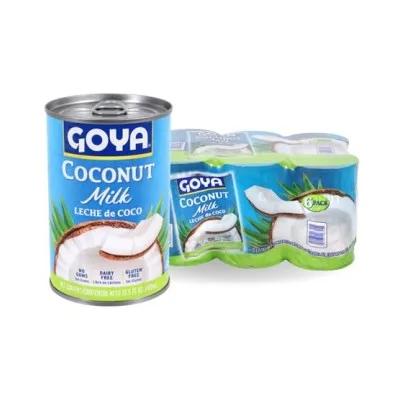
Goya Coconut Milk 13.5 oz (6-pack)
Creole bread's richness is two full cups of coconut milk kneaded into the dough. A six-pack means the next bake is already covered.
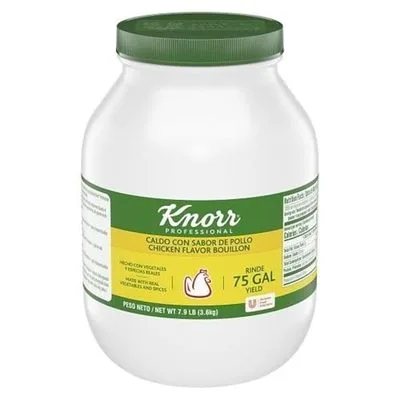
Granulated chicken bouillon for seasoning broth, rice and stews. A tablespoon goes into the pot before anything else does.