Honduran pastelitos de carne are fried corn-masa turnovers stuffed with seasoned ground beef and diced potato, folded into a half-moon and fried crisp. This street-food staple gets topped with shredded cabbage, tangy chimol salsa, and grated dry cheese, sold hot from market stalls and home kitchens across Honduras.
The first thing you hear is the crackle. A pastelito comes out of the oil deep gold, and when the cabbage and salsa hit the hot shell it goes soft at the edges and stays crisp in the center. That contrast is the whole point. I have eaten these standing at a market stall with salsa running down my wrist, and I have made them at a kitchen counter for a crowd. Both ways, they disappear fast.
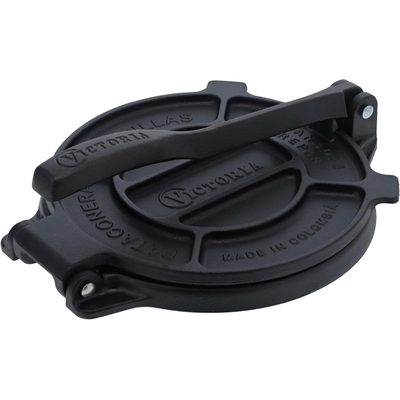
Tortilla press for shaping dough into tortillas; works with both flour and corn masa to produce thin, even rounds.
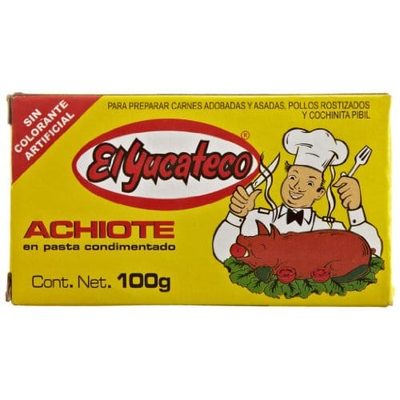
Cochinita pibil, poc chuc, and escabeche all start with red recado. A prepared achiote paste dissolves into sour orange in minutes instead of the hour it takes to grind annatto, oregano, and clove from seed.
Ingredients
The dough is corn masa, the same nixtamalized corn flour used for tortillas, seasoned with paprika and a pinch of chicken bouillon: that seasoning is what gives the Honduran shell its warm, savory depth and separates it from a plain tortilla. The filling is beef and potato, cooked completely dry so it does not steam the dough from inside. The toppings are not optional. They are what make a pastelito Honduran.
For the masa dough:
- 3 cups masa harina (nixtamalized corn flour; Maseca is the common brand in the US)
- 1 teaspoon salt
- 1 teaspoon paprika (pimentón)
- 1 teaspoon achiote (annatto powder), for color
- 1 teaspoon chicken bouillon powder (consomé de pollo)
- 2 tablespoons lard (or vegetable oil)
- About 2 to 2½ cups warm water, added gradually
For the meat-and-potato filling:
- 1 pound ground beef (80/20 or leaner)
- 1 medium potato, peeled and diced small (¼-inch pieces)
- 2 tablespoons oil
- 1 small onion, finely chopped
- 1 small green bell pepper, finely chopped
- 3 cloves garlic, minced
- 1 medium tomato, chopped (or 2 tablespoons tomato paste)
- ½ teaspoon ground cumin
- ½ teaspoon achiote (annatto powder)
- Salt and black pepper to taste
- Oil for frying (about 1 inch deep in the pan)
For serving:
- Shredded green cabbage, raw and thinly sliced
- Chimol (chopped tomato, onion, green bell pepper, cilantro, and lime juice with salt; Honduran pico de gallo)
- Grated queso seco or queso duro (dry, hard aged cheese; cotija is the closest US substitute)
- Salsa roja (a thin cooked tomato hot sauce)
Instructions
Make the filling first so it has time to cool completely. Warm filling steams the dough from the inside and tears it open in the oil. This is the one step you cannot rush.
- Heat 2 tablespoons of oil in a skillet over medium heat. Cook the onion, bell pepper, and garlic until soft, about 4 minutes.
- Add the ground beef. Brown it, breaking it up, until no pink remains.
- Add the diced potato, tomato, cumin, achiote, salt, and pepper. Add a splash of water, cover, and simmer until the potato is fork-tender and the mixture is completely dry with no standing liquid, about 12 to 15 minutes.
- Spread the filling on a plate and let it cool completely, at least 20 minutes. Do not skip this.
- Make the dough. In a bowl, combine the masa harina, salt, paprika, achiote, and chicken bouillon. Work in the lard with your fingers. Add the warm water gradually, kneading, until you have a soft, pliable dough that holds together without cracking and does not stick to your hands. Cover and rest 10 minutes.
- Divide the dough into golf-ball portions, about 2 tablespoons each. You should get about 12.
- Press each ball between two sheets of plastic (using a tortilla press or a flat-bottomed pan) into a circle about 5 inches across and 2 to 3 millimeters thick. It should be slightly thicker than a tortilla.
- Place about 2 tablespoons of filling on one half of the circle. Fold the dough over into a half-moon. Press the edges together firmly, then crimp them with a fork all the way around. Patch any cracks with a wet fingertip before the pastelito goes in the oil.
- Heat 1 inch of oil to 350°F over medium-high heat.
- Fry the pastelitos in batches, 3 to 4 minutes per side, until deep golden and crisp. Do not crowd the pan. Drain on paper towels.
- Make the chimol by combining the chopped tomato, onion, bell pepper, cilantro, lime juice, and salt. Warm the salsa roja.
- Serve hot. Top each pastelito with shredded cabbage, chimol, salsa roja, and grated dry cheese, or set the toppings out so everyone builds their own.
What Are Pastelitos de Carne, and Where Do They Come From?
Pastelitos de carne are a Honduran antojito — the kind of food you buy hot from a market stall or a feria, or make at home for a crowd. People eat them for breakfast, as an afternoon snack, or as a late-night bite after everyone is supposed to be in bed. They are everyday food, not special-occasion food. Street vendors sell them warm, toppings already piled on, for a few lempiras.
The fried corn-masa version is the one most people mean when they say pastelitos. There is also a baked wheat-flour version, pastelitos de harina, which is a genuinely different preparation with a softer, breadier shell. I am writing about the masa one here, because the corn shell frying crisp is what makes this dish what it is.
The real Honduran identity lives in the toppings. The pastelito itself is the vehicle. The toppings are the signature: raw shredded cabbage for crunch and freshness, chimol for brightness, a thin red salsa for heat, and hard salty cheese grated over everything. Take those away and you have a fried turnover. Put them back and you have a pastelito.
Pastelitos de carne are not the same as enchiladas hondureñas, which are open-faced fried tortillas loaded with ground beef, cabbage, egg, and cheese on top. The format is completely different. And they are nothing like nacatamales, Honduras’s large banana-leaf tamales with a 10-ingredient filling that take all day to steam. A pastelito is small, fast, and sold by the piece. The nacatamal is for Christmas and the feast table.
The pastelito is the vehicle. The toppings are the signature.
How Are Honduran and Salvadoran Pastelitos Different?
These two are close cousins, and it would be dishonest to pretend otherwise. Both are fried corn-masa half-moons filled with seasoned meat and finished with fresh toppings. If you grew up eating one, the other tastes like a relative’s cooking. The differences are real but they are not a wall.
If you grew up eating one, the other tastes like a relative’s cooking.
Salvadoran pastelitos often start with a dough colored and seasoned with annatto and chicken bouillon worked directly into the masa, and the filling leans toward chicken or beef cooked with vegetables. They are typically served with curtido, the fermented cabbage relish that gives the Salvadoran plate its distinctive sour bite.
Honduran pastelitos go a different direction. The filling is beef and potato, cumin-forward. The dough is also seasoned (paprika and bouillon are the standard Honduran additions), but the topping is raw cabbage rather than fermented, and chimol replaces curtido. Chimol is fresh and bright: tomato, onion, cilantro, lime. It does not have the tang. The potato in the filling and the fresh-not-fermented cabbage are the clearest tells between the two.
Two other things these are not. South American pastelitos are usually puff pastry, often sweet. Do not let the shared name confuse you. And Belizean panades, while also corn masa, are smaller and filled with fish, a different snack with a different purpose.
Tips for Crisp Pastelitos (and the Variations Worth Knowing)
The two failures that ruin a batch both come down to moisture and heat.
Cool the filling completely before you assemble. This is the rule I break for nothing. Warm filling releases steam inside the sealed dough, and that steam tears the shell open the moment it hits the oil. Twenty minutes on a plate at room temperature is enough. Do not rush it with the refrigerator or you get condensation on the dough.
Keep the oil at 350°F. Too cool and the masa soaks up grease and goes soft instead of crisp. Too hot and the shell browns before the inside cooks through. A thermometer is worth it here.
Seal the edges hard and crimp with a fork all the way around. Patch any visible cracks with a wet fingertip before the pastelito goes in the oil. A leak spits hot oil and dumps your filling into the pan.
For variations: many Honduran cooks fold half a cup of cooked white rice into the filling alongside the potato, or replace the potato entirely with rice. Both are common and both are authentic. Some add finely diced carrot or green peas for color. To get ahead, assemble the pastelitos raw, freeze them flat on a tray, and fry straight from frozen — add about a minute per side. Cooked leftovers reheat best in an oven or air fryer. The microwave will only make them soft.
Frequently Asked Questions
What are pastelitos de carne?
Pastelitos de carne are fried corn-masa turnovers stuffed with seasoned ground beef and diced potato. They are a Honduran street food, folded into a half-moon, fried crisp, and topped with shredded cabbage, chimol salsa, and grated dry cheese.
How do you make pastelitos de carne crispy?
Keep the filling dry and fully cooled before assembling, seal the edges tight and crimp with a fork, and fry at 350°F until deep golden, about 3 to 4 minutes per side. Drain on paper towels immediately so they do not steam and soften.
What is the difference between Honduran and Salvadoran pastelitos?
Both are fried masa turnovers. Honduran pastelitos use a beef-and-potato filling and are topped with fresh chimol and raw cabbage. Salvadoran pastelitos often use chicken and are served with fermented curtido instead. The curtido versus chimol distinction, and the potato in the Honduran filling, are the clearest tells.
Do Honduran pastelitos use masa or flour dough?
The traditional fried street pastelito uses masa (nixtamalized corn flour, the same base as tortillas, seasoned here with paprika and chicken bouillon). A separate baked wheat-flour version, pastelitos de harina, also exists, but the classic crisp-fried pastelito is corn masa.
What do you serve with pastelitos de carne?
Serve them hot with shredded cabbage, chimol (a fresh tomato, onion, bell pepper, and cilantro salsa with lime), a thin red salsa, and grated dry cheese like queso seco. Set the toppings out and let people build their own.
Can you freeze pastelitos de carne?
Yes. Freeze them raw, before frying, flat on a tray so they do not stick together. Fry straight from frozen, adding about a minute per side. This is the easiest way to keep a batch ready for unexpected company.
How are pastelitos de carne different from nacatamales?
Nacatamales are large banana-leaf tamales steamed for several hours, with a complex 10-ingredient filling of meat, potato, rice, and vegetables. Pastelitos are small fried corn-masa turnovers, assembled and cooked in minutes, sold individually as a street snack. They share a corn-masa base but are otherwise completely different in size, technique, and occasion.
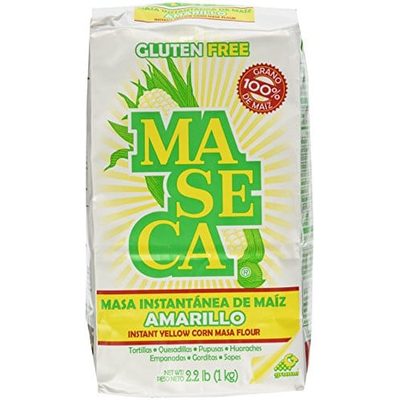
Maseca brand yellow corn masa harina, pre-ground and treated for immediate use in dough for tortillas, tamales, and other corn dough applications.
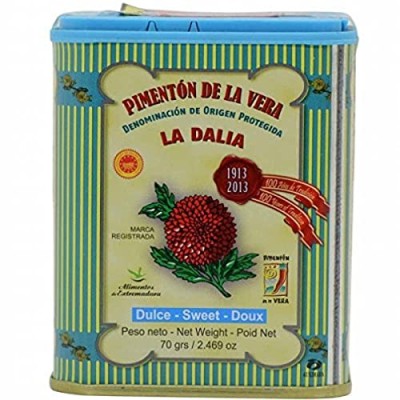
La Dalia Sweet Smoked Paprika, Pimentón de la Vera DOP, 2.46 oz
DOP-certified pimentón from La Vera, Spain — the smoky paprika that gives pastelitos their color and depth.