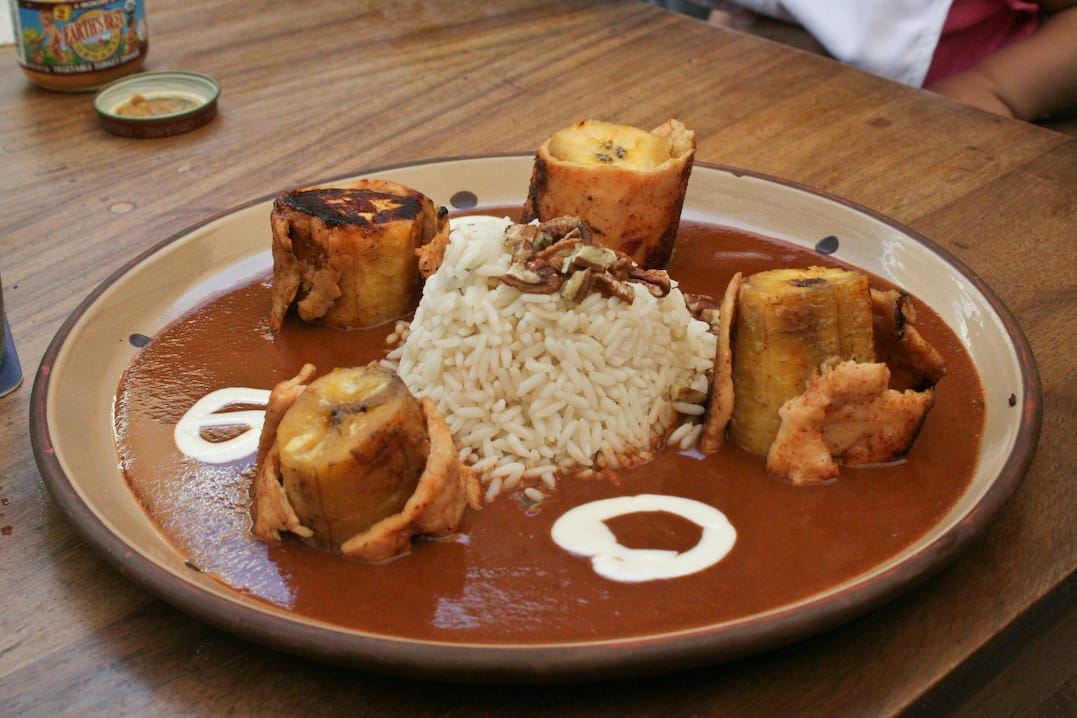
Mole de plátano is a traditional Guatemalan dessert of fried ripe plantains bathed in a sweet chocolate mole sauce made with cacao tablets, chile pasa, roasted sesame and pumpkin seeds, cinnamon, and tomato. Syncretic in origin — Maya cacao and dried chiles in sweet sauce are pre-Hispanic, fried plantain is post-colonial — it was declared Intangible Cultural Heritage of Guatemala in 2007.
Ingredients
For the plantains:
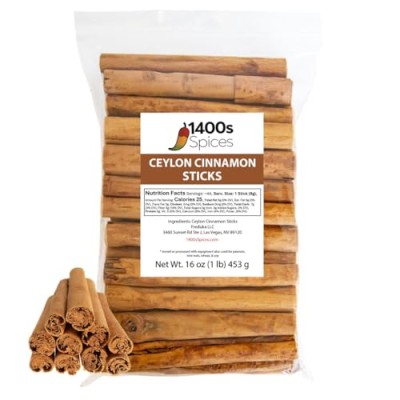
1400S Spices Ceylon Cinnamon Sticks from Sri Lanka, 1lb (Canela Entera)
Ceylon cinnamon is sweeter and milder than cassia — the right choice for atole, conkies, and sweet drinks. These are whole dried sticks from Sri Lanka.
Wangla, Belize's sesame seed candy, needs raw sesame toasted fresh and bound with cane sugar. Whole hulled seed toasts evenly without the burnt edges of pre-toasted product.
- 4 very ripe plantains (skin dark and soft, almost entirely black)
- 4 tablespoons neutral oil (for frying)
For the mole sauce:
- 8 oz Guatemalan chocolate tablets (tabletas de chocolate — the sweet cinnamon-spiced drinking-chocolate variety; substitute Mexican chocolate such as Abuelita or Ibarra if unavailable)
- 1 lb Roma tomatoes (about 6–8 medium)
- 1 chile pasa (dried pasilla/mulato-type chile, mild and smoky)
- 1 chile guaque (dried guajillo-type, mild earthy flavor)
- 2 oz pepitoria (pumpkin seeds)
- 2 oz ajonjolí (sesame seeds), plus 1 tablespoon reserved for garnish
- 1 large champurrada (Guatemalan sweet corn cookie; substitute 2 slices toasted pan dulce or brioche if unavailable)
- 1 cinnamon stick (canela, Ceylon/soft cinnamon preferred)
- 2 whole cloves
- 3 cups water
- ½ cup panela (unrefined cane sugar) or brown sugar, to taste
Instructions
- Toast the chile pasa and chile guaque dry on a comal or heavy skillet over medium-low heat, turning constantly, for 60 to 90 seconds. Do not let them darken beyond a light tan. A burned chile makes the entire sauce bitter and cannot be fixed.
- Toast the pepitoria, sesame seeds, and cinnamon stick separately on the same comal, stirring constantly, until golden and fragrant, about 2 minutes.
- Roast the Roma tomatoes in a dry skillet or under the broiler until the skins char on all sides.
- Transfer the toasted chiles to a bowl of warm water and soak for 10 minutes to rehydrate.
- Blend the roasted tomatoes with the rehydrated chiles, whole cloves, cinnamon, and ½ cup water until smooth. Strain through a medium sieve if you want a smoother sauce.
- In a separate blender, process the pepitoria and sesame seeds until finely ground. Add to the tomato blend and stir to combine.
- Soak the champurrada in a small bowl of warm water until soft, about 3 minutes. Blend until smooth. Add to the sauce and stir. The champurrada thickens the mole without adding flour or starch.
- Bring 2½ cups of water to a gentle boil in a medium saucepan. Add the chocolate tablets and stir constantly until fully melted.
- Pour the blended tomato-seed mixture into the chocolate water. Reduce heat to low and simmer, stirring frequently, for 10 minutes. The sauce will deepen in color and smell faintly of smoke and warm spice.
- Add the panela or brown sugar, a little at a time, tasting as you go. The sauce should be noticeably sweet. This is a dessert mole, not a savory one.
- Slice the plantains diagonally into pieces about 1 inch thick. Heat the oil in a skillet over medium heat and fry the plantain slices until golden on both sides, about 3 minutes per side.
- Drain the fried plantains on paper towels to remove excess oil.
- Add the plantains to the sauce and cook together over low heat for 5 more minutes, letting the plantains absorb some of the chocolate mole.
- Serve warm, garnished with the reserved toasted sesame seeds.
Why Guatemalans make mole de plátano for fiestas and Día de los Muertos, not everyday cooking
The combination of chocolate, dried chile, and toasted seeds in this dessert traces two roots at once. Cacao — the raw material for the chocolate tablets in this recipe — was a ceremonial substance for the pre-Hispanic Maya, who understood chocolate as something apart from ordinary eating. The technique of using dried chiles to deepen a sweet sauce rather than to add heat is also pre-Hispanic Maya in origin. What came later, after the colonial period, was fried plantain: a fruit of African and Asian origin that arrived in the Americas through the slave trade and quickly became indispensable to Central American cooking. The mole that holds this dish together is the synthesis — a colonial-period dessert form that is now firmly Guatemalan.
Those occasions have remained consistent for centuries. Guatemalans serve mole de plátano during Semana Santa, the Holy Week before Easter, when Lenten cooking reaches its most elaborate expression. It also appears on Día de Todos los Santos, November 1st and 2nd, when families gather to honor the dead with food that carries weight and memory. At local fiestas and community celebrations throughout the highlands, the sweet mole signals that something larger than everyday life is being observed. It can also appear as the dessert at any family meal — this is not a dish confined to the calendar, only elevated by it.
Cacao was a ceremonial substance for the pre-Hispanic Maya. The chile-sweetened-sauce technique is also Maya. The fried plantain came later — and the synthesis has been Guatemalan ever since.
In 2007, Guatemala’s Ministry of Culture and Sports made this history official. Through Ministerial Agreement 801-2007 dated November 27 of that year, mole de plátano was declared Intangible Cultural Heritage of Guatemala alongside pepián, kak’ik, and jocón. That designation recognized not a single dish so much as a living culinary practice — one that has persisted across generations because it belongs to the occasions that matter.
Guatemala is the only country that prepares sweet mole (what local cooks call mole en dulce) as a dessert in this form. Mexican moles are savory sauces for meat, with chocolate functioning as a background note in a sauce built around chiles, seeds, and spice. The Guatemalan form is the opposite: chocolate and sweetness are the point, and the chile pasa and chile guaque exist to balance that sweetness with earthy, smoky depth — not to add fire. A reader familiar with Mexican mole will need to recalibrate completely.
Guatemala is the only country that prepares sweet mole as a dessert — the chile is there for earthy depth, not heat.
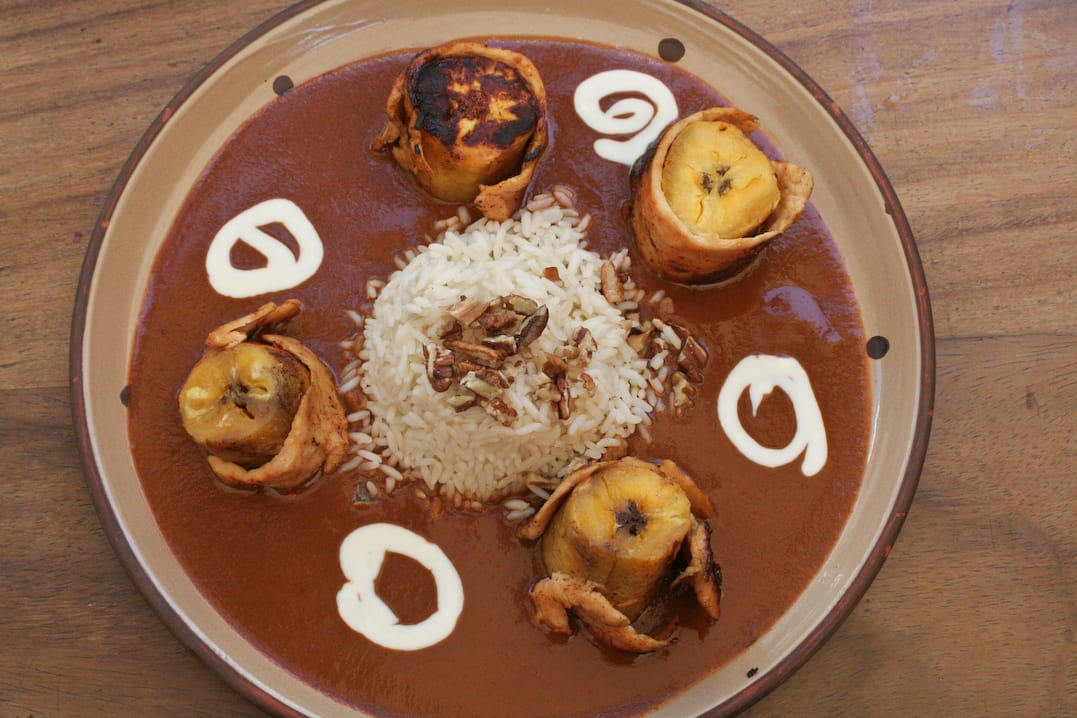
Plátanos en mole: the sweet chocolate dessert sauce that is uniquely Guatemalan in form.
Getting the mole right: what experienced cooks know
Plantain ripeness is everything. They must be very dark-skinned and soft. An underripe plantain will be starchy and flat in both flavor and texture; for this dessert, overripe is better than underripe. Test by pressing: the flesh should yield easily through the skin. If your plantains are still yellow with green tips, leave them on the counter for two or three more days.
The most common mistake in this recipe is burning the chiles. Toast them on medium-low heat and never stop turning them. You have 60 to 90 seconds of correct toasting before they cross into bitter. Once a chile burns, the entire sauce is compromised. There is no fixing it. If you are uncertain, err on the side of under-toasting.
The champurrada acts as the thickener. This Guatemalan sweet corn cookie, soaked in warm water and blended smooth, gives the mole its body without the taste of flour. If you cannot find champurrada, use two thick slices of toasted sweet bread. Pan dulce or brioche both work, but the bread must be toasted before soaking. Raw soft bread creates a gluey texture that does not blend clean.
On chocolate: Guatemalan tabletas de chocolate have a specific composition of cacao, cinnamon, and raw sugar that makes this mole what it is. They belong to the category of sweet, spiced drinking-chocolate tablets — not bitter baking chocolate. Outside Guatemala, the closest substitute is Mexican chocolate. Ibarra or Abuelita are both available in Latin grocery stores and many mainstream supermarkets. Do not substitute European dark chocolate. It is too bitter and the flavor profile is wrong for a dessert mole.
The mole sauce can be made one to two days ahead and refrigerated; it keeps well and the flavors deepen overnight. Fry the plantains fresh just before serving. They soften quickly once they go into the sauce, so do not add them more than 10 minutes before serving.
For those who know rellenitos de plátano, the stuffed plantain patties filled with sweetened black beans, mole de plátano is the other great Guatemalan plantain dessert. Where rellenitos compact the plantain around a filling, the mole takes the opposite approach: fried plantain slices, open and bathed in chocolate sauce. Two very different results from the same fruit.
Frequently Asked Questions
What is mole de plátano?
Mole de plátano is a traditional Guatemalan dessert of fried ripe plantains served in a sweet chocolate mole sauce. The sauce is made with Guatemalan chocolate tablets, mild dried chiles, roasted sesame seeds, pumpkin seeds, cinnamon, and tomato. It was declared Intangible Cultural Heritage of Guatemala in 2007 and is most commonly served during Semana Santa and Día de Todos los Santos.
Is Guatemalan mole de plátano the same as Mexican mole?
No. Guatemalan mole de plátano belongs to a different category called mole en dulce, or sweet mole. Mexican moles are savory sauces served over meat. In this Guatemalan dessert, the chiles (pasa and guaque) contribute earthy, smoky depth without heat, and the sauce is sweetened with panela. Guatemala is the only country that prepares this sweet mole form as a dessert.
What kind of chocolate is used in mole de plátano?
Traditional mole de plátano uses Guatemalan tabletas de chocolate: sweet, cinnamon-spiced drinking-chocolate tablets made from cacao, cinnamon, and raw cane sugar. Outside Guatemala, Mexican chocolate (Ibarra or Abuelita) is the closest substitute. Avoid European dark chocolate, which is too bitter and has the wrong flavor profile for this sweet mole.
Can I make mole de plátano without chile pasa?
The chile pasa provides a smoky, earthy depth that defines the sauce. Without it, the sauce will taste flat and very sweet. If chile pasa is unavailable, a dried mulato or ancho chile is the closest substitute. The role of the chile in this recipe is not to add heat. It is to balance the sweetness of the chocolate and plantain. The quantity is small — one chile for the whole recipe.
When do Guatemalans eat mole de plátano?
Mole de plátano is served at any meal as a dessert, but its presence at Semana Santa (Holy Week before Easter), Día de Todos los Santos (November 1st and 2nd), local fiestas, and community celebrations marks it as food for significant occasions. The combination of chocolate, dried chile, and toasted seeds signals festivity even when it appears on an ordinary table.
How do I know when the plantains are ripe enough for mole de plátano?
The skin should be very dark, almost entirely black, and the fruit should yield noticeably when pressed. For this recipe, a yellow plantain is underripe and will produce a starchy, flat result. A plantain that looks overripe to American eyes is exactly right for mole de plátano. If your plantains are still yellow, leave them at room temperature for two to three more days.
Frontier Co-op Whole Cloves, Organic, Hand Select, 16 oz
Spice pastes, dark stews and braised meats all call for whole cloves ground or simmered into the dish. Whole cloves keep their volatile oils far longer than ground.
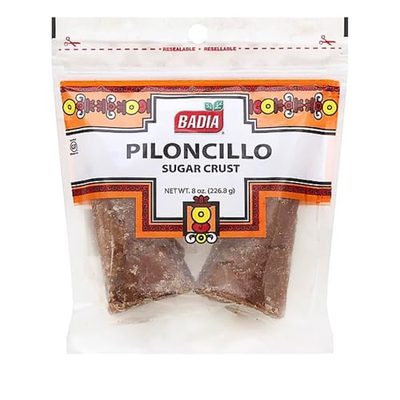
Unrefined cane sugar in cone form, the panela these syrups and sweets are built on.
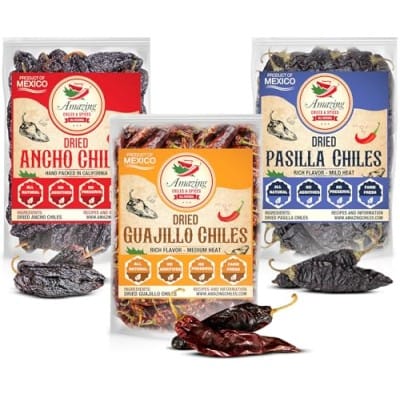
Dried Chile Peppers Variety Pack: Ancho, Guajillo, Pasilla (12 oz)
Guajillo (guaque) and pasilla (pasa) in one pack — both dried chiles kak'ik recado needs.
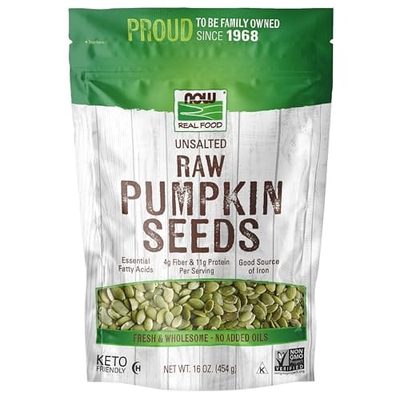
Pumpkin seeds (pepitas) that can be toasted as a garnish or ground into a paste to thicken and enrich sauces and stews.