Short answer: Rellenitos de plátano are Guatemala’s classic plantain dessert: very ripe plantains boiled skin-on, peeled, and mashed into a soft dough, then wrapped around a filling of sweetened black beans spiced with cinnamon and cocoa, shaped into smooth ovals, and fried golden. The skins stay on during boiling — they protect the flesh and deepen the flavor. They are sold warm from street stalls and home kitchens all over the country, year-round and especially during Lent.
The trick that surprises people is the bean filling. Cooked down with sugar, cinnamon, and a little chocolate, black beans turn into a dark, fudgy paste that tastes nothing like a side of frijoles. Wrapped in sweet plantain and fried, this is one of the great uses of two everyday ingredients almost every kitchen in the region already has — and the bean-chocolate combination is the distinctly Guatemalan move. Similar stuffed plantain sweets exist across Central America and the Caribbean; none of them put sweetened black beans inside.
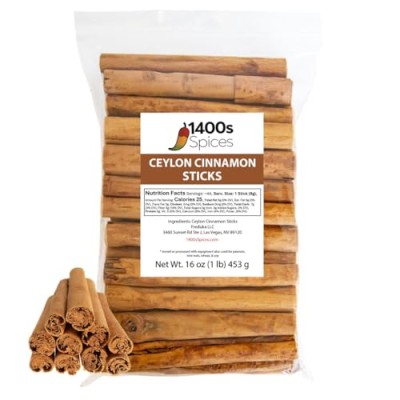
1400S Spices Ceylon Cinnamon Sticks from Sri Lanka, 1lb (Canela Entera)
Ceylon cinnamon is sweeter and milder than cassia — the right choice for atole, conkies, and sweet drinks. These are whole dried sticks from Sri Lanka.
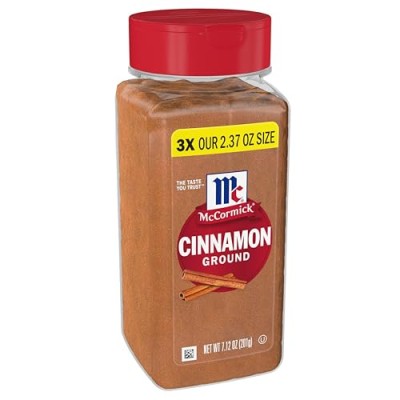
McCormick Ground Cinnamon, 7.12 oz
Pantry-staple ground cinnamon for southern-style montucas and sweet corn tamales.
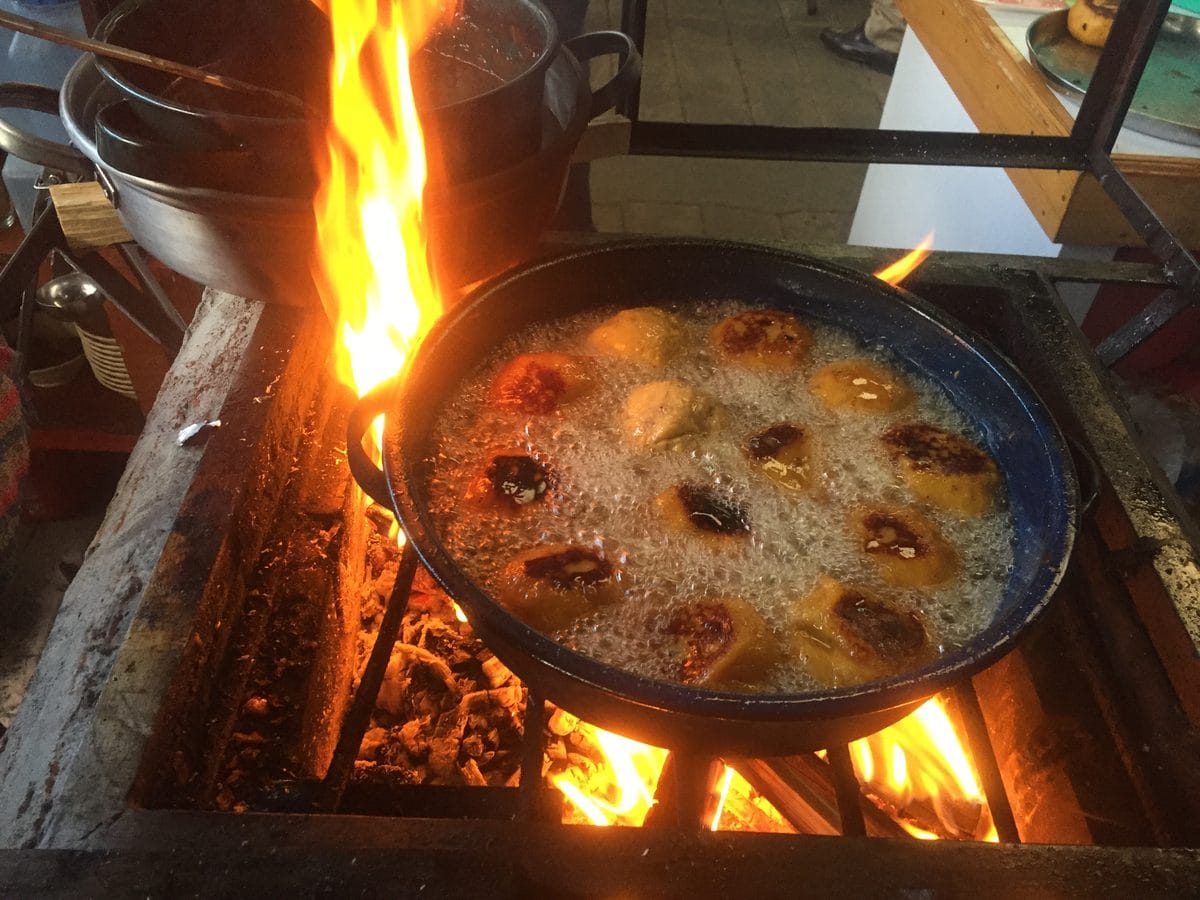
What are rellenitos?
Rellenitos (also called rellenitos de plátano) are a Guatemalan sweet made from very ripe plantain dough wrapped around a filling of sweetened black beans, fried until golden, and finished with a dust of powdered sugar. They are eaten warm as a dessert or afternoon snack with coffee. The dish is a colonial-era synthesis: plantain arrived in the Americas from Africa and Southeast Asia after the Spanish conquest; black beans are an ancient Mesoamerican staple. Together they became something neither tradition had before — a fried sweet dumpling that is now sold at every market stall and school canteen in Guatemala.
The bean filling is what makes them Guatemalan. Black beans cooked down with sugar, cinnamon, and cocoa become a dense, chocolate-forward paste. The plantain dough around them is rich with its own sweetness. No Mexican or Caribbean equivalent puts the two together this way.
Ingredients
For the plantain dough:
- 4 very ripe (blackened) plantains, unpeeled
- 1 cinnamon stick
- 1 tablespoon sugar
- A pinch of salt
For the sweet bean filling:
- 2 cups cooked black beans, drained (or one 15 oz can)
- 1/3 cup sugar
- 1/2 teaspoon ground cinnamon
- 1 ounce dark chocolate or 1 tablespoon cocoa powder (optional but traditional)
To fry and finish:
- Neutral oil for frying (about 2 inches deep)
- Powdered sugar for finishing
How to make it
- Boil the plantains skin-on. Do not peel them first. Place the whole plantains in a pot with the cinnamon stick, sugar, a pinch of salt, and enough water to cover. Simmer until the skins split and the flesh is very soft, about 20 minutes. Drain and let them cool enough to handle, then peel and discard the skins.
- Mash to a dough. Mash the peeled plantains until completely smooth. The dough should hold its shape when pressed; if it is too wet, set it aside uncovered for a few minutes to firm up.
- Make the filling. Blend or mash the drained beans until smooth. Transfer to a pan and cook over medium heat with the sugar, cinnamon, and chocolate or cocoa, stirring constantly, until the paste is thick enough to pull away from the sides of the pan and hold a ball shape. Let it cool completely before shaping — warm filling slips out of the dough.
- Shape. Lightly oil your palms. Take a small handful of plantain dough and flatten it into a disk. Place a rounded teaspoon of bean paste in the center, then close the dough around it, pinching the edges and rolling into a smooth egg shape. Press any cracks closed — a sealed surface is what keeps the filling in during frying.
- Fry. Heat the oil in a heavy pan to about 350°F (175°C). Fry the rellenitos in batches, turning once, until deep golden on all sides, about 2 to 3 minutes per side. Drain on paper towels.
- Finish. Dust the warm rellenitos with powdered sugar and serve immediately.
Tips
- Boil them whole. Keeping the skins on during cooking is the traditional method — they protect the flesh and produce a denser, sweeter dough than peeling and boiling.
- Use black plantains. The skins should be mostly or fully black. Underripe plantains stay starchy and will not give you a sweet, pliable dough.
- Dry the filling well. A wet bean paste leaks and splits the dough in the oil. Cook it until it holds a ball and does not slump when set on a plate.
- Oil your palms. A light coat of neutral oil on both hands keeps the dough from sticking while you shape. Re-oil after every two or three rellenitos.
- Seal every seam. Any gap lets oil in and filling out. Take an extra five seconds per piece to smooth the surface before it goes into the oil.
Where rellenitos stuff the plantain with black beans and fry them whole, mole de plátano takes the opposite approach: sliced plantains bathed in a chocolate mole sauce that has no equivalent elsewhere in the corridor. More of the country’s table is in the Guatemalan food guide, and the wider region is in the Maya World guide.
Frequently asked questions
What are rellenitos de plátano?
A Guatemalan dessert of ripe plantain dough wrapped around sweetened mashed black beans, fried until golden and dusted with powdered sugar. They are sweet, not savory.
Are rellenitos sweet or savory?
Sweet. The black beans are cooked down with sugar and cinnamon into a dessert filling that tastes nothing like beans served as a side dish. The cocoa or chocolate deepens the filling further.
When are rellenitos eaten in Guatemala?
Year-round at market stalls and home kitchens. They are also a traditional Lenten food — the bean and chocolate filling fits Lenten fasting customs that avoid meat, and rellenitos appear in higher numbers in Guatemalan markets during Semana Santa.
What plantains should I use?
Very ripe ones, with skins that are mostly or fully black. They mash into a soft, sweet dough; green or yellow plantains stay too starchy.
Why is there chocolate in the filling?
Cocoa or dark chocolate is a common Guatemalan touch that deepens the bean filling and ties it to the country’s cacao heritage. It is traditional rather than optional in many home kitchens, though some cooks omit it and rely on cinnamon and sugar alone.
Can I make the filling ahead?
Yes. The sweet bean paste keeps for a few days in the fridge and is easier to shape when cold, so making it a day ahead is actually ideal.
How are rellenitos different from other stuffed plantain desserts?
Similar stuffed plantain sweets exist across Central America and the Caribbean, and several of them are also filled with sweetened beans: the Salvadoran and Honduran empanadas de plátano among them. What marks the Guatemalan rellenito is the cocoa worked into that bean filling alongside the cinnamon. Other traditions lean on cheese, dulce de leche, or fruit.
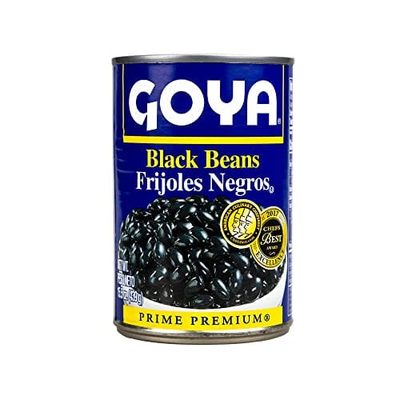
Goya Premium Black Beans, 15.5 oz
Premium black beans in a convenient 15.5 oz can, ready to heat and incorporate into any recipe calling for cooked beans.