Colorados, negros, paches, chuchitos. Four Guatemalan tamales that get mixed up constantly, because they all start from the same idea: seasoned masa, a piece of meat, wrapped and steamed. But each one carries a single feature the others do not, and once you know that feature you will never confuse them again. This is the short guide to the types of Guatemalan tamales, and the plain rule for telling colorado from negro at a glance.
Below is the comparison at a glance, then a quick note on each tamal with a link to the full recipe, then answers to the questions people ask most. One thing to clear up first: boxboles are not on this list, and there is a good reason why.
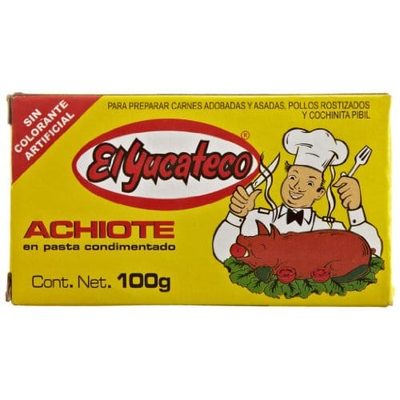
Cochinita pibil, poc chuc, and escabeche all start with red recado. A prepared achiote paste dissolves into sour orange in minutes instead of the hour it takes to grind annatto, oregano, and clove from seed.
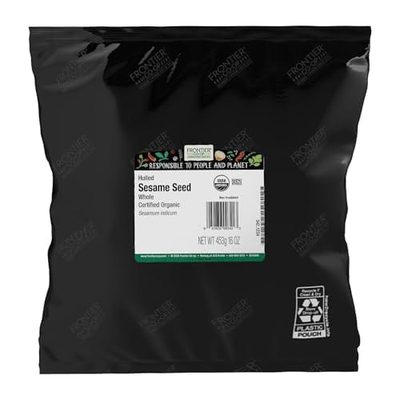
Wangla, Belize's sesame seed candy, needs raw sesame toasted fresh and bound with cane sugar. Whole hulled seed toasts evenly without the burnt edges of pre-toasted product.
The four at a glance
| Tamal | Masa base | Recado colour & type | Signature garnish inside | Wrapper | Size | Occasion | How to tell at a glance |
|---|---|---|---|---|---|---|---|
| Tamales colorados | Corn masa, pre-cooked | Red, savoury (tomato, guajillo and pasa chiles, achiote, pepitoria) | Green olive and roasted red pepper | Banana leaf | Large, a meal | Saturday year-round, plus Christmas | Red savoury sauce with an olive inside |
| Tamales negros | Corn masa, pre-cooked | Black, sweet (chocolate, dried fruit, toasted seeds) | Prune and almond half | Banana leaf | Large, a meal | Christmas only | Dark sweet sauce with a prune inside |
| Paches | Mashed potato | Red, blended into the dough, not a separate centre | None separate, the recado is in the dough | Banana leaf | Medium-large | Thursday | Creamy potato dough with the colour mixed through |
| Chuchitos | Corn masa, raw | Simple tomato sauce, no complex recado | Minimal, just sauce | Corn husk | Small, a snack | Daily street food | Small, wrapped in a corn husk |
The simple rules for telling them apart
Run through these in order and you will land on the right name every time.
- Is the dough mashed potato? Then it is a pache. The recado is blended straight into the potato dough, so there is no separate sauce centre. The creamy potato texture is unmistakable.
- Is it wrapped in a corn husk instead of a banana leaf? Then it is a chuchito. It is the only one of the four in a corn husk, the smallest, and the masa is raw rather than pre-cooked.
- Is the sauce dark and sweet, with a prune inside? Then it is a tamal negro. The chocolate-and-dried-fruit recado is sweet, and you only see these at Christmas.
- Is the sauce red and savoury, with an olive inside? Then it is a tamal colorado, the everyday Saturday standard and the one most people picture when they hear the word tamal.
The two that confuse people most are colorados and negros, because both are large, both are wrapped in banana leaves, and both are pre-cooked corn masa. The difference is the recado. Colorado is a red savoury chile sauce finished with an olive. Negro is a sweet chocolate sauce finished with a prune. Savoury versus sweet, olive versus prune. That is the whole test.
Tamales colorados
The de facto standard Guatemalan tamal and the one the others are measured against. The corn masa is cooked with lard and broth until thick and smooth before it is wrapped, then steamed again inside a banana leaf, a double-cook that gives it a dense, set texture. The red recado is built from charred tomatoes and tomatillos, guajillo and pasa chiles, roasted pepitoria, and sesame. Inside each one sits a piece of pork or chicken, a green olive, and a strip of roasted sweet red pepper. This is the Saturday tamal, eaten year-round on what Guatemalans call noche de tamal, and again at Christmas. If you see a red savoury sauce with an olive tucked in, it is a colorado.
Full recipe: Tamales Colorados.
Tamales negros
The Christmas tamal, and the sweet one. It uses the same pre-cooked corn masa and double-cook as the colorado, but the recado is a different animal: a dark, mole-like sauce built on chocolate, toasted pumpkin and sesame seeds, dried chiles, prunes, raisins, and almonds. The mass turns deep brown-black, and the flavour leans sweet rather than savoury. Inside, the garnish is a prune and an almond half rather than the colorado’s olive and red pepper. These are made for Christmas only, traditionally for Christmas Eve and Christmas Day, and you will not find them any other time of year. A dark sweet sauce with a prune inside is a tamal negro, never a colorado.
Full recipe: Tamales Negros.
Paches
The potato tamal. Instead of corn masa, paches are built on white potatoes mashed smooth with lard and broth, and here is the marker that defines them: the red recado is blended directly into the potato dough rather than ladled in as a separate centre. That gives a unified, creamy-dense, faintly reddish dough with a piece of chicken or pork at the heart. They are wrapped in banana leaves and steamed once, since potato masa firms faster than corn. Paches are a Thursday tradition, jueves de paches in Guatemala City and a weekly habit in Quetzaltenango, the highland city where they originated in the potato-growing zone. If the dough is potato and the colour runs all the way through it, you are looking at a pache.
Full recipe: Paches.
Chuchitos
The small one, and the everyday street snack. Chuchitos are made from raw corn masa, not pre-cooked, mixed simply with salt and lard, then wrapped in a dried corn husk rather than a banana leaf and steamed in a single pass for about 40 to 45 minutes. The sauce is a plain tomato sauce, with none of the layered, multi-chile recado that goes into a colorado. They are smaller than the banana-leaf tamales, sold from carts and comedores throughout the day with no particular occasion attached. The corn husk and the small size set chuchitos apart from every other tamal on this list.
Full recipe: Chuchitos.
A quick note: boxboles are not a tamal
Boxboles get filed with the tamales by people new to Guatemalan food, but they are a different thing entirely: plain corn masa spread thin and rolled inside a tender squash leaf (hoja de ayote), steamed, and served with a toasted pumpkin-seed sauce on the side. There is no meat and no recado inside the roll itself, the wrapper is a squash leaf rather than a banana leaf or corn husk, and the flavour comes from the dipping sauce rather than a filling. That sauce-on-the-side structure is what keeps boxboles out of the tamal family.
Frequently asked questions
What is the difference between tamales colorados and negros?
Both use pre-cooked corn masa wrapped in banana leaves, so the difference is the recado. Colorados have a red, savoury sauce built from tomato and dried chiles, garnished inside with a green olive and roasted red pepper, and are eaten on Saturdays year-round. Negros have a dark, sweet sauce built on chocolate and dried fruit, garnished inside with a prune and an almond, and are made only at Christmas. Savoury and red with an olive is a colorado; sweet and black with a prune is a negro.
Are paches tamales?
Yes. Paches are tamales, but the masa is mashed potato instead of corn. The defining feature is that the red recado is blended directly into the potato dough rather than placed as a separate sauce centre, which gives a creamy, unified, faintly reddish texture. They are wrapped in banana leaves and traditionally eaten on Thursdays.
Why are tamales negros only at Christmas?
Tamales negros are the most strictly seasonal dish in Guatemalan cooking, made and sold almost exclusively in December for Christmas Eve and Christmas Day. The sweet, chocolate-and-dried-fruit recado marks them as a festive, special-occasion food rather than everyday eating, so they stay tied to the Christmas table and rarely appear at any other time of year.
What makes a chuchito different from a tamal?
A chuchito is a tamal, just the small street-food member of the family. It is wrapped in a dried corn husk rather than a banana leaf, made from raw rather than pre-cooked masa, dressed with a simple tomato sauce instead of a complex recado, and sold as a daily snack rather than a Saturday or holiday meal. The corn husk and the small size are the quickest ways to spot one.
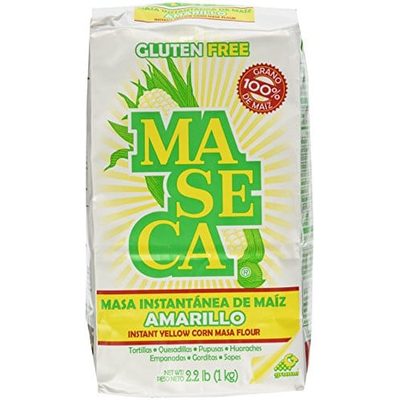
Maseca brand yellow corn masa harina, pre-ground and treated for immediate use in dough for tortillas, tamales, and other corn dough applications.
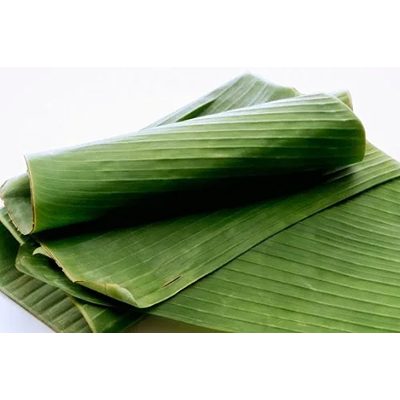
Frozen banana leaves for tamales, mukbil pollo, pibil, conkies, dukunu, and the Garifuna wrappers on hudut and bundiga — pass over a flame to make them pliable before wrapping; far easier than chasing fresh leaves outside the tropics.