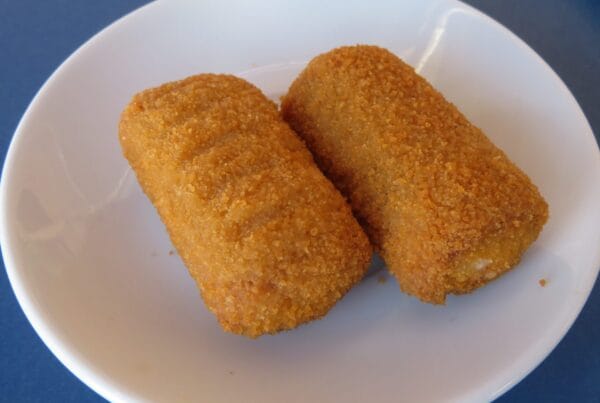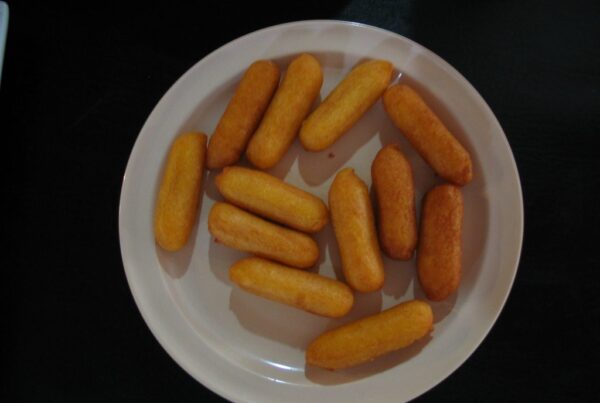
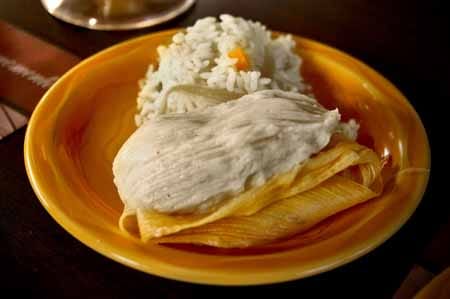
Guatemalan chuchitos are small, firm corn-masa tamales filled with a simple tomato sauce and chicken or pork, wrapped in a soaked corn husk and steamed. Unlike the large, soft tamal colorado wrapped in banana leaf, a chuchito is a compact street snack — finished with fresh tomato salsa and grated dry cheese before you eat it standing up.
The first time I had chuchitos, someone handed them to me still in the husk, hot enough that I kept moving them between my hands. That is the correct way to eat a chuchito — not on a plate with a fork at a long Sunday lunch, but standing at mid-morning with a coffee, peeling the corn husk back while the steam rises off the masa. They are the small, everyday member of the Guatemalan tamal family, and understanding that is what makes the recipe make sense.
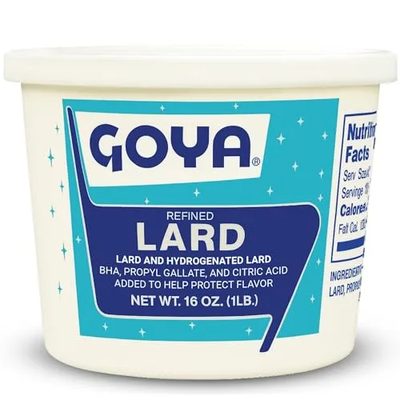
Pure lard (manteca) for making masa dough and frying - the fat traditional recipes rely on for texture and flavor.
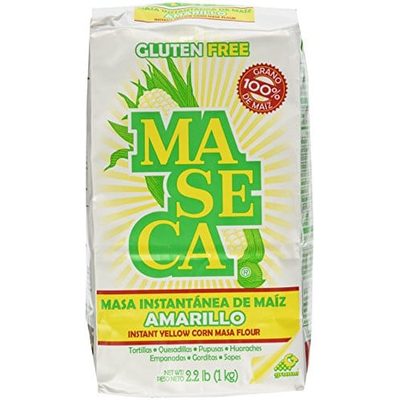
Maseca brand yellow corn masa harina, pre-ground and treated for immediate use in dough for tortillas, tamales, and other corn dough applications.
Ingredients
The dish has three parts: the tomato sauce, the masa, and the filling. Make the sauce first — the masa uses some of it.
For the tomato sauce
- 6 Roma tomatoes
- 4 miltomates (tomatillos), husks removed
- 1 dried guaque chile (substitute guajillo), stem and seeds removed
- 3 cloves garlic
- 1/2 white onion
- 1/2 teaspoon ground cumin
- 1 teaspoon salt
- 1 tablespoon oil
For the masa (dough)
- 3 cups masa harina (instant corn masa flour, such as Maseca)
- 3/4 cup lard (manteca) or vegetable shortening
- 1 teaspoon salt
- About 2 cups warm chicken broth, added gradually
For the filling
- 2 cups cooked shredded chicken (or pork)
- 1/2 cup of the tomato sauce above
To serve
- Simple tomato salsa (use the reserved sauce, thinned with a little water)
- 1/2 cup grated queso seco or other hard, dry, salty white cheese (cotija works well)
- About 18 dried corn husks (tusas), soaked
Instructions
- Soak the corn husks in warm water for about 30 minutes, until they are soft and bend without cracking.
- Soak the guaque chile in hot water for 20 minutes to soften it and reduce its heat. A dry chile blended straight in stays sharp and uneven.
- On a dry comal or heavy skillet over medium-high heat, char the tomatoes, miltomates, onion, and garlic, turning them until they blister and soften in spots. This charring is where the sauce gets its depth.
- Blend the charred vegetables with the drained chile and cumin until smooth. Pass the sauce through a strainer so it turns silky. Season with salt.
- Heat the oil in a pot, pour in the strained sauce, and simmer for 5 minutes until it thickens slightly. Reserve about half a cup for serving. Stir the rest into the shredded chicken.
- Make the masa. Beat the lard until it is light and fluffy. In a separate bowl, mix the masa harina with the salt. Work in the lard, then pour in the warm broth a little at a time, working it with your hands until the dough is firm and smooth. It should hold its shape and pull from your fingers in a soft mass, not run or pour. Do not pre-cook it — this is raw masa dough, which is what keeps chuchitos distinct from the double-cooked tamal colorado.
- Take a soaked husk and spread about a quarter cup of masa across the center. Press a well into it with the back of a spoon. Spoon in a little chicken and sauce, then cover the filling with a thin layer of masa.
- Fold the sides of the husk in over the masa, then fold the bottom up. Tie it closed with a thin strip torn from a spare husk.
- Stand the chuchitos upright in a steamer over an inch of water. Steam for 40 to 50 minutes, checking the water level every 15 minutes so the pot never runs dry.
- They are done when the masa pulls cleanly away from the husk. Let them rest for 10 minutes before unwrapping. Open each one, spoon tomato salsa over the masa, and finish with grated dry cheese. Serve warm.
What makes chuchitos different from Guatemalan tamales?
People outside Guatemala hear “tamal” and picture one thing, but Guatemala has four distinct members in the tamal family — and chuchitos sit at the small, everyday end of it. The contrasts are specific and worth knowing.
A tamal colorado is large, soft, and moist, wrapped in banana leaf, filled with a complex red recado built from dried chiles, pepitoria, and sesame. Its masa is pre-cooked with lard and broth before assembly — a double-cook that gives it a silkier texture. It belongs to Saturday night tamale dinners and Christmas. A chuchito is the opposite: smaller, firmer, wrapped in corn husk, filled with a simple tomato sauce rather than an elaborate recado, and made from raw masa dough that firms up in a single steam. It belongs to no particular occasion.
Paches occupy another corner entirely — they are made from mashed potato rather than corn masa, with the recado blended directly into the potato dough, not placed as a separate filling. They are a highland dish, traditionally eaten on Thursdays in Guatemala City. Tamales negros, available only at Christmas, are built on a sweet, chocolate-and-dried-fruit recado that turns the filling dark and complex.
We lay the whole family out in our guide to how the four Guatemalan tamales differ, so you can see exactly where the chuchito sits among its siblings.
A chuchito is smaller, firmer, corn-husk-wrapped, and belongs to no occasion in particular — that is the everyday street-food logic that separates it from the rest of the Guatemalan tamal family.
Chuchitos are Guatemalan street and market food, eaten at refacción — the mid-morning and mid-afternoon breaks that organize the working day around roughly ten and four. You buy them from a stall or cart, still hot in the husk, and eat them standing up with a cup of coffee. The wrapper tells you what you are holding before you even open it: corn husk means chuchito, banana leaf means everything else in this family.
The name is plain affection. Chuchito is the diminutive of chucho, the Guatemalan slang for dog, so a chuchito is — in street-language terms — a little dog. Guatemalans apply the same diminutive logic to dozens of beloved things, and the name stuck to this snack long ago. This is a Ladino Guatemalan dish, rooted in the same corn-husk tamal tradition shared across the Maya corridor, but simplified and optimized for daily street-food life in a way none of its relatives are.
Getting the masa and the wrap right
The masa is where chuchitos are won or lost, and the test is consistency. The dough should hold a shape and lift from a spoon in a soft mass, not pour off it. Too wet, and the chuchito slumps and weeps inside the husk. Too dry, and the masa cracks as it steams. Add the broth a spoonful at a time near the end and stop the moment it feels right. You can always add more liquid; you cannot take it back.
You can always add more liquid; you cannot take it back.
The husks need the same attention. Soak them until they bend easily but still hold together. A husk that is too brittle splits when you fold it; one that is waterlogged tears. Tear a few thin strips from a spare husk for ties before you start wrapping, so your hands stay free during assembly.
A few honest variations. Shredded pork shoulder cooked in the same tomato sauce is just as traditional as chicken — use whichever you prefer. For a meatless chuchito, fill the masa with refried black beans instead. If you are cooking outside Guatemala, the substitutions are forgiving: guajillo stands in for guaque chile, tomatillos for miltomate, and cotija or any dry salty aged cheese for queso seco. Chuchitos also keep well. Steam them, cool them, and refrigerate for three or four days, or freeze them for up to two months. Reheat straight from the freezer by steaming for 15 to 20 minutes, until they are hot through.
Frequently Asked Questions
What are chuchitos?
Chuchitos are small Guatemalan tamales made from firm, raw corn masa, filled with a simple tomato sauce and chicken or pork, wrapped in a corn husk and steamed. They are served topped with tomato salsa and grated dry cheese. Guatemalans eat them as an everyday snack, often from market and street stalls at mid-morning or mid-afternoon, rather than as a sit-down meal.
What is the difference between chuchitos and Guatemalan tamales?
The Guatemalan tamal family has four distinct members. Chuchitos are the smallest: firm, corn-husk-wrapped, filled with a simple tomato sauce, made from raw masa, and eaten daily as street food. Tamales colorados are large, banana-leaf-wrapped, filled with a complex red recado, and made from pre-cooked masa — they belong to Saturday dinners and Christmas. Paches use mashed potato instead of corn masa, with the recado blended into the dough itself, and are traditionally eaten on Thursdays. Tamales negros are Christmas-only, filled with a sweet, dark chocolate-and-dried-fruit recado. The corn husk is the fastest way to identify a chuchito.
What kind of masa do you use for chuchitos?
You use a firm, raw corn masa made from masa harina (such as Maseca) mixed with lard and warm broth. The key word is raw — unlike a tamal colorado, whose masa is pre-cooked with lard and broth before assembly, chuchito masa goes into the husk uncooked and firms up during the single steam. The dough should be thicker and stiffer than tamal masa so it stays neat inside the narrow corn husk — it should hold a shape and pull from a spoon rather than pouring.
Can you freeze chuchitos?
Yes. Steam the chuchitos, let them cool completely, then freeze them for up to two months. To reheat, steam them straight from frozen for about 15 to 20 minutes, until the masa is hot all the way through. You do not need to thaw them first. They also keep in the refrigerator for three to four days, reheated the same way by steaming.
What cheese goes on chuchitos?
Chuchitos are finished with a hard, dry, salty white cheese — queso seco — grated over the top after you unwrap the husk. If you are cooking outside Guatemala, cotija or any aged, salty, crumbly white cheese works well. The cheese is added at serving, together with a spoonful of the tomato salsa.
More Guatemalan Recipes
- Chiles Rellenos Guatemaltecos
- Pepián de Pollo (Guatemalan Chicken in Toasted Seed Recado)
- Pollo en Crema
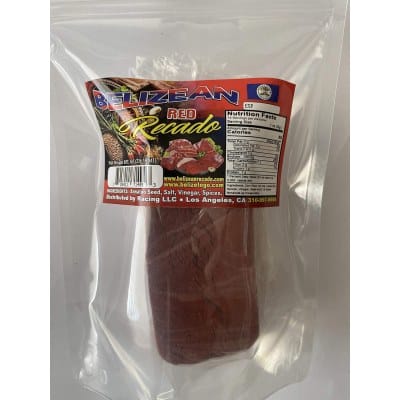
The achiote-based paste behind stew chicken, pibil, and escabeche. Sold ready-made so you skip toasting and grinding annatto, cumin, oregano, and clove from seed.
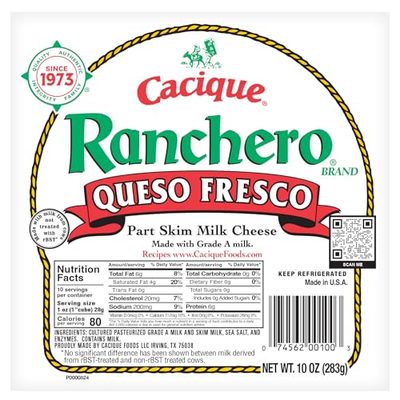
Cacique Queso Fresco Ranchero, 10 oz
A fresh crumbling queso fresco in 10 oz size, ready to sprinkle on cooked dishes or incorporate into recipes without shredding.
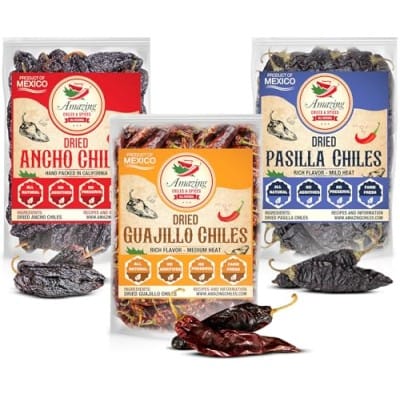
Dried Chile Peppers Variety Pack: Ancho, Guajillo, Pasilla (12 oz)
Guajillo (guaque) and pasilla (pasa) in one pack — both dried chiles kak'ik recado needs.
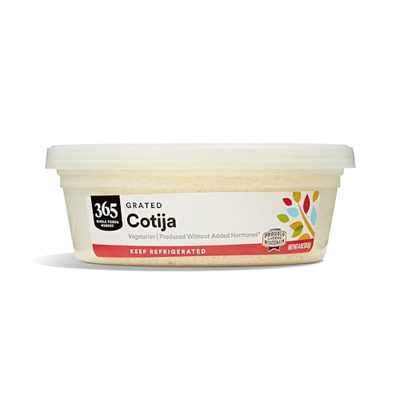
365 by Whole Foods Market Cotija Cheese, 4 OZ
The dry, salty crumbling cheese these dishes finish with, standing in for Central American queso duro.