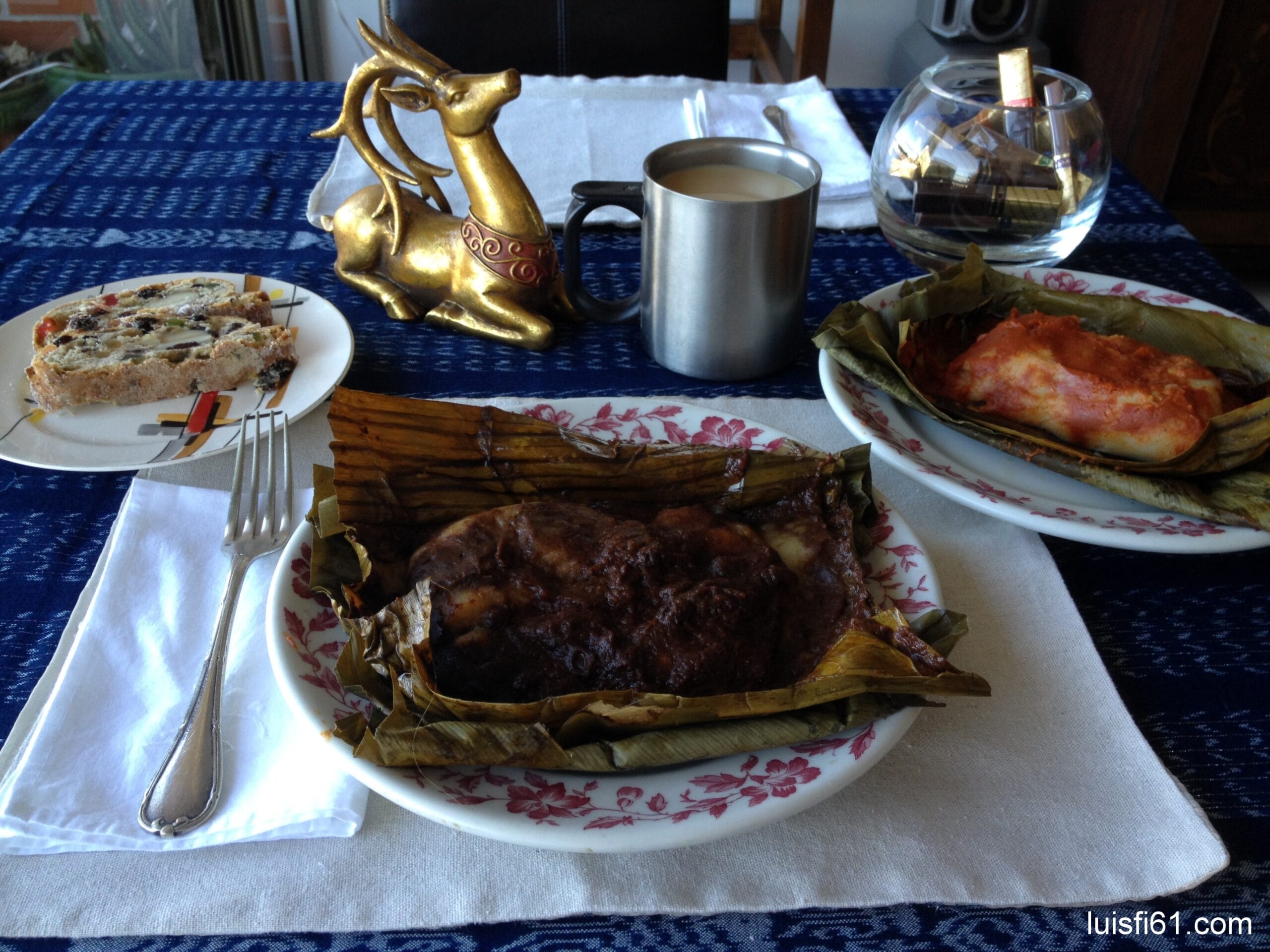
Tamales negros are Guatemalan Christmas tamales built on corn masa worked with a dark, slightly sweet chocolate mole called recado negro. They are filled with pork or chicken, prune, raisin, and almond, then wrapped in banana leaf and steamed. The sweet chocolate masa is what sets them apart from red tamales colorados.
The first time you smell a recado negro coming together on the stove, you do not expect chocolate. You expect chile and tomato and the deep toasted smell of pepitoria. Then the chocolate goes in, and the whole kitchen turns into something else. In Guatemala this happens in December, in kitchens where someone has been wrapping banana leaves since early morning, where dozens of tamales negros are tied and stacked before the steamer is even full. This is Nochebuena food. It is the tamal people wait all year to eat, and once you have made the recado yourself, you understand why nobody rushes it.
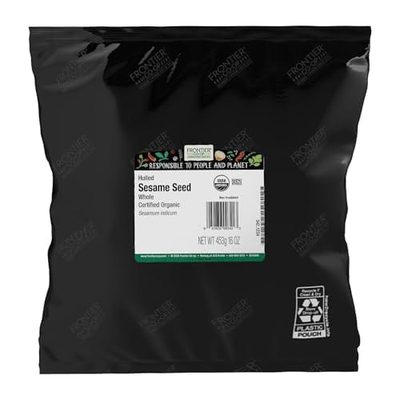
Wangla, Belize's sesame seed candy, needs raw sesame toasted fresh and bound with cane sugar. Whole hulled seed toasts evenly without the burnt edges of pre-toasted product.
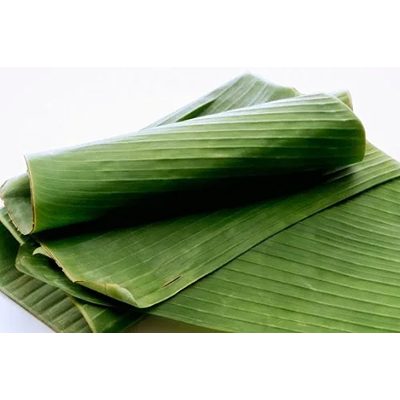
Frozen banana leaves for tamales, mukbil pollo, pibil, conkies, dukunu, and the Garifuna wrappers on hudut and bundiga — pass over a flame to make them pliable before wrapping; far easier than chasing fresh leaves outside the tropics.
Ingredients
This recipe makes 16 tamales. Stage your three components before you start wrapping: the masa, the recado negro, and the filling.
The masa (dough):
- 1¾ lb (about 800 g) masa harina, or fresh nixtamal masa if you can get it
- 8 cups water or unsalted broth
- 8 tablespoons lard or shortening (manteca)
- 4 tablespoons sugar
- 1 teaspoon salt
The recado negro (black mole):
- 3 oz Guatemalan tablet chocolate or Mexican Ibarra-style chocolate (sweet, cinnamon-spiced drinking chocolate; not a 70% dark bar — the sweetness is load-bearing here), roughly chopped
- 2 dried pasa (pasilla) chiles, stemmed and seeded
- 1 dried guaque chile, stemmed and seeded (guajillo is the closest substitute)
- 3 ripe tomatoes
- 3 tablespoons pumpkin seeds (pepitoria), toasted
- 3 tablespoons sesame seeds, toasted
- 6 tablespoons toasted breadcrumbs, or 1 slice toasted bread (this is the thickener)
- 1 teaspoon ground cinnamon
- ½ cup water
- Salt to taste
The filling and garnish (inside each tamal):
- 1½ lb boneless pork or chicken, cut into 16 pieces
- 16 small pitted prunes
- 32 raisins
- 16 almond halves (traditional garnish; use them if you have them)
- 4 strips bacon, each cut into 4 pieces (one small strip per tamal)
- Red bell pepper, cut into thin strips (1 strip per tamal)
- 16 banana leaves, cut to roughly 12 by 12 inches
- Kitchen string or raffia
A note on the chocolate: Guatemalan tablet chocolate (like Ibarra or a local artisanal tablet) runs sweeter and more cinnamon-forward than a European bittersweet bar. That sweetness is part of what makes the recado negro taste like the recado negro. If you can only find a dark bittersweet bar, add an extra tablespoon of sugar to compensate.
Instructions
- Stem and seed the pasa and guaque chiles, then soak them in hot water until soft, about 15 minutes.
- Toast the pumpkin seeds, sesame seeds, and breadcrumbs separately in a dry pan until fragrant. Toast them, do not burn them. Burnt seeds turn the recado bitter, and bitter is the one thing this sauce should never be.
- Drain the chiles. Blend them with the tomatoes, toasted seeds, breadcrumbs, cinnamon, and ½ cup water until completely smooth.
- Melt the chocolate and stir it into the blended recado. Season with salt. Taste it. It should read sweet and spiced first, with the chile coming in gently behind. This is your recado negro.
- Simmer the raw meat pieces in about a third of the recado, covered, over medium heat for about 20 minutes, until cooked through. Reserve the rest of the recado for assembly. If you are using chicken, you can leave it in pieces or shred it. Set the meat and its sauce aside.
- Make the masa. Combine the masa harina, water or broth, lard, sugar, and salt in a heavy pot. Cook over low heat for about 30 minutes, stirring constantly, until it is thick, smooth, and glossy. Constantly means constantly. Walk away and it scorches on the bottom.
- Prepare the banana leaves. Pass each one over an open flame for a few seconds per side until it turns olive green and goes pliable, then wipe it clean. (Corn husks work if you cannot find banana leaf, but the flavor is not the same.)
- Assemble. Spread a rectangle of masa about 4 by 5 inches onto each leaf. Top with 2 tablespoons of recado, a piece of meat, a prune, two raisins, an almond half, a bacon strip, and a strip of bell pepper.
- Fold the leaf edges in toward the center into a sealed packet, then tie it with string. Tie it snug so the masa does not escape while it steams.
- Steam the tamales upright in a covered pot for at least 1 hour, or up to 75 minutes if your masa was on the wet side. Keep hot water in the bottom of the pot so it never runs dry.
- Let them rest 10 minutes before you unwrap. The masa firms as it cools, and a tamal you open too soon will look like it failed when it did not.
What Makes Guatemalan Tamales Negros Different from the Red Tamal Colorado?
The difference lives in the recado. Tamales negros carry a dark, sweet chocolate mole built from chocolate, pasa and guaque chiles, tomato, pepitoria, and cinnamon, with prunes, raisins, almond, and bacon folded into the filling. The red tamal colorado uses a recado built on achiote, tomato, and miltomate, with no chocolate at all. It stays savory. The colorado’s garnish inside is olive and roasted red pepper; the negro’s is prune and almond. So at the Christmas table the two tamales sit side by side, and together they are the whole point of a Guatemalan Nochebuena.
The negro and colorado are two of four, and if you want the full map our guide to how the four Guatemalan tamales differ sets the chuchito and pache beside them.
Tamales negros are the tamal people wait all year to eat, and once you have made the recado yourself, you understand why nobody rushes it.
Tamales negros belong to Christmas in Guatemala, and to Christmas only. Families make them for Nochebuena, and the batch gets stretched through the holiday by steaming from frozen. They wrap dozens at a time to give to relatives and neighbors. The chocolate and dried fruit make them the more festive of the two tamales, the special-occasion one. Guatemala has plenty of everyday tamales too, like the smaller chuchitos sold from street carts, but the negro is reserved for the table that matters most. If you want to see where it sits in the broader Guatemalan holiday table, the rest of the country’s cooking runs deep.
It is worth being honest about where this comes from, because the truth is more interesting than any flag. Tamales are Mesoamerican, older than any border drawn on a map. Corn masa steamed in a leaf wrapper goes back to the pre-Columbian Maya world that masa and cacao both come from. The tamal negro as Guatemalans make it now is a fusion: indigenous chocolate, chiles, and masa met the raisins, almonds, and prunes the Spanish brought after the sixteenth century. Belize, the Yucatan, and Guatemala all share this tamal DNA. But this particular tamal, with its sweet black mole and its strict Christmas season, is Guatemala’s.
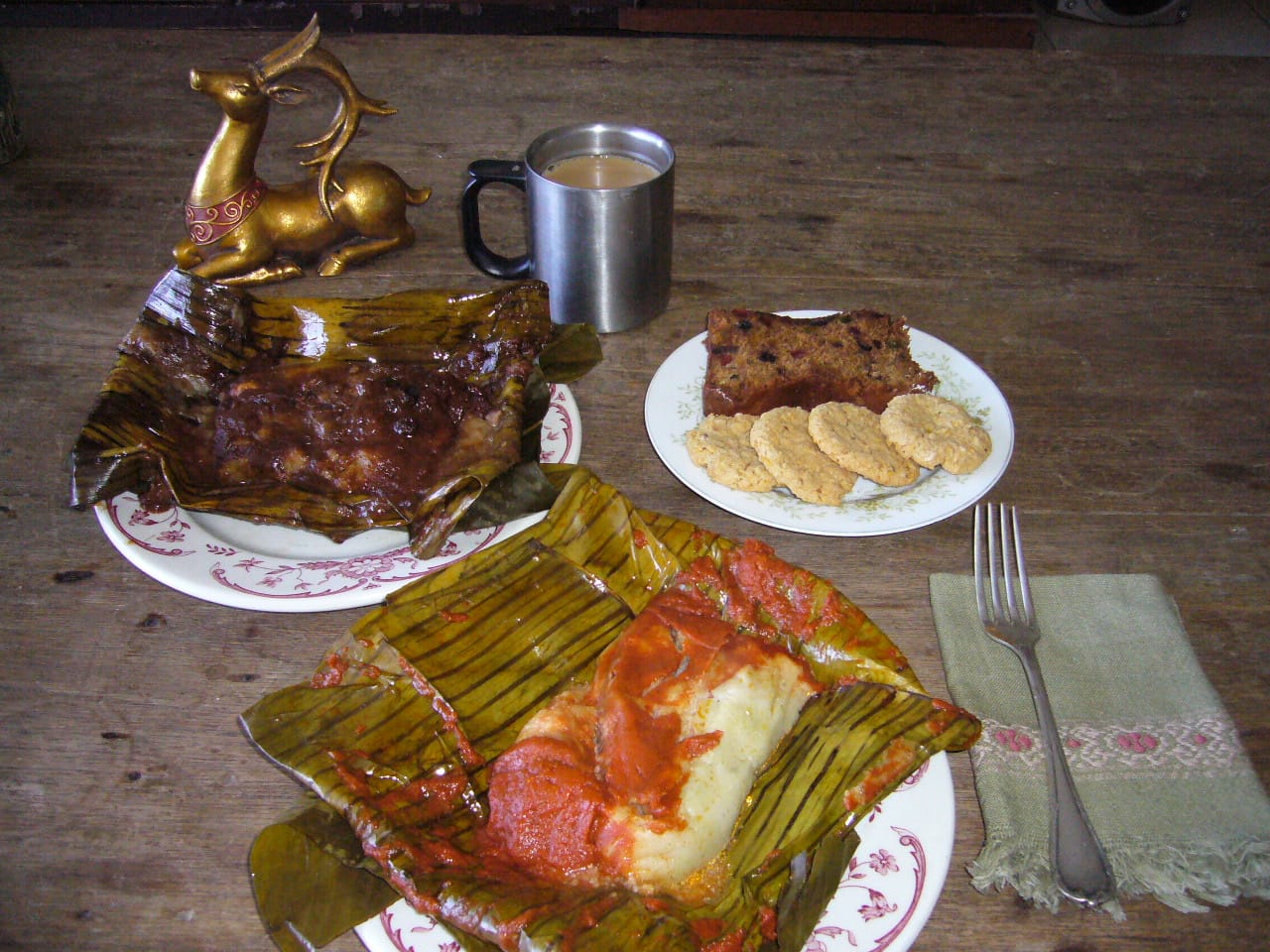
Tips for Getting the Recado Negro Right
- Taste for balance before anything else. The recado should be sweet and spiced first, picante second. If it comes out bitter, you either used too much chile or you under-toasted the seeds. Fix it with a little more chocolate or sugar, not water. Water just thins the flavor without solving the problem.
- The banana leaf is flavor, not just a wrapper. It perfumes the masa as it steams, and that is part of what makes a tamal negro taste like a tamal negro. Corn husks will hold the masa together in a pinch, but you lose that. Flame the leaf until it goes olive and soft, or it will crack the moment you fold it.
- These freeze beautifully. Assemble the tamales raw and freeze them for up to 5 or 6 months. Steam them straight from frozen, adding 15 to 20 minutes to the time. Already-cooked tamales reheat by steaming as well, which is exactly how families stretch a Nochebuena batch through the holiday season.
Frequently Asked Questions
What are tamales negros?
Tamales negros are Guatemalan Christmas tamales made with corn masa and a dark, sweet chocolate mole called recado negro. They are filled with pork or chicken along with prune, raisin, almond, and a strip of bacon, wrapped in banana leaf, and steamed. The chocolate gives them a sweet-savory flavor and the deep color that gives them their name. They are made for Christmas and for Christmas only.
What is the difference between tamales negros and tamales colorados?
The recado is the difference. Tamales negros use a dark chocolate mole with pasa and guaque chiles, tomato, pepitoria, cinnamon, and dried fruit, which makes them sweet-savory. Tamales colorados use a red recado built on achiote and tomato with no chocolate, so they stay savory. The garnish inside also differs: prune and almond in the negro; olive and roasted red pepper in the colorado. Both are wrapped in banana leaf and eaten together at Christmas in Guatemala, the negro strictly seasonal, the colorado available every Saturday year-round.
Why is there chocolate in tamales negros?
The chocolate is what makes the recado negro dark and gives the tamal its sweet-savory flavor. It is not a dessert tamal, though. The chocolate works the way it does in a savory mole, balancing the chiles, tomato, and toasted seeds rather than turning the whole thing sweet. Cacao is native to the region, so chocolate in a savory sauce is an old idea here, not a modern one.
Can you freeze tamales negros?
Yes. The easiest way is to assemble the tamales raw, then freeze them for up to 5 or 6 months. Steam them straight from the freezer when you want them, adding 15 to 20 minutes to the steaming time. You can also freeze cooked tamales and reheat them by steaming, which is how many families keep eating them through the holiday season.
What can I use instead of banana leaves for tamales negros?
Corn husks are the usual substitute, and they will hold the masa together. Just know that you lose the banana leaf’s flavor, which perfumes the masa as it steams and is part of what makes a Guatemalan tamal taste the way it does. If you can find frozen banana leaves at a Latin or Asian grocery, use them. They freeze and thaw well.
How long do you steam tamales negros?
Steam tamales negros for at least 1 hour, and up to about 75 minutes if your masa was on the wet side. Keep hot water in the bottom of the pot the whole time so it never boils dry. They are done when the masa has set and pulls cleanly away from the leaf. Let them rest 10 minutes before unwrapping so the masa can firm up.
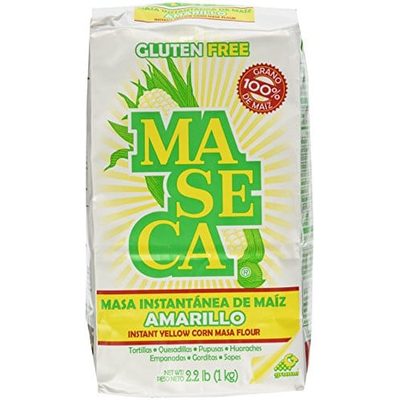
Maseca brand yellow corn masa harina, pre-ground and treated for immediate use in dough for tortillas, tamales, and other corn dough applications.