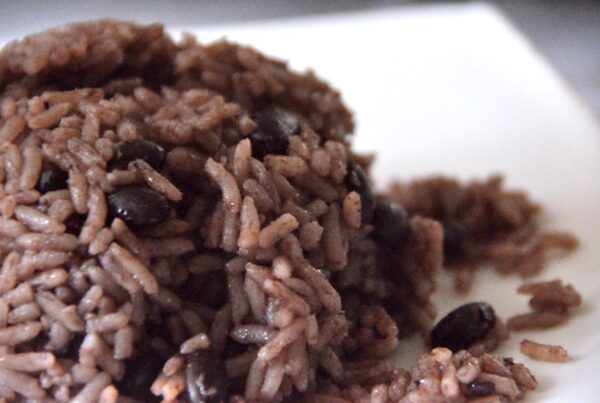
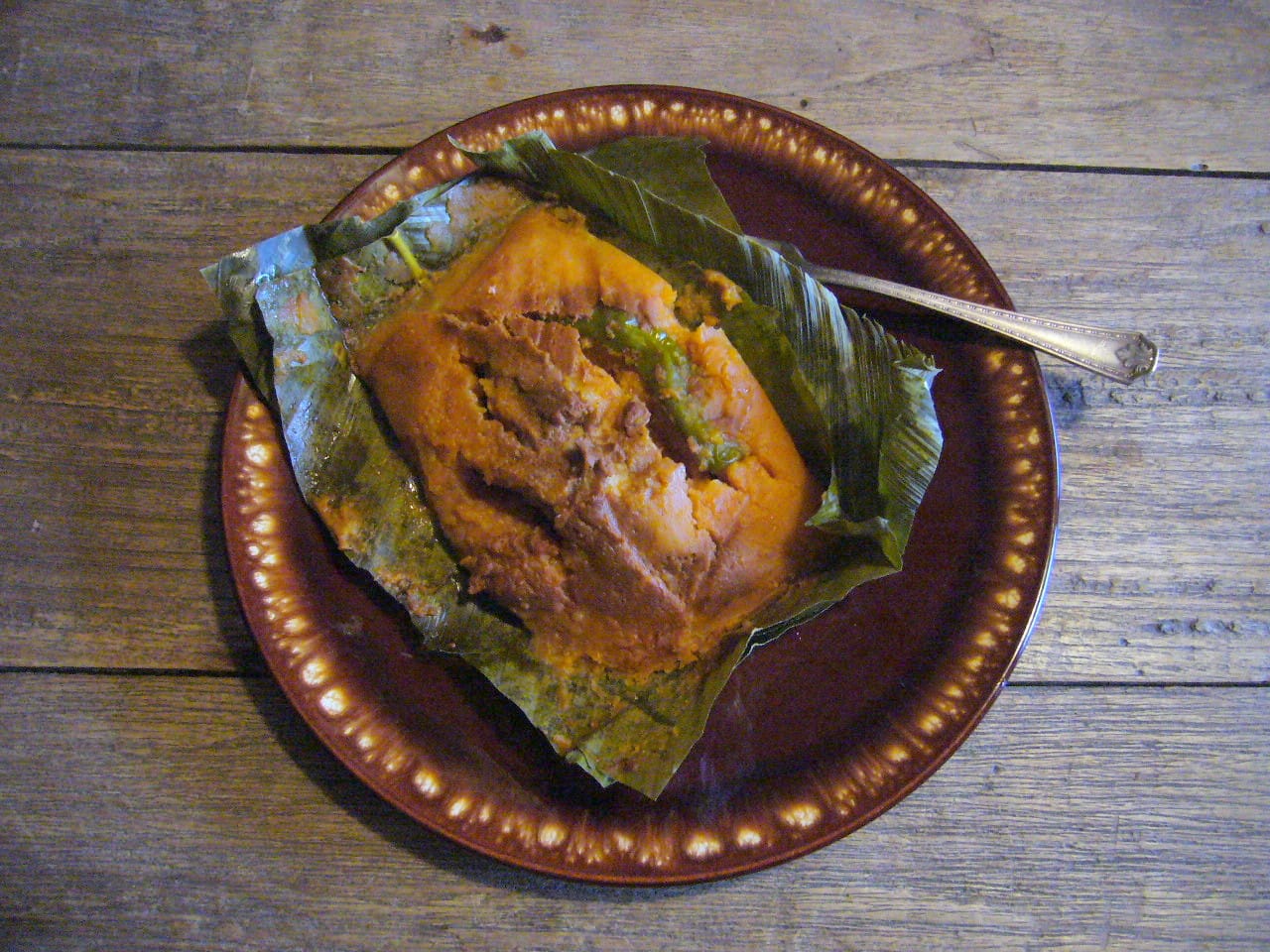
Guatemalan paches are tamales whose masa is mashed potato instead of corn, blended with a red recado of tomato, dried guaque and pasa chiles, and achiote. They are filled with pork or chicken, bell pepper, and olive, wrapped in banana leaf, and steamed. Quetzaltenango invented them; Guatemalans eat them on Thursdays.
Ingredients
The masa is the part that surprises people. There is no corn in it. You boil potatoes, mash them hot, and bind them with a little corn flour or breadcrumb so they hold their shape in the steam. Give the dried chiles their Guatemalan names first; the substitutes in parentheses are what you reach for at a US grocery store when the real thing is not on the shelf.
Regency Wraps Butchers Cooking Twine, Natural Cotton
Food-safe natural cotton twine for trussing whole birds and tying roasts, holding a stewed chicken or holiday turkey together through long cooking.
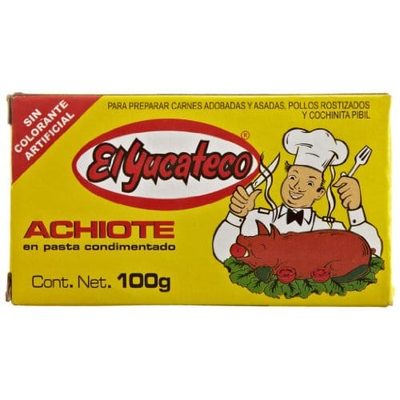
Cochinita pibil, poc chuc, and escabeche all start with red recado. A prepared achiote paste dissolves into sour orange in minutes instead of the hour it takes to grind annatto, oregano, and clove from seed.
Potato masa
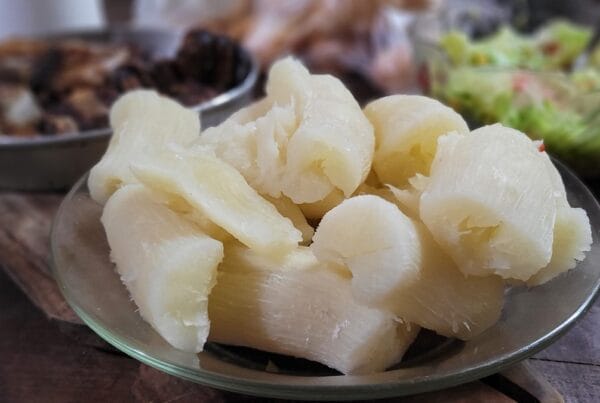
- 3 lb (1.4 kg) russet potatoes, peeled and cubed (use starchy potatoes, since waxy ones will not bind and turn gummy)
- 1/2 cup masa harina (corn flour), the capital-style binder; in Xela, cooks use 1 cup fine breadcrumbs from pan francés instead
- 1/4 lb (115 g) pork lard (manteca), softened
- 1/2 cup vegetable oil
- 1 1/2 tsp salt, plus more to taste
- 3/4 cup warm water, as needed to loosen the masa
Recado (red sauce)
- 1 lb (450 g) ripe tomatoes
- 1/4 lb (115 g) miltomate (tomatillos), husked; optional, for tang
- 4 chiles guaque (dried; guajillo is the closest substitute), stemmed and seeded
- 2 chiles pasa (dried; pasilla is the closest substitute), stemmed and seeded
- 1 small white onion, quartered
- 3 garlic cloves
- 2 Tbsp pepitoria (raw hulled pumpkin seeds, pepitas), toasted
- 1 Tbsp sesame seeds (ajonjolí), toasted
- 1 Tbsp achiote paste (annatto)
- 4 whole allspice berries (pimienta gorda)
- 2 whole cloves
- 1/4 tsp black pepper
- 1 tsp salt
- 1 cup chicken or pork broth
Filling and wrapping
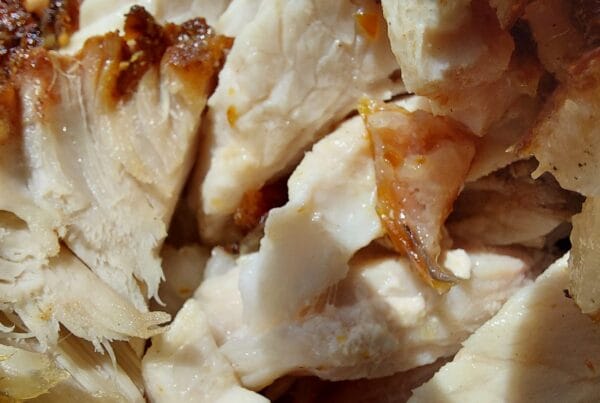
- 1 1/2 lb (680 g) pork shoulder, cut into 12 chunks (or 1 1/2 lb bone-in chicken thighs)
- 1 red bell pepper (chile pimiento), cut into 12 strips
- 12 pitted green olives
- 12 prunes (optional; a Xela variation, not universal)
- 12 banana leaf squares (about 10 x 12 in), softened over a flame
- Kitchen twine, or cibaque (dried maguey fiber), to tie
Instructions
- Soften the banana leaves. Pass each square over an open flame or warm it in a dry skillet until it turns pliable and the green deepens. Wipe each one clean and set it aside.
- Boil the pork (or chicken) in salted water until just tender, about 30 minutes. Reserve the broth for the recado. Keep each chunk whole.
- Boil the potatoes in salted water until fork-tender, 15 to 20 minutes. Drain them well and mash while hot until smooth. No lumps.
- Toast the dried guaque and pasa chiles in a dry pan for 30 seconds, until fragrant, then soak them in hot water for 15 minutes to soften.
- Char the tomatoes, tomatillos, onion, and garlic in a dry skillet until blistered.
- Blend the soaked chiles, charred vegetables, toasted pepitoria and sesame, achiote, allspice, cloves, black pepper, and salt with 1 cup broth until completely smooth. Strain it for a silky recado.
- Simmer the recado in 1 Tbsp of the lard for 10 minutes, until it darkens and thickens. Taste and adjust the salt. Divide it: keep about half for the masa, half for topping the filling.
- Make the masa. Beat the softened lard and oil into the hot mashed potato. Work in the masa harina, salt, and half the recado until the masa is smooth, reddish, and spreadable. Add warm water only if it stiffens.
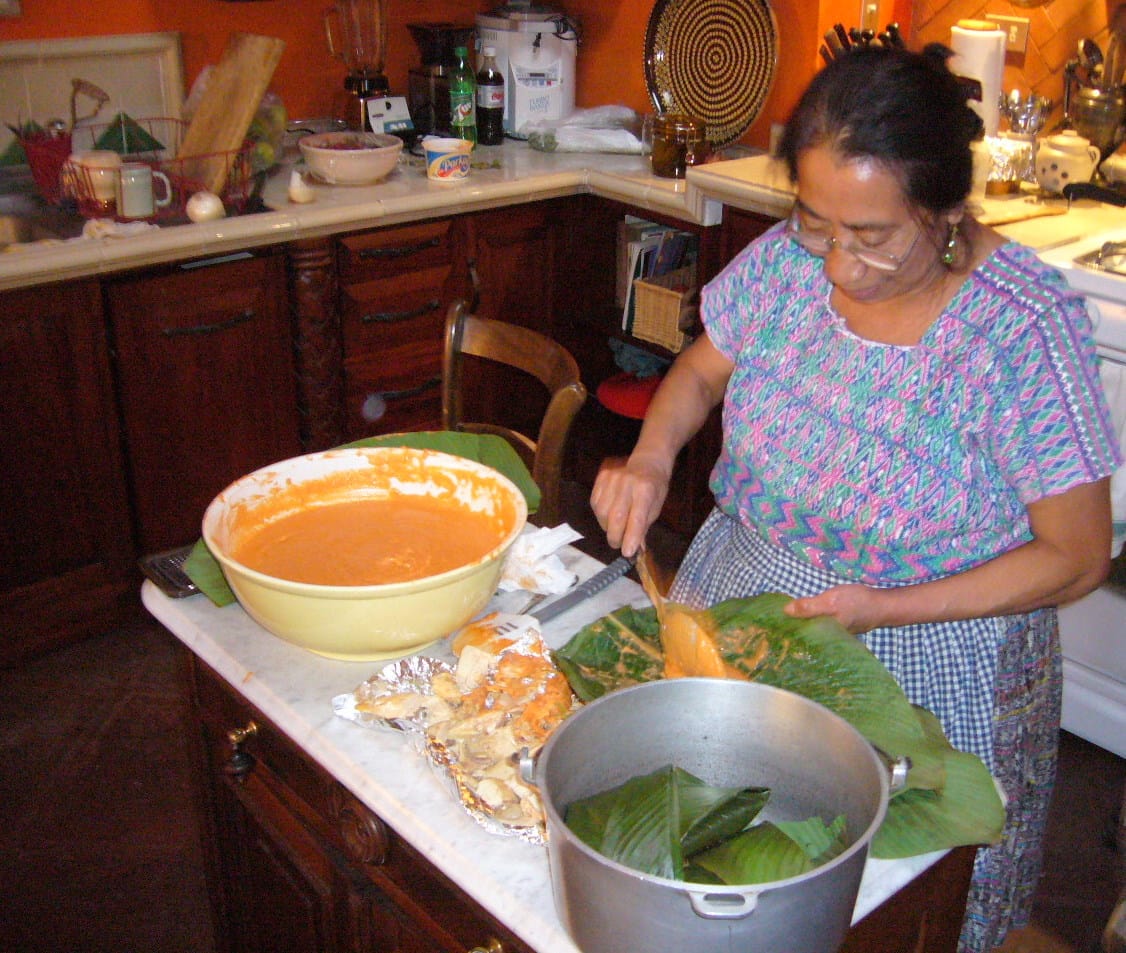
- Lay a banana leaf shiny-side up. Spread about 1/2 cup of masa into a rectangle in the center.
- Press a piece of pork into the masa. Add a strip of bell pepper, an olive, and a prune if you are using one. Spoon a little reserved recado over the filling.
- Fold the leaf over the masa to enclose it, fold the ends in to seal the packet, and tie it with twine or cibaque. Repeat for all 12.
- Stand or stack the paches in a steamer over simmering water, keeping the water below them. Cover and steam for 1 hour, until the masa pulls cleanly from the leaf and holds its shape.
- Rest them 10 minutes before unwrapping. Serve hot, in the leaf.
Why Quetzaltenango Made Paches from Potatoes Instead of Corn
The whole dish turns on one decision: use the potato, not the corn. Paches come from Quetzaltenango, the city most people in Guatemala call Xela, up in the western highlands. The altitude there is cool and the land grows potatoes the way the lowlands grow maize. So the cooks of Xela did the practical thing. They swapped the local tuber for corn masa, and in doing that they made a tamal that exists nowhere else in quite the same form.
The whole dish turns on one decision: use the potato, not the corn.
That swap is the entire identity of the dish. It also changes how the recado works. In tamales colorados, the red sauce sits in the center of a corn masa as a pocket of flavor. In paches, the recado is beaten into the potato itself, which is why the masa comes out reddish, and then a little more goes over the filling. The color runs all the way through.
There is a rhythm to when Guatemalans eat them, too. Thursday is the day. Jueves de paches is a real, living weekly habit, the way some places treat Friday as fish day. Street vendors set up, home cooks plan for it, and the smell of steaming banana leaf moves through neighborhoods on a Thursday afternoon. It is not a festival dish saved for one day a year. It is a Thursday.
Two regional styles coexist, and both are correct. Paches de Xela bind the potato with breadcrumbs from pan francés, the local white bread. Paches de la capital, the Guatemala City version, reach for corn flour instead. If you grew up with one, the other looks slightly wrong, but neither is. This is a ladino Guatemalan dish, a mestizo creation of the highland cities, and it belongs to Quetzaltenango and to Guatemala broadly rather than to any single community.
If you want the wider picture of how this fits the country’s table, our Guatemalan food guide lays out the tamal family and the street food alongside it. The closest cousin on that table is the corn-masa tamales colorados, eaten on Saturdays, which is the dish people most often hold up next to paches when they ask what the difference is. The smaller, fist-sized chuchitos are corn-masa as well. For a side-by-side breakdown, see how the four Guatemalan tamales differ.
How to Get the Masa and the Steam Right
Use starchy russet potatoes and nothing waxy. Waxy potatoes turn gummy under the steam and will not hold their shape when you unwrap the packet. Mash them while they are still hot, because cold potato fights you and leaves lumps that never smooth out.
Mash them while they are still hot, because cold potato fights you and leaves lumps that never smooth out.
Guaque and pasa are the Guatemalan names for the two dried chiles that build the recado. If you cannot find them, use guajillo for guaque and pasilla for pasa. The color and the depth come from those two chiles working together with the achiote, so do not flatten them down to a spoon of chili powder and expect the same result.
For a chicken version, swap the pork shoulder for bone-in chicken thighs and leave everything else exactly as it is. The recado does not change.
Look for frozen banana leaves in the freezer case at a Latin grocery; they thaw in minutes and soften over the flame just like fresh. If you want the Xela breadcrumb style but cannot find pan francés, very fine dry breadcrumbs stand in well for the corn flour.
Watch the steam over the full hour. Keep the water below the paches and check that the pot does not run dry, because a steamer that boils dry will scorch the leaves and stall the cooking. You will know the paches are done when the masa separates cleanly from the banana leaf rather than sticking to it.
These keep well, which is the other reason cooks make a big batch on a Thursday. Refrigerate them up to 4 days, or freeze them, wrapped individually, up to 6 months. Re-steam to reheat. The microwave will dry the masa out.
Frequently Asked Questions
What are paches?
Paches are Guatemalan tamales made with mashed potato instead of corn masa. The potato is blended with a red recado of tomato, dried guaque and pasa chiles, and achiote, then filled with pork or chicken, a strip of bell pepper, and an olive. Each one is wrapped in banana leaf and steamed. They come from Quetzaltenango in the western highlands.
What is the difference between paches and tamales?
The masa. A standard Guatemalan tamal like tamales colorados uses corn masa with the red recado pocketed in the center. Paches use mashed potato as the masa, and the recado is blended into the potato itself so the color runs all the way through. Paches are also a Thursday dish, while tamales colorados are Saturday food.
Why do Guatemalans eat paches on Thursdays?
Jueves de paches, or paches Thursday, is a weekly habit across Guatemala, the way some places treat a particular day as the day for a particular food. Street vendors and home cooks make them on Thursdays specifically. It is a living weekly rhythm rather than a holiday or festival dish, and Guatemalans plan their Thursday around it.
Can you make paches with chicken instead of pork?
Yes. Swap the pork shoulder for bone-in chicken thighs, cut so each pache gets a piece, and leave the rest of the recipe unchanged. The potato masa, the recado, the wrapping, and the steaming time all stay the same. Chicken paches are common and considered just as traditional as the pork version.
What can I use instead of guaque and pasa chiles?
Use guajillo dried chiles in place of guaque, and pasilla in place of pasa. These are the closest widely available substitutes and give you the same kind of color and depth. The recado leans on those two chiles plus achiote paste for its red color, so keep all three rather than reaching for a generic chili powder.
How long do paches keep, and can you freeze them?
Paches keep in the refrigerator for up to 4 days. To store them longer, wrap each one individually and freeze for up to 6 months. Reheat by re-steaming until hot all the way through, which protects the potato masa. Avoid the microwave, since it dries the masa and toughens the texture that the steam created.
More Guatemalan Recipes
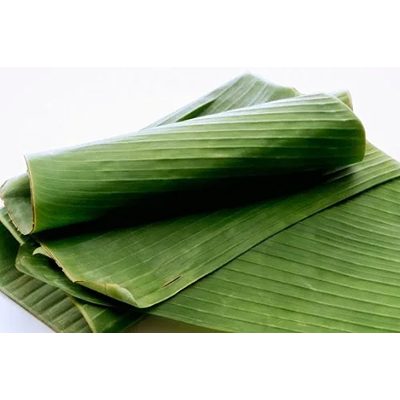
Frozen banana leaves for tamales, mukbil pollo, pibil, conkies, dukunu, and the Garifuna wrappers on hudut and bundiga — pass over a flame to make them pliable before wrapping; far easier than chasing fresh leaves outside the tropics.
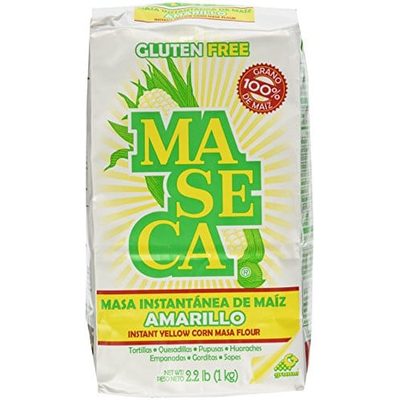
Maseca brand yellow corn masa harina, pre-ground and treated for immediate use in dough for tortillas, tamales, and other corn dough applications.