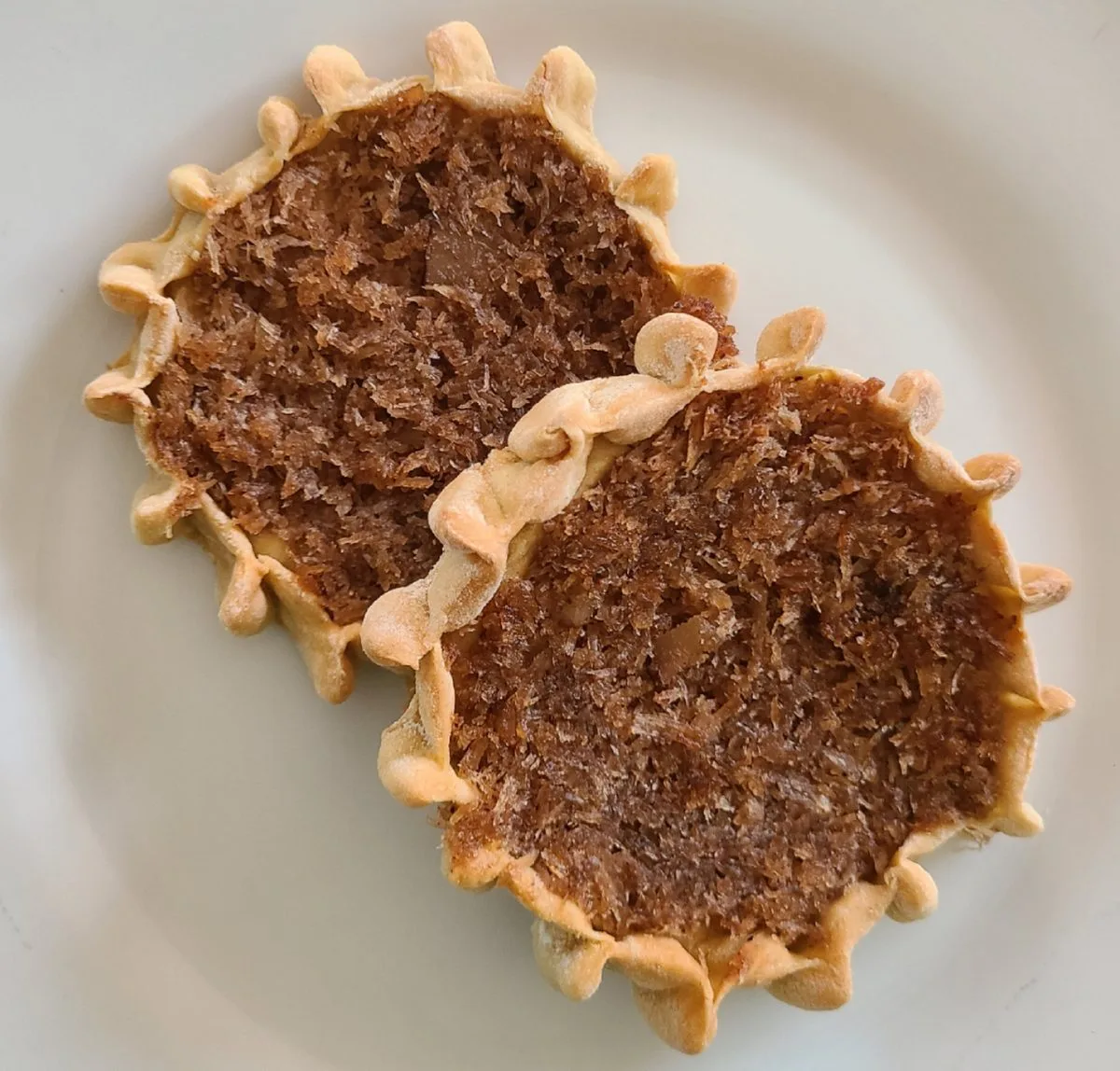
Gizzada is an open coconut tart with a pinched pastry wall, filled with freshly grated coconut cooked down in dark brown sugar and spice. Jamaicans also call it pinch mi side, after the pinching that builds the rim. The filling should stay juicy and the crust should snap.
Ingredients
Amounts here make 12 gizzadas. The coconut has to be fresh, and that is the one part of this recipe with no workaround.
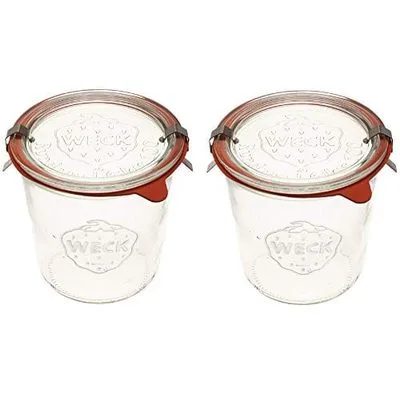
WECK Canning Jars 742 Mold Jars, 1/2 Liter Tall Jar Set (2 Jars)
Spice pastes, ground spices and toasted seeds all keep longer in glass with a silicone seal than in plastic. Tall gasket-sealed glass jars are the editorial pick for paste and spice storage.
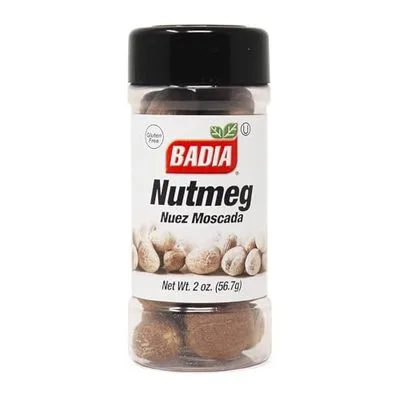
Whole seeds you grate fresh; the recipes that call for grated nutmeg mean this, not the pre-ground jar.
The coconut filling
- 2 cups (170 g) freshly grated dry coconut, from one medium coconut.
- 1 cup (200 g) brown sugar, the darker the better.
- 1 tsp freshly grated nutmeg.
- 1 tsp cinnamon powder, or a stick simmered in.
- 1 tsp vanilla.
- 1 tbsp grated fresh ginger, contested, see below.
- A pinch of salt, optional and contested.
- 1/4 cup (60 ml) water.
The pastry
- 2 cups (250 g) all-purpose flour.
- 1/2 cup (110 g) shortening, butter, or margarine, cold.
- 1/2 tsp salt.
- 4 to 6 tbsp (60 to 90 ml) ice cold water.
Instructions
- Crack the coconut, remove the flesh, and grate it. Discard the dark brown end pieces: sugar cannot colour them and they spoil the texture.
- Combine the grated coconut with the brown sugar, nutmeg, cinnamon, vanilla, and the water, plus ginger and salt if you are using them.
- Simmer the mixture until the liquid evaporates and the flavours come together. It should finish juicy, not dry and not wet.
- Work the cold fat into the flour and salt until the mixture is crumbly, then add ice water a spoonful at a time until it forms a soft dough.
- Roll the dough thin and cut it into circles.
- Pinch the edge of each circle all the way around to raise a wall. This is the step the dish is named for, and the wall is what holds the filling.
- Fill the shells and bake until the pastry is cooked through and the filling is set. Rotate the tray halfway through so they brown evenly.
Fresh Coconut, and Throw Away the Brown Ends
Freshly grated dry coconut is the requirement. The cooks are blunt that coconut which is not fresh gives a dull, stagnant filling with no flavour behind it, and there is nothing later in the recipe that recovers it.
The small discipline that separates a good gizzada from a rough one is discarding the dark brown pieces at the ends of the grated flesh. The sugar cannot colour those parts, so they stay dark and hard in a filling that should be uniform.
Darker brown sugar gives the better result. One cook says so outright, and it makes sense: the sugar is doing the colouring as well as the sweetening, so a pale sugar gives you a pale, flat filling.
The Pinch That Names the Dish
Gizzada is an open tart, so the pastry has to hold the filling on its own. Pinching the edge of the rolled circle raises a wall around the rim, and that wall is both the decoration and the structure. One cook puts it plainly: this is why they call it pinch me around.
Roll the pastry thin. The target is a flaky shell with a snap to it, not a thick pie base, and thin pastry against a juicy filling is the contrast the whole thing is built on.
Rotate the tray halfway through baking. Open tarts brown unevenly in most home ovens, and a spin partway is the difference between a tray of twelve that match and a tray where four are dark.
Where the Cooks Split: Ginger, and Whether to Cook the Filling
Ginger divides them cleanly. Two of these cooks treat it as a primary ingredient. Another states flatly that their spicing does not include ginger, and the same cook leaves salt out of the filling as well. Both versions are Jamaican gizzada, and those choices change the dish more than quantities do.
The filling splits them too. One insists on a short simmer so the liquid cooks off and the flavours marry. Another skips the pot entirely, mixes the sugar and spices into the raw coconut, and puts the bowl in the refrigerator to firm up if the kitchen is warm before assembling.
Fat is the third split, and the least consequential: shortening or margarine, both used, both giving a workable pastry. Cold is what matters more than which.
Storage: Two Weeks, With No Preservative
Gizzada keeps unusually well. One cook, who supplied pharmacies and supermarkets with them for years, puts the shelf life at up to two weeks without any preservative, provided the filling is properly spiced with nutmeg.
Keep them in an airtight container at room temperature rather than the refrigerator, which softens the pastry and costs you the snap. They are a made-ahead sweet by nature, which is exactly why they travelled as a commercial product.
The filling can be made a day ahead on its own and kept covered in the refrigerator, which also makes assembly easier because a cold filling sits in the shell instead of running.
Tips and Variations
Grate a whole dry coconut rather than buying flakes if you can. One cook does use unsweetened coconut flakes, so it is not disqualifying, but every cook here who talks about flavour is talking about fresh.
Coconut and pastry is a combination the whole region reaches for, and Belize has its own. Our Belizean coconut crust puts sweet coconut into a folded pastry rather than an open pinched shell, and our cassava pone takes the same coconut, sugar, and nutmeg in a completely different direction, baked dense with grated cassava instead of wrapped in dough.
Frequently Asked Questions
What is gizzada?
A Jamaican open coconut tart with a pinched pastry wall, filled with freshly grated coconut cooked with dark brown sugar and spice. It is also called pinch mi side or pinch me around, after the pinching that forms the rim.
Can I use packaged coconut flakes?
One cook uses unsweetened flakes, so it works. But the others are emphatic that freshly grated dry coconut is what gives the filling its flavour, and coconut that is not fresh produces a dull result nothing later can fix.
Why discard the brown ends of the coconut?
Because the sugar cannot colour them. They stay dark and hard in a filling that should be even, so authentic cooks pick them out and throw them away.
Do I have to cook the filling first?
Cooks disagree. One simmers it so the liquid evaporates and the flavours combine. Another mixes it raw and chills it to firm up before assembly. Both are in use; the simmered version has the deeper flavour and the raw one is faster.
How long does gizzada keep?
Up to two weeks without preservatives if the filling is properly spiced with nutmeg, according to a cook who sold them commercially for years. Keep them airtight at room temperature, not in the refrigerator.
How many does this make?
Twelve, from 2 cups (170 g) of grated coconut and 2 cups (250 g) of flour. One medium dry coconut grates to about the right amount of filling.
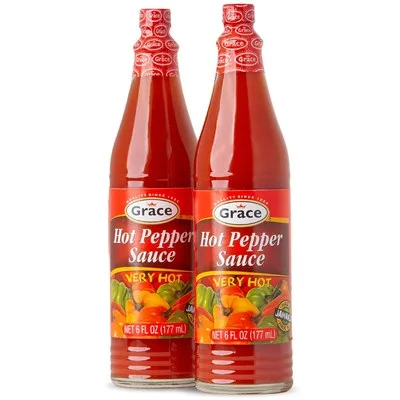
Scotch bonnet blended with West Indian red peppers: the everyday bottle that sits on a Jamaican table rather than a specialty sauce bought for one dish. The two-pack is the sensible buy for a household that cooks Jamaican food regularly.