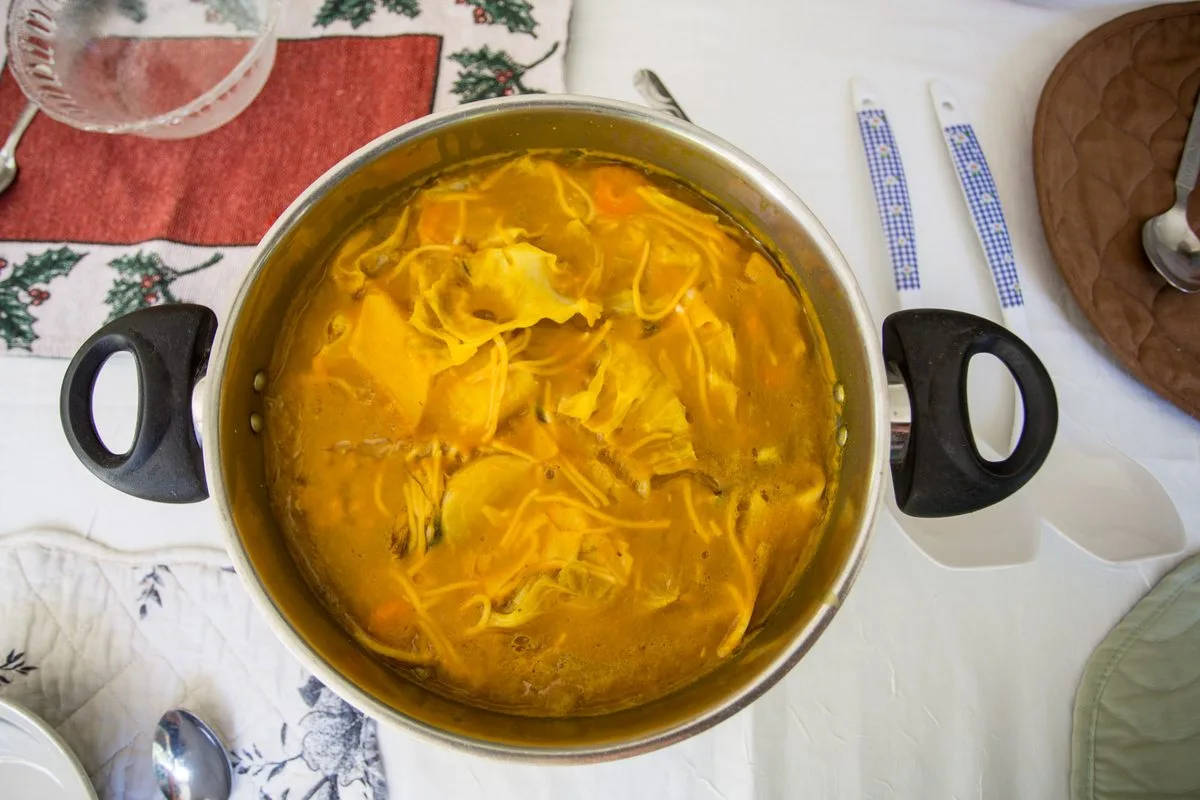
Soup joumou is a Haitian squash soup of pureed pumpkin or butternut, beef, root vegetables and pasta in a rich golden broth seasoned with epis. Haitians eat it every January 1st to mark Independence Day, and it stands as a national symbol of their freedom.
Ingredients
Soup joumou comes together in layers: a seasoned meat and broth base, a pureed squash body, and a set of hard vegetables and pasta that go in last. The list below gives traditional names first, with common alternatives in parentheses.
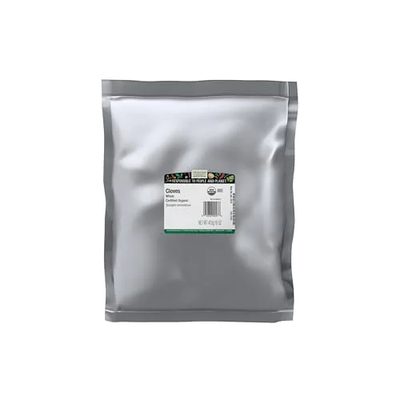
Frontier Co-op Whole Cloves, Organic, Hand Select, 16 oz
Spice pastes, dark stews and braised meats all call for whole cloves ground or simmered into the dish. Whole cloves keep their volatile oils far longer than ground.
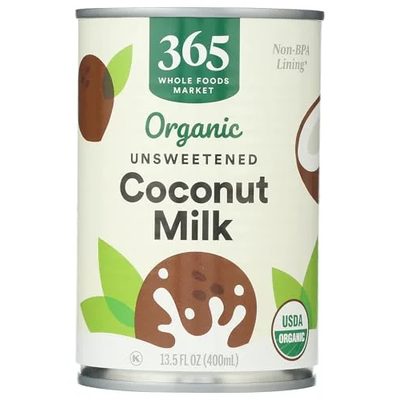
Full-fat coconut milk with nothing added - the choice for recipes where fat carries flavor and texture matters, from soups to baking.
For the meat and broth
- Beef, 3 to 4 lbs. (oxtail, beef neck bones, or turkey neck are traditional substitutes).
- Epis (Haitian green seasoning).
- Garlic.
- Onions.
- Scallions.
- Leeks.
- Shallots.
- Maggi or bouillon.
- Roma tomatoes.
- Thyme, parsley, and cilantro, tied into a bundle.
- Whole hot pepper, left uncut (for the clove-poked pepper technique).
- Cloves.
- Lime or sour orange, plus salt (for cleaning the meat).
For the squash
- Pumpkin (calabaza-style), or butternut or buttercup squash, peeled and cubed.
For the vegetables and starches, added toward the end
- Cabbage.
- Carrots.
- Purple-topped turnips.
- Celery.
- Yellow yam.
- Potatoes.
- Plantain.
- Pasta (rigatoni, macaroni, or spaghetti), broken if needed.
To finish
- Dandelion greens (lozèy), if you can find them.
- Black pepper.
- Olive oil.
- Butter.
- A final squeeze of lime.
A note on quantities: cooks make soup joumou to fill a large pot for a crowd. Beyond the beef weight, they vary the vegetables and pasta by the number of people and what is on hand. Use the beef weight as your anchor and scale the rest to your pot.
Instructions
- Clean the beef with lime or sour orange and salt, then season it with the epis.
- Cook the seasoned meat with the tomatoes, bouillon, the herb bundle, and the whole pepper studded with cloves. Let it cook until the meat is tender, about 30 to 45 minutes.
- Separately, boil the squash until it is soft, about 20 minutes.
- Puree the softened squash. A blender works fastest; if you do not have one, mash it by hand with the back of a spoon or the bottom of a ketchup bottle.
- Stir the squash puree into the pot with the meat and its broth. Add hot water, up to about 12 cups, until the soup reaches the thickness you want.
- Add the hard vegetables and starches: plantain, potato, celery, carrot, turnip, and yam.
- Add the cabbage and pasta, and boil for 10 to 15 minutes, until the pasta cooks through.
- Add a second clove-poked pepper if you want more heat, along with more herbs and salt to taste. Let the soup simmer for about 20 minutes.
- Finish with butter and a squeeze of lime just before serving.
Why Haitians Eat Soup Joumou Every January 1st
Haitians traditionally eat soup joumou on January 1st, Haitian Independence Day. On that date in 1804, Haiti won its liberation from French colonial rule, ending the slave revolution that put power in the hands of the formerly enslaved majority.
Before independence, the enslaved people toiling on the plantations could not eat the soup themselves. French colonists reserved it for their own tables. After independence, Haitians claimed soup joumou as their own and made it the dish that marks their freedom. That history gives the dish its weight: Haitians make it to start the new year and to honor a freedom they had to win.
It helps to be precise about what “traditional” means here. Haitians most associate soup joumou with January 1st, but that does not make it a once-a-year rule. Many Haitian cooks make and enjoy it well beyond the holiday. Call it a tradition, not an obligation. The rest of the year it sits beside the everyday Haitian table: griot with pikliz, legim on a Sunday, rice under both.
The Techniques That Make Soup Joumou Taste Right
A few techniques separate a soup joumou that tastes right from one that does not, and they show up across how experienced cooks make it.
The clove-poked pepper is one of them. Instead of cutting a hot pepper into the pot, where it can burst and overwhelm the soup, cooks stick whole cloves into a whole pepper and let it sit in the broth. The pepper infuses its heat slowly without breaking apart. Cooks use the same technique for the finishing pepper they add near the end of cooking.
Water choice matters too. When it is time to thin the soup, cooks reserve the water they boiled the squash in rather than reaching for plain tap water. They say plain water dulls the flavor the squash water carries. Cooks around the Caribbean basin work the same way with a one-pot meat-and-root simmer. Belizean boil up builds its broth from the cassava, plantain, and pig tail cooking in it for the same reason.
Timing matters for the pasta specifically: it goes in last, with about 10 to 15 minutes of cooking left, because pasta added earlier overcooks in a pot this size. The soup will also thicken as it sits, which is why cooks are careful not to over-puree the squash at the start. A little body left in the soup keeps it from becoming too thick once it rests.
Dandelion greens, or lozèy, are one of the details that mark a soup joumou as made the traditional way, along with cleaning the meat with sour orange rather than skipping that step. A butter finish at the end gives the soup its glossy top. Cooks who make their own epis, rather than reaching for a dry seasoning packet, say it makes a real difference.
Ways Cooks Vary Soup Joumou
Soup joumou has real variation within the tradition, not just personal taste. Some cooks build the broth from oxtail or beef neck bones instead of stew beef, for a deeper, richer stock. Turkey neck shows up as another alternative to beef entirely. Some add coconut milk for extra richness, a variation that shows up in Island Vibe Cooking’s version. Others brown the meat in a tomato-paste gravy before adding the rest of the broth ingredients, building another layer of color and flavor before the liquid goes in.
One practical trick: add frozen cooked squash to the fresh squash you are pureeing. It helps guarantee a deep, consistent orange, even if your fresh squash runs pale.
Frequently Asked Questions
What is soup joumou?
Soup joumou is a Haitian squash soup made with pureed pumpkin or butternut squash, beef, root vegetables, and pasta in a golden broth seasoned with epis, a Haitian green seasoning. Haitians traditionally eat it on January 1st, Haitian Independence Day.
Why do Haitians eat soup joumou on January 1st?
On January 1st, 1804, Haiti won its liberation from French colonial rule. Before then, the enslaved people toiling on the plantations could not eat it themselves, so Haitians now eat it freely on Independence Day to mark that freedom.
What kind of squash goes into soup joumou?
Cooks boil the pumpkin, or a substitute like butternut or buttercup squash, until soft, then puree it to form the body of the soup.
What meat is traditionally used in soup joumou?
Most cooks use beef, usually 3 to 4 lbs. Oxtail, beef neck bones, and turkey neck all work as traditional substitutes for different results.
Why do cooks poke cloves into a whole pepper for soup joumou?
Sticking cloves into a whole hot pepper lets the pepper infuse its heat into the broth slowly without bursting or overwhelming the soup, which is what tends to happen when you cut a pepper directly into the pot.
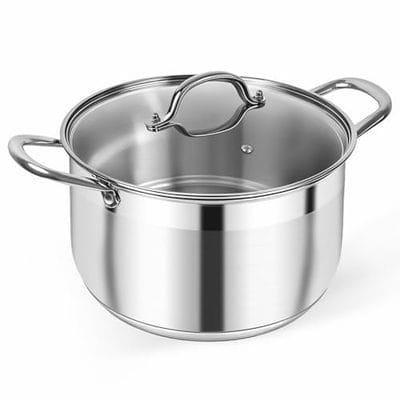
Kirecoo Stainless Steel Stock Pot – 8 Quart Heavy Duty Induction Cooking Pot with Visible Lid
Eight quarts is the floor for boil-up and cow-foot soup, the dishes that go in whole and cook in volume. Induction-ready, with a glass lid so you can watch the simmer without lifting it.
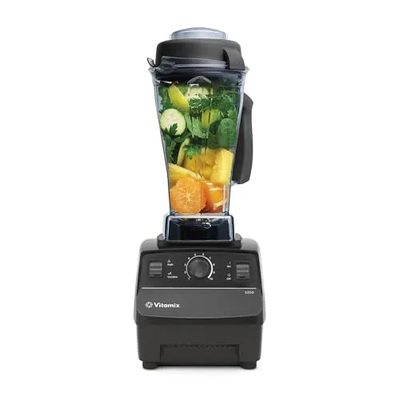
High-powered Vitamix 5200 blender - grinds, purees, and emulsifies at speeds standard home blenders don't reach.
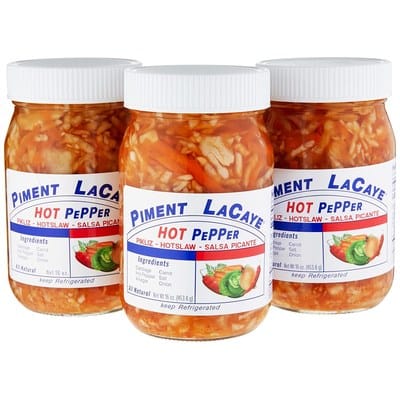
Pikliz is the coarse pickled slaw of cabbage, carrot and scotch bonnet that goes on the plate beside fried food, and griot without it is only half the dish. Packed in glass rather than plastic.