Mannish water is Jamaica’s goat head soup: head, feet and tripe boiled long enough to pull everything out of the bone, with yam, green banana and dumplings dropped in behind it. It is thin, not thick, and it is occasion food: wedding nights, wakes, and any gathering cooked outside over wood.
Ingredients
Amounts here serve eight, which is about the smallest pot worth making. This is a soup built for a yard full of people.
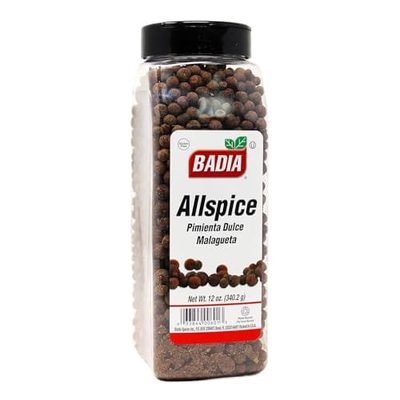
Whole allspice berries you grind fresh; the warm, complex spice flavor is strongest when ground right before use, unlike pre-ground powder.
The goat
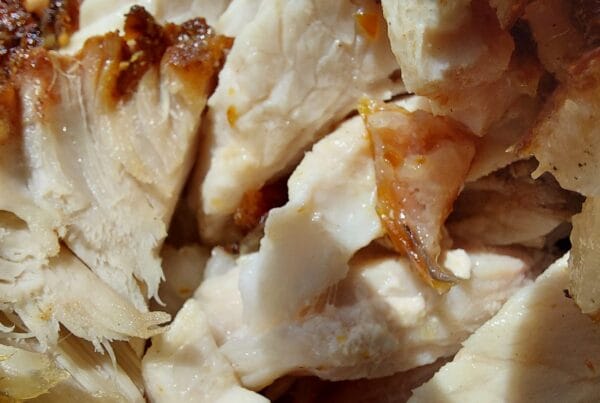
- 3 lb (1.4 kg) goat head pieces, goat feet, and tripe, roasted or burnt if you can get them that way.
- 1/4 cup (60 ml) vinegar and the juice of 2 lemons, for washing.
The provisions
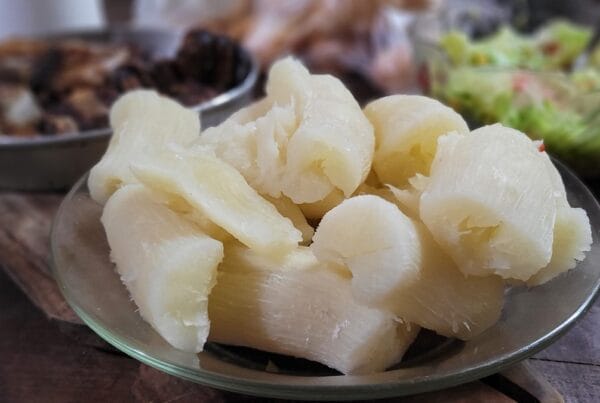
- 1 lb (450 g) yellow yam, peeled and cut.
- 8 oz (225 g) coco (malanga).
- 2 Irish potatoes and 1 sweet potato.
- 4 green bananas, skin on.
- 1 cho-cho (chayote) and 2 carrots.
- A small wedge of pumpkin, for colour.
Aromatics and seasoning
- 1 bunch scallions, the purple-rooted kind if you can find them.
- 4 sprigs fresh thyme.
- 6 garlic cloves and 1 onion.
- 1 tbsp pimento seeds (allspice berries).
- 1 in (2.5 cm) fresh ginger, optional.
- 1 whole Scotch bonnet pepper, green or ripe.
- 1 packet mannish water soup mix, optional.
- 1 tsp black pepper and seasoning salt to taste.
The dumplings
- 1 cup (125 g) all-purpose flour, 1/2 tsp salt, and about 1/3 cup (80 ml) water, for spinners and round dumplings.
Instructions
- Wash and clean the goat pieces with vinegar and lemon juice to cut the raw smell off. This is not negotiable in a Jamaican kitchen.
- Put the head and feet into boiling water with the garlic and pimento seeds, and let it go until the marrow gives up its flavour into the pot.
- Peel the yam, coco, and bananas while that boils, dropping them into a basin of water as you go so they do not darken.
- Boil the meat until it is genuinely soft and tender before any provisions go in. Add them early and they turn to mush.
- Add the provisions, the green bananas with their skin on, the pumpkin, and the carrots and cho-cho.
- Roll spinners and small round dumplings from the flour, salt and water, and drop them into the boiling soup.
- Finish with the scallion, thyme, and the Scotch bonnet. Leave it whole for a mild pot, or squeeze it if you want the heat right through the soup.
- Top up with boiling water only, never cold, so the pot never stops cooking.
It Is Supposed to Be Thin
The most common mistake is making it too thick. Mannish water is not a stew, and the cooks say so directly: it should be closer to water than to a heavy soup. The name is a clue.
That is why one cook strains the packet soup mix before it goes in, to pull out the noodles that would otherwise thicken the pot and spoil how it sits in the bowl. If you use a mix at all, that is worth copying.
The flavour is supposed to come from the bone, not the packet. A properly burnt goat head boiled long enough gives up marrow into the water, and cooks are pointed about the difference between soup built that way and soup built out of seasoning sachets.
Burnt Goat, Skin-On Banana, Whole Pepper
Three techniques carry this soup, and none is obvious. The first is choosing roasted or burnt goat pieces, because the char gives up more flavour into the pot than clean pieces do.
The second is putting green bananas in with the skin on, which the cooks say pulls a different flavour into the broth. It also keeps the banana from disintegrating over a long boil.
The third is the Scotch bonnet, and the cooks split on it. One warns that bursting the pepper leaves a soup nobody can eat. Others squeeze or burst theirs deliberately to push the heat through the pot. Whole is the safer default when you are feeding a crowd of unknown tolerance.
And the small one that matters over a three-hour cook: when the level drops, top it up with boiling water. Cold water stops the pot, and stopping the pot costs you time you have already spent.
Wedding Nights, Wakes, and a Whole Animal
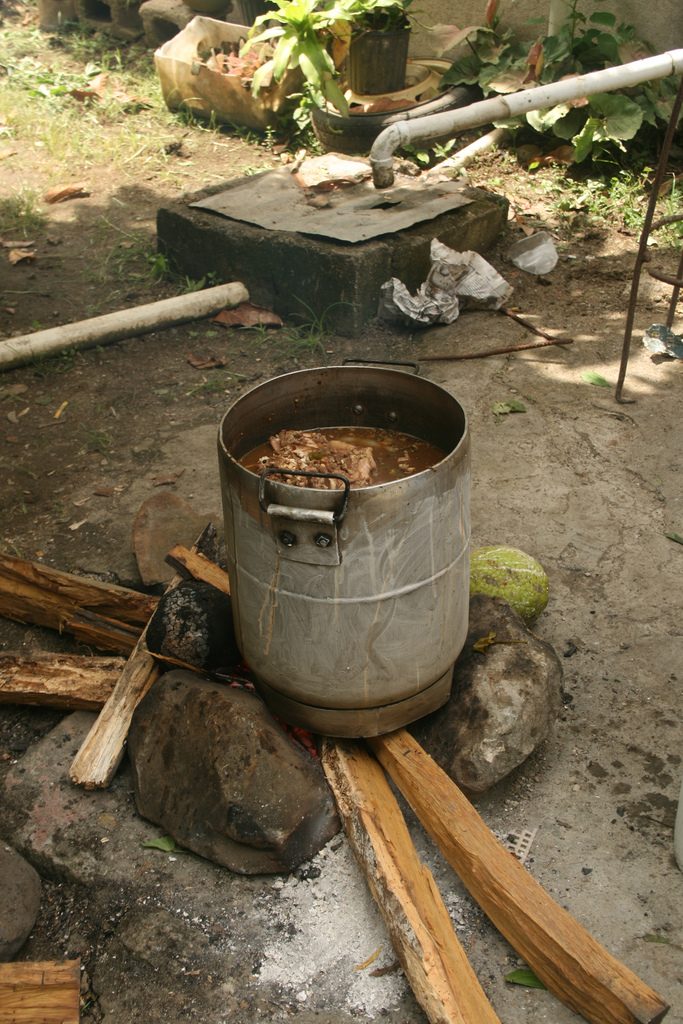
Mannish water is occasion food. The cooks describe it going on the night before a wedding and being cooked outdoors for a crowd, and reference descriptions put it in the same places: traditionally served to a groom on his wedding night, and popular at dead yard functions and large events (source).
It also carries a reputation. The soup is believed to be an aphrodisiac, which is where names like strongback come from, and that belief is part of why it appears the night before a wedding rather than at lunch on a Tuesday.
Underneath the occasion there is an ethic. The dish uses the head, the feet and the tripe so that none of the animal goes to waste, and it is cooked outside over a wood fire in a big pot. We hold the same principle in Belize with cow foot soup, and the provisions in the pot are the same ones that go into a boil up: yam, coco, green banana, cooked in the broth rather than beside it.
Storage and Make-Ahead
The goat can be washed, seasoned and boiled a day ahead, which is how a pot this size gets made for an event. Keep the broth and meat refrigerated, then bring it back to the boil and carry on from the provisions.
Finished soup keeps three days refrigerated. The provisions keep absorbing liquid as it sits, so it thickens in the fridge and needs loosening with boiling water when you reheat it, which is the opposite of what most soups want.
Add dumplings fresh if you are reheating a large batch. Spinners that have sat overnight in liquid go soft and lose the point of them.
Tips and Variations
Do not cheap out on the provisions. Cooks name that specifically as the difference between a real pot and a thin imitation: yellow yam, sweet potato and coco all belong in there, not just potatoes.
Pumpkin is for colour and goes in sparingly. Turnips appear in one cook’s pot and not the others, and ginger is split the same way. None of those decide whether the soup is right; the goat, the boil, and the thinness do.
Frequently Asked Questions
What is mannish water?
A Jamaican goat soup made from the head, feet and tripe, boiled with provisions like yam, coco and green banana and finished with dumplings. It is also called goat head soup or strongback, and it is served thin.
Why is my mannish water too thick?
Usually the packet soup mix, which carries noodles. One cook strains them out before adding it for exactly this reason. Authentic mannish water is thin, closer to water than to a stew.
Why use burnt or roasted goat?
Because char gives more flavour to the pot. Cooks choose roasted or burnt head pieces deliberately, and the marrow from a properly burnt head is what the soup is built on.
Should the Scotch bonnet go in whole?
Left whole, it flavours the pot without releasing its full heat, and one cook warns that bursting it makes the soup too hot to drink. Other cooks squeeze or burst theirs on purpose for exactly that heat. Whole is the safer choice for a crowd.
When is mannish water served?
On the night before a wedding, and at dead yard functions and large events generally. It is occasion food, usually cooked outdoors in a big pot over wood.
How much goat do I need?
About 3 lb (1.4 kg) of head, feet and tripe for eight servings. These are bony cuts, so the weight is mostly bone, which is the point: the bone is where the soup comes from.
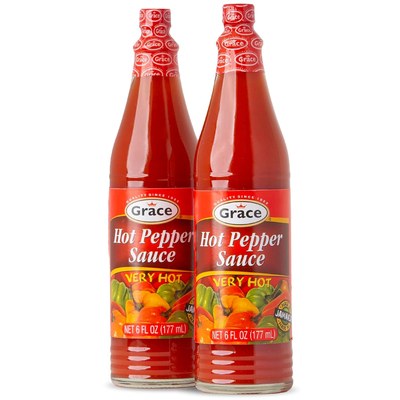
Scotch bonnet blended with West Indian red peppers: the everyday bottle that sits on a Jamaican table rather than a specialty sauce bought for one dish. The two-pack is the sensible buy for a household that cooks Jamaican food regularly.