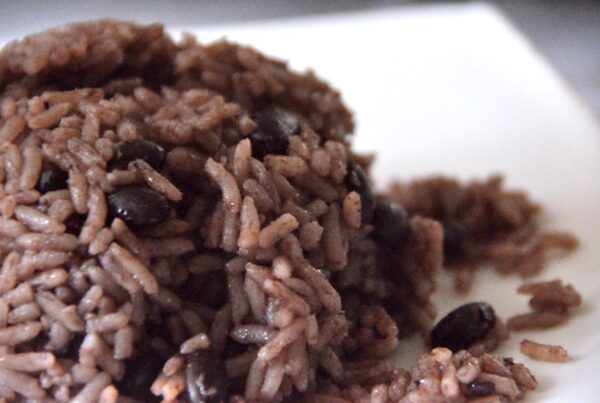
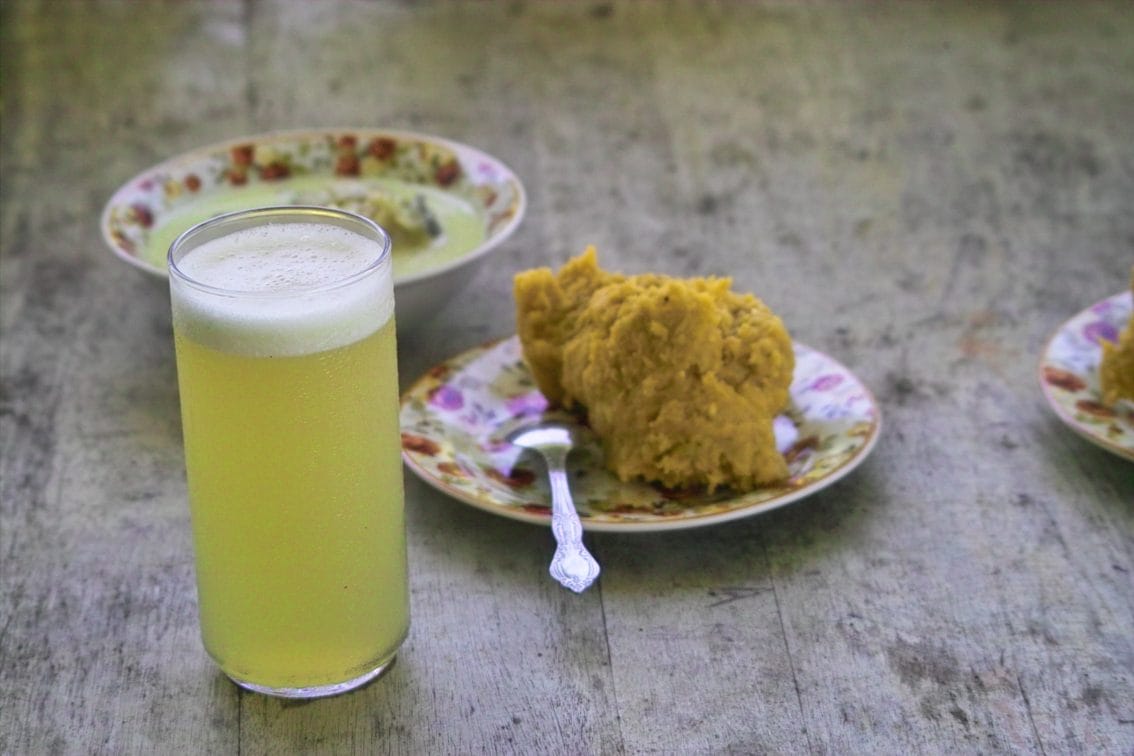
Short answer: Machuca is the Garifuna dish of pounded plantain served with coconut seafood soup — two separate things, eaten together. You pull a piece of the dense plantain mash and dip it into the broth. What Garifuna communities in Belize call hudut, the Garifuna of Honduras call machuca. Same people, same coast, two names for the same inheritance. The Spanish word machuca comes from machucar, to pound or crush: the pounding is the whole point.
The Garifuna are an Afro-Indigenous people whose Caribbean coast communities stretch from Belize through Honduras, Guatemala, and Nicaragua. The dish travels with them. In Belize you hear hudutu or hudut; in Honduras you hear machuca. The pounded starch and the coconut fish broth have West African roots: a fufu tradition carried across the Atlantic and kept alive on this shore for more than two centuries. You make it in two separate pots: the plantain mash (the machuca itself) and the coconut broth (called sere in Belize, the same thing here). They are served side by side, never cooked together — that distinction is what separates machuca from tapou, where everything goes into one pot.

Cuisinart Pro Custom 11-Cup Food Processor with Slicing & Shredding Discs (DLC-8SBCYP1)
Spice pastes built from garlic, citrus and dried chiles need a processor that grinds them smooth in one pass. An 11-cup bowl is sized for batches that get portioned and frozen.
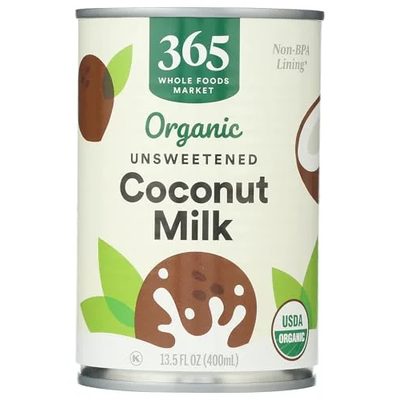
Full-fat coconut milk with nothing added - the choice for recipes where fat carries flavor and texture matters, from soups to baking.
What is machuca?
Machuca is a Garifuna dish in two parts: green and ripe plantains boiled and pounded by hand in a wooden mortar until they form a dense, smooth, dough-like mash, and a rich coconut-milk seafood broth served alongside it. You eat by tearing off pieces of the mash and dipping them into the soup. The pounding (done in a tall wooden mortar called a pilón, with a long-handled pestle, while the plantains are still hot) is the defining act of the dish. Not a potato masher, not a blender: a pilón. That is where the fufu lineage lives.
The dish belongs to the Garifuna (also called Garinagu), an Afro-Indigenous people whose ancestors were brought from West Africa, mixed with the Island Caribs of St. Vincent, and ultimately resettled on the Caribbean coasts of Central America in 1797. UNESCO recognized Garifuna language, music, and dance as Intangible Cultural Heritage in 2001. Machuca is made at Garifuna festivals, at the dügü (the multi-day ancestor-remembrance and healing ceremony), and at communal gatherings where the preparation itself, people taking turns at the pilón, is as much the point as the eating. On Garifuna Settlement Day in Belize (November 19), hudut and machuca appear on tables across Dangriga, Hopkins, Punta Gorda, and Seine Bight.
Machuca vs. hudut vs. tapou: what’s the difference?
All three are Garifuna dishes and all three involve coconut and fish. But they are not the same dish.
- Machuca / hudut / hudutu: Same dish, different names by language and geography. “Hudutu” is the Garifuna-language name. “Hudut” is the shorthand used in Belize. “Machuca” is the Spanish name used in Honduras, from machucar (to pound). Two separate components: pounded plantain mash + coconut fish broth (sere), served alongside each other.
- Tapou / tapado: One pot. No separate pounded mash. Fish, plantain, cassava, and coconut broth all cook together; the fish is often fried first, then added to the broth. Everything is served from the same pot. Closer to a stew than a paired set of components.
- Sopa de caracol: Conch-specific coconut soup. The protein is conch (caracol), not fish. It is often served with machuca on the side; machuca is the accompaniment, not the main event in that pairing. Sopa de caracol is its own dish; machuca is not sopa de caracol.
Ingredients
For the pounded plantain (machuca):
- 4 green plantains, peeled and cut into chunks
- 2 ripe plantains, peeled and cut into chunks
- 1 teaspoon salt
- 1–2 tablespoons butter (optional; not traditional, but adds richness)
For the coconut seafood broth (sere):
- 2 tablespoons oil
- 1 medium onion, chopped
- 3 cloves garlic, minced
- 1 bell pepper, diced
- 2 tomatoes, chopped
- 1 can (13.5 oz) coconut milk
- 2 cups fish stock
- 1 lb firm white fish (snapper or similar), whole portions or large pieces, bone-in for best flavor
- Optional: shrimp and/or crab alongside the fish
- Salt and black pepper to taste
- Fresh culantro (recao) or cilantro to finish
A note on spices: cumin and paprika appear in many modern recipes for the broth. They are not wrong and they add depth, but the more traditional flavor base leans on garlic, onion, sweet pepper, and culantro, the herb that does more work than cilantro in Garifuna cooking. Use what you have; culantro is worth finding.
How to make machuca
- Boil the plantains. Put the green and ripe plantain chunks into salted water and boil 15 to 20 minutes, until fully tender all the way through, with no resistance in the center.
- Pound them while hot. Drain and transfer immediately to a pilón (tall wooden mortar) or a heavy bowl. Pound with a pestle while the plantains are still hot. They work smooth when warm and stiffen as they cool. Work the green and ripe plantains together so the green gives body and the ripe brings a faint sweetness. Keep pounding until the mash is dense, smooth, and elastic, pulling away from the sides cleanly. Add the butter now if you’re using it. Shape into a mound or individual balls.
- Build the broth. Heat the oil in a pot over medium heat. Soften the onion, garlic, and bell pepper for 3 to 4 minutes. Add the tomatoes and cook another 5 minutes until they break down. Season with salt and pepper (and cumin and paprika if using).
- Add the coconut milk and stock. Pour in the coconut milk and fish stock. Bring to a simmer and cook about 10 minutes so the broth comes together into a cohesive, fragrant base.
- Cook the seafood. Slip in the fish (and shrimp or crab if using) and cook just 5 to 7 minutes, until the fish flakes and any shrimp turn opaque. Pull it off the heat as soon as it is done; overcooked fish in the broth is the main thing to avoid. Finish with culantro or cilantro and adjust salt.
- Serve. Put the pounded plantain mash on the plate beside a bowl of the coconut broth, or set the mash at the edge of a wide bowl and ladle the broth around it. Eat by pulling off pieces of the mash and dipping them into the soup.
Tips
- Green plus ripe. Green plantains give the mash its body and starchy density; ripe ones bring a little sweetness and make the pounding easier. All green and the mash is gluey and dense to the point of being heavy; all ripe and it is too soft to hold together for dipping. A ratio of about 2:1 green to ripe is the traditional balance.
- Pound warm, serve warm. The plantain mash is at its best straight from the mortar. It stiffens as it cools. If it sits too long, set the mash (covered) over a pot of warm water to keep it pliable.
- Bone-in fish is better. A whole snapper or similar firm white fish on the bone gives the broth more body and flavor than fillets. If you are comfortable serving whole fish, do it. If not, large pieces with the skin on hold up better than small skinless fillets.
- No mortar? A large, heavy mixing bowl and a sturdy wooden spoon or potato masher will do. It takes longer and the texture is not quite the same, but it works. What a blender or food processor gives you is something smooth but not elastic; hand-pounding develops a slightly different structure in the starch.
For the Belizean name and tradition, see the hudut recipe and the Garifuna food guide. The one-pot sibling is the tapou recipe. The wider Honduran table is in the Honduran food guide.
Frequently asked questions
What is machuca?
Machuca is a traditional Garifuna dish from the Caribbean coast of Honduras (and the same dish as Belizean hudut): green and ripe plantains boiled and pounded smooth in a wooden mortar, served alongside a rich coconut-milk seafood broth. You eat the two together, dipping pieces of the plantain mash into the soup.
Is machuca the same as hudut?
Yes. Hudutu is the Garifuna-language name for the dish. Hudut is the shorthand used in Belize. Machuca is the Spanish name used in Honduras, from machucar (to pound or crush). Same Garifuna people, same Caribbean coast, two names by language and geography.
What is machuca made of?
Two components: a mash of boiled green and ripe plantains pounded smooth, and a coconut-milk broth with fish and seafood, onion, garlic, tomato, sweet pepper, and culantro or cilantro. The mash is served alongside the broth, not cooked in it.
How do you pound the plantains for machuca?
Traditionally in a tall wooden mortar called a pilón, with a long-handled pestle, while the plantains are still hot. You pound until the mash is dense, smooth, and elastic. The starch develops a structure under the pestle that a fork or masher does not produce in the same way. The pilón is the heritage tool; a heavy bowl and masher will do at home but the texture is slightly different.
What is the difference between machuca and tapou?
The key difference is one pot versus two. Tapou (tapado) cooks everything together: fish, plantain, cassava, and coconut broth in one pot, with no separate pounded mash. Machuca has two separate components: the pounded plantain mash and the coconut broth (sere), served side by side. If everything is in one pot, it is tapou. If the mash is pounded and served separately, it is machuca.
Why are pounded plantains like fufu?
The Garifuna are an Afro-Indigenous people descended partly from West Africans brought to the Caribbean. The pounded-starch technique (boiling a starchy staple and pounding it into a dense, dippable mash) is a direct parallel to West African fufu, where yam, cassava, or plantain is pounded in the same way. The Garifuna carried the technique across the Atlantic, and it survived on the Caribbean coast of Central America.
What occasions is machuca made for?
Machuca is made at Garifuna festivals and communal gatherings, and at the dügü, the multi-day ancestor-remembrance and healing ceremony that is one of the most important rituals in Garifuna spiritual life. In Belize, hudut (the same dish) appears at Garifuna Settlement Day celebrations on November 19. The shared preparation (people taking turns at the mortar) is as much a part of the tradition as the eating.
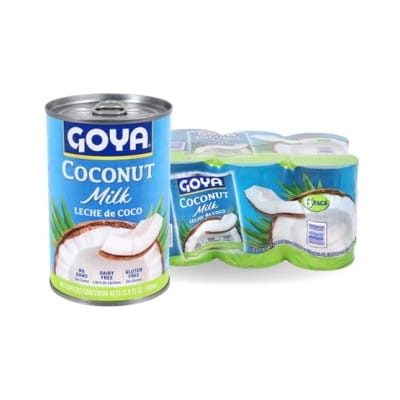
Goya Coconut Milk 13.5 oz (6-pack)
Creole bread's richness is two full cups of coconut milk kneaded into the dough. A six-pack means the next bake is already covered.