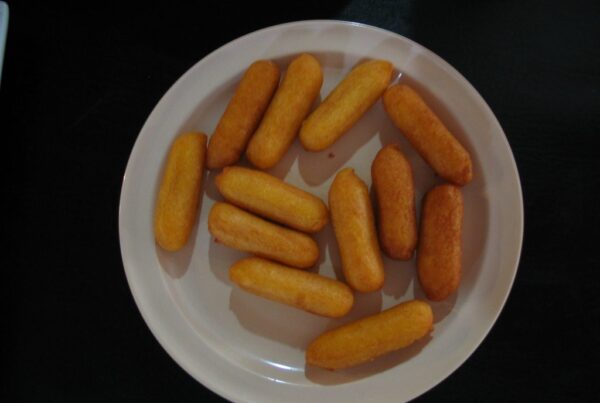
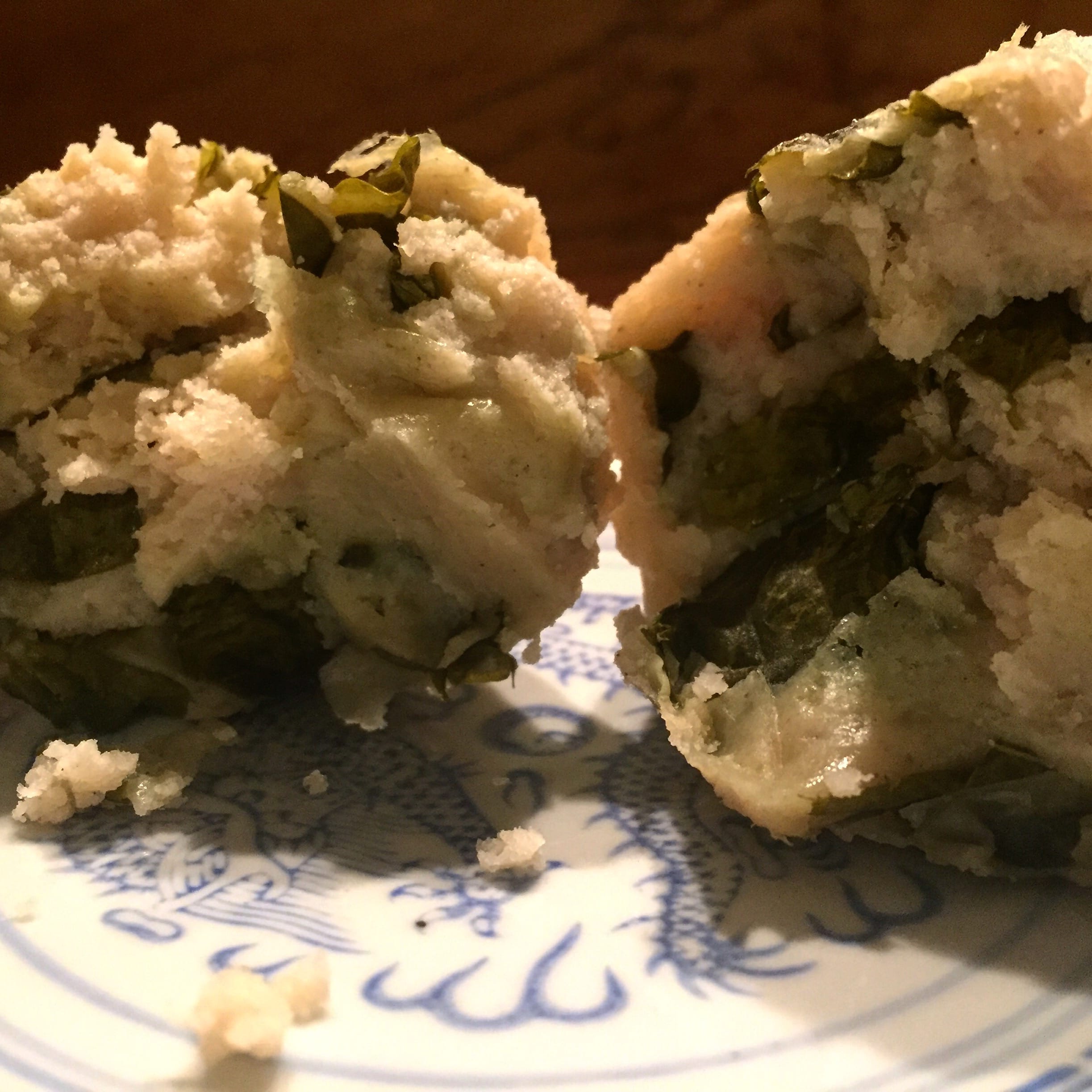
Boxboles are a Maya highland masa roll from Guatemala — corn masa kneaded with chipilín herb, wrapped in squash or chayote leaves, steamed, sliced crosswise, and served with a warm toasted pepita and tomato sauce. The dish belongs to the Achi Maya of Baja Verapaz and the Ixil Maya of the Ixil Triangle, with related versions found across the Guatemalan highlands wherever squash grows and chipilín grows alongside it.
What makes boxboles different from Guatemalan tamales?
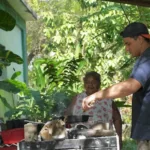
I came across boxboles not in a restaurant but in a market. Wednesday, early, before the heat settled in. A woman was unwrapping small rolls from a bundle, slicing them crosswise with the quiet efficiency of someone who had done this ten thousand times. The sliced rounds were pale green inside. She ladled sauce over them and handed one across without ceremony. It was not a tamale. I understood that immediately.
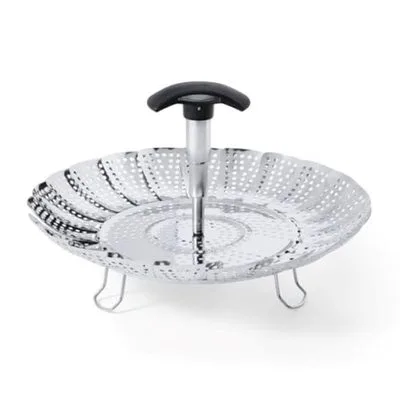
OXO Good Grips Stainless Steel Steamer With Extendable Handle
Tamales, johnnycakes, and vegetables steam evenly when raised off the boiling water. A stainless insert fits standard 6-8qt stockpots, opens to the pan's diameter, and folds flat for storage.
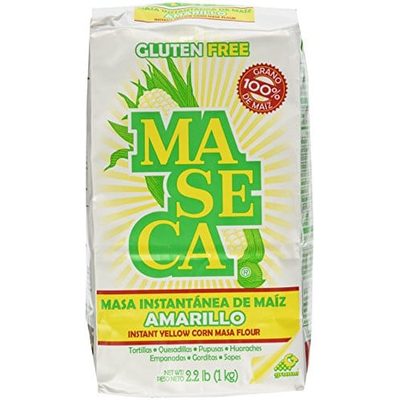
Maseca brand yellow corn masa harina, pre-ground and treated for immediate use in dough for tortillas, tamales, and other corn dough applications.
The herb was not a filling tucked inside the masa. It was the masa. Every bite had chipilín throughout: earthy, mild, with that particular green flavor that watercress has before heat tames it. The roll had been steamed tight inside a squash leaf, then sliced so the sauce could find every surface. Nothing was wrapped around it, nothing was peeled away. You just ate it.
That is the first distinction worth making: boxboles are not a variation of tamales. In a tamal, a filling goes inside a masa pocket and the outer leaf is a cooking vessel you discard. In boxboles, the herb is kneaded throughout the dough — not pocketed — and the roll is steamed inside the leaf, sliced crosswise, and served with sauce poured over. The eating method is different. The texture is different. The flavor distribution is different. They share a family resemblance the way tortillas and corn bread are related, but you would not confuse one for the other if you had eaten both.
The closest sibling on this site is dzotobichay, the Yucatecan Maya chaya-leaf tamal. Both knead an herb into the masa and wrap it in a leaf. The differences are specific: dzotobichay uses chaya, banana leaf, and a sikil-and-egg filling at the center; boxboles use chipilín, squash or chayote leaf, plain herb dough with no interior filling, and a pepita sauce poured over after slicing. Same logic — herb becomes the dough — but different communities, different plants, different eating method.
Boxboles belong to the Maya communities of the Guatemalan highlands: primarily the Achi Maya of Baja Verapaz and the Ixil Maya of the Ixil Triangle (Nebaj, Chajul, and Cotzal). Q’eqchi’ Maya cooks in Alta Verapaz — who share cultural and agricultural overlap with Baja Verapaz — also make chipilín-masa rolls, and the dish appears across the broader highlands wherever squash grows and chipilín grows nearby. The ground truth version, documented by Guatemalan cultural authorities, calls for plain masa with the sauce carrying all the seasoning; the chipilín-in-masa version here is the Alta Verapaz preparation that tradition-bearer Ana Brito Corio (documented in Guatemala’s national Ruta Gastronómica, 2022) is associated with in the Nebaj and Quiché area. Both are genuine.
There is one detail in the history of this dish that stays with anyone who learns it. During Guatemala’s armed conflict from 1960 to 1996, communities across the highland Quiché region began making boxboles in place of tortillas because kneading masa produces no sound. Slapping and patting tortillas could reveal a settlement’s location to military patrols moving through the hills. Boxboles became a survival adaptation. That is documented in the same cultural registry that lists the recipe. A dish that encoded silence. For a corn-and-leaf tradition as old as this corridor, that kind of weight is not unusual.
Ingredients
For the boxboles:
- 500g (about 1 lb) corn masa, fresh nixtamalized or made from masa harina — see Tips
- 1 large bunch chipilín leaves (Crotalaria longirostrata), about 2 cups packed, finely chopped — substitution: baby spinach or watercress in a pinch, though the flavor will differ
- 1 teaspoon salt, plus more to taste
- 25 to 30 tender squash leaves (hojas de ayote) or güisquil (chayote) leaves — see Tips for sourcing outside Central America
For the pepita-tomato sauce (chirmol de pepita):
- 10 medium ripe tomatoes
- 120g (4 oz) miltomate / tomatillo, optional — deepens the sauce’s acidity
- 120g (4 oz) raw pepitas (hulled squash seeds / pumpkin seeds), dry-toasted
- 1 to 2 chiles cobaneros (the small, fruity, moderately hot chile of Cobán) or 1 serrano chile — adjust to heat preference
- Salt to taste
Optional garnish:
- Dry white cheese (queso seco) or mild crumbled feta, grated over the plated boxboles
- Fresh lime wedges
Instructions
- If using fresh nixtamalized masa from a tortillería, skip to step 2 — it is ready to use. If using masa harina: combine 2 cups masa harina with enough warm water (roughly 1¼ cups) and ½ teaspoon salt; knead 3 to 4 minutes until smooth and pliable, not sticky.
- Add the finely chopped chipilín leaves to the masa. Knead another 2 minutes until the herb is evenly distributed and the masa turns a pale green throughout.
- Taste the masa. It should taste lightly of corn and herb. Add salt if needed.
- Wash the squash or chayote leaves thoroughly. Pat dry.
- Place one leaf flat on your work surface, smooth side down.
- Press a 20 to 25g portion of herb masa (about a tablespoon) onto the center of the leaf, spreading it lengthwise into a thin log shape, about 8cm long and 2cm wide. These are small rolls; do not overfill.
- Roll the leaf around the masa to form a tight cigar shape. Tuck the ends under or fold them over.
- Repeat until all masa is used. This recipe makes roughly 20 to 25 rolls.
- Line the bottom of a large pot with a few extra leaves or a steamer insert. Add 2 liters of water.
- Arrange the wrapped boxboles in the pot in layers. Cover tightly.
- Bring to a boil, then reduce heat. Steam over medium-low for 30 minutes. Check by unwrapping one roll: the masa should be firm and no longer tacky. A larger batch may need up to 45 minutes for a texture that slices cleanly.
- While the boxboles steam: dry-toast the pepitas in a skillet over medium heat, stirring constantly, 3 to 4 minutes until golden and fragrant. Remove from the pan and let cool.
- Roast the tomatoes directly over a flame or in a dry skillet until charred and soft. Do the same with the miltomates if using.
- Blend the roasted tomatoes, miltomates, toasted pepitas, and chile together until smooth. Season with salt.
- Pour the sauce into the skillet. Simmer 5 minutes over medium heat, stirring, until slightly thickened.
- To serve: unwrap each boxbol, arrange 4 to 5 on a plate, slice crosswise into rounds, and ladle the warm pepita sauce over the top. Finish with grated queso seco and a wedge of lime.
The Maya highland kitchen that made boxboles what they are
The Guatemalan highlands hold a cluster of Maya peoples whose foodways overlap in technique while remaining specific in community: the Achi Maya of Baja Verapaz, the Ixil Maya of the Ixil Triangle (Nebaj, Chajul, Cotzal), and the Q’eqchi’ Maya whose range covers Alta Verapaz, Petén, Izabal, and extends into Toledo District in southern Belize. Boxboles, in their various forms, are documented across this entire zone. The Achi and Ixil versions are canonical. The Q’eqchi’ preparation overlaps. When I write about this food, I am writing about people who are still here, cooking this now. Not an ancient tradition reconstructed for a menu card. Markets in these communities sell boxboles made fresh that morning.
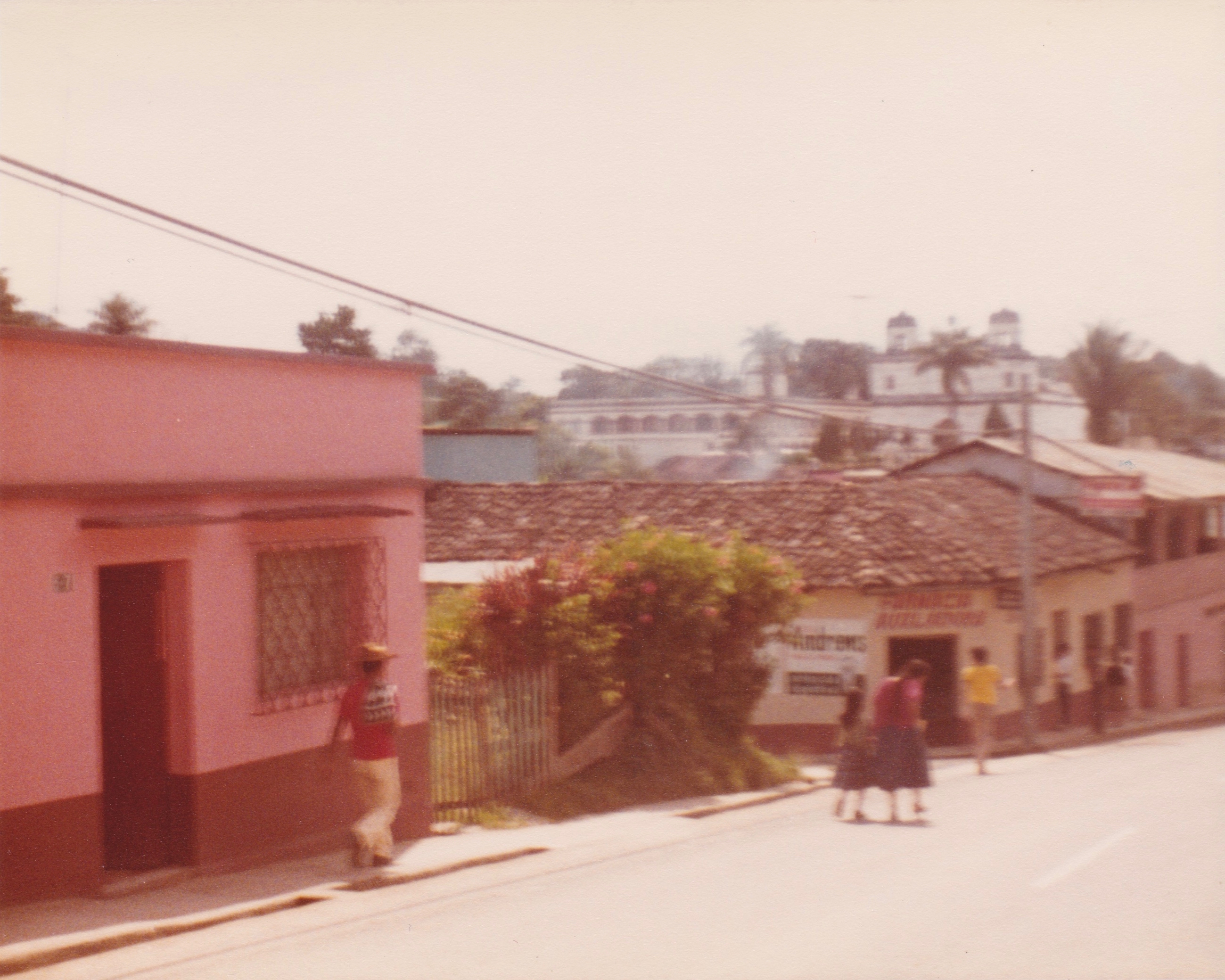
Chipilín (Crotalaria longirostrata) is a cultivated perennial in the legume family. It fixes nitrogen in the soil the way all legumes do, which is why it has been a companion plant in Mesoamerican home gardens for a long time. The fresh leaves taste earthy and mild, something like watercress or young spinach, but they mellow further once heat gets to them. Chipilín goes into tamales, rice, soups, and pupusas across Guatemala, El Salvador, and southern Mexico.
In boxboles, chipilín does not flavor the dish from within a filling. It is the dough itself. That distinction matters for texture: every part of the masa you eat has herb throughout it, not in patches. The sauce — toasted pepita blended with roasted tomato and chile — is where all the seasoning lives. The masa roll is the neutral, herb-green base. Between the two components, the dish is complete.
The technique of kneading herb directly into masa connects boxboles to a wider Maya tradition of corn and leaf cooking that runs from the Guatemalan highlands down through southern Belize. It is economical food in the best sense: corn, a garden herb, seeds from the squash plant the leaves came from. The base dish is plant-based, complete, and requires no special equipment. That is not an accident of poverty. It is the shape of a cuisine that understood its landscape.
Where to find chipilín and what to use instead
- Sourcing chipilín fresh or frozen: Latin grocery stores in larger US cities sometimes carry chipilín fresh or frozen. Look in the herb section near culantro and epazote. If you have a warm climate (USDA zone 9 or above), chipilín seed is available online; the plant grows as a perennial and produces leaves year-round. Dried chipilín exists but delivers a muted result. Fresh or frozen is strongly preferred for kneading into masa.
- Chipilín substitution: Baby spinach is the most neutral substitute. It kneads into masa cleanly and has a mild flavor that won’t fight the pepita sauce. Watercress works if you want the slightly bitter edge. The flavor will differ from chipilín, but the dish will still be worth making. What you are replicating is the technique; chipilín is what makes it authentic.
- Wrapping leaf substitutions: Squash leaves (hojas de ayote) are canonical; güisquil (chayote) leaves are the standard for Alta Verapaz and Q’eqchi’ preparations. If you live near a Latin or Asian market, check for chayote plants; the tender young leaves are sometimes sold alongside the fruit. Outside that, chard leaves give a neutral result; banana leaves (thawed from frozen) give the roll more structural firmness; soaked corn husks work in the same way they do for tamales. The leaf shapes the roll during steaming and does not need to be edible, though chard is.
- Masa harina vs. fresh masa: Fresh nixtamalized masa from a tortillería gives a slightly more complex corn flavor. Masa harina (Maseca, yellow or white corn) is practical for most home cooks outside Guatemala and produces a good result. If using masa harina, knead until the dough is soft and holds together without cracking. Add water a tablespoon at a time until you get there.
- Make-ahead and storage: Boxboles reheat well. Steam them again for 10 minutes, or microwave covered with a damp towel. The pepita sauce keeps refrigerated for 3 days. The rolls can be steamed, cooled, and refrigerated unwrapped for a day before reheating. The texture firms slightly, which is not a bad thing if you want clean slices.
Frequently Asked Questions
What are boxboles?
Boxboles are traditional Maya corn masa rolls from the Guatemalan highlands, associated primarily with the Achi Maya of Baja Verapaz and the Ixil Maya of the Ixil Triangle. Corn masa is kneaded with finely chopped chipilín leaves, wrapped in squash or chayote leaves, and steamed until firm. They are then sliced and served with a toasted pepita and tomato sauce, with grated queso seco as a traditional finish.
How are boxboles different from tamales?
In tamales, a filling is placed inside a masa pocket and the outer leaf is discarded before eating. In boxboles, the herb chipilín is kneaded throughout the masa itself — there is no separate filling. The roll is steamed inside the leaf and served sliced with sauce poured over the top. Every bite of a boxbol contains herb; the leaf gives the masa its shape, not its flavor. The serving method is also different: tamales are unwrapped and eaten whole; boxboles are sliced crosswise and sauced.
What is chipilín and where can I find it?
Chipilín (Crotalaria longirostrata) is a perennial legume native to Mesoamerica with small, tender leaves that taste earthy and mild, similar to watercress or young spinach. It is sold fresh at some Latin American markets, frozen at specialty grocery stores, and as seeds online for home growing in warm climates (zones 9 and above). Baby spinach or watercress can substitute in a pinch, though the flavor will differ.
Can I make boxboles without chayote leaves?
Yes. The canonical wrapper is squash leaves (hojas de ayote); güisquil (chayote) leaves are standard in Alta Verapaz preparations. Outside Central America, chard or soaked corn husks work mechanically. The leaf gives the roll its shape during steaming and does not need to be edible. Its job is structural.
Are boxboles from Guatemala or Belize?
Boxboles are a Guatemalan Maya dish, originating in the Achi Maya communities of Baja Verapaz and the Ixil Maya communities of the Ixil Triangle, with related versions found across the broader Guatemalan highlands. Q’eqchi’ Maya people, whose range extends into Toledo District in southern Belize, share the corn-and-leaf cooking tradition, but boxboles as a named dish belong to the Guatemalan highlands kitchen.
What sauce do you serve with boxboles?
The traditional sauce is a chirmol de pepita: dry-toasted pepitas (hulled squash seeds) blended with roasted tomatoes, miltomate (tomatillo), and chile cobanero. The sauce is smooth, slightly thickened, and poured warm over the sliced rolls at serving. Grated queso seco, a dry salty white cheese, is the traditional finish.
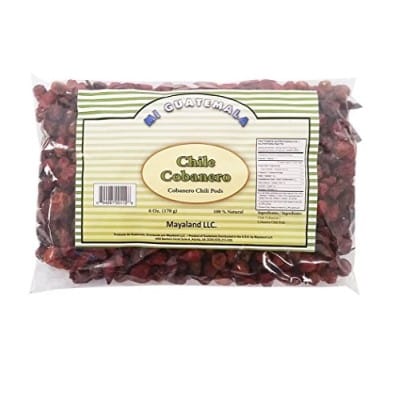
Mi Guatemala Cobanero Chile Pods (Chile de Cobán), 6 oz
The real Guatemalan chile de Cobán — the smoky heat traditional kak'ik is built on.
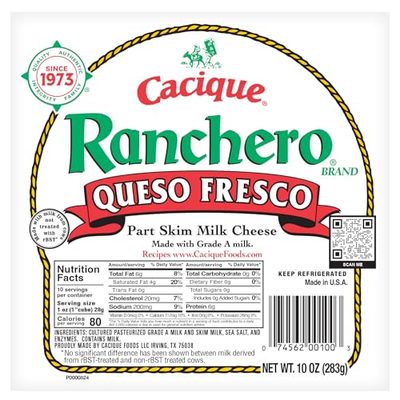
Cacique Queso Fresco Ranchero, 10 oz
A fresh crumbling queso fresco in 10 oz size, ready to sprinkle on cooked dishes or incorporate into recipes without shredding.
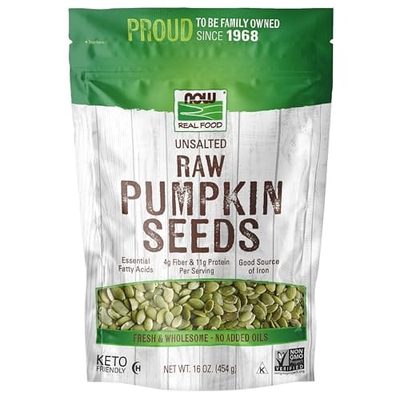
Pumpkin seeds (pepitas) that can be toasted as a garnish or ground into a paste to thicken and enrich sauces and stews.