
Cuban frijoles negros is a thick black bean potaje simmered with onion, green pepper, garlic, cumin, oregano and bay leaf, then finished with sugar, vinegar and dry white wine. The beans cook in their own pot and are spooned over white rice. Cook the beans and the rice together instead and the dish becomes moros y cristianos.
Beans in their own pot, rice in its own. That separation is the whole point.
What is frijoles negros?
A pot of black beans simmered down thick and dark, spooned over or beside white rice that was cooked separately. The beans are a potaje, not a soup: the finished pot coats a spoon rather than running off it.

The garlic is mashed with salt into a paste before it goes into the sofrito, not chopped. Unpolished granite grips the cloves so the paste comes together instead of skidding around the bowl.
Cuban kitchens also make a version where the beans and rice go into the same pot, and a typical Cuban meal contains rice and black beans “either cooked together or separately” (source). Cooked together, the dish gets a different name: moros y cristianos, which differs from plain arroz con frijoles “in that the beans and rice are cooked in the same pot instead of separately” (source).
Congri is a third name and it means something else again. It refers more commonly to the similar dish made with red beans, traditionally eaten in eastern Cuba (source). Frijoles negros is neither of those.
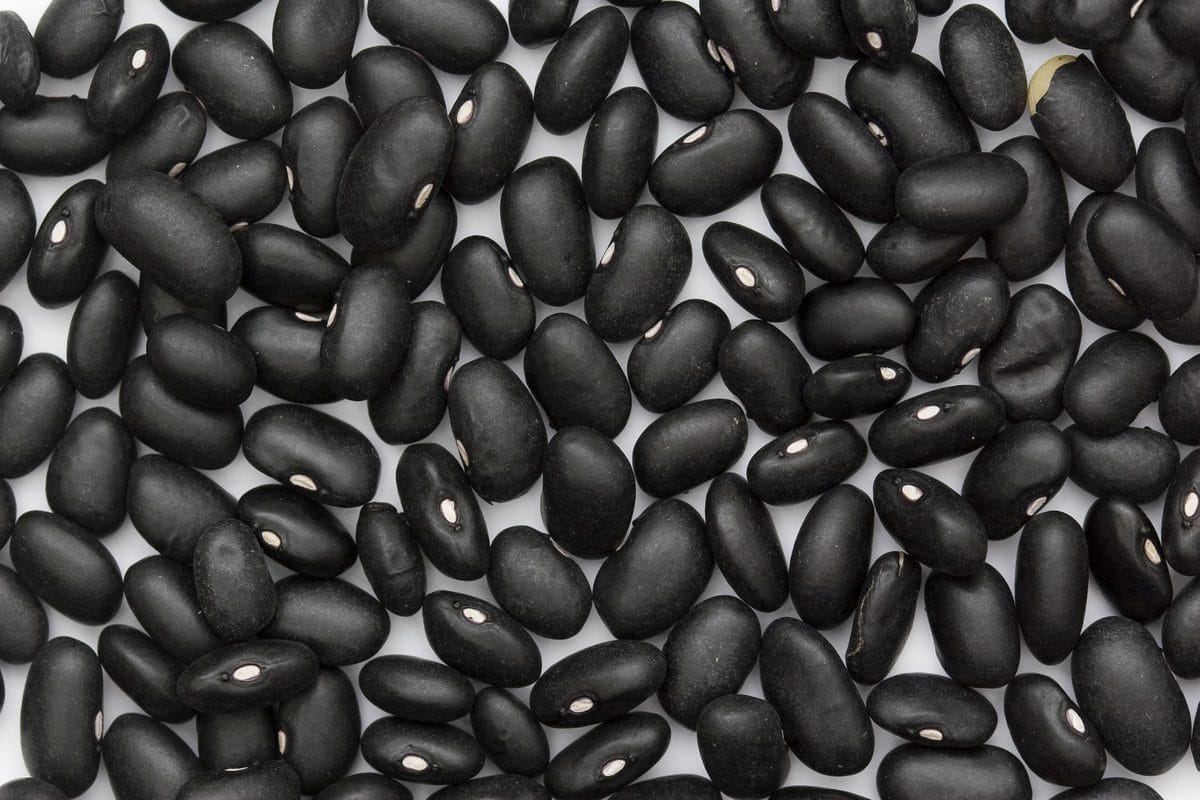
The bean itself is a black turtle bean, native to the Americas (source). The same white rice that goes under these beans also carries Cuban picadillo.
Sugar, vinegar and dry wine go in at the end
That trio is what marks the pot as Cuban rather than simply as black beans. Two tablespoons of vinegar, a quarter cup of vino seco and a teaspoon of sugar, added in the last five minutes so they stay bright instead of cooking away. Vinegar is a standard seasoning in this dish (source), and the dry wine is the flavor most people recognize without being able to name.
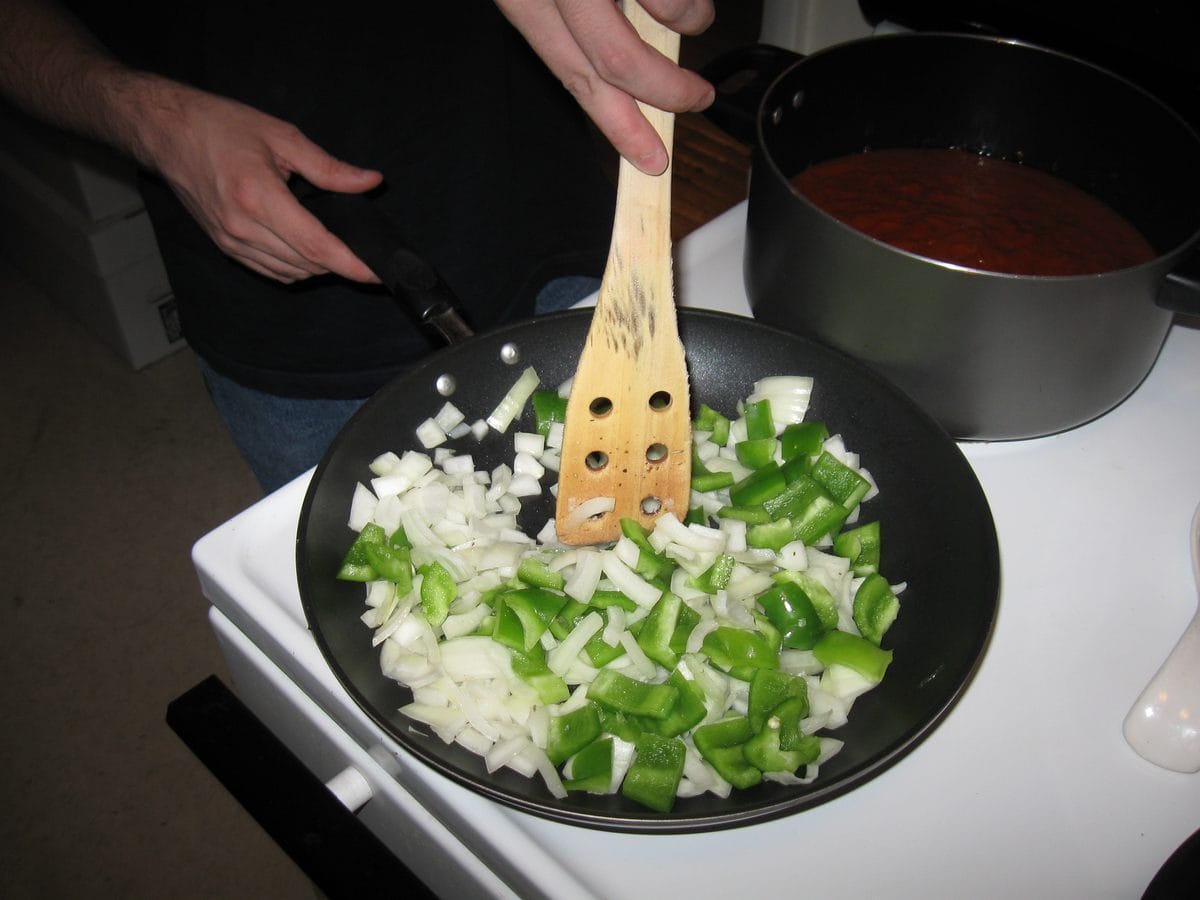
Texture decides the rest. A good pot of Cuban beans has a thick sauce, and the way to get there is mashing about a cup of the cooked beans against the side of the pot and stirring them back in. Skipping that step is the most common way this dish comes out as soup.
Season with a light hand across the board rather than leaning on any one spice. Cumin, oregano and bay should read as a set, not as a single loud note. And stop salting just short of where you think it should be, because the pot reduces further and you can always add more at the table.
This is a different pot from Belizean stewed black beans, which never sees vinegar or wine. Learn it on its own terms rather than as a variation.
What you need for Cuban frijoles negros
For the beans
- 1 pound (454 g) dried black beans
- 10 cups (2.4 L) water, for cooking, plus more for soaking
- 1 bay leaf
- 2 tablespoons (30 ml) olive oil
- 1 medium green bell pepper, left whole and unseeded, for the soak
For the sofrito
- 3 tablespoons (45 ml) olive oil
- 1 large yellow onion (about 300 g), finely chopped
- 1 medium green bell pepper (about 150 g), finely chopped
- 4 cloves garlic
- 1 teaspoon (2 g) ground cumin
- 1 teaspoon (1 g) dried oregano
- 2 teaspoons (12 g) fine sea salt, plus more to taste
To finish
- 2 tablespoons (30 ml) white vinegar
- 1/4 cup (60 ml) dry white wine (vino seco)
- 1 teaspoon (4 g) granulated sugar
- Cooked white rice, in a separate pot, to serve
Dried beans, not canned. The whole method is built around the liquid they give up, and a can brings none of it. The whole green pepper in the soaking water is a small Cuban habit worth keeping: it seasons the beans before they ever reach the pot, and it gets discarded with the soaking water.
No tomato in this pot. Ham hocks and bacon are optional rather than standard, and the plain version is vegetarian.
How long frijoles negros takes
| Soaking | 4 hours to overnight, not counted below |
| Prep | 20 minutes |
| Simmering the beans | 45 to 60 minutes |
| Sofrito and finish | about 40 minutes |
| Total | about 2 hours |
| Serves | 8 |
A pressure cooker takes the beans to tender in about 35 minutes, cutting roughly an hour off the total.
How to make Cuban frijoles negros
- Soak the beans overnight, or at least 4 hours, covered by three inches of cold water with the whole green pepper dropped in, seeds and all.
- Throw the soaking water away. It holds what you soaked out. Discard the pepper too, then rinse the beans.
- Start the pot. Beans, 10 cups (2.4 L) fresh water, the bay leaf and 2 tablespoons of olive oil in a heavy pot. Bring to a boil.
- Simmer 45 to 60 minutes, covered, on medium-low, until a bean crushes easily against the roof of your mouth. Top up with hot water if the beans ever go dry.
- Make a garlic paste while the beans cook. Crush the four cloves with the salt in a mortar, or under the flat of a knife blade.
- Fry the sofrito. Three tablespoons of olive oil over medium heat with the chopped onion and green pepper, until the onion turns translucent, about 8 minutes.
- Toast the spices. Add the garlic paste, cumin and oregano and cook one minute more. Working the dry spices in the oil sets the flavor better than dropping them into liquid.
- Combine. Scrape the whole sofrito into the beans, cover, and simmer another 15 minutes.
- Mash for body. Crush about a cup of the beans against the side of the pot and stir them back in. This is what turns bean soup into potaje. Do it again if the pot still looks thin.
- Reduce uncovered 10 to 20 minutes, until the liquid is a thick dark gravy that coats the spoon. It thickens further off the heat, so stop a little early.
- Finish. Stir in the vinegar, dry wine and sugar and simmer 5 minutes more. These go in at the end, never earlier.
- Taste for salt and stop short. Under-salted beans are fixable at the table; over-salted ones are not.
- Rest 10 minutes off the heat, covered, then serve over white rice cooked in its own pot.
Tips and variations
- The pressure cooker. Soaked beans take about 35 minutes under pressure, plus another 20 if they are stubborn. You can also load everything at once, beans, aromatics, spices and the finishing seasonings, and run it 30 minutes, though the finish stays brighter added at the end.
- The pull-and-mash finish. Lift the cooked onion, pepper and garlic out of the pot, mash them in a pan with a few spoonfuls of beans, and return everything. It builds body more evenly than mashing straight in the pot.
- No sofrito at all. Everything goes into one pot together and a quarter cup of raw extra-virgin olive oil gets poured over at the end, off the heat, with the lid on for 10 minutes. Less oil overall, and a cleaner, less fried flavor.
- Culantro, if you can find it. Two leaves of the long-leaf herb, not cilantro, gives a deeper green note that suits the pot.
- A whole habanero near the end adds heat without breaking the dish. Pull it before serving. The standard version is mild.
- Pork, optional. A small amount of finely chopped bacon fried into the sofrito, with half the rendered fat poured off, adds smoke. Leave it out and the dish is vegetarian.
- Thicker still? Leave the pot uncovered on the heat a few more minutes. Guatemala takes the same bean somewhere else entirely, refried down into a paste as frijoles volteados.
Where it sits on the table
Over white rice, with something else beside it: picadillo, roast pork, or fried plantains. It is a staple rather than an occasion dish, and it turns up at more Cuban meals than anything except the rice itself.
Cuban cooking generally draws on Spanish cooking with influence from Amerindian, African and other Caribbean traditions (source), and this pot sits squarely in that middle.
Nutrition
Estimated, for one of 8 servings, based on the amounts above and standard ingredient labels. Beans only; the rice alongside is not included.
| Calories | 285 kcal |
| Protein | 13 g |
| Fat | 9 g |
| Saturated fat | 1.3 g |
| Carbohydrates | 39 g |
| Sugar | 2 g |
| Fiber | 9 g |
| Cholesterol | 0 mg |
| Sodium | 520 mg |
Storing frijoles negros
These beans are better on day two. Cool them, cover, and refrigerate up to 5 days. The potaje sets thick in the cold, so loosen it with a splash of water over low heat when you reheat.
Freeze in portions up to 3 months. Thaw overnight and reheat gently, stirring, so the beans do not scorch on the bottom.
The make-ahead that matters is the soak. Start the beans the night before the day you want them on the table.
Equipment you will want
- A heavy 6 to 8 quart pot with a lid, enamelled cast iron or a Cuban-style caldero. A thin pot scorches beans over a long low simmer.
- A skillet for the sofrito.
- A mortar and pestle for the garlic paste, though a knife works.
- A wooden spoon sturdy enough to mash beans against the side of the pot.
- A pressure cooker, optional, and a real route rather than a shortcut.
Frijoles negros questions, answered
What is the difference between frijoles negros and moros y cristianos?
Frijoles negros is beans cooked alone in their own pot and served over rice cooked separately. Moros y cristianos is beans and rice cooked together in one pot (source). Congri, confusingly, more often means the red-bean version from eastern Cuba.
How long do black beans need to soak before cooking?
At least 4 hours, and overnight is better. Discard the soaking water rather than cooking in it. If you are using a pressure cooker the soak matters less, though it still helps the beans cook evenly.
Why do Cuban black beans have sugar and vinegar in them?
Sugar, vinegar and dry white wine are the finish that marks the pot as Cuban. Vinegar is one of the dish’s standard seasonings (source). They go in during the last five minutes so they stay bright instead of cooking away.
Can you make Cuban frijoles negros in a pressure cooker?
Yes. Soaked beans take about 35 minutes under pressure, with another 20 if they need it. That replaces roughly an hour of stovetop simmering. Add the vinegar, wine and sugar afterward, on the stove, so the finish does not cook out.
How do you make Cuban black beans thicker?
Mash about a cup of the cooked beans against the side of the pot and stir them back in, then simmer uncovered until the liquid coats a spoon. The pot thickens further as it rests off the heat, so do not judge it while it is still simmering.
Are Cuban frijoles negros vegetarian?
As written here, yes. The standard pot has no meat in it at all. Bacon or a ham hock is a common addition rather than a requirement, so leaving it out is not a substitution.
How much does a pound of dried beans serve?
Eight as a main over rice, which is what this recipe assumes, or twelve as a side. Dried beans roughly triple in weight once cooked, so a pound goes further than it looks in the bag.
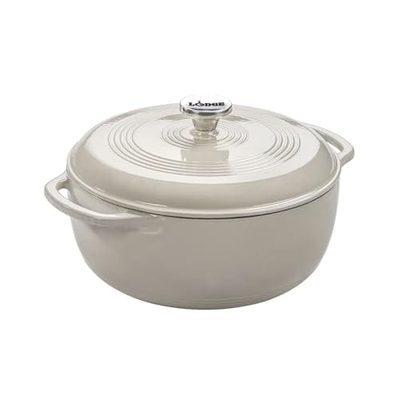
Dried black beans want a long, low simmer, and a thin pot scorches the bottom layer before the middle ever softens. Enamel over cast iron holds that heat steady and takes the vinegar and dry wine at the end without reacting.
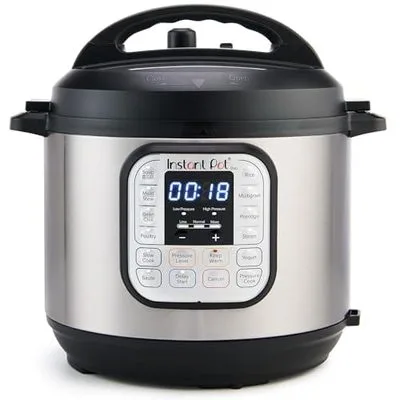
Two of the four cooks behind this recipe cook their beans under pressure, and it is a real route rather than a shortcut. Unsoaked beans come tender in about half an hour.