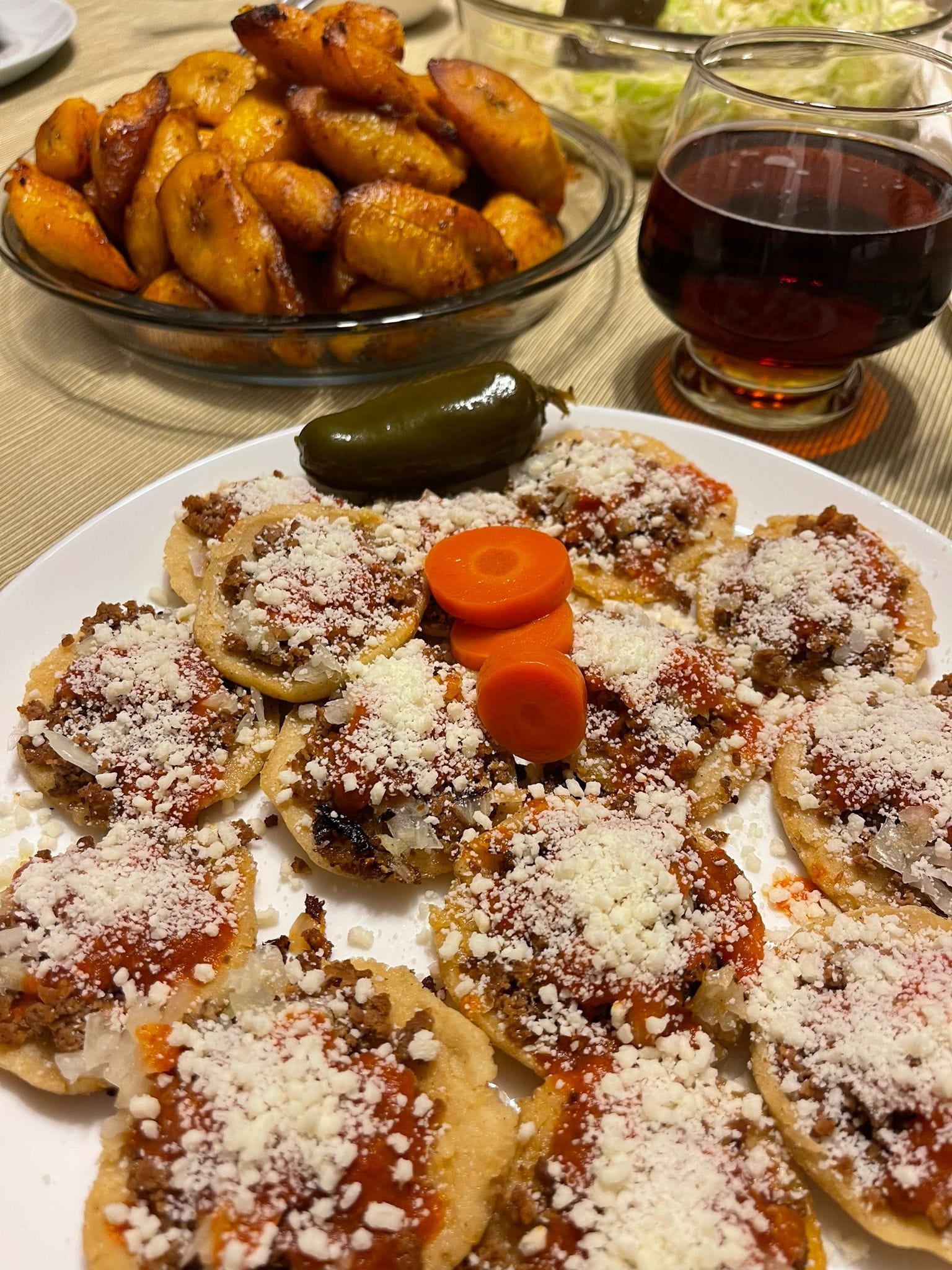
Garnachas guatemaltecas are small thick corn tortillas, two to three inches across, that get cooked on a comal, sliced in half, and then fried until the cut faces turn golden and crisp. That double-step — comal first, then oil — is what gives them the density to hold a topping stack of seasoned beef, vinegar-softened curtido, simple tomato salsa, and crumbled dry cheese without buckling. Sold at street stalls and ferias across Guatemala, they are a one-bite Ladino antojito eaten by the handful.
What Makes Guatemalan Garnachas Different From the Belizean and Mexican Versions?
The garnacha family runs across the region, and every country tells you something different when you order one. In Guatemala, garnachas are small, thick half-moons. The tortilla is cooked on the comal first to set the masa, then each one is sliced in half so the flat cut-face goes down into the hot oil and crisps up into something more substantial than a plain fried tortilla. You eat them in twos and threes, standing at a feria stall or passing a plate around a kitchen table. The meat leads. Seasoned ground or shredded beef goes down first, then a spoon of tomato salsa, then curtido (vinegar-softened shredded cabbage and carrot), then a shower of dry, salty cheese. That order matters. It is what tells you that you are eating the Guatemalan version and not one of its cousins.
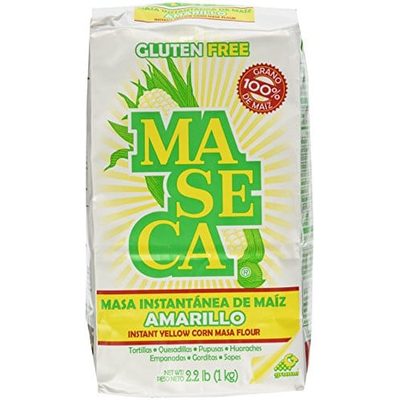
Maseca brand yellow corn masa harina, pre-ground and treated for immediate use in dough for tortillas, tamales, and other corn dough applications.
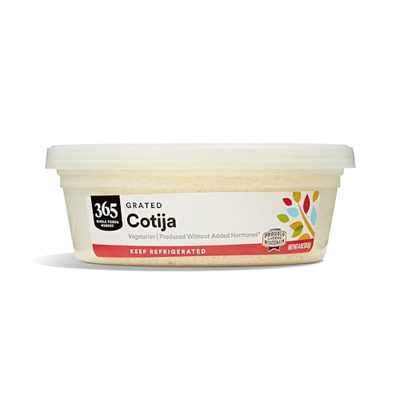
365 by Whole Foods Market Cotija Cheese, 4 OZ
The dry, salty crumbling cheese these dishes finish with, standing in for Central American queso duro.
Comal first, then the knife, then the oil. That double step is what makes a garnacha Guatemalan.
The difference shows up fastest when you set it beside the Belizean plate. The Belizean garnaches lean on refried beans instead of meat, and their tortilla goes straight into the oil without the comal pre-cook. Same fried-tortilla idea, different center of gravity. Beans carry the Belize version. Seasoned meat and curtido carry the Guatemalan one. Neither is a knockoff of the other. They are siblings who grew up in different kitchens.
Mexico draws the line a third way. The Veracruz and Oaxaca garnachas tend toward a thicker masa base, sometimes pinched into a small cup or boat, and they lean on beans and a melting cheese rather than the dry, crumbly Guatemalan kind. The base itself is the tell: Mexican garnachas are often molded and heftier, while the Guatemalan tortilla stays flat and crisp all the way through. The recipe shifted as it traveled, and each place kept what it loved.
Within Guatemala, the clearest confusion is between garnachas and their snack-family siblings. Curtido on top means garnacha. If the tostada carries escabeche (long-marinated pickled beets, carrots, chayote) plus a hard-boiled egg slice, you are looking at an enchilada guatemalteca. If each tortilla gets only one topping — guacamole, or refried beans, or salsa, presented as a trio — those are tostadas. The quick-pickled cabbage-carrot curtido on a garnacha is the one signal that does not appear on either sibling.
If those three still blur together, our guide to Guatemalan fried-tortilla snacks sorts the garnacha, tostada, and enchilada apart at a glance.
Ingredients
Traditional Guatemalan names come first, with substitutes in parentheses for cooks far from a Guatemalan market.
For the garnachas (makes about 12 small ones):
- 2 cups masa harina (instant corn masa flour)
- 1 1/4 cups warm water, plus more as needed
- 1/2 teaspoon salt
- Neutral oil for frying (about 1 cup)
For the meat:
- 1/2 pound ground beef (carne molida) or cooked shredded beef (carne deshebrada)
- 1/4 cup finely chopped white onion
- 1 garlic clove, minced
- 1 small tomato, finely chopped
- 1/2 teaspoon salt
- 1/4 teaspoon black pepper
For the tomato salsa:
- 3 ripe tomatoes
- 1 small white onion, half for roasting and half raw and chopped
- 2 tablespoons chopped fresh cilantro
- 1 chile chiltepe or chile piquín (or any small hot chile, optional)
- 1/4 teaspoon salt
For the curtido (quick-pickled cabbage):
- 2 cups finely shredded cabbage
- 1/2 cup shredded carrot (about 1 medium carrot)
- 1/4 cup thinly sliced white onion
- 3 tablespoons white vinegar
- 1/2 teaspoon dried oregano
- 1/4 teaspoon salt
To finish:
- 1/2 cup grated queso seco de Zacapa (or cotija, queso añejo; feta or grated Parmesan as a far substitute)
Instructions
- Make the curtido first so it has time to soften. Toss the shredded cabbage, shredded carrot, and sliced onion with vinegar, oregano, and salt. Set aside and stir once or twice while you work.
- Make the tomato salsa. Dry-roast the tomatoes and the chile, if using, in a hot dry skillet or comal, turning until the skins blister and char in spots. Let them cool slightly.
- Chop or coarsely mash the charred tomatoes and chile, then stir in the raw chopped onion, cilantro, and salt. Keep it chunky, not smooth.
- Cook the meat. If using ground beef, brown it in a skillet with the onion, garlic, and chopped tomato, breaking it up as it cooks. Season with salt and pepper and cook until no pink remains. If using shredded beef, warm it through with the same seasonings. Keep warm.
- Mix the masa. Stir the masa harina, warm water, and salt together until you have a soft dough the texture of putty. If it cracks, add water a tablespoon at a time. If it sticks to your hands, add a little more masa harina.
- Form the tortillas. Roll the dough into balls and press each into a small round about two to three inches wide and a little under half an inch thick. They should be thicker than a regular tortilla.
- Cook on the comal. Heat a dry comal or heavy skillet over medium heat. Cook each small thick tortilla two to three minutes per side until set and lightly speckled but not crisp — you want them firm enough to handle. Remove from the comal.
- Slice and fry. While still warm, cut each comal-cooked tortilla in half to make two half-moon pieces. Heat the oil in a skillet over medium-high until it shimmers. Fry the half-moons cut-face down first until golden and crisp on both sides, then drain on paper towels. This two-step — comal then oil — gives the garnacha its characteristic thickness and crunch.
- Assemble and serve right away. Top each crisp half-moon with a spoon of meat, a spoon of tomato salsa, a pinch of curtido, and a scatter of grated dry cheese. Eat them while the shells are still crisp.
How Street Vendors Build a Plate of Garnachas Guatemaltecas
Watch a vendor at a fair in Antigua or at a market in Guatemala City and you learn the whole dish in about thirty seconds. The tortilla shells are already through their comal pass and sliced; the oil is hot. The meat sits warm in one pot, the tomato salsa in a bowl, the curtido in another, the cheese in a heap. The plate gets built to order, fast, so the shell stays crisp under the toppings. That is the one rule worth carrying into your own kitchen: assemble at the last second. A garnacha that sits goes soft, and a soft garnacha loses the snap that makes it worth eating standing up.
A garnacha that sits goes soft. Build it at the last second and eat it standing up, the way the vendors mean it to be eaten.
A few practical notes from making these outside Guatemala. Queso seco de Zacapa is hard to find abroad, so reach for cotija or queso añejo first; feta or grated Parmesan will stand in if those fail, though they shift the flavor a little. Ground beef and shredded beef are both traditional, so use whichever you have. The carrot in the curtido is not optional if you want the right texture and sweetness — shred it fine so it softens in the vinegar alongside the cabbage. And if you cannot find a small hot chile like chiltepe, leave it out and let the salsa stay mild.
Store the components separately. Meat, salsa, curtido, and the fried shells all keep on their own for a day or two in the fridge. Assembled garnachas do not keep at all, so put them together only when you are ready to eat.
Frequently Asked Questions
What are Guatemalan garnachas?
Guatemalan garnachas are small thick corn tortillas, two to three inches across, that are cooked on a comal, sliced in half, and then fried in oil until golden and crisp. The half-moon shells are topped with seasoned ground or shredded beef, a spoon of tomato salsa, vinegar-softened curtido (shredded cabbage and carrot), and grated dry cheese. They are a street snack and party antojito eaten by the handful at fairs, markets, and family gatherings across Guatemala.
What is the signature technique that makes Guatemalan garnachas different?
The two-step cook: the small thick masa round goes on a dry comal first to set the dough and develop some body, then it is sliced in half and the half-moon pieces go into hot oil. That comal-then-fry method is what gives garnachas their characteristic thickness and crunch. A tortilla fried without the comal pass is thinner and more fragile — closer to a tostada than a garnacha.
How are garnachas guatemaltecas different from Belizean garnaches?
The Guatemalan version leads with seasoned meat and a tomato salsa on a thick half-moon fried shell, finished with curtido and dry cheese. The Belizean garnaches lead with refried beans on a fried corn tortilla, topped with cabbage, onion, and cheese. Same fried-tortilla family, but beans carry the Belize plate while meat and curtido carry the Guatemalan one.
How do I tell a garnacha from a Guatemalan enchilada or tostada?
Curtido on top means garnacha. A Guatemalan enchilada carries escabeche — long-marinated pickled beets, carrots, and chayote that turn the whole plate pink — plus a hard-boiled egg slice on top. A Guatemalan tostada presents each tortilla with only one topping: guacamole, refried beans, or salsa, offered as a trio. Garnachas have the quick-pickled cabbage-carrot curtido and no egg. That combination does not appear on either sibling.
What cheese do you use for garnachas if you cannot find queso de Zacapa?
Queso seco de Zacapa is the traditional dry, salty cheese, but it is rarely sold outside Guatemala. Cotija is the closest easy substitute, followed by queso añejo. If neither is available, crumbled feta or finely grated Parmesan will work, though they change the flavor slightly. The point is a dry, salty cheese that scatters over the top rather than melting into it.
Are Guatemalan garnachas the same as Mexican garnachas?
No. Mexican garnachas, especially the Veracruz and Oaxaca styles, usually use a thicker masa base that is sometimes pinched into a cup or boat shape, and they often lean on beans and a melting cheese. Guatemalan garnachas use a comal-then-fry method on flat half-moon pieces and lead with meat, tomato salsa, and dry crumbly cheese. The cooking technique and the toppings both differ.
Can you make garnachas guatemaltecas ahead of time?
You can prep every component ahead, but you should assemble at the last minute. Cook the meat, make the salsa and curtido, and fry the shells in advance, then keep them separate in the fridge for a day or two. Build the garnachas only when you are ready to eat, because an assembled garnacha turns soft quickly.
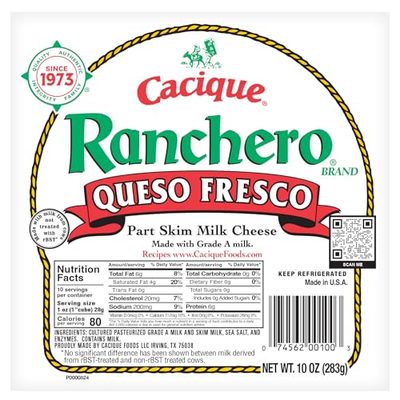
Cacique Queso Fresco Ranchero, 10 oz
A fresh crumbling queso fresco in 10 oz size, ready to sprinkle on cooked dishes or incorporate into recipes without shredding.