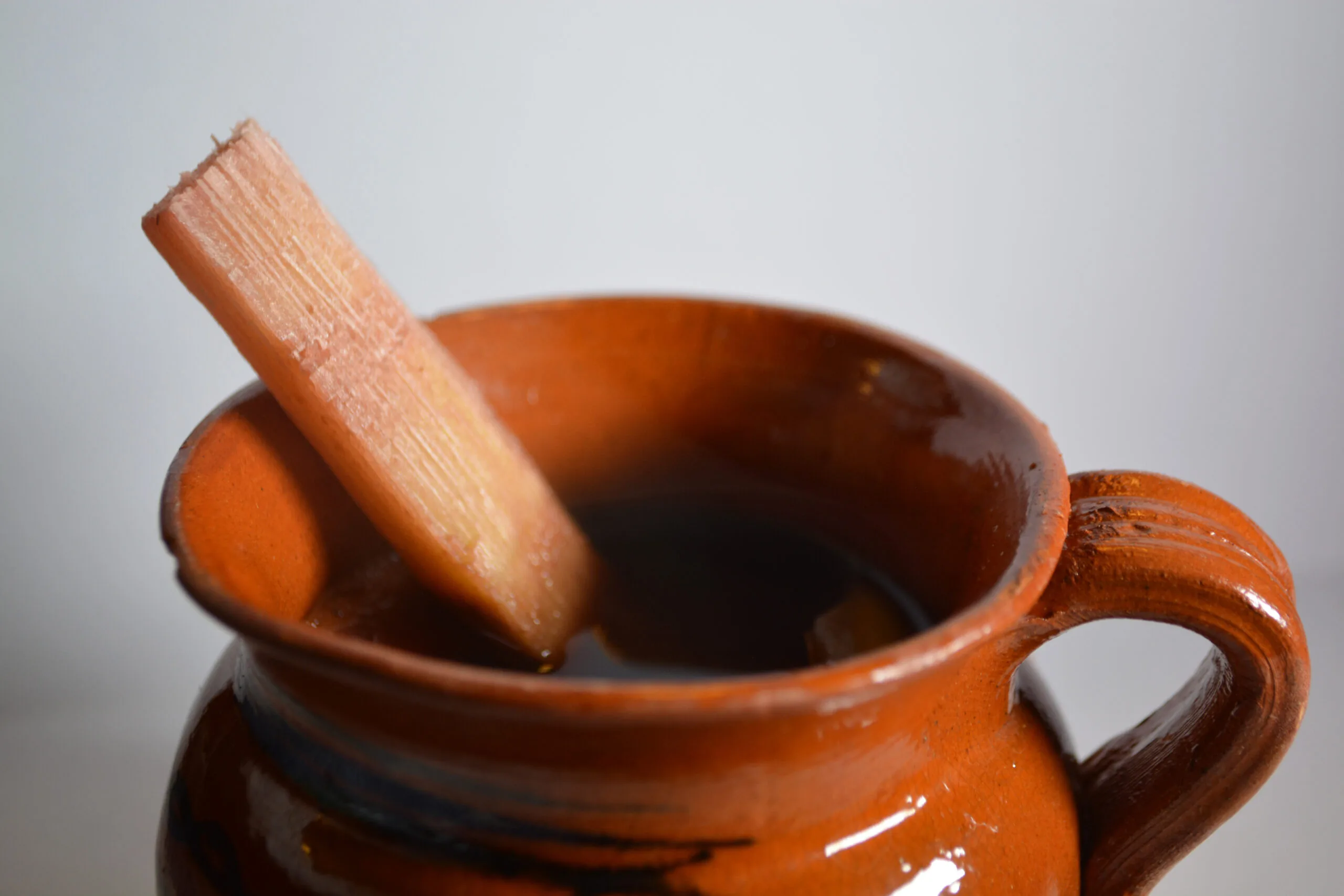
Ponche guatemalteco is Guatemala’s traditional hot Christmas fruit punch — a spiced brew of dried and fresh fruit, panela, cinnamon sticks, and cloves simmered until fragrant and served steaming at Posadas and Noche Buena. The rum-spiked version is the adult holiday indulgence.
Why Guatemalans simmer ponche on Christmas Eve
The smell of ponche guatemalteco is the smell of December in Guatemala. A large pot goes on the stove, dried fruits and pineapple rind drop in, cinnamon sticks and cloves follow, and the kitchen smells like the holiday before anyone has had a single cup. That is the point.
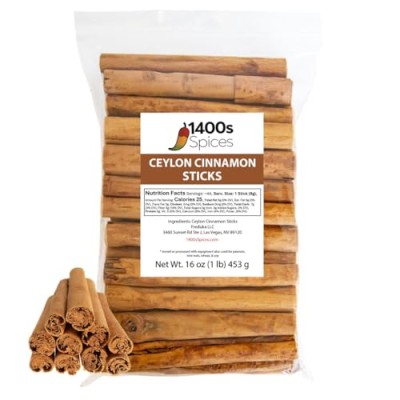
1400S Spices Ceylon Cinnamon Sticks from Sri Lanka, 1lb (Canela Entera)
Ceylon cinnamon is sweeter and milder than cassia — the right choice for atole, conkies, and sweet drinks. These are whole dried sticks from Sri Lanka.
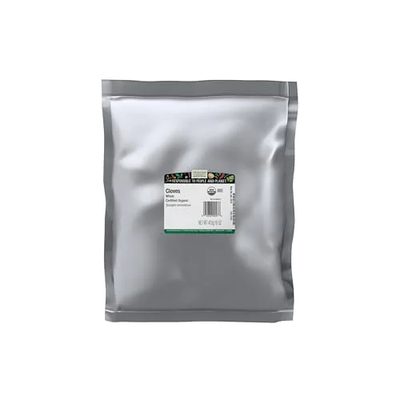
Frontier Co-op Whole Cloves, Organic, Hand Select, 16 oz
Spice pastes, dark stews and braised meats all call for whole cloves ground or simmered into the dish. Whole cloves keep their volatile oils far longer than ground.

Ponche is the drink of Las Posadas. Those are the nine nights of processions, from December 16 through 24, that re-enact Mary and Joseph’s search for shelter. Each night ends with singing, candles, and a pot of ponche. On Noche Buena — Christmas Eve — the same pot simmers again, this time for the longest gathering of the season. The adult version adds rum or aguardiente after the heat goes off; the children’s version stays sweet and spiced and just as warming.
Each night ends with singing, candles, and a pot of ponche. On Noche Buena, the same pot simmers again, this time for the longest gathering of the season.
This is a Ladino Guatemalan tradition, belonging to the mestizo kitchen rather than the Maya one. The Maya holiday drinks run toward cacao and corn-based atoles. Ponche belongs to the Spanish colonial inheritance, the same wave that brought the Posadas themselves. That said, by the time a tradition is centuries deep, it belongs to everyone; ponche appears at Christmas tables across all communities in Guatemala.
It is worth being clear that ponche is a pan-Latin Christmas drink. Mexico has its own version, and the corridor from Guatemala north through Chiapas into Mexico shares this tradition. The two versions are not identical: Mexican ponche navideño uses tejocote, a small hard tart fruit (the Mexican hawthorn) that anchors the drink’s tartness. Tejocote grows in the highlands of Mexico and is harder to find in Guatemala. Guatemalan versions lean instead on manzanilla (the small Guatemalan crabapple), ciruela, plantain, pineapple rind, and guava for their fruit character. The distinction is one of availability and emphasis, not an absolute rule, but the fruit profile is noticeably different.
The name itself is said to trace back further than Guatemala or even Spain. “Ponche” is commonly linked to the Sanskrit word pañca, meaning five, a reference to the five-ingredient colonial punch that arrived in Latin America via Portuguese and Spanish trade routes. In Guatemala it became something entirely its own.
For more on how Guatemalan food works, the recado trio, the tamales, the sweets, the Guatemalan Food Guide covers the full table.
Ingredients
Serves 8. Scale up freely — ponche improves with volume.
Dried fruit base
- 1 cup raisins
- ½ cup pitted prunes (ciruelas secas)
- ½ cup dried apricots (or manzanilla, the small Guatemalan crabapple, if available)
Fresh fruit
- 1 medium pineapple, rind removed and reserved, flesh cored and diced
- 2 medium apples, peeled and diced
- 2 ripe pears, peeled and diced
- 1 ripe plantain, peeled and sliced into rounds
- 1 cup guava, halved (or 100g guava paste, cubed, if fresh is unavailable)
Spice base
- 4 cinnamon sticks
- 8 whole cloves
- 4 allspice berries (optional but good)
Sweetener
- 150g panela (also sold as piloncillo or rapadura), grated or broken into pieces
- Brown sugar to taste for adjusting sweetness at the end
Liquid
- 3 liters water
Optional adult version
- ½ cup rum or aguardiente, added after removing from heat
Garnish
- Extra cinnamon stick per cup
Instructions
- In a large pot, combine the water, pineapple rind, plantain slices, cinnamon sticks, cloves, and allspice. Bring to a boil over high heat.
- Reduce heat to medium. Simmer uncovered for 20 minutes. The pineapple rind and plantain will soften and release their flavor into the broth, giving it depth and a light tannin note.
- Add the dried fruit: raisins, prunes, and dried apricots or manzanilla. Add the grated or broken panela. Stir until the panela begins to dissolve.
- Simmer for 15 minutes, stirring occasionally. The dried fruit will plump and the broth will deepen in color and sweetness.
- Add the fresh fruit: diced pineapple flesh, apples, pears, and guava. Stir gently.
- Simmer another 20 minutes, until all the fruit is tender and the broth is a deep amber color. The kitchen should smell unmistakably of the holidays by now.
- Taste the broth. Adjust sweetness with brown sugar if needed. The amount varies depending on how sweet your fruit is and how sweet your family likes it. Start with ¼ cup and go from there.
- Remove from heat. If serving only adults, stir the rum or aguardiente into the full pot now and serve immediately. If serving a mixed crowd, ladle the children’s portions first, then add the rum to the remaining pot. Either way, the alcohol goes in off the heat — not before, or it cooks off. Serve very hot, with a cinnamon stick in each cup.
The alcohol goes in off the heat — not before, or it cooks off. Ladle the children’s portions first, then add rum to the remaining pot.
Total time: approximately 70 minutes (15 minutes prep, 55 minutes cooking). Yield: about 2.5 liters, 8 generous servings.
Note on the pineapple: Some Guatemalan cooks boil the pineapple rind in a separate small pot of water for 15 minutes, then combine the rind water with the main pot at Step 2. Both methods work. The separate-pot method gives a cleaner tart note; combining everything gives a more integrated flavor.
How to adjust ponche guatemalteco for your kitchen
On the fruit: The combination above is a working version, not a fixed rule. Guatemalan families adjust by availability and preference. Papaya, dried hibiscus flowers (flor de Jamaica), and dried apricots all appear in regional variations. What stays constant is the dried fruit backbone: raisins and prunes.
On tejocote: If you are used to Mexican ponche navideño, you will notice tejocote is not the anchor here. Tejocote (Mexican hawthorn) is harder to source in Guatemala, so the tartness comes from manzanilla (the small Guatemalan crabapple) and ciruela and pineapple rind instead. If you can find tejocote at a Latin market, you can add it — it works. But dried apricots are the right everyday substitution for manzanilla if you cannot find it.
On sweetener: Panela is the correct choice. It has a molasses-caramel depth that brown sugar approximates but does not match. Piloncillo and rapadura are the same thing under different names; any of them work. Refined white sugar makes the broth flat and overly sweet. Avoid it.
On making ahead: Ponche is better the next day. The flavors meld overnight in the refrigerator. Reheat gently on the stove; do not boil it again after the fruit is already tender. Add the rum or aguardiente when you reheat, not before storing.
On storage: The drink keeps for 3 days in the refrigerator. Past that, the citrus and fruit turn sour. Do not freeze: the texture of the cooked fruit does not survive it.
Serving note: Ponche is served hot, not warm. Room temperature loses the aroma. Use cups or mugs with handles, because the drink holds heat well and will burn you if you are not paying attention. Each cup gets its own cinnamon stick.
For Christmas tamales to serve alongside, the traditional Guatemalan pairing, tamales colorados are the ones made for the season.
Frequently Asked Questions
What is ponche guatemalteco?
Ponche guatemalteco is Guatemala’s traditional hot Christmas fruit punch. It is dried and fresh fruit, panela, cinnamon sticks, and cloves simmered together in water until the broth is deep, fragrant, and amber-colored. It is served steaming at Las Posadas (December 16–24) and on Noche Buena (Christmas Eve). An adult version adds rum or aguardiente after the heat is off.
What fruits go in Guatemalan ponche?
The backbone is dried fruit: raisins and prunes. Fresh fruit includes pineapple (and its rind), apple, pear, plantain, and guava. Dried apricots or manzanilla (the small Guatemalan crabapple) add tartness. The combination varies by family and what is in season. Papaya and hibiscus flowers also appear in some versions.
How is ponche guatemalteco different from Mexican ponche?
The main difference is tejocote. Mexican ponche navideño uses tejocote as its defining tart element. Tejocote is harder to source in Guatemala, so Guatemalan versions typically use manzanilla (the small Guatemalan crabapple) and lean on pineapple rind and guava for tartness instead. Both are hot, spiced Christmas drinks, but the fruit profiles are noticeably different. You can add tejocote to Guatemalan ponche if you find it, but it is not the expected base here.
Can I make ponche guatemalteco ahead of time?
Yes. Ponche improves overnight. Make it fully, without the rum, let it cool, and refrigerate. Reheat gently the next day and add the rum or aguardiente when you serve it. The drink keeps for 3 days in the refrigerator.
Is ponche guatemalteco alcoholic?
The base recipe is not alcoholic. The adult version adds rum or aguardiente (Guatemalan cane spirit) after the pot comes off the heat — adding it earlier just cooks the alcohol off. When serving a mixed crowd, ladle the children’s portions first, then add rum to the remaining pot.
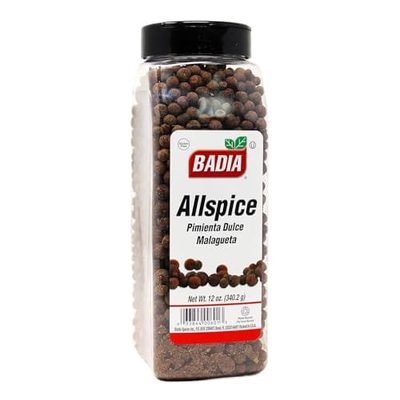
Whole allspice berries you grind fresh; the warm, complex spice flavor is strongest when ground right before use, unlike pre-ground powder.
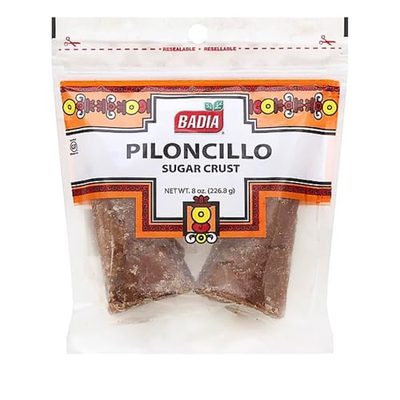
Unrefined cane sugar in cone form, the panela these syrups and sweets are built on.